Crash Course: A Complete 9th Grade World History Final Exam Review

Welcome to the ultimate review guide for your 9th grade world history final exam! This comprehensive review will refresh your knowledge on key topics and help you ace your exam with confidence. From ancient civilizations to modern revolutions, we will cover it all, giving you a solid foundation of world history knowledge.
In this review, we will revisit the great empires and their contributions to the world, such as the Roman Empire, the Mongol Empire, and the Ottoman Empire. We will explore their rise and fall, their cultural achievements, and their impact on global history. Understanding these empires is essential to grasping the historical significance of their legacies.
Additionally, we will delve into the major revolutions that shaped the modern world, from the French Revolution to the Industrial Revolution. These upheavals drastically changed political, social, and economic landscapes, and studying them will give you a deeper understanding of how society has evolved over time. We will also examine the causes and consequences of these revolutions and their lasting effects on our present-day world.
Overview of 9th grade world history final exam

The 9th grade world history final exam provides a comprehensive assessment of the students’ understanding of key historical events, concepts, and themes from ancient civilizations to the modern world. The exam covers various regions and time periods, including ancient Egypt, Greece, and Rome, the Middle Ages, the Renaissance, the Enlightenment, and the Industrial Revolution.
During the exam, students will be tested on their knowledge of important historical figures, such as Alexander the Great, Julius Caesar, and Joan of Arc, and their contributions to the shaping of the world. They will also be asked to analyze primary and secondary sources, interpret maps and graphs, and engage in critical thinking and problem-solving exercises.
- Key topics covered in the exam include:
- The rise and fall of ancient civilizations
- The development of political systems and ideologies
- The impact of major wars and conflicts
- The influence of religion and philosophy
- The exploration and colonization of the New World
- The effects of the Industrial Revolution
Students are expected to demonstrate a deep understanding of these topics, as well as the ability to make connections between different historical periods and events. They should be able to analyze historical evidence, interpret conflicting viewpoints, and develop their own arguments based on historical context.
Preparation for the final exam should include a thorough review of class notes, textbooks, and assigned readings. Students should also consider utilizing study guides and additional resources, such as online research and practice quizzes. By engaging in active studying techniques and continuously reviewing material, students can ensure success on the 9th grade world history final exam.
What to expect and how to prepare
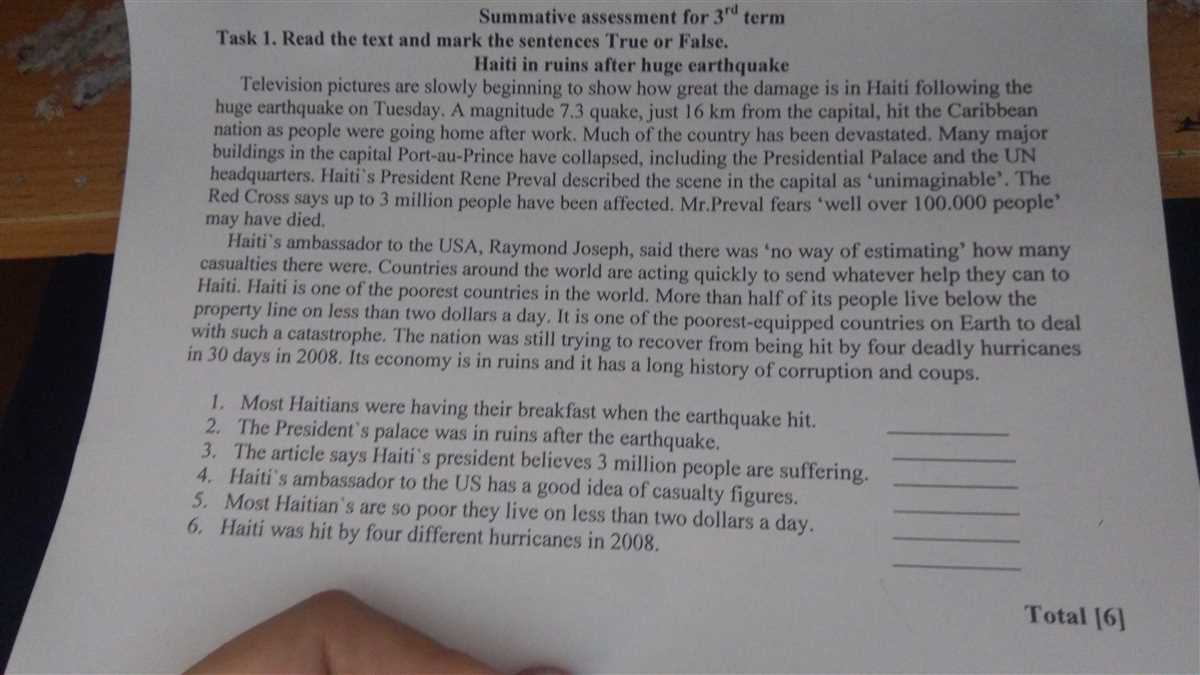
As you approach your 9th grade world history final exam, it is important to understand what to expect and how to prepare. This exam will test your knowledge and understanding of the various historical events, concepts, and themes that you have learned throughout the year. It will require you to demonstrate your ability to analyze different perspectives, make connections between different periods and regions, and critically evaluate historical evidence. To ensure success on your exam, it is essential to review and reinforce your understanding of key topics.
1. Review your notes and study guides

Start by going through your notes and study guides from throughout the year. Pay close attention to the key concepts, events, and vocabulary terms that have been emphasized by your teacher. Take the time to review any readings, primary sources, or secondary sources that you have covered in class. Use your notes to create flashcards or study sheets that will help you review and reinforce your knowledge of the material.
2. Practice with past exams and sample questions
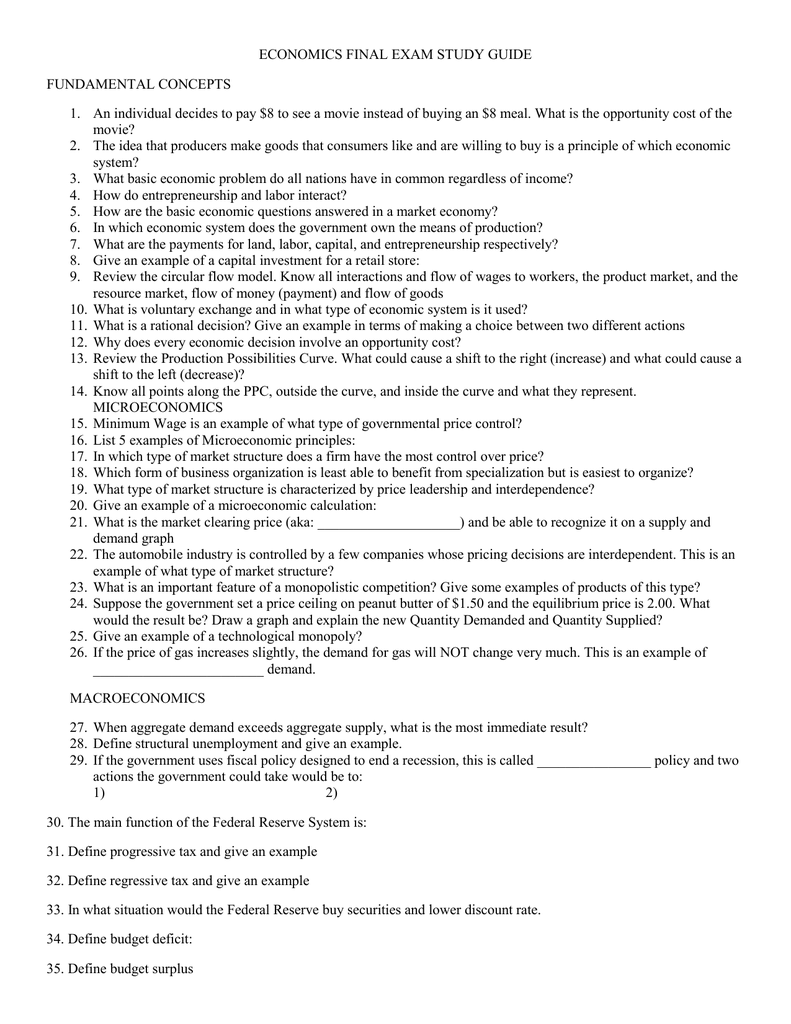
Obtain past exams or sample questions from your teacher or online resources, if available. Practice answering these questions under timed conditions to simulate the exam experience. This will help you become familiar with the format of the questions and the time constraints you will face. Additionally, it will allow you to identify any areas of weakness that you may need to focus on during your review.
3. Collaborate and discuss with peers

Consider forming study groups with fellow classmates to discuss and review the material together. This will provide an opportunity for you to test your understanding of the topics by explaining them to others. It will also allow you to benefit from different perspectives and approaches to the material. Use these study sessions to ask and answer questions, clarify any confusing concepts, and challenge each other’s knowledge.
4. Seek additional resources and support

If you find that you are struggling with certain topics, do not hesitate to seek additional resources and support. Utilize textbooks, online articles, and educational websites to access supplementary information and explanations. Reach out to your teacher or classmates for clarification and guidance. Additionally, consider using educational videos or documentaries to reinforce your understanding of key events and concepts.
By following these preparation strategies, you can ensure that you are well-equipped for your 9th grade world history final exam. Take the time to review and reinforce your understanding of the material, practice with past exams and sample questions, collaborate and discuss with your peers, and seek additional resources and support when needed. Remember to stay calm and confident on exam day, knowing that you have put in the necessary preparation to succeed.
Ancient Civilizations

Ancient civilizations played a crucial role in shaping human history and laid the foundation for modern societies. These early civilizations developed in various regions and each had its unique characteristics and contributions to the world.
Egypt was one of the most influential ancient civilizations. It emerged along the Nile River and thrived for thousands of years. The Egyptians are well-known for their advanced agricultural practices, magnificent pyramids, and hieroglyphic writing system. They developed a complex religious belief system centered around the pharaoh, who was considered a divine ruler.
The Mesopotamian civilization, located between the Tigris and Euphrates rivers, is often referred to as the “Cradle of Civilization.” The Sumerians, Babylonians, and Assyrians were some of the notable cultures in this region. They developed the world’s first known writing system, cuneiform, and made significant advancements in math, astronomy, and governance.
The Indus Valley Civilization flourished in what is now modern-day India and Pakistan. It is one of the earliest urban civilizations dating back to approximately 2500 BCE. The Indus Valley people built well-planned cities with advanced sewage and drainage systems. Archaeological discoveries suggest a high level of craftsmanship and trade connections with other regions.
Ancient Greece is renowned for its contributions to philosophy, literature, art, and democratic governance. Greek city-states, such as Athens and Sparta, were at the forefront of intellectual and cultural development. Greek philosophers, including Socrates, Plato, and Aristotle, laid the groundwork for Western philosophy, while playwrights like Sophocles and Euripides produced timeless tragedies.
- Ancient civilizations like Egypt, Mesopotamia, the Indus Valley, and Ancient Greece had a significant impact on human civilization.
- They contributed to the development of writing systems, advancements in various fields of knowledge, and the establishment of organized societies.
- These civilizations left behind lasting cultural, architectural, and artistic legacies that continue to influence modern societies.
Ancient Egypt, Mesopotamia, and Indus Valley
Ancient Egypt, Mesopotamia, and the Indus Valley were three great civilizations that emerged in different parts of the world thousands of years ago. These civilizations left a lasting impact on the history of humanity and are known for their advancements in various fields such as architecture, agriculture, and governance.
Ancient Egypt, located in northeastern Africa, was characterized by its unparalleled monumentality and intricate religious beliefs. The Egyptians built massive structures such as the Great Pyramids of Giza and the Sphinx, using advanced techniques in engineering and construction. The Nile River played a vital role in the civilization, providing fertile land for agriculture and serving as a major trade route.
Mesopotamia, situated between the Tigris and Euphrates Rivers in modern-day Iraq, was one of the earliest civilizations in the world. The Mesopotamians developed a complex system of writing called cuneiform, which allowed them to record laws, literature, and religious texts. They also invented the wheel, which revolutionized transportation, and implemented a unique system of irrigation to harness the waters of the rivers for agriculture.
The Indus Valley Civilization, located in what is now Pakistan and western India, had a highly sophisticated urban planning system. Cities such as Harappa and Mohenjo-daro featured well-organized street grids, advanced sewage systems, and monumental structures. The Indus Valley people engaged in trade with other civilizations, evidenced by the discovery of seals and artifacts from Mesopotamia and ancient Persia.
In conclusion, ancient Egypt, Mesopotamia, and the Indus Valley were remarkable civilizations that made significant contributions to the development of human civilization. Their advancements in architecture, writing systems, and urban planning continue to be studied and admired by scholars today.
Classical civilizations

Classical civilizations refer to the ancient societies that thrived during the classical period, approximately between 1000 BCE and 500 CE. These civilizations made significant contributions to human history, impacting politics, culture, art, philosophy, and science. Three of the most well-known classical civilizations are Ancient Greece, Ancient Rome, and Ancient China.
Ancient Greece is often considered the birthplace of Western civilization. The Greeks excelled in various fields, including philosophy, literature, mathematics, art, and politics. They laid the foundation for democracy, developed the concept of philosophy as a way of seeking truth, and produced remarkable works such as the Iliad and the Odyssey, which are considered masterpieces of ancient literature.
Ancient Rome, on the other hand, is renowned for its development of a sophisticated legal system, engineering marvels like aqueducts and roads, and the establishment of a vast empire. The Romans adopted and built upon many elements of Greek culture, contributing to the spread of Greco-Roman civilization throughout Europe. Additionally, the Roman Empire’s military prowess and administrative techniques helped shape the future of governance.
In Ancient China, the Qin and Han dynasties are considered to be the classical period. The Qin dynasty united China under a centralized government and standardized various aspects of Chinese life, such as writing and currency. The Han dynasty furthered the development of Confucianism, expanded territorial boundaries through military conquest, and made advancements in fields such as medicine and technology.
Overall, the classical civilizations played a crucial role in shaping the world we live in today. Their contributions laid the foundation for future developments in areas such as governance, philosophy, literature, and science, leaving a lasting impact on human history.
Ancient Greece and Rome, as well as China and India

Ancient Greece and Rome, as well as China and India, were great civilizations that significantly contributed to the development of human history. Each of these civilizations had its unique characteristics and achievements that shaped the world as we know it today.
Ancient Greece is often considered the cradle of Western civilization. It was a collection of city-states, each with its own government and culture. The Greeks made significant contributions to various fields, including philosophy, art, architecture, and democracy. Philosophers such as Socrates, Plato, and Aristotle laid the foundation for Western philosophical thought. Greek mythology and epic poems, such as the Iliad and the Odyssey, continue to captivate audiences worldwide.
Rome, on the other hand, was a powerful empire that expanded across vast territories. It was known for its efficient governance, engineering marvels, and legal system. The Romans were skilled architects, constructing impressive structures like the Colosseum and aqueducts. They also introduced the concept of rule of law and contributed to the development of modern legal systems.
In contrast, ancient China and India were powerful civilizations in the East. China witnessed the rise of dynasties, such as the Han, Tang, and Ming, which left a lasting impact on its culture and government. Chinese inventors brought forth inventions like paper, gunpowder, and the compass, revolutionizing various aspects of human life. Chinese philosophy, notably Confucianism and Taoism, shaped the moral and social fabric of the society.
India, on the other hand, developed a rich and diverse culture that blended various traditions and religions. It gave birth to major world religions like Hinduism and Buddhism, each influencing millions of people around the globe. The ancient Indian mathematicians made significant contributions to the field of mathematics, including the concept of zero and decimal system.
Overall, these ancient civilizations played a crucial role in shaping human history through their contributions in various fields, leaving an enduring legacy that still influences the world today.
Medieval and Renaissance periods

The Medieval period, also known as the Middle Ages, spanned from the 5th to the 15th century. It is characterized by feudal society, with a hierarchical structure consisting of kings, nobles, knights, clergy, and peasants. During this time, the Catholic Church held great power and influenced all aspects of life, including politics, education, and culture.
One of the key events of the Medieval period was the Crusades, a series of religious wars fought between Christians and Muslims for control of the Holy Land. These conflicts lasted for several centuries and had a significant impact on European society, bringing new ideas, goods, and trade routes from the East.
- The Renaissance was a period of renewed interest in the arts, sciences, and classical learning that took place in Europe from the 14th to the 17th century.
- During this time, there was a shift from the medieval focus on religion and the afterlife to a more secular worldview that emphasized humanism.
- Artists such as Leonardo da Vinci, Michelangelo, and Raphael emerged during the Renaissance, creating masterpieces that captured the beauty and complexity of the human form.
- In addition to advancements in art, the Renaissance also saw significant developments in science, with figures like Galileo Galilei and Nicolaus Copernicus challenging long-held beliefs about the nature of the universe.
The Renaissance was a time of intellectual and cultural flourishing, marking a transition from the Middle Ages to the modern era. It laid the groundwork for the scientific revolution and the Age of Enlightenment that followed, shaping the course of future human history.
Conclusion

In conclusion, feudalism, the Crusades, and the rebirth of knowledge were three significant aspects in world history that greatly influenced the development of societies during the Middle Ages. Feudalism provided a social and economic structure that allowed for stability and order, although it also perpetuated social inequalities and limited individual freedoms. The Crusades, on the other hand, had both positive and negative consequences. While they were driven by religious motives, they also led to cultural exchanges, the introduction of new ideas and technologies, and the rise of trade networks.
Lastly, the rebirth of knowledge, also known as the Renaissance, marked a period of intellectual and artistic revival in Europe. Through the rediscovery of ancient Greek and Roman texts, scholars and artists challenged traditional beliefs and ushered in a new era of scientific and artistic exploration. This period of intellectual enlightenment laid the foundation for many of the ideas and advancements that would shape the modern world.
In summary, feudalism, the Crusades, and the rebirth of knowledge were interconnected phenomena that shaped the political, social, and intellectual landscape of the Middle Ages. Understanding these concepts is crucial in comprehending the historical context and the factors that influenced the development of civilizations in this era. By recognizing the impact of these events, we can gain a clearer understanding of the world we live in today and how it has been shaped by the past.