Mastering the 9th Grade World History Final Exam: Your Comprehensive Study Guide

In the 9th grade, world history is an important subject that helps students understand the development of civilizations, cultures, and societies throughout time. As the final exam approaches, it is crucial for students to review and reinforce the knowledge they have gained over the course of the year. This study guide is designed to assist students in preparing for their upcoming final exam by highlighting key topics, providing study tips, and suggesting additional resources for further exploration.
One of the main areas of focus in 9th grade world history is the ancient civilizations. Students will delve into the civilizations of Mesopotamia, Egypt, Greece, and Rome, learning about their contributions to art, architecture, philosophy, and government. They will also explore the rise and fall of empires such as the Byzantine Empire, the Islamic Caliphates, and the Mongol Empire.
In addition to ancient civilizations, the study of world history in the 9th grade also incorporates the Middle Ages, the Renaissance, and the Age of Exploration. Students will examine the impact of the Crusades, the Black Death, and the Protestant Reformation on European society. They will also learn about the important voyages of explorers such as Christopher Columbus, Vasco da Gama, and Ferdinand Magellan, and how these expeditions led to an era of globalization.
Furthermore, the study guide will provide students with helpful study tips to maximize their preparation and performance on the final exam. Students will be encouraged to review their class notes, textbooks, and any assignments or projects they have completed throughout the year. They will also be advised to create a study schedule, break down the material into manageable sections, and use mnemonic devices or flashcards to aid in memorization.
9th Grade World History Final Exam Study Guide
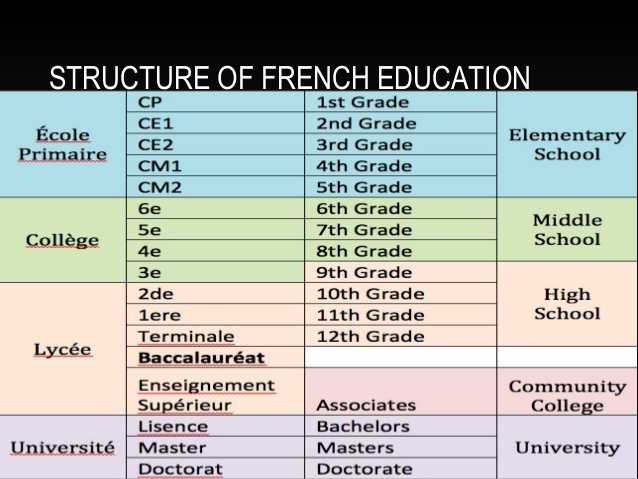
As you prepare for your 9th grade world history final exam, it is important to review key concepts and events that have shaped our world. This study guide will help you focus on important themes and topics that may appear on the exam.
1. Ancient Civilizations: Review the rise and fall of ancient civilizations such as Mesopotamia, Egypt, Greece, and Rome. Understand their political, social, and cultural achievements and their impact on future civilizations.
2. Medieval Europe: Explore the Middle Ages, including the feudal system, the role of the Catholic Church, the Crusades, and the Black Death. Understand the transition from the Roman Empire to feudalism and the impact of the Renaissance on Europe.
- 3. Age of Exploration: Learn about the European voyages of exploration and their impact on the world. Study key explorers such as Christopher Columbus, Vasco da Gama, and Ferdinand Magellan. Understand the motivations, challenges, and consequences of these expeditions.
- 4. Enlightenment and Revolution: Examine the ideas and philosophies that emerged during the Enlightenment, such as the concept of natural rights and the social contract. Study the causes and effects of important revolutions, such as the American Revolution and the French Revolution.
- 5. Industrial Revolution: Analyze the major advancements and changes that occurred during the Industrial Revolution. Understand the impact of industrialization on society, including urbanization, working conditions, and the rise of capitalism.
6. World War I: Explore the causes and consequences of World War I. Understand the role of nationalism, imperialism, and militarism in the outbreak of the war. Analyze the Treaty of Versailles and its impact on Europe.
7. World War II: Examine the causes and events of World War II, including the rise of totalitarianism, the Holocaust, and the atomic bombings of Hiroshima and Nagasaki. Understand the outcomes of the war, including the formation of the United Nations and the division of Europe.
8. Cold War: Study the ideological, political, and military tensions between the United States and the Soviet Union during the Cold War. Analyze key events such as the Cuban Missile Crisis, the Korean War, and the Vietnam War.
9. Modern Global Issues: Explore contemporary global issues, such as globalization, terrorism, human rights, and environmental challenges. Understand the interconnectedness of our world and the challenges it faces in the 21st century.
By reviewing these key themes and topics, you will be prepared for your 9th grade world history final exam. Good luck!
Ancient Civilizations
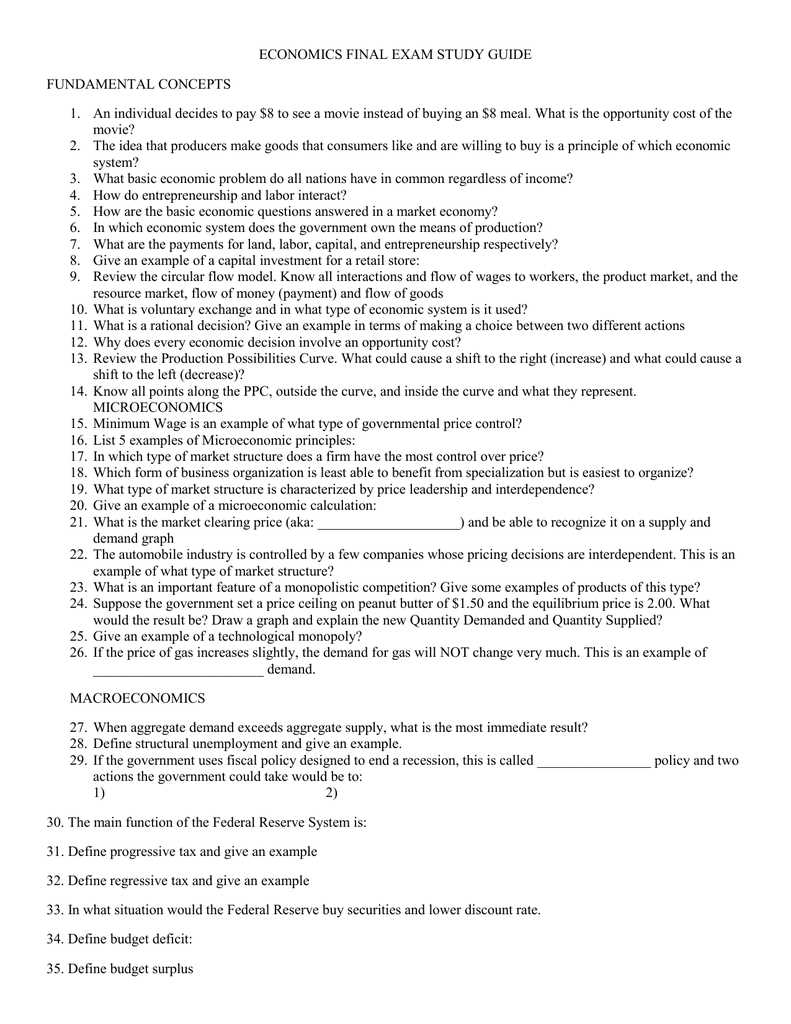
Ancient civilizations refer to the early human societies that existed before the modern era. These civilizations played a crucial role in shaping human history and laying the foundations for the development of modern societies. They emerged in different parts of the world, including Mesopotamia, Egypt, the Indus Valley, and China.
One of the earliest ancient civilizations was the Mesopotamian civilization, located in the fertile crescent between the Tigris and Euphrates rivers. Mesopotamia is often referred to as the “cradle of civilization” due to its advancements in agriculture, trade, and governance. It gave birth to important inventions such as writing, the wheel, and the code of laws.
Another significant ancient civilization was the Egyptian civilization, situated along the Nile River. The Egyptians are known for their monumental pyramids, intricate hieroglyphics, and advancements in agriculture. They developed a complex religious and social system and built impressive structures like the Great Sphinx and the Valley of the Kings.
- Many ancient civilizations developed in river valleys, such as the Indus Valley civilization in present-day Pakistan and India. It had well-planned cities and advanced drainage systems.
- China, too, had its ancient civilization, known as the Shang Dynasty. The Chinese made significant contributions to the fields of astronomy, architecture, and literature.
Ancient civilizations played a significant role in the development of human society as they laid the groundwork for advancements in various fields such as government, science, and art. They left a lasting impact on the world and their legacies continue to influence modern civilizations today.
Middle Ages
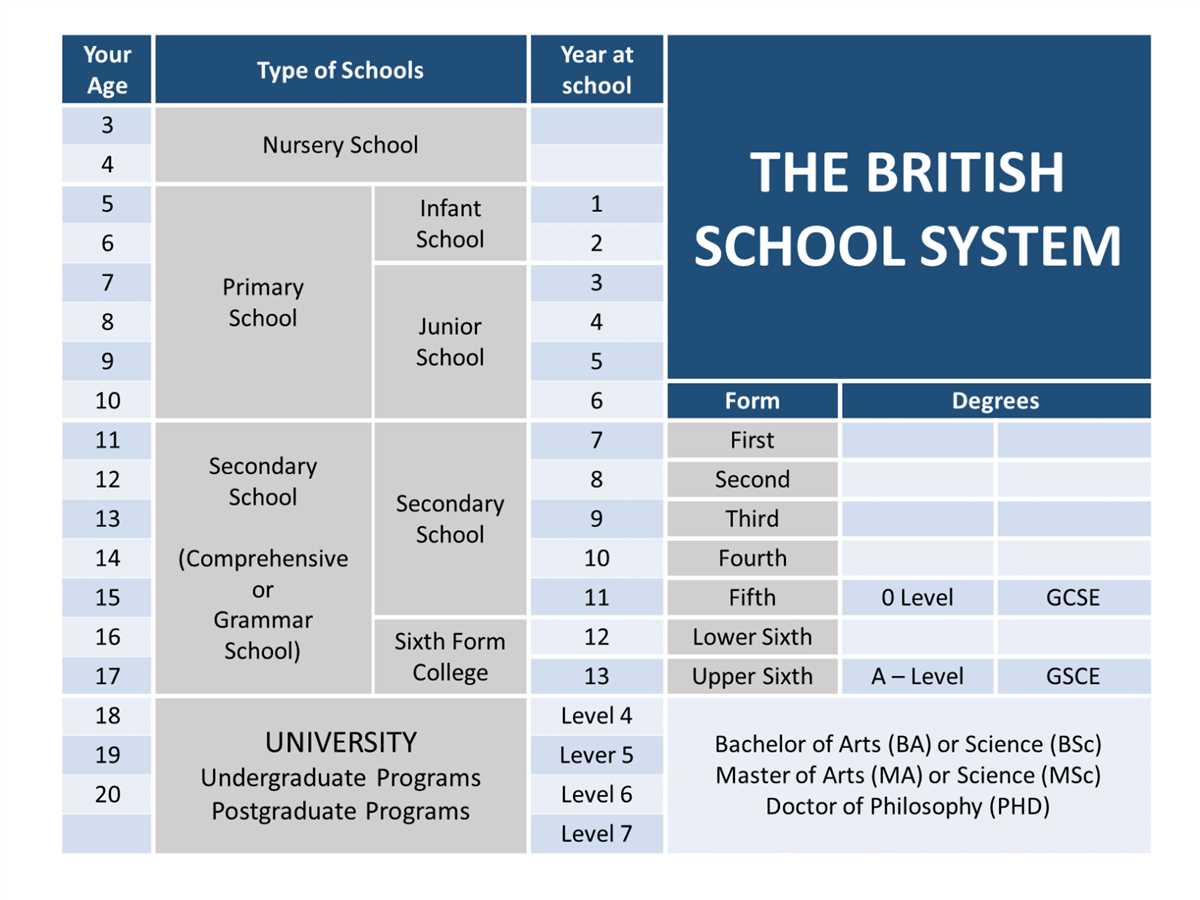
The Middle Ages, also known as the Medieval period, spanned from the 5th to the 15th century in Europe. It was a time of significant political, social, and economic changes. One of the key features of the Middle Ages was the feudal system, in which the land was owned by lords and worked by serfs. This hierarchical system defined the social structure of the time, with kings and nobles at the top and peasants at the bottom.
During the Middle Ages, Europe experienced the decline of the Roman Empire and the rise of new powers, such as the Franks, who established the Carolingian Empire under Charlemagne. This period also saw the spread of Christianity throughout Europe, as the Catholic Church played a central role in both religious and political affairs. In addition, the Middle Ages witnessed the expansion of trade and the growth of towns, leading to the emergence of a merchant class and the development of guilds.
The Middle Ages were marked by frequent invasions and conflicts, such as the Viking raids, the Crusades, and the Hundred Years’ War. These events shaped the political landscape of Europe and influenced its cultural development. Despite the challenges and upheavals, the Middle Ages also witnessed significant advancements in literature, art, and architecture. Notable examples include the Gothic cathedrals, the works of Geoffrey Chaucer, and the rise of universities.
- The feudal system defined the social structure of the Middle Ages.
- The Carolingian Empire was established by the Franks.
- The Catholic Church played a central role in religious and political affairs.
- The Middle Ages saw the emergence of a merchant class and the development of guilds.
- The Middle Ages were marked by frequent invasions and conflicts.
- Significant advancements were made in literature, art, and architecture during this period.
Renaissance and Reformation

The Renaissance was a period of intellectual and artistic rebirth that began in Italy in the 14th century and spread throughout Europe. It was characterized by a renewed interest in the classical works of ancient Greece and Rome, as well as a shift towards individualism and humanism. This period saw advancements in art, architecture, literature, and science, and laid the groundwork for the modern world.
One of the key figures of the Renaissance was Leonardo da Vinci, an Italian artist, scientist, and inventor. He is best known for his iconic paintings such as the Mona Lisa and The Last Supper, but he also made significant contributions to anatomy, engineering, and astronomy. Da Vinci’s work embodied the spirit of the Renaissance, combining artistic beauty with scientific curiosity.
- Key Concepts:
- The revival of classical learning and the focus on humanism
- The development of new artistic techniques and styles
- The exploration and expansion of knowledge in various fields
- The impact of religious reform and the Protestant Reformation
The Reformation was a religious movement in the 16th century that challenged the authority of the Roman Catholic Church. It was led by Martin Luther, a German monk and theologian, who protested against the corrupt practices of the church, such as the selling of indulgences. Luther’s teachings emphasized salvation by faith alone and the authority of Scripture.
The Protestant Reformation had far-reaching consequences, leading to the formation of new Christian denominations and a fragmentation of religious authority. It also sparked political and social changes, as rulers seized the opportunity to assert their independence from the Catholic Church. The Reformation laid the foundation for religious freedom and tolerance, as well as the separation of church and state.
Age of Exploration
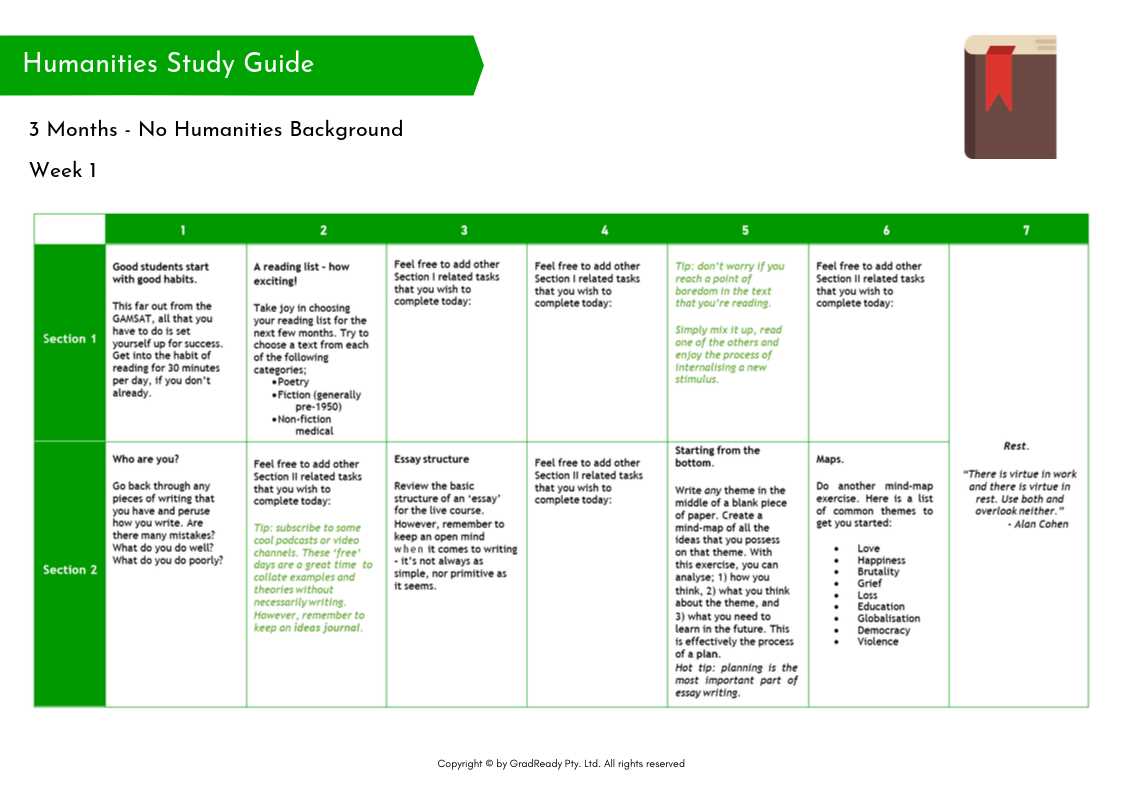
The Age of Exploration, also known as the Age of Discovery, was a period in history that spanned from the 15th to the 17th centuries. During this time, European explorers set out on voyages to discover new lands, establish trade routes, and expand their empires. These explorations had a profound impact on the world, leading to increased global trade, cultural exchanges, and the establishment of European colonies.
One of the key motivations for exploration during this time was the desire for wealth and resources. European nations, such as Spain and Portugal, sought to find new trading routes to Asia in order to bypass the Ottoman Empire’s control over the traditional land routes. In their search for these routes, explorers like Christopher Columbus and Vasco da Gama stumbled upon previously unknown lands, such as the Americas and the Cape of Good Hope. This led to the colonization of these territories and the establishment of European dominance in the New World.
Key Explorers and their Contributions

- Christopher Columbus: Columbus is often credited with discovering the Americas in 1492. His voyages opened up a new era of transatlantic exploration and colonization.
- Vasco da Gama: Da Gama was the first European to reach India by sea, establishing a direct trade route between Europe and Asia.
- Magellan: Ferdinand Magellan led the first expedition to circumnavigate the globe, proving that the Earth was round and expanding European knowledge of the world.
- Henry the Navigator: Prince Henry of Portugal played a crucial role in promoting and funding exploration, setting the stage for the Age of Discovery.
The Age of Exploration not only had an impact on geography and trade, but also on cultural exchange. The encounter between European explorers and indigenous populations resulted in the exchange of goods, ideas, and diseases, shaping the world as we know it today. It also laid the foundation for the establishment of empires and the globalization of the world economy.
Enlightenment and Revolution

The Enlightenment was a historical period in the 18th century Europe when philosophers and intellectuals sought to apply reason and logic to understand and improve society. Key figures of the Enlightenment included thinkers such as John Locke, Voltaire, and Mary Wollstonecraft. They challenged traditional notions of authority and promoted ideas of individual rights, freedom, and equality.
One of the major impacts of the Enlightenment was its influence on the American and French revolutions. The ideas of the Enlightenment, such as the belief in natural rights and the sovereignty of the people, played a significant role in inspiring the revolutions that led to the formation of modern democratic societies in both countries.
The American Revolution:
- The Enlightenment ideas strongly influenced the American colonists, who were discontent with British rule and sought independence.
- The writings of Enlightenment thinkers, such as Thomas Paine’s “Common Sense,” helped to rally support for the idea of revolution.
- The Declaration of Independence, written by Thomas Jefferson, was heavily influenced by Enlightenment ideals of natural rights and self-government.
- The American Revolution resulted in the formation of the United States of America and the establishment of a new democratic government.
The French Revolution:
- The Enlightenment ideas spread to France, where a growing discontent with the monarchy and social inequalities led to calls for change.
- The French Revolution aimed to overthrow the monarchy, establish a republic, and promote principles of liberty, equality, and fraternity.
- The Declaration of the Rights of Man and of the Citizen, influenced by Enlightenment thinkers, was a key document of the French Revolution.
- The French Revolution had a profound impact on France and Europe, leading to the rise of Napoleon Bonaparte and the spread of revolutionary ideas.
In conclusion, the Enlightenment was a transformative period in history that laid the foundation for modern democratic societies. Its ideas of reason, individual rights, and revolution had a lasting impact, shaping the course of history and inspiring generations to fight for freedom and equality.
The Industrial Revolution

The Industrial Revolution was a period of rapid industrialization and transformation that occurred in the late 18th and early 19th centuries. It was characterized by the introduction of machinery, the rise of factories, and significant advancements in technology, transportation, and agriculture. This period marked a dramatic shift in the way goods were produced and the way people lived and worked.
During this time, there were profound changes in the economy, society, and culture. The Industrial Revolution led to the growth of cities, the expansion of the middle class, and the rise of capitalism. It also brought about significant social and environmental consequences, such as urban overcrowding, poor working conditions, and pollution.
The Industrial Revolution had a lasting impact on the world, shaping the modern industrialized society that we live in today. It paved the way for further technological advancements and economic growth, but also highlighted the need for labor rights and environmental regulations.
Overall, the Industrial Revolution was a pivotal period in history that transformed the way goods were produced and the way people lived and worked. It brought about both progress and challenges, and its effects are still felt in our modern world. By studying and understanding this important era, we can gain valuable insights into the development of our current society and the ongoing challenges we face.
Q&A:
What was the Industrial Revolution?
The Industrial Revolution was a period of rapid industrialization and technological advancement that took place in the 18th and 19th centuries, primarily in Europe and the United States. It brought major changes in agriculture, manufacturing, mining, transportation, and technology.
What were the causes of the Industrial Revolution?
There were several causes of the Industrial Revolution, including the availability of natural resources, such as coal and iron, the development of new inventions and technologies, the growth of population and urbanization, and the emergence of a capitalist economic system.
What were some significant inventions and technologies of the Industrial Revolution?
Some significant inventions and technologies of the Industrial Revolution include the steam engine, the spinning jenny, the power loom, the cotton gin, the telegraph, the railroad, and the steamship. These innovations greatly increased productivity and transformed various industries.
How did the Industrial Revolution impact society?
The Industrial Revolution had a profound impact on society. It led to urbanization and the growth of cities, as people flocked to industrial centers in search of employment. It also brought about changes in working conditions, with long hours and dangerous conditions in factories. It transformed the class structure, creating a divide between the industrial bourgeoisie and the working class. It also contributed to the rise of consumer culture and the spread of mass production.
What were the long-term effects of the Industrial Revolution?
The long-term effects of the Industrial Revolution include the spread of industrialization to other parts of the world, the development of global trade networks, the rise of modern capitalism, the improvement of living standards for some segments of society, the degradation of the environment, and the acceleration of technological progress. It also laid the foundation for the modern industrial society we live in today.
What was the Industrial Revolution?
The Industrial Revolution was a period of rapid industrialization and technological advancement that occurred in the late 18th and early 19th centuries. It began in Great Britain and then spread to other parts of Europe and the United States. It was characterized by the transition from manual labor to machine-based manufacturing and the development of new industries.