A Christmas Carol Study Guide: Exploring Questions and Finding Answers

A Christmas Carol, written by Charles Dickens, is a timeless classic that captures the essence of the holiday spirit. This novella tells the story of Ebenezer Scrooge, a bitter and selfish man who is visited by three spirits on Christmas Eve, leading to a transformation of his character. Through its vivid characters and powerful themes, A Christmas Carol prompts readers to reflect on the true meaning of Christmas and the importance of kindness and generosity.
As you dive into this captivating tale, it is essential to explore the deeper meanings and messages embedded within the story. This study guide provides a comprehensive collection of questions and answers that will help you analyze and understand the various elements of A Christmas Carol. Whether you’re a student studying the novel or a fan of Dickens, these study guide questions and answers will assist you in unraveling the complexities and themes of this beloved Christmas story.
From examining Scrooge’s transformation to delving into the symbolism behind the three spirits, this study guide offers a thorough exploration of the characters, plot, themes, and literary devices found in A Christmas Carol. By engaging with these thought-provoking questions and their corresponding answers, you’ll gain a deeper appreciation for the story’s timeless themes and Dickens’ masterful storytelling techniques. So, grab a copy of A Christmas Carol and embark on a journey that will warm your heart and remind you of the power of redemption and compassion during the holiday season.
A Christmas Carol Study Guide Questions and Answers
In Charles Dickens’ classic story “A Christmas Carol,” readers are invited into the world of Ebenezer Scrooge, a miserly and cold-hearted man who is visited by three spirits on Christmas Eve. This study guide provides a detailed analysis of the book, offering questions and answers to help readers delve deeper into the themes, characters, and plot.
1. What is the main theme of “A Christmas Carol”?
The main theme of “A Christmas Carol” is the redemption and transformation of a selfish and greedy individual. Through the visits of the spirits, Scrooge is forced to confront his own past, present, and future, leading to a change of heart and a newfound sense of compassion for others.
2. How does Scrooge change throughout the story?
At the beginning of the story, Scrooge is depicted as a miserly and grumpy person who has no regard for others. However, as the spirits guide him through different stages of his life, Scrooge begins to realize the consequences of his actions and the importance of human connection. By the end of the story, he undergoes a complete transformation and becomes a generous and kind-hearted individual.
3. What role do the three spirits play in Scrooge’s transformation?
The three spirits – the Ghost of Christmas Past, the Ghost of Christmas Present, and the Ghost of Christmas Yet to Come – serve as catalysts for Scrooge’s transformation. They show him the impact of his past actions, the joy and love present in the lives of others, and the potential future that awaits him if he doesn’t change his ways. Through these encounters, Scrooge is able to confront his own flaws and make the choice to change.
4. How does the story emphasize the importance of compassion and charity?
“A Christmas Carol” highlights the importance of compassion and charity by contrasting Scrooge’s initial lack of empathy with the joy and generosity exhibited by other characters. Through encounters with the Cratchit family and Fred, Scrooge’s nephew, Dickens shows how acts of kindness can bring happiness not only to those who receive them but also to the giver. The story serves as a reminder of the transformative power of compassion and the importance of spreading love during the holiday season.
Overview of “A Christmas Carol”
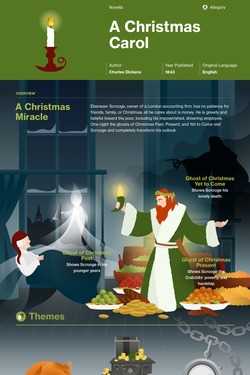
“A Christmas Carol” is a novella written by Charles Dickens and first published in 1843. It tells the story of Ebenezer Scrooge, a bitter and miserly man who is visited by the ghost of his former business partner, Jacob Marley, on Christmas Eve. Marley’s ghost warns Scrooge of the consequences of his selfish and greedy ways, and tells him that he will be visited by three more spirits: the Ghosts of Christmas Past, Present, and Yet to Come.
The Ghost of Christmas Past takes Scrooge on a journey through his own past, showing him the ways in which his choices and actions have led him to become the cold-hearted person he is today. The Ghost of Christmas Present shows Scrooge the joy and warmth of the Christmas season, and introduces him to the Cratchit family, who despite their poverty and hardships, still find happiness in each other and the spirit of Christmas. The Ghost of Christmas Yet to Come shows Scrooge a bleak future if he continues on his current path, and reveals to him his own lonely death.
Through these experiences, Scrooge is able to reflect on his past, present, and future, and comes to realize the error of his ways. He undergoes a transformation and becomes a kind and generous person, promising to honor the spirit of Christmas and help those in need. The story of “A Christmas Carol” is a timeless tale that emphasizes the importance of love, compassion, and redemption, and has become a beloved holiday classic.
Analysis of the Characters
The characters in “A Christmas Carol” play a crucial role in conveying the themes and messages of the story. Each character represents different aspects of human nature and serves as a symbol of the various attitudes towards Christmas and life. The main characters include Ebenezer Scrooge, Bob Cratchit, Tiny Tim, Jacob Marley, and the three spirits.
Ebenezer Scrooge
Ebenezer Scrooge is the protagonist of the story and is initially portrayed as a cold-hearted and miserly old man. He is obsessed with material wealth and has no empathy for others. However, throughout the story, Scrooge undergoes a transformation as he is visited by the three spirits, ultimately leading to his redemption. Scrooge represents the greed and selfishness that can consume a person’s soul, but also shows that it is never too late to change and find redemption.
Bob Cratchit
Bob Cratchit is Scrooge’s loyal and dedicated employee. He is poor and struggles to support his family, but maintains a positive attitude and a kind heart. Despite his difficult circumstances, Cratchit shows love and compassion towards others, especially his son Tiny Tim, who is sickly. Cratchit represents the resilience and goodness that can be found in the midst of poverty and hardship.
Tiny Tim
Tiny Tim is Bob Cratchit’s youngest son who is suffering from a debilitating illness. Despite his condition, Tiny Tim remains optimistic and spreads joy wherever he goes. He represents the innocence and purity of children, and serves as a symbol of hope and the potential for a brighter future.
Jacob Marley
Jacob Marley is Scrooge’s deceased business partner who appears to him as a ghost. Marley is tormented for eternity due to his greed and selfishness in life. He warns Scrooge of the consequences of his actions, and serves as a catalyst for Scrooge’s transformation. Marley represents the consequences of living a selfish and immoral life, and acts as a guide for Scrooge to find redemption and salvation.
The Three Spirits
The three spirits, the Ghost of Christmas Past, the Ghost of Christmas Present, and the Ghost of Christmas Yet to Come, play a significant role in Scrooge’s journey towards redemption. Each spirit represents a different aspect of time and reveals to Scrooge the consequences of his actions and the potential for change. They serve as messengers and guides, helping Scrooge to reflect on his past, appreciate the present, and fear the future. The three spirits symbolize the power of reflection, gratitude, and the fear of a wasted life.
Themes Explored in the Novel
The novel “A Christmas Carol” by Charles Dickens explores several overarching themes, including redemption, the power of generosity, and the celebration of Christmas. These themes are woven throughout the story, providing important lessons and messages for readers.
Redemption: One of the central themes in the novel is the idea of redemption. The story follows the transformation of the main character, Ebenezer Scrooge, from a cold-hearted and miserly person to someone who embraces the spirit of Christmas and learns to value the importance of human connections. Through encounters with the ghosts of Christmas Past, Present, and Future, Scrooge is shown the consequences of his actions and is given a chance to change his ways. This theme of redemption emphasizes the idea that it is never too late to change and that everyone has the potential for personal growth.
The Power of Generosity: Another significant theme explored in the novel is the power of generosity. Through the character of Scrooge, Dickens highlights the negative consequences of greed and selfishness, and the positive effects of kindness and generosity. As Scrooge witnesses the hardships faced by those less fortunate and experiences acts of kindness from others, he begins to understand the importance of giving to others and the impact it can have on their lives. This theme serves as a reminder that true happiness can be found in helping others and spreading joy.
- Christmas Spirit:
“A Christmas Carol” also explores the celebration of Christmas and the importance of embracing the true spirit of the holiday. Through the character of Scrooge, who initially despises Christmas and all it represents, the novel showcases the transformative power of the holiday. As Scrooge is visited by the ghosts and witnesses the joy and goodwill associated with Christmas, he begins to recognize the value of love, compassion, and celebration during this time of year. This theme serves as a reminder to readers to cherish the festive season and to embody its values throughout the year.
In conclusion, “A Christmas Carol” by Charles Dickens delves into themes of redemption, the power of generosity, and the celebration of Christmas. Through the journey of its main character, the novel offers important life lessons and encourages readers to reflect on their own actions and attitudes. The themes explored in the book remain relevant today, reminding us of the transformative power of love, kindness, and the joy of giving.
Symbolism and Imagery in “A Christmas Carol”
The novella “A Christmas Carol” by Charles Dickens is rich in symbolism and imagery, which enhance the meaning and impact of the story. Through the use of various symbols, Dickens conveys important themes and messages to the readers, making the story more engaging and thought-provoking.
One of the prominent symbols in “A Christmas Carol” is the chains that Marley’s ghost carries. These chains represent the burden of Marley’s sins and greed during his lifetime. They serve as a stark reminder of the consequences of leading a selfish and materialistic life. The symbolism of the chains emphasizes the theme of redemption and the importance of embracing kindness and compassion, as Scrooge is given a chance to change his ways and avoid a similar fate.
Another symbol in the story is the Ghost of Christmas Past. This ghost represents the power of reflection and self-examination. Through the memories and experiences shown by this ghost, Scrooge is able to confront his past mistakes and understand how they have shaped his current state of mind. The Ghost of Christmas Past serves as a catalyst for Scrooge’s transformation, highlighting the theme of personal growth and the potential for change.
In addition to symbolism, imagery plays a significant role in “A Christmas Carol” in creating a vivid and immersive reading experience. The vivid descriptions of the decrepit, cold, and gloomy setting of Scrooge’s office and living spaces evoke a sense of isolation, despair, and darkness. This imagery emphasizes the contrast between Scrooge’s miserable existence and the joyous spirit of Christmas, ultimately reinforcing the message of the story.
Overall, the symbolism and imagery in “A Christmas Carol” enhance the themes and messages presented by Dickens. They provide depth and meaning to the narrative, allowing readers to engage with the story on a deeper level and contemplate the importance of compassion, self-reflection, and personal growth.
Narrative Structure and Plot Development

The narrative structure of “A Christmas Carol” plays a crucial role in the plot development of the story. The story is divided into five staves, each representing a different phase of Ebenezer Scrooge’s transformation. The staves are like chapters in a book, each building upon the previous one and leading the reader further into Scrooge’s journey of redemption.
In the first stave, the stage is set as Scrooge is introduced as a cold-hearted and miserly businessman. The reader is shown his lack of compassion and his disdain for the Christmas season. This stave also introduces the character of Jacob Marley, Scrooge’s deceased business partner, who warns Scrooge of the consequences of his actions.
In the second stave, Scrooge is visited by the Ghost of Christmas Past who takes him on a journey through his childhood and early years. This stave provides crucial insight into Scrooge’s past, showing the reasons behind his current attitude towards Christmas and his lack of empathy. The Ghost of Christmas Past reveals important events and characters from Scrooge’s past, allowing the reader to understand the root causes of his behavior.
In the third stave, Scrooge is visited by the Ghost of Christmas Present who shows him scenes from the current Christmas. This stave highlights the joy and happiness experienced by others during the holiday season, contrasting it with Scrooge’s isolation and bitterness. The Ghost of Christmas Present challenges Scrooge to open his heart and embrace the spirit of Christmas.
In the fourth stave, Scrooge is confronted by the Ghost of Christmas Yet to Come who shows him a future in which no one mourns his death due to his callousness. This stave is a turning point for Scrooge as he realizes the consequences of his actions and the true meaning of life. It is in this stave that Scrooge decides to change his ways and seek redemption.
In the fifth stave, Scrooge wakes up on Christmas Day a changed man. He embraces the spirit of Christmas and becomes a generous and compassionate person. This stave represents the resolution and conclusion of the story, highlighting the transformative power of redemption and the importance of spreading kindness and joy.
The narrative structure and plot development of “A Christmas Carol” effectively convey the message of redemption and the transformation of Scrooge’s character. The sequential progression of the staves allows the reader to witness Scrooge’s journey towards self-realization and ultimately, his redemption.
Key Quotes and their Significance
Throughout A Christmas Carol, there are several key quotes that hold significant meaning and contribute to the overall message of the story. These quotes shed light on the themes of redemption, compassion, and the importance of self-reflection. Let’s explore some of these noteworthy quotes and their significance.
1. “I will honour Christmas in my heart, and try to keep it all the year.”
This quote, spoken by Ebenezer Scrooge towards the end of the story, highlights the transformative journey he undergoes. It signifies his change of heart and willingness to embrace the Christmas spirit not only during the holiday season but every day. This quote serves as a reminder to the reader that the values of kindness and generosity should be practiced consistently.
2. “No space of regret can make amends for one life’s opportunity misused.”
Here, Jacob Marley, Scrooge’s deceased business partner, warns him about the consequences of a life filled with greed and indifference towards others. This quote emphasizes the importance of embracing opportunities and not wasting one’s life on material gain. It serves as a powerful reminder to prioritize relationships and generosity over selfish pursuits.
3. “I wear the chain I forged in life. I made it link by link, and yard by yard.”
When the Ghost of Christmas Past shows Scrooge the chain he has created due to his selfish actions, Scrooge acknowledges his responsibility for his own fate. This quote represents the idea that one’s actions have consequences and that each decision influences the path we take in life. It teaches us the importance of making choices that contribute to our personal growth and well-being.
4. “God bless us, everyone!”
This iconic phrase, spoken by the beloved character Tiny Tim, encapsulates the theme of hope and the power of love and compassion. Despite his own hardships, Tiny Tim’s unwavering optimism and empathy serve as a reminder that kindness can transcend even the darkest of circumstances. This quote acts as a call for societal change and a plea for collective compassion.
In conclusion, the key quotes in A Christmas Carol hold significant meaning and contribute to the overarching themes of the story. These quotes remind us of the importance of embracing the Christmas spirit year-round, seizing opportunities to make a positive difference, taking responsibility for our actions, and spreading kindness and compassion to all. They serve as timeless lessons that continue to resonate with readers, reminding us of the true meaning of Christmas and the power of personal transformation.