Master the AAPC CPC Exam with These Practice Questions
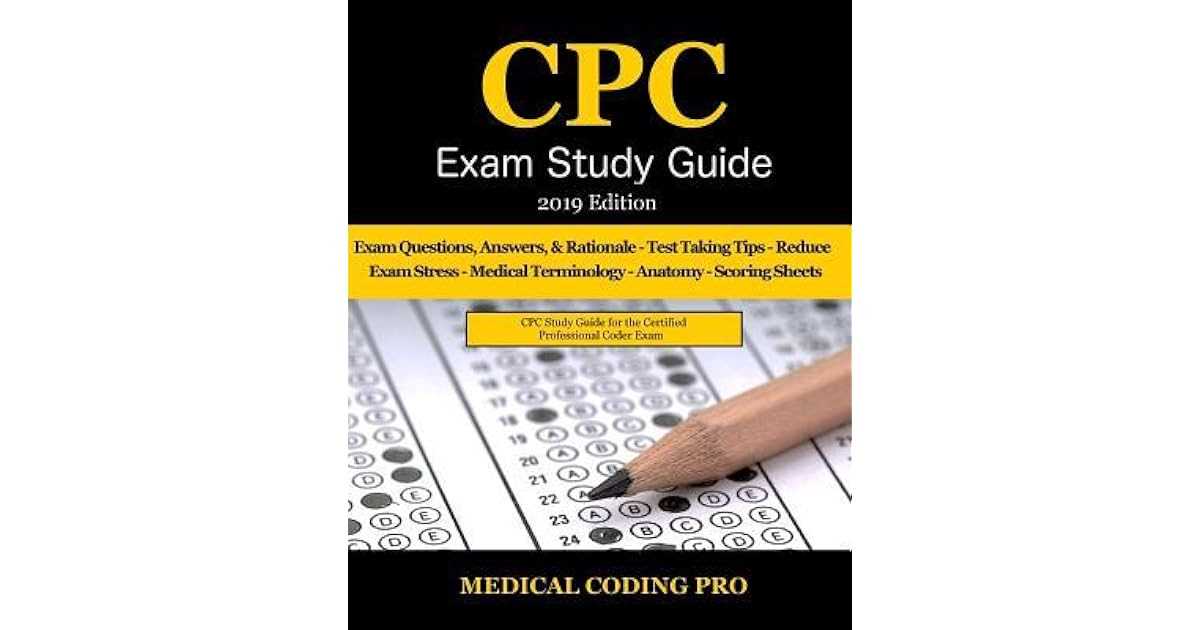
The American Academy of Professional Coders (AAPC) offers the Certified Professional Coder (CPC) exam, which is designed to test the knowledge and understanding of medical coding guidelines and procedures. This exam is highly sought after by individuals working in the healthcare industry, as it is a measure of their competence and proficiency in medical coding.
Many individuals who are preparing for the AAPC CPC exam often search for practice questions to help them prepare. These practice questions serve as a valuable resource in familiarizing oneself with the format and types of questions that may be encountered on the actual exam. They also provide an opportunity for individuals to assess their level of preparedness and identify areas that may require further study.
The AAPC CPC exam covers a wide range of topics, including medical terminology, anatomy and physiology, coding guidelines, and reimbursement methodologies. The questions on the exam are designed to evaluate not only an individual’s knowledge of these topics, but also their ability to apply this knowledge to real-world coding scenarios. By practicing with sample questions, individuals can gain the confidence and skills necessary to successfully pass the exam and become a certified professional coder.
AAPC CPC Exam Questions: Everything You Need to Know
If you are preparing for the AAPC Certified Professional Coder (CPC) exam, it is essential to understand the structure and content of the exam. The CPC exam is a rigorous and comprehensive assessment of coding knowledge and skills, and a passing score is required to become a certified coder. This article provides an overview of everything you need to know about the AAPC CPC exam questions.
The AAPC CPC exam consists of multiple-choice questions that cover various aspects of medical coding, including anatomy, medical terminology, coding guidelines, and reimbursement methods. The exam is divided into three sections:
- Medical Concepts: This section covers topics such as anatomy, physiology, medical terminology, and pathology. It tests your understanding and knowledge of the human body and its systems.
- Coding Concepts: This section focuses on coding guidelines, conventions, and rules. It includes questions on CPT, HCPCS, and ICD-10-CM coding, as well as modifiers, coding edits, and documentation requirements.
- Regulations and Reimbursement: This section assesses your knowledge of healthcare regulations, such as HIPAA, OIG guidelines, and Medicare policies. It also covers reimbursement methodologies and payment systems used in medical coding and billing.
To successfully pass the CPC exam, you need to have a solid understanding of these topics and be able to apply coding principles and guidelines to real-world scenarios. It is crucial to study and review the official AAPC study guide, practice exams, and coding manuals to ensure you are adequately prepared.
The AAPC CPC exam questions are designed to test your ability to analyze medical documentation, assign accurate codes, follow coding guidelines, and ensure compliance with regulations. The questions may include scenarios, coding examples, and coding scenarios.
During the exam, it is important to read each question carefully, eliminate any obviously incorrect answers, and choose the best possible answer based on your knowledge and understanding of coding principles. Time management skills are also crucial to ensure you have enough time to answer all the questions within the allotted time.
By familiarizing yourself with the structure, content, and format of the AAPC CPC exam questions, and by dedicating sufficient time and effort to prepare, you can increase your chances of passing the exam and becoming a certified professional coder.
What is the AAPC CPC Exam?
The AAPC CPC Exam, also known as the Certified Professional Coder exam, is a rigorous examination that assesses a candidate’s knowledge and skills in medical coding. The exam is conducted by the American Academy of Professional Coders (AAPC), a leading organization in the healthcare industry.
To become a certified professional coder (CPC), individuals must pass the AAPC CPC Exam. This exam is designed to evaluate a coder’s proficiency in assigning accurate and appropriate codes for medical procedures and services. It covers various topics such as anatomy, medical terminology, coding guidelines, and reimbursement methodologies.
Candidates preparing for the AAPC CPC Exam should have a strong foundation in medical coding practices, as well as a good understanding of the different code sets, including CPT, HCPCS Level II, and ICD-10-CM. They should be skilled in interpreting medical documentation, identifying procedures and diagnoses, and correctly assigning codes for billing and reimbursement purposes.
The AAPC CPC Exam consists of multiple-choice questions that test a candidate’s knowledge and application of coding concepts. The exam duration is four hours, and candidates are required to achieve a passing score to earn their CPC certification. This certification is highly regarded in the healthcare industry and demonstrates a coder’s proficiency in medical coding and billing.
By successfully passing the AAPC CPC Exam and earning the CPC certification, individuals can enhance their career opportunities and credibility as a medical coder. They can work in various healthcare settings, such as hospitals, physician practices, insurance companies, and billing agencies, ensuring accurate coding and billing processes that are essential for proper healthcare reimbursement.
How to Prepare for the AAPC CPC Exam?
Preparing for the AAPC CPC exam requires careful planning and focused study. The exam is designed to assess your proficiency in medical coding and billing, so it’s important to have a solid understanding of the subject matter before taking the test. Here are some steps you can take to prepare for the exam:
1. Review the Exam Content Outline
The AAPC provides an exam content outline that outlines the topics that will be covered in the exam. Reviewing this outline will give you a clear idea of the areas you need to focus on and help you create a study plan.
2. Take Practice Exams
Practicing with sample questions and taking practice exams is a great way to familiarize yourself with the format of the CPC exam and identify any areas where you may need additional study. There are many resources available online, including practice exams offered by AAPC, that can help you prepare.
3. Study Coding Guidelines and Manuals
Medical coding is based on specific guidelines and coding manuals. It’s important to familiarize yourself with the official coding guidelines and the manuals that are commonly used in the field, such as the ICD-10-CM, CPT, and HCPCS manuals. Spend time studying these resources to ensure you have a solid grasp of the coding rules and conventions.
4. Join a Study Group or Attend a Review Course
Studying with others who are also preparing for the AAPC CPC exam can be beneficial. Joining a study group or attending a review course can help you stay motivated, clarify any doubts, and learn from others’ experiences. You can also discuss challenging coding scenarios and practice answering questions together.
5. Time Management
The CPC exam is time-limited, so it’s important to develop good time management skills. During your preparation, practice answering questions within the allotted time to ensure you can complete the exam within the given timeframe. Additionally, prioritize your study topics based on their weightage in the exam content outline.
By following these steps and dedicating ample time to study and practice, you can confidently prepare for the AAPC CPC exam and increase your chances of success.
Tips and Strategies for Answering AAPC CPC Exam Questions
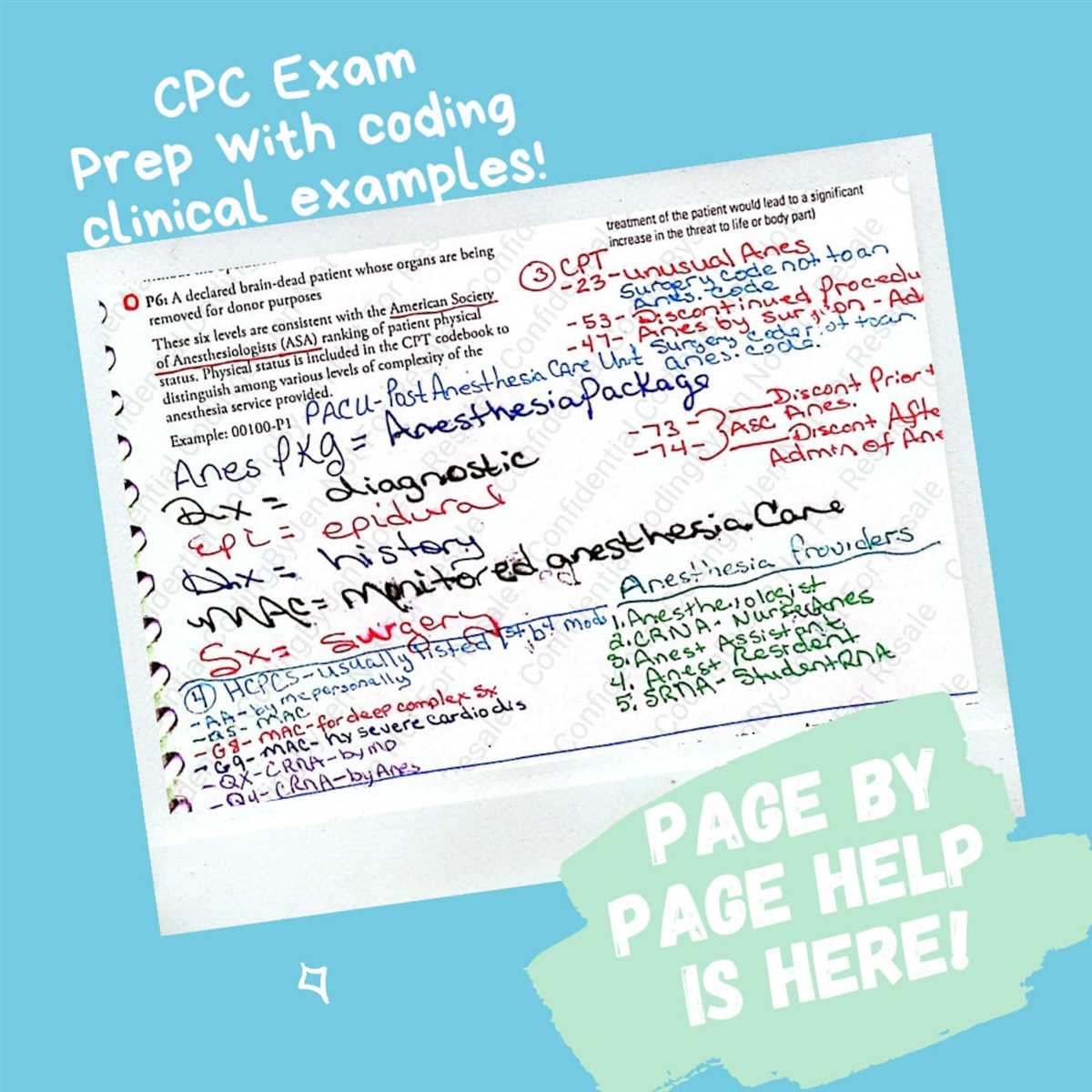
Passing the AAPC CPC exam requires thorough preparation and a solid understanding of medical coding principles. Here are some tips and strategies to help you excel in answering the exam questions:
1. Read the question carefully:
Be sure to read each question carefully and understand what is being asked before selecting your answer. Pay attention to keywords and modifiers that may change the meaning of the question or the correct answer choice.
2. Eliminate incorrect choices:
If you’re unsure about the correct answer, eliminate any choices that you know are incorrect. This will increase your chances of selecting the correct answer and narrow down your options.
3. Use the process of elimination:
If you’re stuck between two or more answer choices, use the process of elimination to eliminate the least likely options. Look for contradictions or inconsistencies in the answer choices and compare them to the information provided in the question stem.
4. Use your knowledge and experience:
Draw upon your knowledge and experience in medical coding to answer the questions. Use your understanding of coding guidelines, medical terminology, and anatomy to make educated guesses if you’re unsure about the correct answer.
5. Manage your time:
The AAPC CPC exam is timed, so it’s important to manage your time effectively. Pace yourself and allocate a specific amount of time for each question. If you get stuck on a difficult question, move on and come back to it later if you have time.
6. Practice with sample questions:
One of the best ways to prepare for the AAPC CPC exam is to practice with sample questions. This will familiarize you with the format and types of questions you can expect on the exam. AAPC provides sample questions and practice exams that you can use for study.
By following these tips and strategies, you’ll be well-prepared to answer AAPC CPC exam questions and increase your chances of passing the exam. Remember to stay calm, focused, and confident during the exam, and trust in your training and knowledge.
Common Topics and Areas Covered in the AAPC CPC Exam
The AAPC CPC exam is a comprehensive examination that tests knowledge and skills in various areas of medical coding. It covers a wide range of topics that are important for medical coders to be proficient in. Here are some of the common topics and areas that are covered in the AAPC CPC exam:
Anatomy and Physiology:
Knowledge of human anatomy and physiology is essential for accurate medical coding. This section of the exam tests a coder’s understanding of the different body systems, including the musculoskeletal, respiratory, cardiovascular, and digestive systems, among others. Coders need to know the structures and functions of these systems in order to assign the correct codes for procedures and diagnoses.
Medical Terminology:

Medical terminology is the language used in healthcare to describe medical conditions, procedures, and treatments. It is important for coders to have a good understanding of medical terminology to accurately code medical records. The CPC exam includes questions on common medical terms, prefixes, suffixes, and abbreviations.
CPT Coding:
The Current Procedural Terminology (CPT) code set is used by medical coders to report procedures and services performed by healthcare providers. The CPC exam tests knowledge of CPT codes and guidelines, including how to select the appropriate codes for various procedures and services, as well as understanding modifier usage and bundling rules.
ICD-10-CM Coding:
The International Classification of Diseases, 10th Edition, Clinical Modification (ICD-10-CM) is the coding system used to report diagnoses and conditions. Coders need to be familiar with the structure and guidelines of the ICD-10-CM coding system in order to accurately assign codes for diagnoses. The CPC exam includes questions on ICD-10-CM coding conventions, guidelines, and coding specificity.
Medical Coding Guidelines:
The CPC exam tests a coder’s understanding of the official coding guidelines and conventions provided by the American Medical Association (AMA), the Centers for Medicare and Medicaid Services (CMS), and other authoritative coding sources. Coders need to know how to apply these guidelines to accurately assign codes for various medical scenarios.
In addition to these topics, the AAPC CPC exam also covers medical record documentation, reimbursement methodologies, healthcare regulations, and ethical coding practices. It is important for coders to have a well-rounded understanding of these areas in order to pass the exam and demonstrate their proficiency in medical coding.
Practice Questions to Help You Prepare for the AAPC CPC Exam
Preparing for the AAPC CPC exam can be a challenging task, but practicing with sample questions can help you build confidence and improve your chances of success. Here are some practice questions that cover key topics commonly tested in the exam:
1. Medical Coding
- Which of the following CPT codes is used to report an evaluation and management (E&M) service for a new patient?
- What category of ICD-10-CM codes is used to report diseases and conditions that are not fully confirmed or ruled out?
- When coding for anesthesia services, which modifier is used to indicate a reduced level of anesthesia?
2. Medicare Guidelines
- True or False: Medicare requires a face-to-face encounter with a patient before certain services can be reimbursed.
- Which modifier is used when billing Medicare for a service that was provided as part of a clinical trial?
- Which resource is used to determine the amount Medicare will reimburse for a specific service?
3. Compliance and Ethical Considerations
- What is the purpose of the OIG Compliance Program Guidance for Individual and Small Group Physician Practices?
- What is the maximum penalty for knowingly submitting false claims under the False Claims Act?
- What is the role of the Office of Civil Rights in ensuring HIPAA compliance?
By practicing with questions like these, you can familiarize yourself with the format and content of the AAPC CPC exam. Remember to review explanations for correct and incorrect answers to further enhance your understanding. Good luck with your exam preparation!
Conclusion
Preparing for and taking the AAPC CPC exam can be a challenging but rewarding experience for individuals looking to pursue a career in medical coding. It is important to familiarize oneself with the AAPC’s guidelines, study the relevant coding concepts and guidelines, and practice with sample questions in order to improve chances of success.
By following the guidelines provided by the AAPC, candidates can ensure that they are well-prepared for the exam and have a clear understanding of what to expect. The exam covers a wide range of topics, including medical terminology, anatomy, and coding guidelines, so it is crucial to dedicate sufficient time and effort to study.
Remember that the AAPC CPC exam is a timed exam, so manage your time wisely and stay calm and focused during the test. Utilize available resources, such as study guides, practice exams, and online forums, to enhance your understanding and improve your performance.
Passing the AAPC CPC exam can open up doors to exciting career opportunities in medical coding. Take advantage of the resources and guidelines provided by the AAPC, and put in the necessary effort and dedication to increase your chances of success.