How to Ace Actuary Exams: Boosting Your Pass Rate

The actuary profession is known for its demanding and rigorous certification process. Actuaries are highly skilled professionals who specialize in assessing and managing financial risks and uncertainties. To become a certified actuary, individuals must pass a series of exams that test their knowledge and proficiency in various areas of actuarial science.
One of the key metrics that aspiring actuaries are interested in is the pass rate for these exams. The pass rate provides insight into the difficulty level of the exams and serves as a benchmark for measuring individual performance. It also helps prospective candidates to gauge their chances of success and plan their study strategy accordingly.
The actuary exam pass rate varies depending on the level of difficulty of the exam and the number of candidates who take it. Generally, the higher-level exams have lower pass rates due to their complexity and comprehensive nature. This is to ensure that only individuals with a high level of expertise and understanding of the subject matter become certified actuaries.
Actuarial organizations and societies, such as the Society of Actuaries (SOA) and the Casualty Actuarial Society (CAS), regularly publish pass rate statistics to provide transparency and guidance to candidates. These statistics may also include additional information, such as the average study hours required to pass the exam and the overall success rate for first-time takers.
What is the Actuary Exam Pass Rate?

The actuary exam pass rate refers to the percentage of candidates who successfully pass the actuarial exams required to become a certified actuary. These exams are known for their difficulty and are designed to test a candidate’s knowledge and skills in various actuarial topics, such as mathematics, statistics, probability, finance, and economics.
The actuary exam pass rate varies depending on the specific exam and the candidate’s level of preparation. Generally, the pass rate for actuary exams is relatively low, with some exams having pass rates as low as 30% or even less. This is because these exams are designed to assess the knowledge and ability of candidates in a highly specialized field.
Actuarial societies and organizations that offer these exams usually publish pass rate statistics to provide candidates with an understanding of the difficulty of the exams and to help them gauge their chances of success. These pass rate statistics can also serve as a motivator for aspiring actuaries to improve their study methods and increase their chances of passing the exams.
It’s important to note that the actuary exam pass rate can be influenced by various factors, such as the level of difficulty of the exam, the quality and effectiveness of study materials and resources available to candidates, and the preparation and dedication of individual candidates. Therefore, candidates are encouraged to thoroughly prepare for these exams by utilizing study guides, practice exams, and other resources to increase their chances of passing and becoming certified actuaries.
Factors that Affect the Actuary Exam Pass Rate

The pass rate for actuary exams can be influenced by various factors. One of the most crucial factors is the level of preparation undertaken by the candidates. Actuary exams are known for their complexity and require extensive studying and practice. Candidates who dedicate enough time and effort to studying have a higher chance of passing the exams.
Another factor that affects the pass rate is the quality of study materials and resources used by the candidates. Actuarial organizations and educational institutions provide study materials and textbooks that cover the topics included in the exams. Candidates who have access to comprehensive and up-to-date study materials are more likely to perform well and pass the exams.
In addition, the pass rate can also be influenced by the candidate’s academic background and prior knowledge. Actuarial science involves a strong foundation in mathematics, statistics, and finance. Candidates with a strong academic background in these subjects may have an advantage over those with weaker foundations.
The difficulty level of the exams can also affect the pass rate. Actuarial organizations continuously evaluate and update the exams to ensure they are relevant and challenging. As a result, some exams may have a higher difficulty level than others, leading to fluctuations in the pass rate.
Lastly, the pass rate can be influenced by the overall competitiveness of the actuarial profession. Actuaries are in high demand due to their expertise in risk management and financial analysis. As a result, the profession attracts a large number of candidates, leading to increased competition and potentially lower pass rates.
- Dedication and preparation
- Quality of study materials
- Academic background and prior knowledge
- Difficulty level of the exams
- Competitiveness of the actuarial profession
Difficulty Level of the Exam
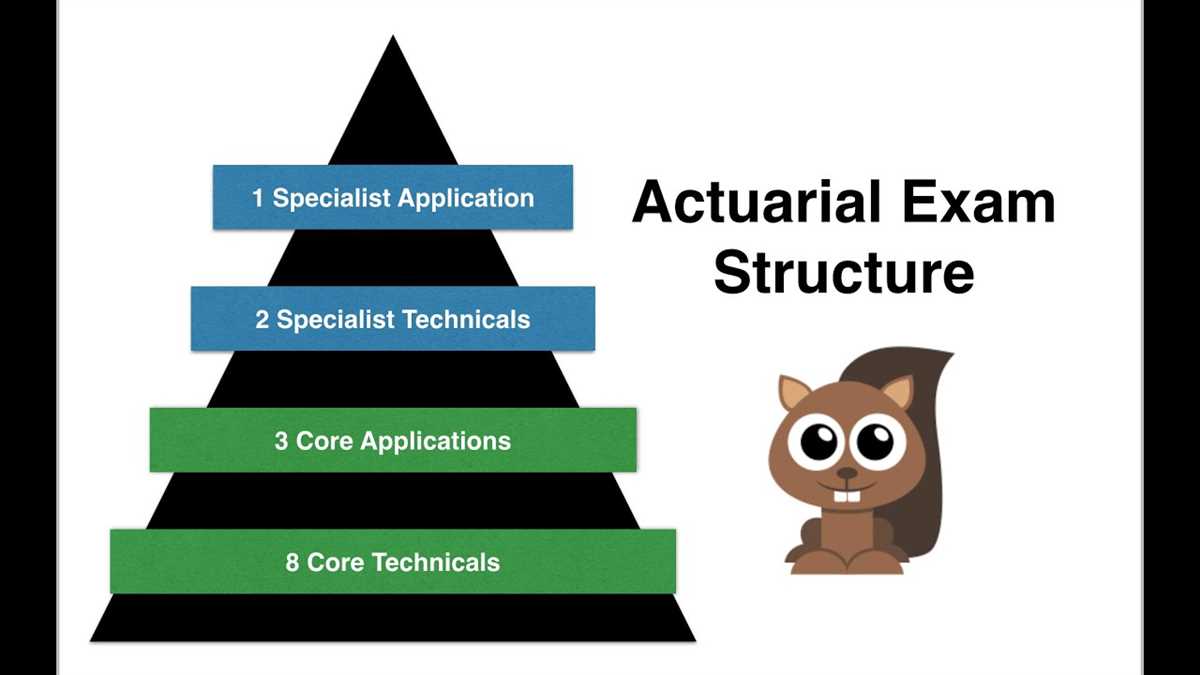
The actuary exam is widely known for its challenging nature. The difficulty level of the exam is designed to ensure that only the most qualified individuals become actuaries. The examination assesses a broad range of topics such as mathematical concepts, statistical methods, and financial theory, requiring candidates to have a deep understanding of these subjects.
The actuary exam pass rate reflects the difficulty of the exam. It is no surprise that the pass rate is relatively low, indicating the rigorous nature of the assessment. Many candidates spend months, or even years, preparing for the exam to increase their chances of success. The exam requires candidates to not only possess knowledge but also have excellent problem-solving and critical thinking skills.
The exam is divided into multiple parts, with each part covering a specific area of actuarial practice. Each part consists of written questions, multiple choice questions, and practical problems that test the candidates’ ability to apply their knowledge to real-world scenarios. The complexity of the exam questions increases as candidates progress through the different levels.
In addition to the technical knowledge required, the exam also evaluates the candidates’ communication and presentation skills. Actuaries often need to explain complex ideas and recommendations to non-technical stakeholders, so being able to clearly and effectively communicate their findings is crucial.
Overall, the difficulty level of the actuary exam is high, but it is necessary to ensure that only the most qualified individuals become actuaries. It requires a significant investment of time and effort to pass the exam, but the rewards of becoming a certified actuary are well worth it.
Preparation and Study Time

Preparing for actuarial exams requires a significant amount of time and dedication. Actuaries need to have a strong understanding of mathematics, statistics, and finance, and they must be able to apply these concepts to real-world scenarios. As a result, it is important for aspiring actuaries to allocate enough time to study and prepare for their exams.
The amount of time needed for exam preparation can vary depending on the individual’s prior knowledge and experience. However, most actuaries recommend spending at least 300 hours studying for each exam. This includes reviewing textbooks, attending preparatory courses, practicing sample questions, and taking mock exams. It is also important to start studying well in advance, as the material covered in these exams is comprehensive and requires thorough understanding.
It is worth mentioning that the pass rate for actuarial exams is relatively low. In fact, on average, only about 40-50% of candidates pass each exam. This highlights the importance of thorough preparation and effective study strategies.
When preparing for actuarial exams, it is important to create a structured study plan. This can include setting specific goals, such as covering a certain number of chapters or completing a certain number of practice problems each week. Breaking down the material into manageable chunks can help to avoid feeling overwhelmed and ensure that all topics are adequately covered. It is also beneficial to establish a regular study routine and allocate dedicated study time each day or week.
Utilizing study materials such as textbooks, online resources, and study guides is crucial for exam success. Actuarial societies and organizations also provide resources and study materials that can help candidates prepare for their exams. Additionally, joining study groups or seeking the assistance of a tutor can provide valuable support and guidance throughout the exam preparation process.
In summary, preparing for actuarial exams requires significant time and effort. It is important to allocate enough study time, create a structured study plan, and utilize various study materials and resources. By following these guidelines and adopting effective study strategies, aspiring actuaries can increase their chances of passing the exams and achieving their professional goals.
Previous Education and Experience

When it comes to achieving a high pass rate on actuary exams, previous education and experience play a crucial role. Actuary exams are known for their complexity and challenging nature, requiring candidates to have a strong foundation in mathematics, statistics, and other related disciplines.
One key factor that contributes to success on actuary exams is the level of education that candidates have obtained prior to taking the exam. Most successful candidates have earned a bachelor’s degree or higher in actuarial science, mathematics, statistics, or a related field. These degrees provide the necessary theoretical knowledge and analytical skills needed to excel on the exams.
Additionally, practical experience in the field of actuarial science is also highly valued. Many candidates who pass actuary exams have gained experience working as interns or entry-level actuarial analysts. This experience allows them to apply the theoretical knowledge they have learned in a real-world setting, honing their problem-solving abilities and giving them an edge when it comes to facing the challenges presented on the exams.
Furthermore, candidates who have completed actuarial internships or have relevant work experience have the advantage of being familiar with the type of work actuaries do. This familiarity not only helps them grasp the concepts and theories covered in the exams more easily but also enables them to effectively utilize actuarial techniques and principles during the exam.
Overall, previous education and experience play a significant role in determining the pass rate on actuary exams. Candidates with a strong educational background and practical experience are more likely to succeed as they possess the necessary knowledge, skills, and familiarity with the subject matter. However, it is important to note that while education and experience are important factors, they are not the only ones. Dedication, discipline, and thorough preparation are equally crucial in achieving a high pass rate on actuary exams.
Quality of Study Resources

When preparing for actuary exams, having access to high-quality study resources is crucial. These resources play a significant role in providing candidates with the necessary knowledge, skills, and practice material to pass the exams. However, not all study resources are created equal, and finding the right ones can make a significant difference in exam preparation.
Comprehensive Study Guides: A high-quality study resource should include comprehensive study guides that cover all the topics and concepts tested in the actuary exams. These guides should provide clear explanations, relevant examples, and practice problems to help candidates understand and apply the material effectively.
Practice Exams: Practice exams are essential for exam preparation as they help candidates familiarize themselves with the exam format, timing, and difficulty level. Quality study resources should include a significant number of practice exams, ideally designed to simulate the real exam experience. These exams should cover a wide range of topics and difficulty levels, allowing candidates to assess their progress and identify areas they need to improve.
Online Learning Platforms: In today’s digital age, online learning platforms have become an invaluable resource for exam preparation. High-quality study resources should provide access to interactive online platforms that offer additional study materials, video lectures, and online forums for candidates to connect with fellow exam-takers and subject matter experts. These platforms enhance the learning experience and provide candidates with opportunities for collaborative learning and clarifying doubts.
Reputation and Reviews: When choosing study resources, it is essential to consider the reputation and reviews of the resource provider. Look for study resources that have been developed by reputable organizations or experts in the field. Seek feedback from other candidates who have used the resources to gauge their effectiveness and suitability for your study needs.
Continuous Updates: Actuary exams evolve over time, with new topics and concepts being added or modified. Therefore, quality study resources should be regularly updated to ensure they align with the current exam syllabus and content. This ensures that candidates are studying the most relevant and up-to-date material, maximizing their chances of success.
In conclusion, the quality of study resources plays a crucial role in actuary exam preparation. Comprehensive study guides, practice exams, online learning platforms, reputable reputation and reviews, and continuous updates are all factors to consider when choosing study resources. By selecting high-quality resources, candidates can enhance their understanding of the material, improve their exam readiness, and increase their chances of passing the actuary exams.
Test-taking Strategies

When it comes to preparing for and taking actuarial exams, having a solid test-taking strategy can greatly improve your chances of success. Here are some key strategies to keep in mind:
1. Understand the exam format: Before you even start studying, make sure you fully understand the format of the exam. Know the number and types of questions you will be facing, as well as the time limits for each section. This will help you plan your study time effectively and allocate your time during the actual exam.
2. Create a study plan: Develop a study plan that breaks down the material into manageable chunks. Set specific goals for each study session and track your progress. This will help you stay organized and make sure you cover all the necessary topics before the exam.
3. Practice, practice, practice: Actuarial exams require a lot of practice to master the concepts and develop the necessary problem-solving skills. Take advantage of practice exams and sample questions provided by official sources or study materials. The more you practice, the more comfortable you will become with the exam format and the better prepared you will be on exam day.
4. Focus on the high-weighted topics: While it is important to cover all the exam topics, it is also important to prioritize your studying. Focus more of your time and effort on the topics that have a higher weighting in the exam. This will ensure that you are maximizing your chances of earning points in areas that carry more weight.
5. Time management during the exam: During the exam, it is crucial to manage your time effectively. Read each question carefully and allocate your time based on the weight and complexity of each question. If you get stuck on a question, move on and come back to it later if you have time. Avoid spending too much time on a single question at the expense of other questions.
6. Stay calm and confident: Exams can be stressful, but it is important to stay calm and confident throughout the process. Trust in your preparation and abilities. Take deep breaths if you feel overwhelmed and remind yourself that you have put in the work and have the knowledge to succeed.
By following these test-taking strategies, you can improve your chances of passing actuarial exams and achieving your goals in the field of actuarial science. Remember that preparation and practice are key, and that staying focused and confident during the exam can make all the difference.
Tips for Improving Your Actuary Exam Pass Rate

Preparing for actuary exams can be a challenging and time-consuming process, but with the right strategies, you can improve your chances of passing. Here are some tips to help you achieve a higher actuary exam pass rate:
- Start Early: Procrastination is not your friend when it comes to actuary exams. Begin studying well in advance to allow yourself enough time to cover all the necessary material.
- Create a Study Schedule: Plan out your study time and stick to a schedule. Breaking the material into smaller, manageable chunks will make it easier to absorb and remember.
- Understand the Exam Format: Familiarize yourself with the structure of the exam, including the number of questions, time limits, and the weighting of each section. This will help you allocate your time effectively during the exam.
- Practice, Practice, Practice: Take advantage of practice exams and sample questions to gauge your knowledge and identify areas where you need improvement. Actively working through problems will strengthen your understanding and problem-solving skills.
- Utilize Study Resources: Take advantage of study resources such as textbooks, online courses, and actuarial study guides. These resources provide additional explanations, examples, and practice problems to supplement your study materials.
- Join a Study Group: Collaborating with others who are also preparing for actuary exams can provide valuable insights and support. Participating in a study group can help you clarify concepts, learn from others’ perspectives, and stay motivated.
- Review and Reflect: After each study session, review the material covered and reflect on what you have learned. This will reinforce your understanding and help you identify any gaps in your knowledge.
- Take Care of Yourself: It’s important to prioritize self-care during the exam preparation period. Make sure to get enough sleep, exercise regularly, and eat well. Taking breaks and managing stress will help you maintain focus and perform at your best.
Incorporating these tips into your study routine can greatly improve your actuary exam pass rate. Remember, success requires dedication, persistence, and a strategic approach to studying. Good luck!
Q&A:
How can I improve my actuary exam pass rate?
To improve your actuary exam pass rate, make sure to thoroughly understand the material covered in the exam syllabus. Dedicate sufficient time to studying and practice solving problems related to the exam topics. Utilize study materials, such as textbooks, online resources, and study groups. Take advantage of practice exams to get familiar with the format and time constraints of the actual exam. Additionally, seek guidance from experienced actuaries or professionals who have successfully passed the exams.
What study materials should I use to prepare for actuary exams?
There are various study materials you can use to prepare for actuary exams. Some popular options include the textbooks recommended by the Society of Actuaries (SOA) or the Casualty Actuarial Society (CAS) for the specific exam you are taking. These textbooks cover the exam syllabus in detail and often include practice problems. Online resources, such as video lectures, online courses, and practice exams, can also be helpful additions to your study materials. Study guides, flashcards, and study groups can further assist in your preparation.
How can I effectively manage my study time for actuary exams?
To effectively manage your study time for actuary exams, create a study schedule that includes dedicated time slots for each topic or chapter. Prioritize the topics that you find more challenging or that are more heavily weighted in the exam. Break down the material into smaller sections and set specific goals for each study session. Avoid cramming and allow for regular breaks to retain information better. Identify your most productive study times during the day and utilize them effectively. Regularly evaluate your progress and make adjustments to your study schedule as needed.
What strategies can I use during the actuary exam to increase my chances of passing?
During the actuary exam, it is essential to manage your time effectively. Read the questions carefully and allocate your time based on the point value of each question. Skip difficult questions initially and come back to them later if time allows. Focus on answering the questions you are confident about first. Show all your work and calculations to maximize partial credit. Check your answers for accuracy and make sure you have not made any careless mistakes. Stay calm and composed throughout the exam to maintain focus and concentration.