Test your knowledge with this challenging anatomy and physiology chapter 4 practice test
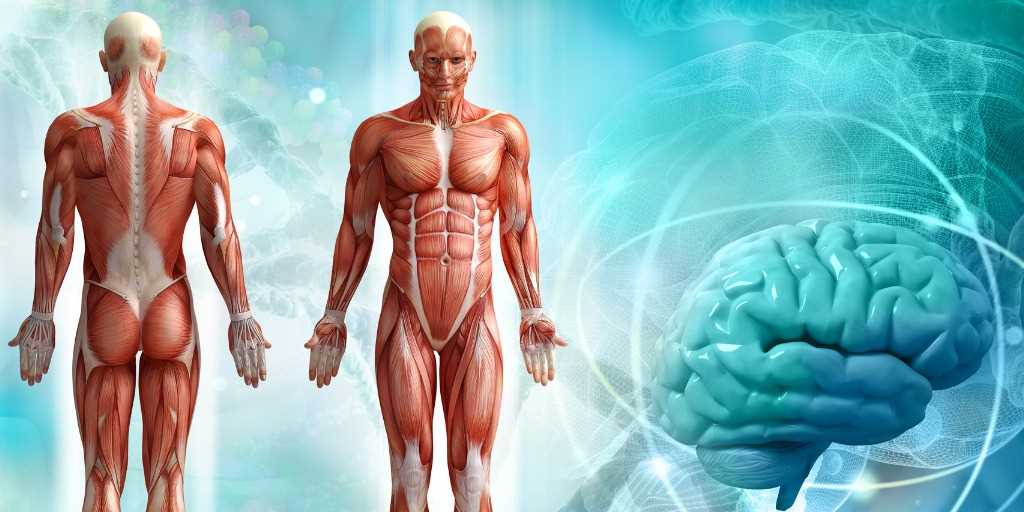
Welcome to the anatomy and physiology chapter 4 practice test! This test will assess your knowledge and understanding of the concepts covered in chapter 4 of your anatomy and physiology textbook. Chapter 4 focuses on the tissue level of organization, which is the study of how cells combine to form tissues and how tissues combine to form organs.
During this practice test, you will be presented with a series of multiple-choice questions that relate to the different types of tissues found in the human body, their functions, and their characteristics. By completing this practice test, you will be able to assess your understanding of the material and identify any areas where you may need further review.
It is important to note that this practice test is not meant to replace studying or reading the textbook. Instead, it should be used as a tool to reinforce your learning and highlight areas of strength and weakness. Make sure to review the relevant chapters and consult with your instructor if you have any questions or need clarification on any of the concepts covered in this practice test.
Good luck with the practice test, and remember to take your time and read each question carefully before selecting your answer. Understanding the tissue level of organization is crucial for understanding the structure and function of the human body, so be sure to give this practice test your best effort!
Anatomy and Physiology Chapter 4 Practice Test: Your Ultimate Guide
Are you preparing for your anatomy and physiology exam? Look no further! This ultimate guide will provide you with everything you need to know for Chapter 4. From the key concepts to the important definitions, we’ve got you covered.
Chapter Overview:
In Chapter 4, we delve into the fascinating topic of tissues. You will learn about the various types of tissues in the human body, their functions, and how they work together to form organs and systems. This chapter is essential for understanding the structure and organization of the human body.
Key Concepts:
- Tissue types: There are four primary types of tissues in the body, namely epithelial tissue, connective tissue, muscle tissue, and nervous tissue. Each type has unique characteristics and functions.
- Epithelial tissue: This type of tissue covers the body’s surfaces and lines its cavities. It serves as a protective barrier, regulates the exchange of substances, and provides sensory information.
- Connective tissue: Connective tissue connects, supports, and protects other tissues and organs. It includes various types such as loose connective tissue, dense connective tissue, and specialized connective tissue like bone and blood.
- Muscle tissue: Muscle tissue is responsible for movement in the body. There are three types of muscle tissue: skeletal muscle, smooth muscle, and cardiac muscle. Each type has distinct features and functions.
- Nervous tissue: Nervous tissue makes up the brain, spinal cord, and nerves. It is essential for communication within the body and controls various bodily functions.
Definitions:
Make sure you understand these key definitions for Chapter 4:
- Organ: A structure composed of two or more tissues working together to perform a specific function.
- Tissue: A group of similar cells that work together to perform a specific function.
- Epithelium: The outermost layer of cells that covers the body’s surface and lines its cavities.
- Connective tissue: A type of tissue that supports, connects, and protects other tissues and organs.
- Muscle tissue: A type of tissue responsible for movement in the body.
- Nervous tissue: A type of tissue that controls communication and coordination within the body.
By studying and understanding these key concepts and definitions, you’ll be well-prepared for your anatomy and physiology exam. Good luck!
Overview of Chapter 4: The Structure and Function of Tissues
In Chapter 4, we will delve into the fascinating world of tissues and explore their intricate structure and diverse functions. Tissues are the building blocks of our bodies and play a crucial role in maintaining overall health and functioning. Understanding the structure and function of tissues is essential in comprehending the complex systems that allow our bodies to function optimally.
We will begin by examining the four main types of tissues: epithelial, connective, muscle, and nervous tissues. Epithelial tissues cover and line various parts of the body and serve protective and absorptive functions. Connective tissues, on the other hand, support and connect different body parts, providing structural integrity and flexibility. Muscle tissues enable movement and include skeletal, cardiac, and smooth muscle. Finally, nervous tissues are responsible for transmitting electrical signals and coordinating bodily functions.
- Epithelial Tissues: We will explore the different types of epithelial tissues, such as squamous, cuboidal, and columnar, and learn about their specific functions in various organs and body systems.
- Connective Tissues: We will dive into the world of connective tissues, including loose and dense connective tissues, cartilage, bone, and blood. We will also discuss the unique properties and roles of each type of connective tissue.
- Muscle Tissues: This section will focus on the three types of muscle tissues: skeletal, cardiac, and smooth. We will examine their characteristic features, locations, and functions.
- Nervous Tissues: Finally, we will explore the intricate world of nervous tissues. We will learn about neurons, glial cells, and the structures that make up the nervous system. We will also delve into the process of nerve impulse transmission and how it coordinates various bodily functions.
By the end of this chapter, you will have a comprehensive understanding of the structure and function of tissues and how they contribute to the overall functioning of the human body. Whether you are studying anatomy, physiology, or a related field, this knowledge will be invaluable in your pursuit of understanding the complexities of the human body.
Preparing for Your Anatomy and Physiology Chapter 4 Test
Studying for an anatomy and physiology test can be challenging, but with the right approach, you can feel confident and prepared. Chapter 4 focuses on the integumentary system, which includes the skin, hair, nails, and glands. To excel on your upcoming test, it is essential to review and understand the key concepts and structures within this system.
Start by reviewing the layers of the skin:
- The epidermis, which is the outermost layer that provides protection
- The dermis, which contains blood vessels, nerves, and sensory receptors
- The hypodermis, which is the deepest layer and consists of adipose tissue
Next, familiarize yourself with the functions of the skin:
- Protection against pathogens and harmful substances
- Regulation of body temperature
- Sensation and perception of touch, pressure, and pain
- Production of vitamin D
Don’t forget to study the accessory structures of the skin:
- Hair, which helps protect the skin and regulate temperature
- Nails, which provide support and protection for the fingertips
- Sweat glands, which help regulate body temperature through perspiration
- Sebaceous glands, which secrete sebum to moisturize the skin and hair
Additionally, make sure to review any class notes, textbook readings, and any practice questions or quizzes provided by your instructor. It may also be helpful to create a study guide or flashcards to aid in memorization and understanding of key terms and concepts.
On the day of the test, be sure to get a good night’s sleep and eat a healthy breakfast to ensure you are alert and focused. During the test, take your time and read each question carefully. If you’re unsure of an answer, eliminate any obviously incorrect choices and make an educated guess.
By following these tips and putting in the necessary study time, you can feel confident and prepared for your anatomy and physiology chapter 4 test. Good luck!
Understanding Tissue Types: Epithelial, Connective, Muscle, and Nervous Tissues

When studying human anatomy and physiology, it is important to have a thorough understanding of the different types of tissues that make up the body. There are four main types of tissues: epithelial, connective, muscle, and nervous tissues. Each type of tissue plays a unique role in the overall function and structure of the body.
Epithelial tissue is found in the lining of various organs and surfaces of the body. It serves as a protective barrier and is responsible for absorbing nutrients, excreting waste, and regulating the exchange of substances between the body and its environment. There are different types of epithelial tissues, including stratified epithelium, simple columnar epithelium, and pseudostratified columnar epithelium.
Connective tissue is responsible for providing support and structure to the body. It is made up of cells and extracellular matrix, which consists of proteins and other substances. Connective tissue can be found throughout the body, including in tendons, ligaments, bones, and blood. Some examples of connective tissue include adipose tissue, cartilage, and blood.
Muscle tissue is responsible for movement and contraction in the body. There are three types of muscle tissue: skeletal, cardiac, and smooth. Skeletal muscle is attached to bones and allows for voluntary movement. Cardiac muscle is found in the heart and is responsible for pumping blood. Smooth muscle is found in the walls of organs and blood vessels and is responsible for involuntary movements.
Nervous tissue is found in the brain, spinal cord, and nerves. It is responsible for transmitting and processing signals throughout the body. Nerve cells, or neurons, are the main component of nervous tissue and are specialized for transmitting electrical impulses. Glial cells, another type of cell in nervous tissue, provide support and protection for neurons.
In conclusion, understanding the different types of tissues in the human body is essential for comprehending the complex structure and function of our physiology. Each type of tissue plays a crucial role in maintaining homeostasis and allowing the body to perform its various functions.
Mastering Cell Types and Functions within Tissues
The human body is composed of various types of cells that work together to form tissues, which in turn make up organs and organ systems. Understanding the different cell types and their functions within tissues is essential for gaining a comprehensive understanding of human anatomy and physiology.
Epithelial cells are one of the main cell types found in tissues throughout the body. These cells line the surfaces of organs, blood vessels, and body cavities, serving as a protective barrier against external pathogens and harmful substances. They also play a role in absorption and secretion processes, and can possess specialized structures such as cilia and microvilli to aid in these functions.
Connective tissue cells are responsible for maintaining the structural integrity of tissues. These cells produce and secrete extracellular matrix components such as collagen and elastin, which provide support and flexibility to the surrounding cells. Connective tissue cells also include specialized cells like fibroblasts, adipocytes, and osteoblasts, which are involved in processes such as wound healing, fat storage, and bone formation, respectively.
- Muscle cells are highly specialized cells that contract and generate force, allowing for body movement and organ function. There are three main types of muscle cells: skeletal muscle cells, which are attached to bones and allow for voluntary movement; cardiac muscle cells, which form the walls of the heart and enable involuntary contraction; and smooth muscle cells, which line the walls of organs and regulate processes such as digestion and blood flow.
- Nerve cells, or neurons, are responsible for transmitting electrical signals throughout the body. These cells have a unique structure with dendrites that receive signals, a cell body that houses the nucleus, and an axon that transmits signals to other cells. Nerve cells are critical for coordinating movement, sensory perception, and information processing within the body.
By mastering the different cell types and their specialized functions within tissues, one can gain a deeper understanding of the complex interactions that occur within the human body. This knowledge forms the foundation for further exploration and study in the field of anatomy and physiology.
Key Concepts and Definitions for Chapter 4
In Chapter 4, we explore important concepts and definitions related to anatomy and physiology. This chapter is focused on the integumentary system, which includes the skin, hair, nails, and glands. The integumentary system is responsible for protecting the body, regulating temperature, and providing sensory information.
Epidermis: The outermost layer of the skin, composed of epithelial tissue. The epidermis is responsible for protecting the underlying tissues and organs from injury, pathogens, and water loss.
Dermis: The second layer of the skin, located beneath the epidermis. The dermis contains blood vessels, nerves, hair follicles, and glands. It provides support and nourishment to the epidermis.
Skin appendages: Structures derived from the epidermis, such as hair, nails, and cutaneous glands. These structures have various functions, including protection, sensation, and temperature regulation.
Hair: A filamentous structure that grows from the follicles found in the dermis. It serves as a protective barrier and helps regulate body temperature.
Nails: Hard, keratinized structures located on the dorsal surface of the distal phalanges. Nails provide protection to the fingertips and aid in grasping and manipulating objects.
Cutaneous glands: Glands found in the skin that secrete substances onto the surface or into hair follicles. There are two main types: sweat glands, which regulate body temperature and sebaceous glands, which secrete sebum to lubricate the skin and hair.
Skin cancer: A condition characterized by the abnormal growth of skin cells, typically caused by exposure to ultraviolet radiation from the sun. Skin cancer is the most common type of cancer, but it is often curable if detected early.
Summary
Chapter 4 focuses on the integumentary system, specifically the skin and its appendages. We discussed key concepts such as the layers of the skin (epidermis and dermis), skin appendages (hair, nails, and cutaneous glands), and common skin conditions like skin cancer. Understanding the anatomy and physiology of the integumentary system is essential for maintaining healthy skin and preventing various skin disorders.
In-Depth Review of Sample Questions and Answers for Your Anatomy and Physiology Chapter 4 Test
Preparing for an anatomy and physiology test can be quite challenging, especially when it comes to understanding complex concepts and memorizing important details. To help you ace your upcoming Chapter 4 test, we have compiled an in-depth review of sample questions and answers that cover the key topics discussed in this chapter.
Below are some sample questions and their corresponding answers to give you a better understanding of the material and improve your chances of success on the test:
- Question 1: What is the main function of the integumentary system?
Answer: The main function of the integumentary system is to protect the body from external threats, regulate body temperature, and participate in the synthesis of Vitamin D.
- Question 2: What are the three layers of the skin, and what are their functions?
Answer: The three layers of the skin are the epidermis, dermis, and hypodermis. The epidermis acts as a protective barrier, the dermis contains blood vessels and sensory receptors, and the hypodermis stores fat and provides insulation.
- Question 3: How does the skeletal system contribute to homeostasis?
Answer: The skeletal system provides support and protection for the body, allows movement, produces blood cells, and stores minerals. It also helps maintain calcium homeostasis by releasing calcium ions into the bloodstream when needed.
These are just a few examples of the type of questions you may encounter on your test. It is vital to thoroughly review the textbook, lecture notes, and any additional resources provided by your instructor to fully comprehend the concepts covered in Chapter 4.
Remember to practice answering questions and test yourself regularly to reinforce your knowledge. Additionally, try studying in small, focused sessions rather than cramming all the information at once for better retention.
Above all, stay confident and trust in your preparation. Good luck on your Anatomy and Physiology Chapter 4 test!
Q&A:
What is the purpose of an anatomy and physiology test?
The purpose of an anatomy and physiology test is to assess a student’s understanding and knowledge of the structure and function of the human body.
Why is Chapter 4 important in anatomy and physiology?
Chapter 4 in anatomy and physiology is important because it covers the study of tissues, which are the building blocks of organs and systems in the body. Understanding tissues is crucial in understanding how the body functions.
What are some sample questions that may appear on a Chapter 4 anatomy and physiology test?
Sample questions for a Chapter 4 anatomy and physiology test may include identifying different types of tissues, understanding the functions of each tissue, and recognizing the characteristics and locations of specific tissues in the body.
How can I prepare for a Chapter 4 anatomy and physiology test?
To prepare for a Chapter 4 anatomy and physiology test, you can review the textbook readings, take thorough notes, create flashcards to memorize important terms and concepts, and practice answering sample questions and quizzes.
What are some tips for answering sample questions on a Chapter 4 anatomy and physiology test?
Some tips for answering sample questions on a Chapter 4 anatomy and physiology test include carefully reading each question and all answer options, eliminating obviously incorrect options, using process of elimination to narrow down choices, and reviewing and double-checking your answers before submitting.