Mastering Anatomy and Physiology: Chapter 4 Review Questions Uncovered
Welcome to our comprehensive review of chapter 4 in anatomy and physiology! In this article, we will explore the answers to a range of review questions that cover the key concepts and principles discussed in this chapter. By understanding the answers to these questions, you will be able to deepen your knowledge of anatomy and physiology and improve your test performance.
This chapter delves into the fascinating world of tissues, the building blocks of the human body. Tissues are specialized groups of cells that work together to perform specific functions. We will explore the four primary types of tissues–epithelial, connective, muscle, and nervous–and discover their unique roles in maintaining homeostasis, protecting organs, providing structure, and facilitating communication.
Throughout this article, you will find the answers to review questions that cover topics such as the characteristics of epithelial tissues, the different types of connective tissues, the functions of muscle tissues, and the components of nervous tissues. By familiarizing yourself with these answers, you will gain a deeper understanding of the complexities of the human body and be better equipped to excel in your anatomy and physiology studies.
Anatomy and Physiology Chapter 4 Review Questions Answers
Chapter 4 of Anatomy and Physiology covers the tissues of the human body. Tissues are groups of specialized cells that work together to perform specific functions. There are four main types of tissues: epithelial, connective, muscle, and nervous. Each type has unique characteristics and functions.
Epithelial tissue covers the body’s surfaces, both inside and out. It is made up of tightly packed cells that form sheets or layers. Epithelial tissues are classified based on their shape (squamous, cuboidal, or columnar) and their arrangement (simple or stratified). They line the organs and cavities, protect underlying tissues, and regulate the exchange of nutrients and waste.
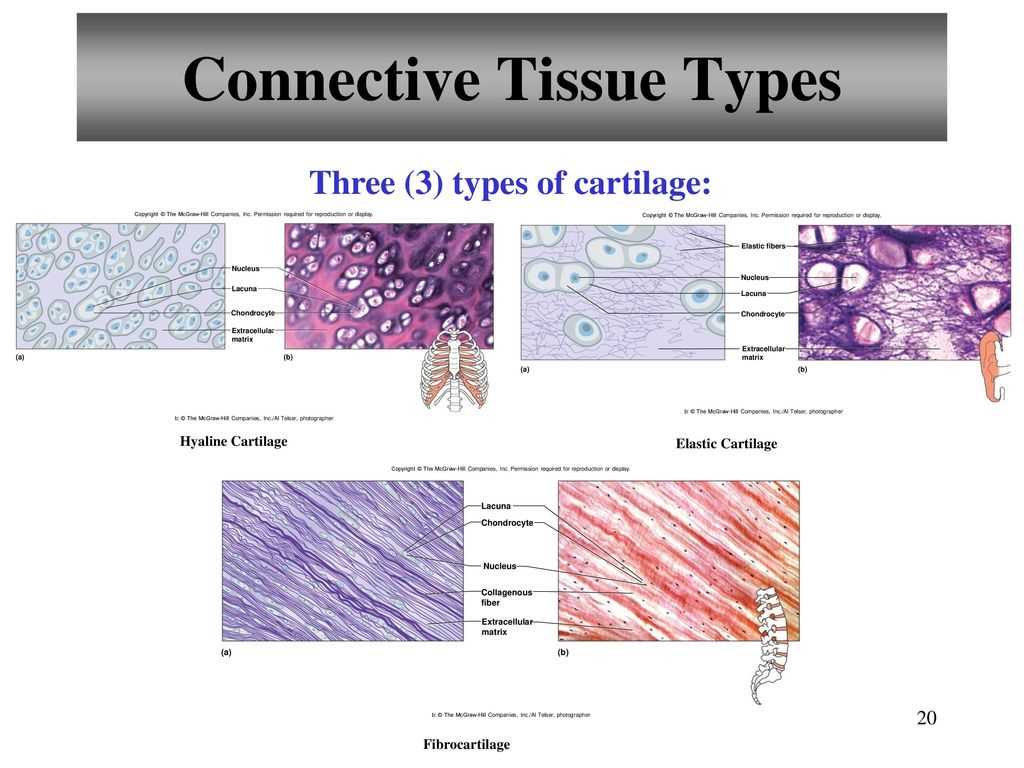
Connective tissue is the most abundant and diverse type of tissue in the body. It is made up of cells and an extracellular matrix, which consists of fibers and ground substance. Connective tissues support, protect, and bind other tissues together. There are many types of connective tissues, including loose connective tissue, adipose tissue, cartilage, bone, and blood.
Muscle tissue is responsible for movement in the body. There are three types of muscle tissue: skeletal, cardiac, and smooth. Skeletal muscle is attached to bones and is responsible for voluntary movements. Cardiac muscle is found in the heart and contracts rhythmically to pump blood. Smooth muscle is found in the walls of organs and blood vessels and helps with involuntary movements.
Nervous tissue is specialized for communication and control. It consists of neurons, which transmit electrical signals, and neuroglial cells, which support and protect neurons. Nervous tissue is found in the brain, spinal cord, and nerves, and it allows us to think, perceive, and control our actions.
Understanding the different types of tissues is essential for understanding how the body works as a whole. Each tissue type plays a unique role in maintaining homeostasis and ensuring the proper functioning of organs and systems. By studying the anatomy and physiology of tissues, we can gain a deeper understanding of the complexity and interconnectedness of the human body.
The Basics of Anatomy and Physiology
Anatomy and physiology are two closely related fields of study that focus on the structure and function of the human body. Anatomy is the study of the physical structures of the body, from macroscopic organs to microscopic cells. Physiology, on the other hand, is the study of how these structures function and interact to maintain the body’s overall health and homeostasis.
Understanding the basics of anatomy and physiology is essential for anyone interested in pursuing a career in healthcare or related fields. It provides the foundation for further study and allows healthcare professionals to better understand and diagnose various health conditions.
Anatomy
Anatomy can be further divided into several sub-disciplines, including gross anatomy, histology, and cytology. Gross anatomy involves the study of large structures that can be seen with the naked eye, such as organs, bones, and muscles. Histology focuses on the microscopic study of tissues and cells, while cytology specifically looks at individual cells and their structures.
Physiology
Physiology encompasses a wide range of functions and processes, including the nervous system, cardiovascular system, respiratory system, and much more. It involves the study of how these systems work together to regulate bodily functions, such as breathing, digestion, and circulation.
- Homeostasis: One of the fundamental concepts in physiology is homeostasis, which refers to the body’s ability to maintain a stable internal environment despite external changes. This balance is crucial for optimal functioning and health.
- Integration and regulation: The body’s various systems must work together to coordinate and regulate functions. This involves complex processes of signaling and communication between different cells, tissues, and organs.
- Disease and disorders: Understanding anatomy and physiology is essential for identifying and treating diseases and disorders. By understanding how the body normally functions, healthcare professionals can better diagnose and develop appropriate treatment plans.
In conclusion, anatomy and physiology are interconnected disciplines that provide a deep understanding of the human body’s structure and function. They serve as the foundation for healthcare professions and play a crucial role in diagnosing and treating various health conditions. By studying these subjects, individuals can gain valuable insights into the complex workings of the human body.
Overview of Chapter 4
The fourth chapter of Anatomy and Physiology focuses on the structure and function of tissues. Tissues are groups of similar cells that work together to perform a specific function. They are the building blocks of organs and systems in the body.
In this chapter, you will learn about the four main types of tissues in the human body: epithelial, connective, muscle, and nervous. Each type of tissue has its own unique characteristics and functions. Epithelial tissue lines and covers body surfaces, connective tissue provides support and connects different parts of the body, muscle tissue enables movement, and nervous tissue allows for communication and coordination.
Epithelial tissue is classified based on its shape and arrangement of cells. It can be simple (consisting of a single layer of cells) or stratified (consisting of multiple layers of cells). Epithelial tissue is further categorized into squamous (flat and thin), cuboidal (cube-shaped), or columnar (elongated and column-like) cells. It is found in the skin, inner lining of organs, and glands.
Connective tissue is characterized by its extracellular matrix, which consists of protein fibers and ground substance. Connective tissue includes various types such as loose connective tissue, dense connective tissue, adipose tissue, cartilage, bone, and blood. It provides support, protection, and transportation within the body.
Muscle tissue is responsible for generating force and producing movement. There are three types of muscle tissue: skeletal, smooth, and cardiac. Skeletal muscle is attached to bones and enables voluntary movements. Smooth muscle lines the walls of organs and allows for involuntary movements. Cardiac muscle is found in the heart and is responsible for its contraction and pumping action.
Nervous tissue is specialized for communication and control. It consists of neurons and glial cells. Neurons transmit electrical signals, while glial cells provide support and protection. Nervous tissue forms the brain, spinal cord, and nerves, allowing for sensory perception, motor control, and information processing.
This chapter provides a comprehensive understanding of the different types of tissues in the body, their structure, and their functions. It lays the foundation for further exploration of organ systems and their interactions in later chapters.
Review Questions

The review questions in this chapter will test your knowledge and understanding of the anatomy and physiology of the human body. It is important to review these questions to ensure that you have grasped the key concepts and can apply them to different scenarios. The answers to these review questions will help you assess your understanding and identify areas that may need further study.
1. What is the difference between anatomy and physiology?
Answer: Anatomy is the study of the structure and organization of the human body, while physiology is the study of the functions and processes of the body.
2. Explain the concept of homeostasis.
Answer: Homeostasis is the ability of the body to maintain a stable internal environment despite external changes. It involves various control mechanisms that monitor and regulate factors such as temperature, pH, and blood pressure to ensure optimal functioning of the body.
3. How are cells organized into tissues?
Answer: Cells with similar functions and structures come together to form tissues. There are four main types of tissues in the body: epithelial tissue, connective tissue, muscle tissue, and nervous tissue.
4. What is the role of the integumentary system?
Answer: The integumentary system is responsible for protecting the body from external environmental factors, regulating body temperature, and sensation. It consists of the skin, hair, nails, and various glands.
These review questions cover a range of topics and will help you solidify your understanding of the anatomy and physiology of the human body. Make sure to thoroughly review the answers and seek clarification if needed. Good luck!
Answers to Review Questions
In this section, we will provide the answers to the review questions from Chapter 4 of the Anatomy and Physiology textbook.
1. Define tissue.
Tissue is a group of similar cells that work together to perform a specific function within an organ or organ system. There are four primary types of tissue in the human body: epithelial, connective, muscle, and nervous.
2. What are the major functions of epithelial tissue?
The major functions of epithelial tissue include protecting underlying structures, regulating the exchange of materials between internal and external environments, lining cavities and tubes, and producing specialized secretions.
3. Describe the characteristics of connective tissue.
Connective tissue is characterized by having a matrix that separates and supports cells. It also provides structural support to other tissues and organs, connects and binds tissues together, transports materials, stores energy, and defends against infections.
4. What are the three types of muscle tissue?
The three types of muscle tissue are skeletal muscle, cardiac muscle, and smooth muscle. Skeletal muscle is attached to bones and is responsible for voluntary movements. Cardiac muscle is found in the heart and contracts to pump blood. Smooth muscle is found in the walls of internal organs and blood vessels and is responsible for involuntary movements.
5. Explain the function of nervous tissue.
Nervous tissue is responsible for receiving, processing, and transmitting information through electrical impulses. It forms the communication network of the body and allows for coordination and control of bodily functions.
6. How does tissue repair occur?
Tissue repair occurs through a process called regeneration or fibrosis. Regeneration involves the replacement of damaged or dead cells with new cells of the same type. Fibrosis, on the other hand, involves the formation of scar tissue, which is composed of connective tissue, to repair the damaged area.
7. What are the possible outcomes of tissue injury?
The possible outcomes of tissue injury include complete resolution, where the tissue returns to its normal function and structure; regeneration, where damaged cells are replaced with new cells of the same type; and fibrosis, where scar tissue forms to repair the damaged area.
8. How do tissues change with age?

With age, tissues undergo various changes. These changes include a decrease in the regenerative capacity of tissues, increased fibrosis, reduced elasticity and flexibility of connective tissues, and a decrease in the production of certain hormones and enzymes.
9. What is histology?
Histology is the study of tissues and their structure, composition, and function. It involves the examination of tissues under a microscope to understand their organization and cellular components.
10. List the four basic types of tissues and describe their primary functions.
- Epithelial tissue: Functions include protection, secretion, absorption, and diffusion.
- Connective tissue: Functions include supporting and connecting other tissues and organs, storing energy, and defending against infections.
- Muscle tissue: Functions include movement, generation of force, and maintenance of posture.
- Nervous tissue: Functions include receiving, processing, and transmitting information through electrical impulses.
These are just some of the answers to the review questions from Chapter 4. It is important to review the material thoroughly to gain a comprehensive understanding of the topic.
Key Concepts Covered in Chapter 4:
In Chapter 4, we explored various key concepts related to anatomy and physiology. These concepts include:
1. Tissues:
Tissues are groups of cells that work together to perform a specific function. The four main types of tissues are epithelial, connective, muscle, and nervous. Each type of tissue has unique characteristics and functions.
2. Epithelial Tissue:
Epithelial tissue covers the body surfaces, lines body cavities, and forms glands. It provides protection, secretion, absorption, and sensation.
3. Connective Tissue:
Connective tissue supports, protects, and binds different body parts together. It includes various types of cells, fibers, and a ground substance. Examples of connective tissue include bone, cartilage, adipose tissue, blood, and tendons.
4. Muscle Tissue:
Muscle tissue is responsible for movement and generating force. There are three types of muscle tissue: skeletal, cardiac, and smooth. Each type has unique characteristics and functions.
5. Nervous Tissue:
Nervous tissue is specialized for communication and control. It consists of neurons and supporting cells. Nervous tissue enables us to perceive and respond to stimuli.
6. Membranes:
Membranes are thin, sheet-like structures that cover or line body surfaces. They include mucous membranes, serous membranes, and synovial membranes. Membranes have protective and lubricating functions.
7. Homeostasis:
Homeostasis is the ability of the body to maintain a stable internal environment. It involves various feedback mechanisms that regulate body temperature, blood pressure, glucose levels, and other physiological variables.
Overall, Chapter 4 provides a comprehensive overview of the different tissues, their functions, and their roles in maintaining homeostasis. By understanding these key concepts, we can have a better understanding of the structure and function of the human body.