Answering exam questions
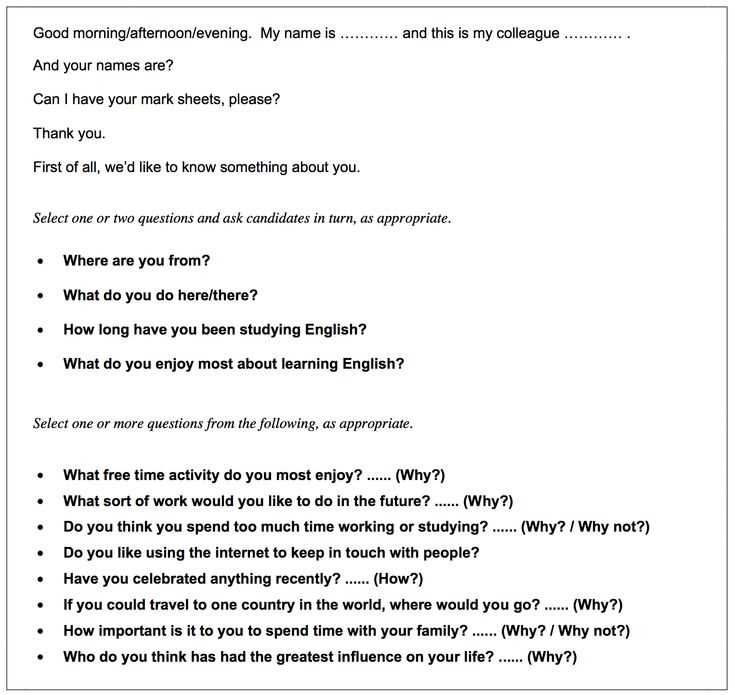
Focus on clarity and precision in every response. Structure your thoughts logically, addressing each part of the prompt in sequence. Break down complex points into manageable sections to avoid ambiguity. A clear introduction sets the stage for a coherent argument that follows. Keep your sentences concise, using only relevant information to back up your reasoning.
Context is key. Provide background or definitions where necessary, but don’t over-explain. Stick to the topic at hand. Directly answering what’s asked is more effective than wandering off into tangential ideas. Use examples that directly illustrate your point, showing a deep understanding of the subject. Avoid generic statements, and instead, provide specific, well-thought-out explanations.
Time management plays a significant role. Divide your time based on the importance and difficulty of each section, ensuring you leave enough time to review and revise your responses. Prioritize the areas where your knowledge is strongest, but make sure all aspects are addressed within the given constraints.
Answering Exam Questions: Practical Strategies
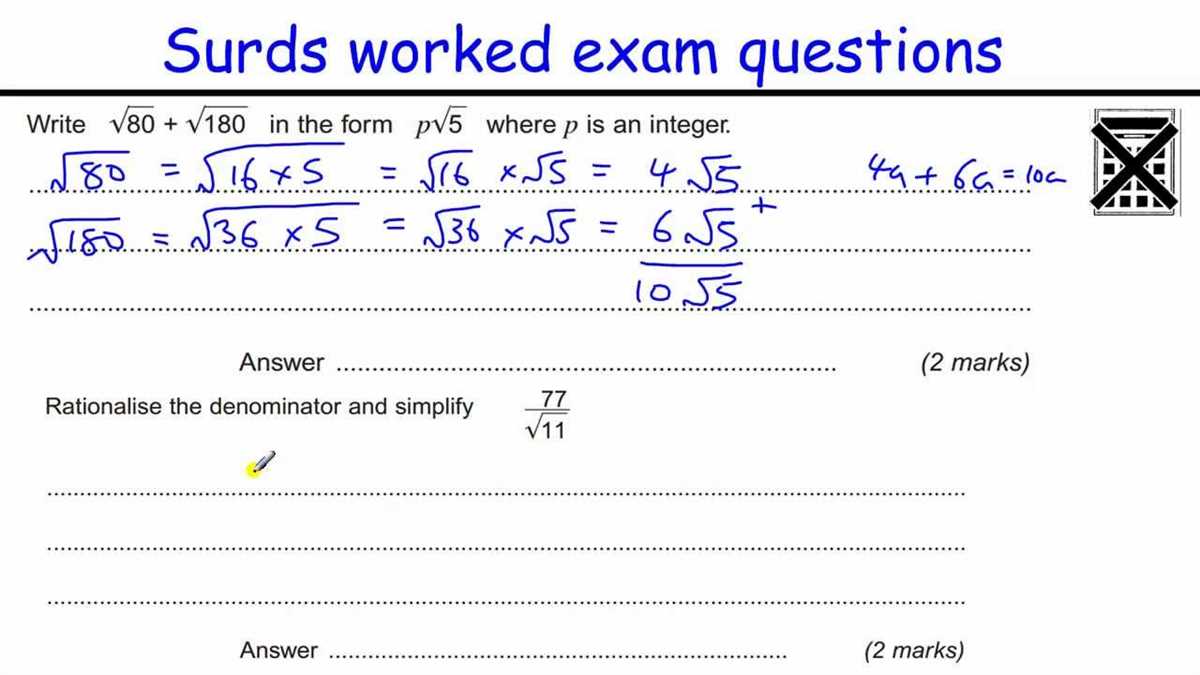
Focus on understanding the exact requirement of each item. Pay attention to keywords such as “describe”, “compare”, “analyze”, or “evaluate”, as these guide your response structure. Take a few seconds to think about what is being asked before writing.
Structure your response clearly. Start with a brief introduction that restates the prompt in your own words, ensuring you’re directly addressing the main topic. Follow with a body that supports your argument or analysis, using evidence or examples. Conclude with a summary that ties your points together.
Use bullet points or numbered lists for clarity when asked to provide multiple elements or steps. This will make your response more readable and help ensure you don’t miss any crucial points.
If the instructions suggest a word limit or time constraint, manage your response accordingly. Avoid over-explaining or providing excessive detail. Stick to the key elements, staying concise but informative.
Time management is key. Allocate time to each section based on its weight. Leave room at the end for quick revisions or to answer any missed parts. If you’re stuck, move on and come back later–don’t waste time on one issue.
Review your answer before submission. Check for any missed details or errors. Ensure your writing is clear, and your logic flows properly.
| Strategy | Benefit |
|---|---|
| Restating the prompt | Ensures you understand the core requirement and remain focused. |
| Organizing your response with clear headings | Improves readability and allows quick reference to your main points. |
| Using bullet points or numbered lists | Helps to structure multi-part responses and avoids missing key points. |
| Time management and pacing | Prevents rushing through important sections or overthinking less critical ones. |
| Reviewing your response | Minimizes the chance of errors or overlooked details. |
How to Analyze Exam Questions Before Responding
Before crafting your response, break down the prompt into specific elements. Look for key terms that indicate what is being asked, such as “define,” “compare,” or “justify.” These will guide the type of information you need to provide.
Start by identifying the main subject. This will help you focus on what the question is targeting. For example, if the prompt mentions “economic impacts of climate change,” concentrate on the economic aspect rather than environmental factors.
- Understand the scope: Look for qualifiers like “discuss briefly” or “analyze in detail” to gauge the level of depth required.
- Clarify the action verbs: Determine whether the task asks for description, comparison, evaluation, or an opinion. Different verbs demand different structures.
- Identify any time frames: If the query includes phrases like “historically,” “in the 21st century,” or “over the past decade,” adjust your response to reflect the required context.
Analyze each part of the prompt to ensure that you address all components. If the task has multiple parts, make a brief outline before you start writing to ensure comprehensive coverage.
Pay attention to any exclusions or limits in the prompt. Words like “only,” “excluding,” or “without” often set boundaries for your answer.
If the language is ambiguous, don’t hesitate to ask for clarification. The precision of your interpretation can significantly affect the quality of your response.
Breaking Down Multiple Choice Questions: A Step-by-Step Approach
When faced with multiple-choice formats, follow a methodical process to identify the correct response. Begin by carefully reading the prompt. Make sure you understand exactly what is being asked before moving to the options. This ensures that you’re not distracted by irrelevant details or misleading choices.
Next, evaluate all answer choices before selecting any. Don’t be tempted to pick the first seemingly correct option you encounter. Compare each possibility and eliminate those that are clearly wrong. This can significantly increase your chances of finding the correct one.
- Cross out answers that are extreme or absolute (e.g., “always,” “never”). These are usually incorrect unless they are universally true.
- Eliminate options that are too broad or unrelated to the subject at hand.
- If two answers are very similar, the right one is often the more specific or precise choice.
If you’re left with two potential options, take a moment to reconsider the context of the question. Think about the details you know that could confirm one of them as correct. Use logic and reasoning to make your final decision.
- Try to recall any relevant facts or rules you’ve learned that directly relate to the prompt.
- If the question tests understanding, try to apply the knowledge practically to identify which answer fits best.
Finally, trust your instincts if you’re running short on time. If you’ve followed a thorough process of elimination, your first choice is often the right one. Avoid second-guessing unless new evidence or insight arises.
Time Management Tips for Answering Essay Questions
Break down the prompt before you begin writing. Spend the first few minutes reading carefully to identify key points, such as specific tasks or themes that need to be addressed. This step ensures that you don’t miss any critical details and that your response remains focused.
Allocate time wisely. Set strict limits for each section of your response. For example, divide the time you have between planning, writing, and reviewing. Typically, around 10-15% of your time should be spent organizing your thoughts and outlining your approach. Keep track of time to avoid spending too long on one part of your answer.
Use a clear structure. Write an introduction that outlines your main argument and follow it with organized paragraphs that each address a specific point. This method reduces confusion and makes your argument easier to follow. Avoid lengthy introductions and jump straight to the essential points.
Keep paragraphs concise. Lengthy, rambling sections waste valuable time. Stick to one idea per paragraph and move on once it’s explained. Clear, direct answers are faster to write and quicker for readers to process.
Leave time for revision. In the final moments, reread your work to correct minor errors and check for clarity. This ensures that your argument is coherent and that you haven’t left out any important details.
For more detailed insights, refer to StudySmarter.
How to Structure Your Answer for Maximum Clarity
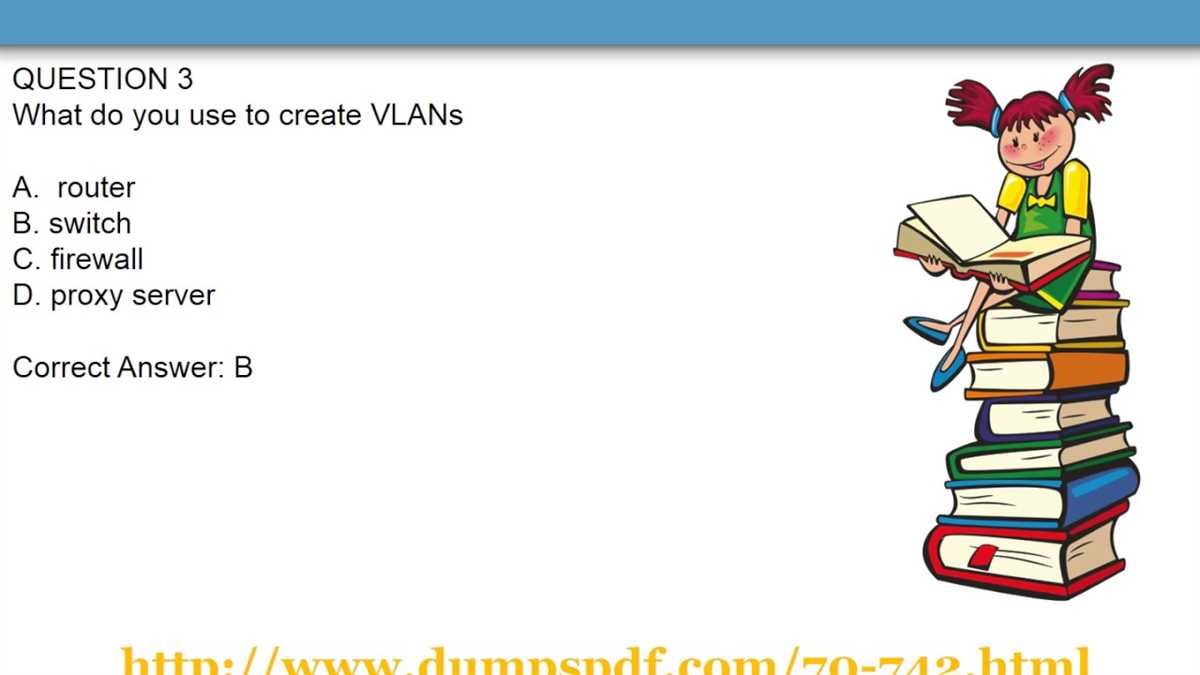
Begin with a direct response to the prompt, clearly addressing the key point. This sets a solid foundation and prevents your reply from drifting off-topic. Follow this with a logical sequence of ideas that expand on your main point, ensuring each part connects smoothly to the next. Group similar concepts together and avoid unrelated tangents.
Use brief, concise sentences. Avoid complex phrasing or excessive jargon. For every claim or argument you make, provide a supporting example or explanation. This strengthens the clarity of your position and demonstrates your understanding.
Incorporate signposts throughout your response. Phrases like “First”, “Next”, and “Finally” help guide the reader through your thoughts step by step, making the structure clear. Summarize each major point before moving to the next section, ensuring there’s no confusion about your reasoning.
Conclude by reiterating your main point, tying back to the prompt. This reinforces the focus of your response and leaves a lasting impression on the reader.
What to Do When You’re Stuck on a Question
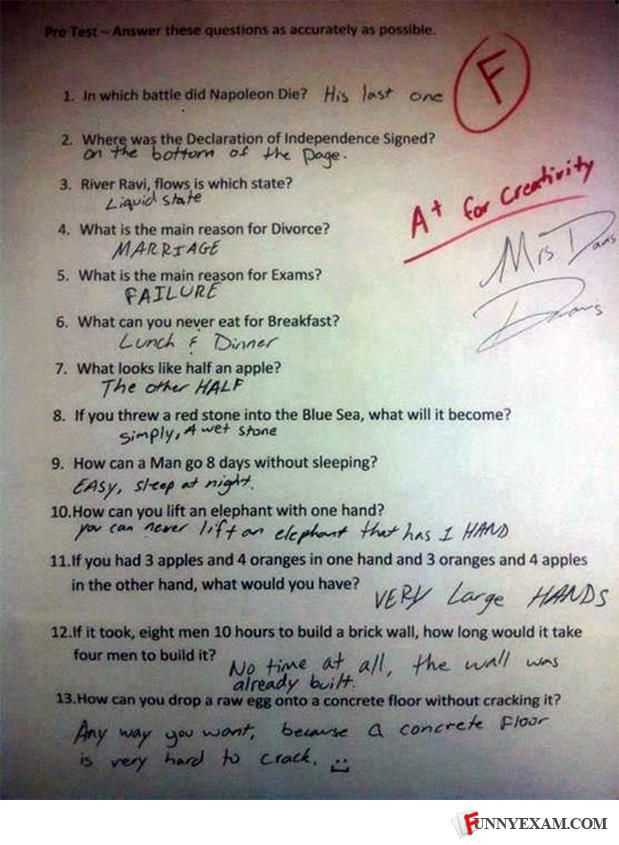
Take a deep breath. Pause and focus on breaking the task into smaller parts. Identify key terms or instructions that may help you clarify what’s being asked.
If the material is unclear, skip to the next point and come back later. This can reduce stress and allow time for a fresh perspective.
Look for patterns: Review the surrounding questions to see if any of them share similar themes or concepts. This can often help you recall relevant information or methods.
Process of elimination: Narrow down possible choices or solutions based on what you know is definitely incorrect.
Rephrase: Restate the prompt in your own words. Sometimes simply changing the phrasing can reveal hidden details or guide your thought process.
If time allows, jot down any related concepts or ideas that may be relevant. This could trigger connections and help solve the problem.
Don’t rush to make guesses. Instead, trust your preparation and knowledge. You might know more than you think.
Common Mistakes to Avoid When Answering Exam Questions
Misinterpreting the prompt is a frequent mistake. Make sure to fully understand what is being asked before starting your response. Pay attention to specific instructions like “discuss,” “compare,” or “define,” as each word indicates a distinct type of response.
Overloading with irrelevant information can cause your response to lose focus. Stick to the key points that directly address the inquiry. Adding unnecessary details may distract from your main argument and waste valuable time.
Skipping planning is a common pitfall. Before you start writing, briefly outline your thoughts. This helps in structuring your response logically, ensuring coherence and preventing a disorganized reply.
Failing to manage time is another issue. Allocate time for each part of the test and stick to it. Avoid spending too much time on one section at the expense of others.
Overcomplicating the language often leads to confusion. Using simple and clear language is far more effective than trying to impress with complex vocabulary. Clarity should always take priority.
Neglecting to review your work is a critical error. Once you finish, always take a few minutes to read through your responses. This helps spot grammatical mistakes, unclear sections, or missed points.
Ignoring the word limit can lead to penalties. Ensure your responses are concise and meet the required length without drifting into unnecessary details. If there is no word limit, keep your response brief and to the point.
Misjudging the difficulty of the questions is another issue. Be prepared for some sections to be more challenging than others. Don’t spend too long on one difficult part–move on and come back to it later if necessary.