Mastering the BLS Healthcare Provider Test: Your Comprehensive Guide to Finding the Answers
If you work in the healthcare field, it is essential to have a thorough understanding of basic life support (BLS) techniques. The BLS Healthcare Provider Test is a comprehensive examination that assesses your knowledge and skills in life-saving techniques, such as cardiopulmonary resuscitation (CPR), AED usage, and choking management.
This article aims to provide answers to common questions that individuals may encounter while preparing for or taking the BLS Healthcare Provider Test. By familiarizing yourself with these answers, you can enhance your chances of successfully passing the exam and feeling confident in your ability to provide critical care in emergency situations.
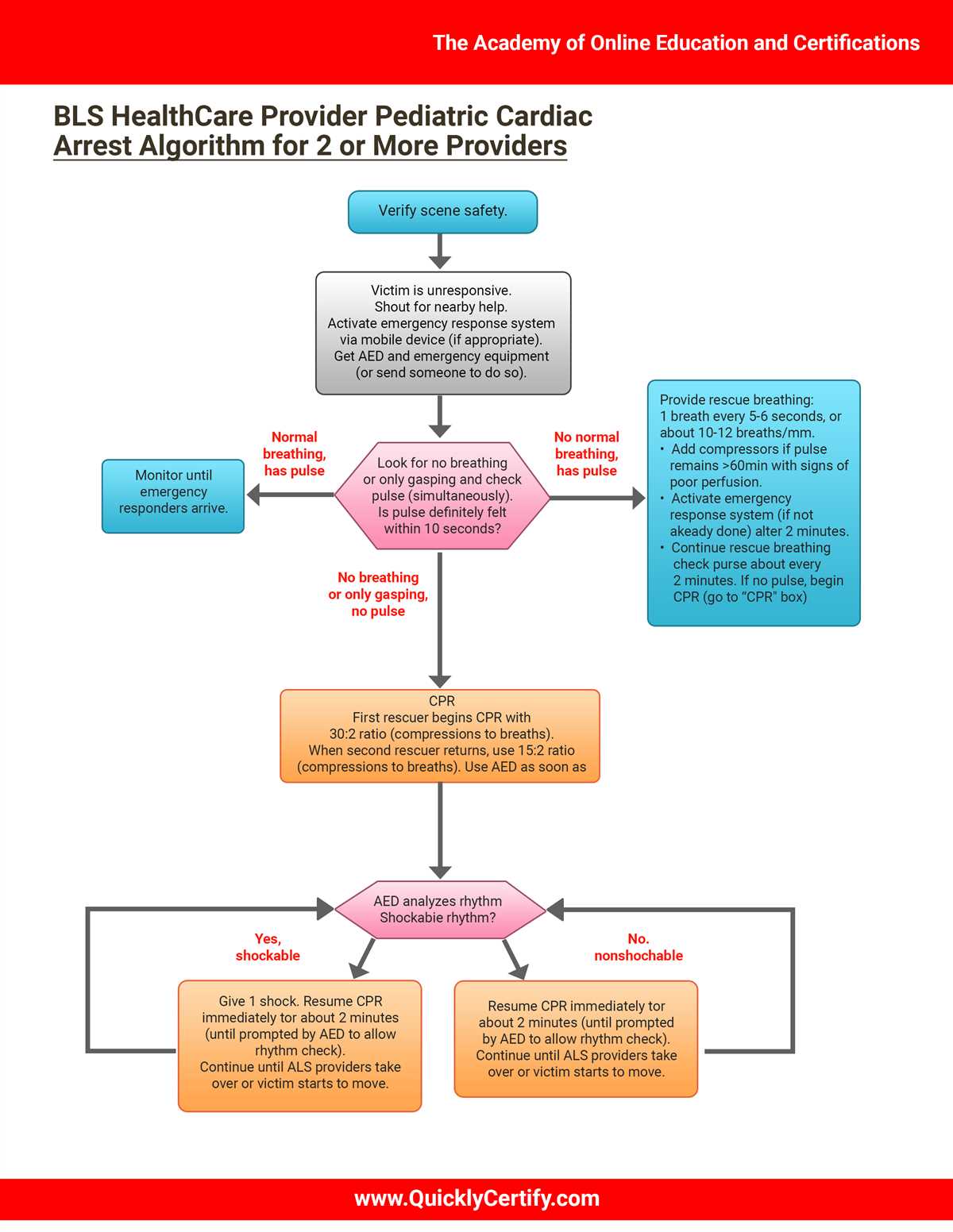
Topics covered will include the correct steps and techniques for performing high-quality CPR, the proper use of an automated external defibrillator (AED), and the management of various choking scenarios. Additionally, we will touch on the importance of recognizing the signs of a heart attack or stroke and how to respond appropriately to these medical emergencies.
Answers to BLS Healthcare Provider Test
If you are preparing to take the BLS Healthcare Provider Test, it is important to study and understand the key concepts and skills needed to provide basic life support. This test is designed to assess your knowledge and abilities in critical situations, such as performing CPR, using an AED, and managing choking emergencies.
Here are some answers to common questions and scenarios that may be included in the BLS Healthcare Provider Test:
- Question: What is the correct compression-to-ventilation ratio for adult CPR?
- Answer: The correct compression-to-ventilation ratio for adult CPR is 30 compressions to 2 ventilations.
- Question: How should you position your hands when performing chest compressions on an adult?
- Answer: When performing chest compressions on an adult, you should position your hands in the center of the chest, with the heel of one hand on top of the other and fingers interlaced. You should keep your elbows straight and use your upper body weight to compress the chest at a depth of at least 2 inches.
- Question: When should you use an automated external defibrillator (AED) on a patient in cardiac arrest?
- Answer: An AED should be used as soon as it is available on a patient in cardiac arrest. It is important to follow the prompts and instructions provided by the AED to ensure correct usage and maximize the chances of survival.
- Question: What should you do if a conscious adult is choking?
- Answer: If a conscious adult is choking and unable to speak or breathe, you should first ask them if they are choking and need help. If they are unable to respond, you should stand behind them, wrap your arms around their waist, and deliver 5 back blows between the shoulder blades. If the object causing the choking is still not dislodged, you should perform 5 abdominal thrusts by placing your hands in the middle of their abdomen, above the navel, and give quick inward and upward thrusts.
Remember, the BLS Healthcare Provider Test is designed to ensure that you are equipped with the necessary skills to provide life-saving interventions in emergency situations. It is important to review the BLS guidelines and practice these skills regularly to maintain proficiency.
Importance of the BLS Healthcare Provider Test
For healthcare professionals, the BLS Healthcare Provider test is an essential certification that ensures they are equipped with the necessary knowledge and skills to provide critical care in emergency situations. This test is designed to assess their ability to respond effectively to cardiac emergencies, including CPR, AED usage, and basic life support techniques.
The BLS Healthcare Provider test plays a crucial role in maintaining and improving patient outcomes. By being certified, healthcare professionals demonstrate their competence in providing immediate care to individuals experiencing cardiac arrest or other life-threatening conditions. This certification is especially valuable in high-stress environments such as hospitals, emergency rooms, and intensive care units, where quick and effective interventions can make a significant difference in patients’ survival rates.
During the test, healthcare providers are evaluated on their understanding and application of various important concepts, such as:
- CPR techniques for adults, children, and infants
- Use of an automated external defibrillator (AED)
- Recognition and management of respiratory distress and obstruction
- Choking relief techniques
- Team dynamics and communication during resuscitation efforts
By successfully passing the BLS Healthcare Provider test, healthcare professionals can confidently provide critical care in emergency situations. They will have the necessary skills to assess the patient’s condition, initiate appropriate interventions, and work effectively with the rest of the healthcare team. This certification not only ensures patient safety but also increases the overall quality of care provided in healthcare settings.
Overall, the BLS Healthcare Provider test is a vital certification for healthcare professionals. It provides them with the knowledge and skills needed to respond effectively to cardiac emergencies and other life-threatening situations. By maintaining this certification, healthcare providers can ensure that they are up to date with the latest guidelines and best practices in resuscitation, ultimately saving lives and improving patient outcomes.
Common Questions on the BLS Healthcare Provider Test
When preparing for the BLS Healthcare Provider test, it is common to have questions about the content and format of the exam. Here are some frequently asked questions that can help you prepare:
1. What is the BLS Healthcare Provider test?
The BLS Healthcare Provider test is an examination that assesses an individual’s knowledge and skills in basic life support (BLS) techniques. It is designed for healthcare professionals, such as doctors, nurses, and paramedics, who may need to respond to cardiac emergencies or provide CPR.
2. What topics are covered in the BLS Healthcare Provider test?
The BLS Healthcare Provider test covers various topics related to basic life support. These include recognizing and responding to cardiac arrest, performing high-quality CPR, using an automated external defibrillator (AED), providing rescue breathing and ventilation, and managing choking emergencies in adults, children, and infants.
3. How is the BLS Healthcare Provider test structured?
The BLS Healthcare Provider test is typically structured as a multiple-choice exam. It may consist of a set number of questions, usually around 50 to 60, that cover the relevant topics mentioned earlier. Some BLS courses may also include a skills evaluation component, where candidates are required to demonstrate their practical skills.
4. How can I prepare for the BLS Healthcare Provider test?
To prepare for the BLS Healthcare Provider test, it is recommended to study the course material thoroughly. This may include reviewing the BLS provider manual, practicing the required skills, and taking online practice tests. Additionally, attending a BLS certification course can provide hands-on training and guidance from instructors who are knowledgeable in BLS techniques.
5. How long is the BLS Healthcare Provider certification valid for?
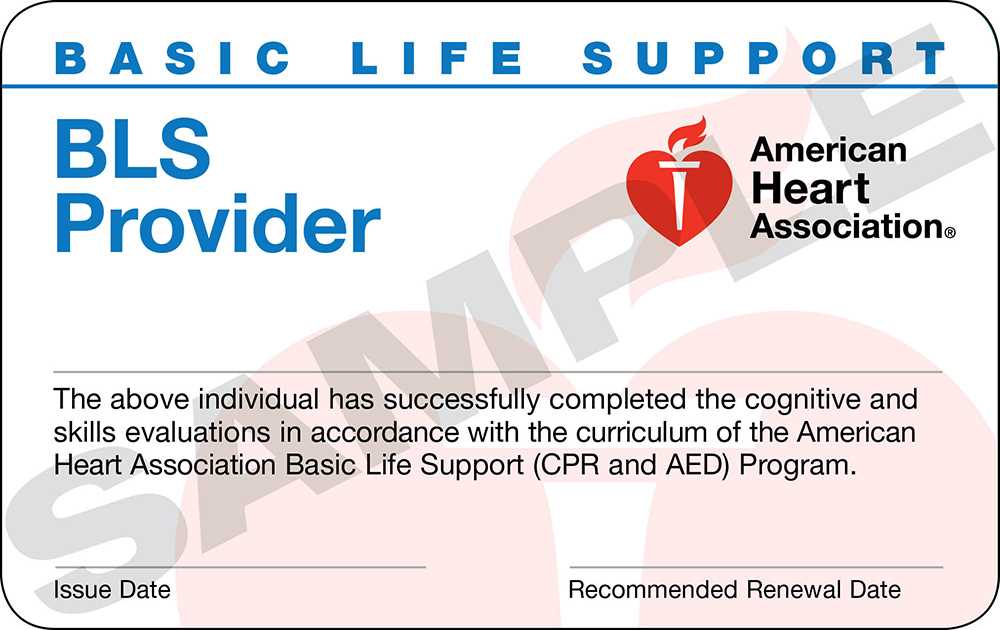
The BLS Healthcare Provider certification is typically valid for two years. After this period, healthcare professionals are required to renew their certification by taking a refresher course or retaking the BLS Healthcare Provider test.
If you have any further questions or concerns about the BLS Healthcare Provider test, it is recommended to reach out to your BLS instructor or healthcare provider for more information.
Tips for Taking the BLS Healthcare Provider Test
Taking the BLS Healthcare Provider Test can be a nerve-wracking experience, but with the right preparation, you can boost your chances of success. Here are a few tips to help you navigate the test and come out on top:
- Familiarize yourself with the content: Make sure you have a thorough understanding of all the information covered in the BLS Healthcare Provider course. Review the study materials, practice scenarios, and guidelines provided to refresh your memory before the test.
- Practice, practice, practice: The more you practice, the more comfortable you will become with the skills and knowledge required for the test. Set aside dedicated time to practice CPR techniques, use of AED, and other essential skills to build your confidence.
- Manage your time: Time management is crucial during the test. Read each question carefully and try not to spend too much time on any one question. If you’re stuck, make your best guess and move on. Mark difficult questions for review later if time allows.
- Stay calm and focused: Test anxiety can hinder your performance, so it’s important to stay calm and focused. Take deep breaths, maintain a positive mindset, and trust in your preparation. Remember to take breaks when needed to refresh your mind.
- Read the questions carefully: Pay close attention to the wording of each question to ensure you understand what is being asked. Look for keywords that can help you identify the correct answer. Be cautious of answer choices that may sound correct but do not directly address the question.
- Utilize the process of elimination: If you’re unsure of the correct answer, use the process of elimination to narrow down your options. Cross out any obviously incorrect choices, and then consider the remaining options more carefully.
- Review and double-check: Before submitting your test, take a few minutes to review your answers. Double-check for any mistakes or overlooked questions. Ensure you have answered every question to the best of your ability.
By following these tips and preparing effectively, you can approach the BLS Healthcare Provider Test with confidence and maximize your chances of achieving a passing score. Remember to stay focused, trust your training, and believe in your abilities!
Understanding BLS Healthcare Provider Test Results
When taking the BLS Healthcare Provider Test, it is important to understand how your results are interpreted and what they mean for your certification. The test measures your knowledge and skills in basic life support techniques and procedures, as well as your ability to respond to emergencies in healthcare settings.
Based on your performance on the test, you will be assigned a score that indicates your level of proficiency. It is important to note that passing the test does not guarantee certification. The score you receive will determine whether you meet the minimum requirements for certification, which may vary depending on the specific certification program or organization.
Understanding the scoring system
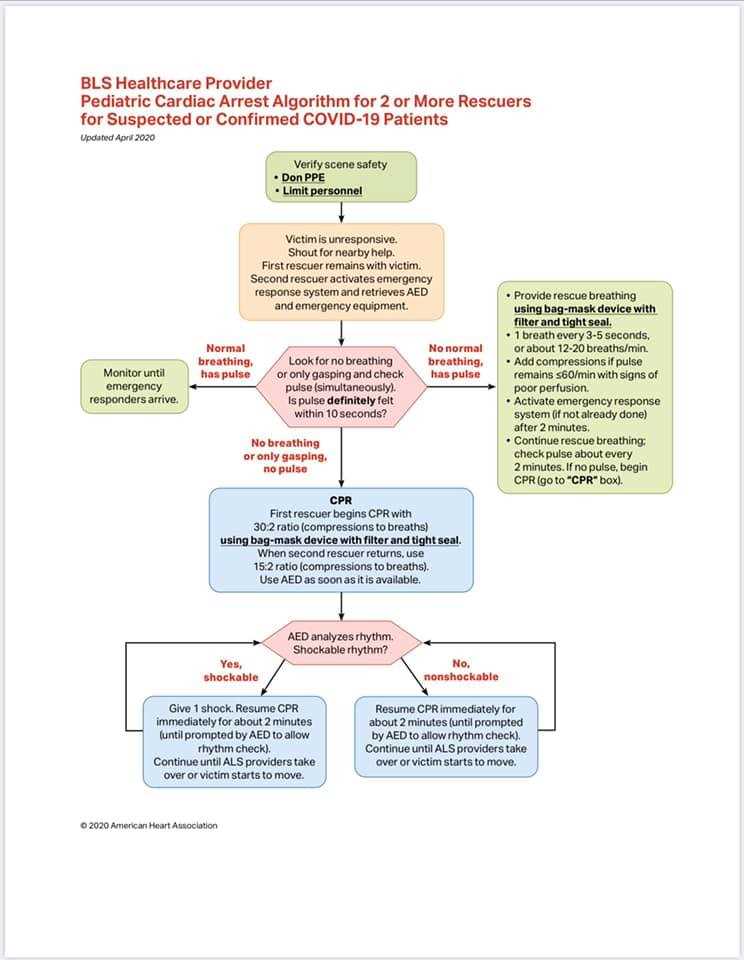
The scoring system for the BLS Healthcare Provider Test is typically based on a passing score, which is set by the certifying organization. This passing score represents the minimum level of knowledge and skill required to provide effective basic life support in healthcare settings.
The test is usually divided into sections or categories, such as adult CPR, child CPR, and AED use. Each section may have its own passing score, and you may need to achieve a passing score in each section in order to receive certification. Additionally, some organizations may require an overall passing score that is calculated by averaging your scores across all sections.
Interpreting your results
Once you receive your test results, it is important to review them carefully and understand what they mean for your certification. If you have achieved a passing score in all required sections, congratulations! You are eligible for certification.
However, if you did not achieve a passing score in one or more sections, you may need to retake the test or complete additional training in those areas. It is important to work with your instructor or the certifying organization to determine the best course of action. Remember, the goal of the BLS Healthcare Provider Test is to ensure that you have the knowledge and skills necessary to provide effective basic life support in healthcare settings, so it is important to take your results seriously and address any areas of weakness.
Preparing for the BLS Healthcare Provider Test
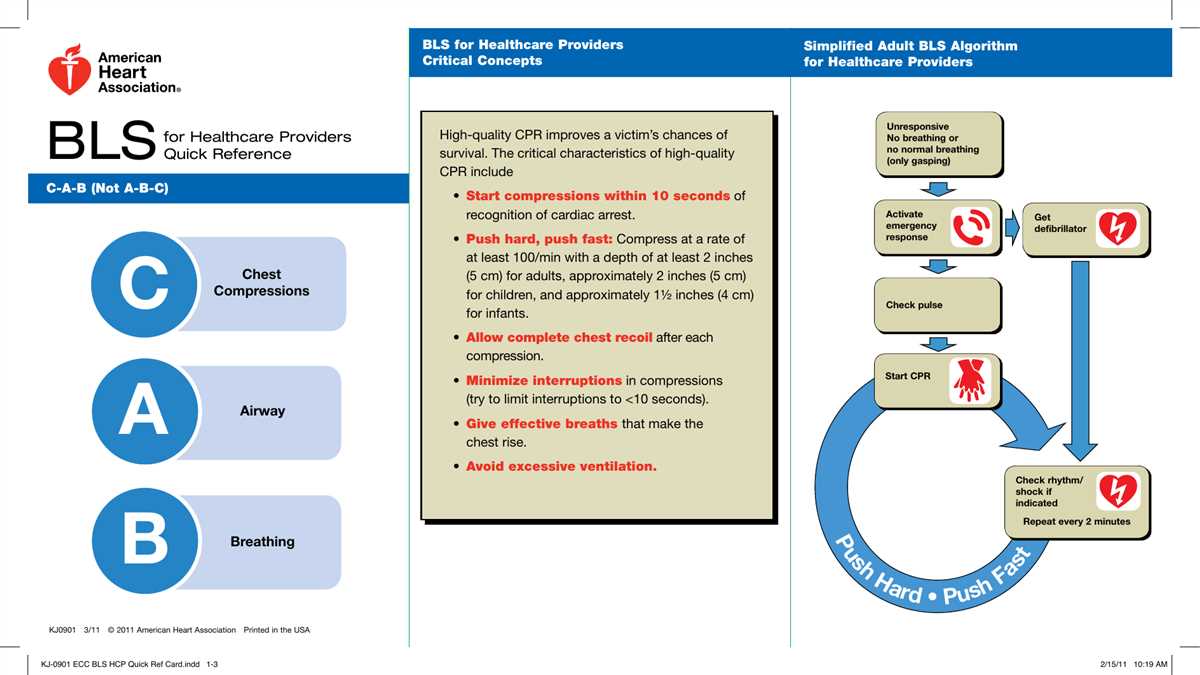
When preparing for the BLS Healthcare Provider Test, it is important to approach your studying with focus and dedication. This certification is crucial for healthcare professionals, as it equips them with the necessary skills to provide life-saving interventions in emergency situations. Here are some tips to help you prepare for the test:
Create a Study Schedule
Start by creating a study schedule that allows you to allocate specific time slots for reviewing the BLS guidelines and practicing the required skills. Breaking down your study time into manageable segments can help you stay organized and ensure that you cover all the necessary material.
Familiarize Yourself with the BLS Guidelines
It is vital to have a thorough understanding of the BLS guidelines set by the American Heart Association (AHA). These guidelines outline the correct procedures for basic life support, including CPR and the use of an automatic external defibrillator (AED). Review these guidelines regularly to ensure that you are up to date with the latest recommendations.
Practice Hands-on Skills
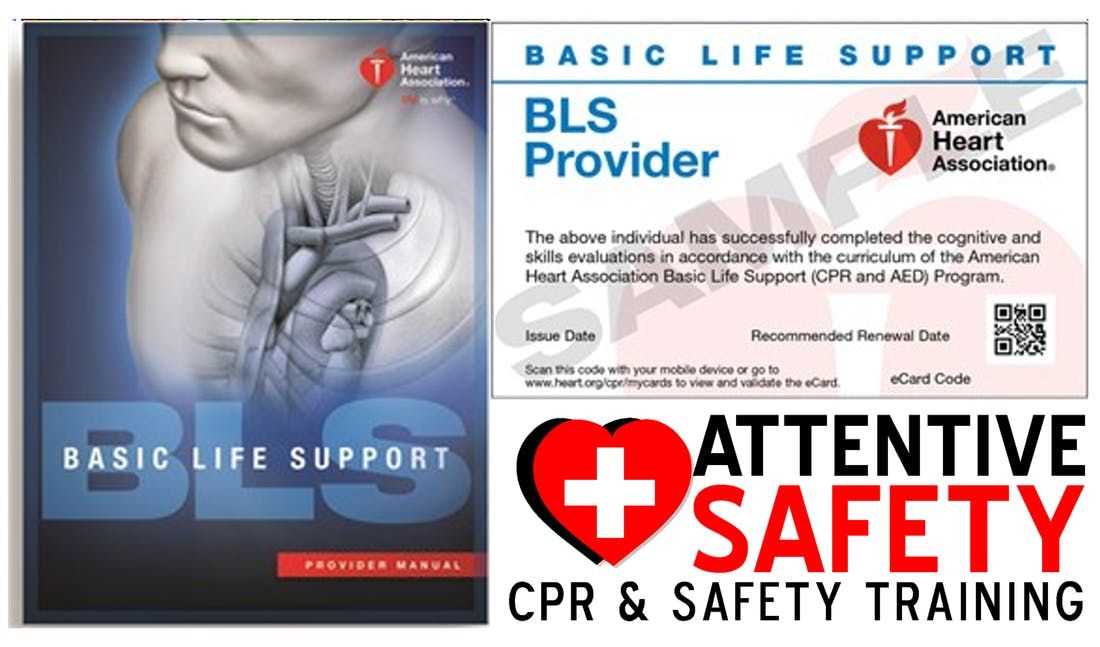
Hands-on practice is essential for mastering the required skills for the BLS Healthcare Provider Test. Set aside regular practice sessions to refine techniques such as chest compressions, rescue breaths, and the use of AEDs. Consider enrolling in a hands-on training course or partnering with colleagues for mock scenarios to simulate real-life situations.
Utilize Study Resources
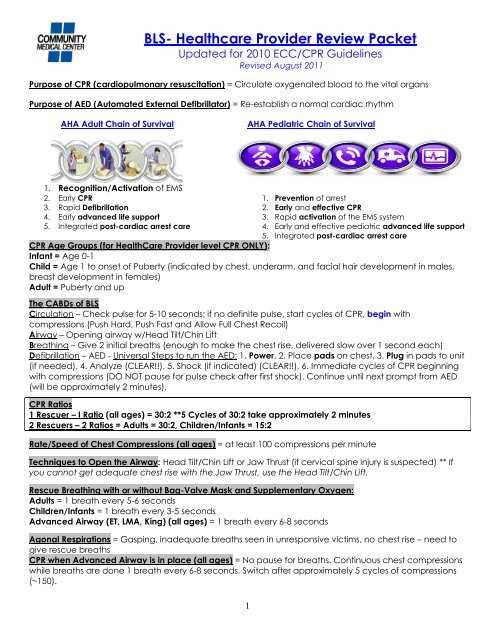
There are various study resources available to help you prepare for the test. Utilize textbooks, online courses, and practice exams to reinforce your knowledge and identify areas that require extra attention. Reviewing case scenarios and real-life examples can also enhance your understanding of how to apply BLS skills in different situations.
Seek Feedback and Support
Seeking feedback from instructors, mentors, or colleagues can provide valuable insights into your strengths and areas that need improvement. Engage in discussions, ask questions, and participate in hands-on simulations to receive guidance, constructive criticism, and support from those with experience in emergency and critical care.
- Creating a study schedule
- Familiarizing yourself with BLS guidelines
- Practicing hands-on skills
- Utilizing study resources
- Seeking feedback and support
By following these steps and maintaining a dedicated approach to studying, you can increase your chances of success in the BLS Healthcare Provider Test. Remember to stay calm, confident, and focused during the exam, and trust in the knowledge and skills you have acquired through your preparation.
Benefits of Becoming BLS Healthcare Provider Certified
BLS (Basic Life Support) Healthcare Provider certification is a valuable credential that offers numerous benefits to individuals in the healthcare industry. This certification not only enhances the skillset of healthcare professionals but also enables them to provide immediate and effective care during life-threatening emergencies.
Here are some key benefits of becoming BLS Healthcare Provider certified:
- Improved Patient Outcomes: BLS training equips healthcare providers with the knowledge and skills needed to respond quickly and appropriately during critical situations. By performing essential lifesaving techniques, such as CPR, rescue breathing, and defibrillation, certified individuals can significantly improve patient outcomes and increase the chances of survival.
- Enhanced Professional Opportunities: BLS certification is highly regarded in the healthcare industry and can open doors to a variety of professional opportunities. Many healthcare facilities and organizations require their staff to hold BLS certification, making it a valuable asset for career advancement and job security.
- Confidence and Preparedness: BLS training instills confidence in healthcare providers, enabling them to remain calm and composed in high-stress situations. Certified individuals are prepared to handle emergencies and can effectively respond to cardiac arrests, choking, and other life-threatening events.
- Teamwork and Collaboration: BLS training emphasizes the importance of teamwork and effective communication within healthcare settings. Certified individuals learn how to work seamlessly with other healthcare professionals, improving overall patient care and outcomes.
- Continuing Education and Skill Development: BLS certification requires healthcare providers to undergo regular training and recertification, ensuring that their skills and knowledge are up to date. This commitment to ongoing education and skill development helps healthcare professionals stay current with the latest advancements in resuscitation techniques and emergency care.
Earning BLS Healthcare Provider certification is a valuable investment for healthcare professionals looking to enhance their skills, advance their careers, and provide life-saving care to patients. This certification not only benefits individual healthcare providers but also contributes to the overall improvement of patient care and outcomes in the healthcare industry.