The Evolution of Anthropology: Uncovering the Insights from Test 1
Welcome to the first anthropology test! This test is designed to assess your knowledge and understanding of the field of anthropology. Anthropology is the study of human societies and cultures, past and present. It seeks to understand the diversity of human experiences and the ways in which individuals and societies create meaning and make sense of the world.
In this test, you will be asked questions about various aspects of anthropology, including its history, methods, theories, and key concepts. You will need to demonstrate your ability to analyze and interpret anthropological data, as well as your understanding of the different subfields within anthropology.
It is important to approach this test with an open and critical mind. Anthropology challenges us to question our own assumptions and biases, and to consider different perspectives and ways of understanding the world. It is a discipline that requires empathy, curiosity, and a willingness to engage with the complexity of human cultures and societies.
By taking this test, you will not only be demonstrating your knowledge of anthropology, but also developing your critical thinking and analytical skills. So, let’s get started and see how well you can apply your anthropological knowledge to the questions ahead. Good luck!
What is Anthropology?
Anthropology is the study of human beings, their origins, behavior, and cultural development. It is a holistic discipline that encompasses various subfields, including cultural anthropology, biological anthropology, archaeology, and linguistic anthropology. Through an interdisciplinary approach, anthropologists seek to understand the diversity of human societies and the processes that shape them.
Cultural anthropology focuses on the study of human cultures, including their beliefs, customs, social organization, and material artifacts. Anthropologists in this field aim to explore the complexities of human societies and the ways in which individuals and groups construct and negotiate their identities and behaviors within cultural systems.
Biological anthropology is concerned with the study of human biological evolution, genetics, and the variation and adaptation of human populations. Anthropologists in this field investigate topics such as human evolution, primatology, human genetics, and forensic anthropology, using scientific methods and techniques.
Archaeology examines human history and prehistory through the excavation and analysis of artifacts, structures, and other physical remains. It provides insights into past societies, their technologies, economic systems, and cultural practices, helping anthropologists reconstruct the story of human development and cultural change over time.
Linguistic anthropology focuses on the study of language and its role in human communication and culture. Linguistic anthropologists analyze the structure, history, and social context of languages, examining how language shapes and reflects cultural and social realities, as well as the ways in which language use influences individual and group identities.
In summary, anthropology is a multifaceted discipline that seeks to understand the complexities of human existence through the study of culture, biology, history, and language. By examining the diversity of human societies and the processes that shape them, anthropologists contribute to our understanding of what it means to be human.
Definition and Importance

Anthropology is the scientific study of human beings, their origins, behaviors, and cultural diversity. It is a holistic discipline that combines natural science, social science, and humanities to unravel the complexities of human existence. Through the systematic observation, analysis, and interpretation of human behavior, anthropology seeks to understand what it means to be human and the ways in which people interact with each other and their environment.
The importance of anthropology lies in its ability to provide unique insights into human nature, cultural diversity, and social dynamics. By studying different societies and cultures across time and space, anthropologists gain a deeper understanding of human evolution, cultural differences, and social structures. This knowledge can help us challenge our assumptions, broaden our perspectives, and promote cross-cultural understanding and appreciation. Anthropological research has practical applications in fields such as public health, development, and education, as it provides valuable insights into factors influencing human behavior and social change.
- Anthropology is often utilized in the development of social policies and programs, as it sheds light on the cultural context and social inequalities that affect individuals and communities.
- Anthropological research can inform public health interventions by uncovering cultural beliefs, practices, and social norms that may impact health behaviors and outcomes.
- Anthropologists contribute to education by studying the ways in which culture and society shape learning and teaching methods, and by promoting culturally responsive pedagogies.
- Anthropology also has a role in archaeology and paleontology, as it helps reconstruct past societies and understand the evolution of human beings.
In summary, anthropology plays a crucial role in our understanding of human beings and the world we inhabit. Its interdisciplinary approach and focus on cultural diversity make it a valuable discipline for addressing complex societal issues and promoting a more inclusive and equitable world.
Major Subfields of Anthropology

Anthropology is a multidisciplinary field that encompasses various subfields, each focusing on different aspects of human culture and behavior. These subfields share a common goal of understanding human diversity and the factors that shape it. The major subfields of anthropology include cultural anthropology, biological anthropology, linguistic anthropology, and archaeology.
Cultural anthropology is the study of human cultures and societies, focusing on the beliefs, practices, and behaviors of different groups. Cultural anthropologists immerse themselves in the communities they study, observing and participating in everyday life to gain a holistic understanding. They examine topics such as kinship systems, religious beliefs, economic systems, and political structures. Cultural anthropology also explores concepts of race, gender, and social inequality.
- Biological anthropology examines the biological and evolutionary aspects of humans and our closest relatives, the primates. This subfield investigates topics such as human evolution, fossil records, genetics, and the biological variations between different populations. Biological anthropologists often study skeletal remains to reconstruct human evolutionary history and understand the relationship between biology and culture.
- Linguistic anthropology focuses on the study of human language and its role in shaping culture. Linguistic anthropologists analyze the structure, origins, and use of language within different societies. They explore how language shapes social identity, cultural practices, and communication patterns. This subfield also investigates the relationship between language and thought, as well as language endangered and lost over time.
- Archaeology is the study of past human cultures and societies through the analysis of artifacts and other material remains. Archaeologists uncover and interpret the physical traces left behind by previous societies, ranging from ancient tools and burial sites to complex urban settlements. By studying archaeological sites, artifacts, and environmental data, archaeologists reconstruct the lifeways, beliefs, and social structures of past civilizations.
In conclusion, anthropology encompasses diverse subfields that collectively provide a comprehensive understanding of human culture, evolution, language, and the past. Each subfield contributes unique insights into the complexities of human societies and the factors that shape them.
Sociocultural Anthropology is a branch of anthropology that focuses on understanding human societies and cultures. It examines the social and cultural aspects of human behavior, as well as the processes through which people adapt to their environments and create meaning in their lives.
One key aspect of sociocultural anthropology is the study of social institutions, such as family, religion, politics, and economics. Anthropologists investigate how these institutions are organized, the roles and relationships of individuals within them, and how they shape social life. They also explore the ways in which social institutions are influenced by broader cultural beliefs and values.
Another important area of study in sociocultural anthropology is the examination of cultural beliefs, practices, and symbols. Anthropologists seek to understand how different cultures create and interpret meaning, and how these meanings shape individual and collective behavior. They examine the ways in which people communicate and express themselves, both verbally and non-verbally, and how these forms of expression vary across different cultural contexts.
Sociocultural anthropologists use a variety of research methods to collect and analyze data. These may include participant observation, interviews, surveys, and the analysis of cultural artifacts and documents. Through these methods, they aim to gain an in-depth understanding of the social and cultural dynamics of the communities they study.
Overall, sociocultural anthropology provides valuable insights into the diverse ways in which human societies and cultures function. It helps us to better understand the complexities of human behavior and the ways in which individuals and communities navigate their social and cultural worlds. By studying sociocultural anthropology, we can gain a deeper appreciation for the richness and diversity of human experience.
Biological Anthropology

Biological anthropology is a subfield of anthropology that focuses on studying the biological aspects of human beings, including their evolution, genetics, and physical characteristics. This field combines knowledge and methodologies from various disciplines, such as biology, genetics, archaeology, and paleontology.
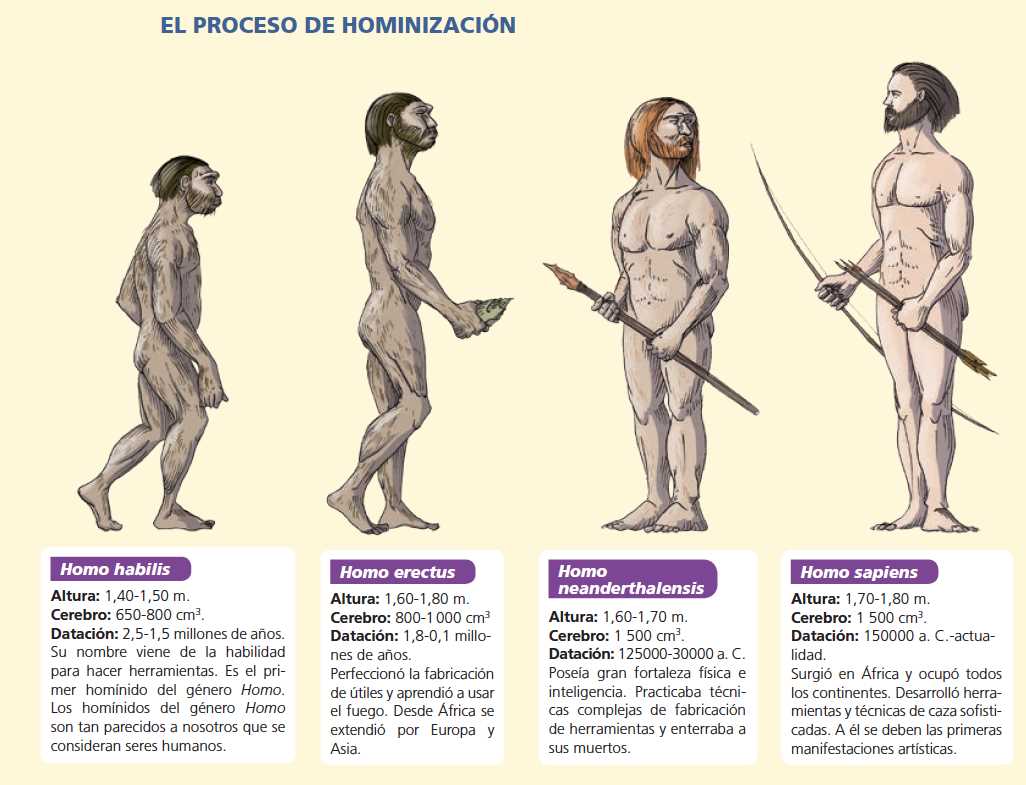
One of the main areas of research in biological anthropology is human evolution. By studying fossil remains, DNA, and other biological evidence, biological anthropologists aim to understand the origins and development of humans as a species. They investigate how early hominids evolved into modern Homo sapiens and examine the factors that influenced human adaptation and survival throughout history.
Genetics is another important aspect of biological anthropology. By analyzing the DNA of human populations, researchers can trace the migration patterns of our ancestors and uncover genetic variations that are unique to specific groups. This knowledge helps to shed light on the genetic diversity among human populations and provides important insights into human health, disease susceptibility, and ancestry.
In addition, biological anthropology explores the physical characteristics of different human populations. Researchers examine variations in traits such as skin color, body size, and facial features, seeking to understand the reasons behind these differences and their significance in human evolution and adaptation. By studying the biological diversity among human populations, biological anthropologists challenge the notion of race as a biologically meaningful concept and emphasize the shared genetic heritage of all human beings.
In summary, biological anthropology is a multidisciplinary field that investigates the biological aspects of human beings, including their evolution, genetics, and physical characteristics. Through the study of fossils, DNA, and human diversity, biological anthropologists contribute to our understanding of human origins, adaptation, and diversity.
Linguistic Anthropology
Linguistic Anthropology is a subfield of anthropology that focuses on the study of language and its role in human societies. It examines how language shapes and is shaped by culture, as well as the ways in which language is used to communicate and express social identities and relationships. Linguistic anthropologists are interested in understanding the diversity and complexity of human languages, as well as the processes of language acquisition, language change, and language loss.
One key area of study in linguistic anthropology is the analysis of language structures and grammar. Linguistic anthropologists explore the different grammatical systems found in different languages, as well as the ways in which languages encode and convey meaning. They also examine the relationship between language and thought, and how language may influence the way we perceive and understand the world.
Another important focus of linguistic anthropology is the study of language use in social and cultural contexts. Linguists analyze the social and cultural factors that influence language variation and change, such as age, gender, and social status. They also study language as a form of social practice, examining how language is used to create and maintain social relationships, express power dynamics, and negotiate identity. For example, linguistic anthropologists may study the language used in specific speech communities or explore the ways in which language can be used as a tool of resistance or oppression.
In addition to these areas of study, linguistic anthropology often intersects with other subfields of anthropology, such as archaeology, biological anthropology, and cultural anthropology. Linguistic analysis can provide valuable insights into human evolution, cultural practices, and historical migrations. It can also contribute to the understanding of cultural and social processes, as language is a fundamental aspect of human society and plays a crucial role in the construction of social reality.
In summary, linguistic anthropology is a fascinating field that explores the intricacies of language and its significance in human societies. By studying language, linguistic anthropologists gain insights into the ways in which culture, thought, and social relationships are shaped and expressed. Through their research, linguistic anthropologists contribute to our understanding of the rich diversity and complexity of human communication and its role in shaping our lives and experiences.
Archaeology
Archaeology is a field of study that focuses on the exploration and analysis of ancient cultures through the excavation and interpretation of material remains. It is an interdisciplinary field that combines elements of anthropology, history, and other social sciences to understand human history and culture from prehistoric times to the present.
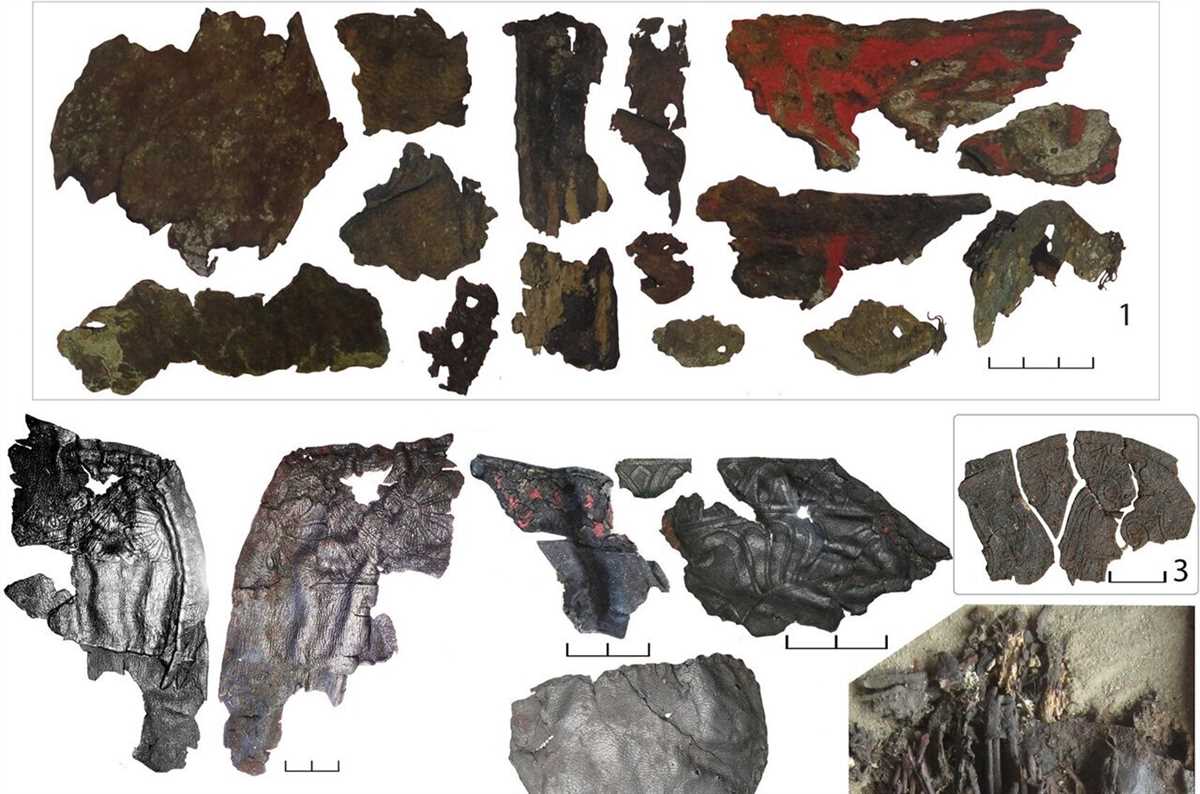
The main goal of archaeology is to reconstruct and understand the past by studying artifacts, structures, and other physical evidence left behind by ancient societies. These material remains can include pottery, tools, bones, and even entire buildings or cities. By analyzing these artifacts, archaeologists can gain insights into how people lived, their social structures, economic activities, and technological advancements.
Excavation plays a crucial role in archaeology, as it allows researchers to uncover and study the buried remains of past civilizations. The process involves carefully removing layers of soil and sediment to expose artifacts and other archaeological features. Stratigraphy, the study of layers of sediment and their chronological order, helps archaeologists understand the relative age of different archaeological materials.
Once artifacts and other materials are recovered, they are meticulously examined, documented, and analyzed in order to gain as much information as possible. This can involve techniques such as radiocarbon dating, which determines the age of organic materials, or microscopic analysis to study the wear and use of tools. The information collected from these analyses is used to reconstruct the past and contribute to our understanding of human history.
- Archaeology is not limited to just the study of ancient civilizations. It can also involve the investigation of more recent historical sites and events.
- Archaeologists often work alongside other professionals, such as historians, anthropologists, and geologists, to gain a multidisciplinary understanding of the past.
- Archaeology is an important tool for preserving and conserving cultural heritage.
Conclusion
Applied anthropology is a multifaceted and dynamic field that applies anthropological theories, methods, and knowledge to address contemporary social issues and challenges. It involves the collaboration between anthropologists and various stakeholders, including government agencies, non-profit organizations, communities, and industries, to develop practical solutions and interventions.
Through its holistic and cross-cultural approach, applied anthropology contributes to the understanding and improvement of human societies and their diverse cultural practices. It emphasizes the importance of cultural sensitivity, ethical considerations, and active engagement with communities, ensuring that interventions are respectful, sustainable, and beneficial.
Applied anthropologists employ a wide range of research methods, such as ethnographic research, participatory action research, and community-based research, to gather information, analyze social dynamics, and identify the needs and aspirations of the target populations. They then use this knowledge to inform policy-making, program development, and social change initiatives.
Whether through working with indigenous communities to preserve their cultural heritage, designing healthcare programs for marginalized populations, or advising corporations on cross-cultural communication strategies, applied anthropology has the potential to make a significant impact on the world.