Mastering the Ap Human Geography Chapter 10 Test: Answers and Strategies
If you’re studying for your AP Human Geography exam, chances are you’ll come across Chapter 10, which covers the topic of agriculture. This chapter is important because it explores how humans have used the Earth’s resources to produce food and other agricultural products throughout history. Understanding the concepts and theories discussed in this chapter is crucial for success on the exam.
One way to ensure that you’re well-prepared for the exam is by reviewing and studying the answers to the Chapter 10 test questions. This will not only help you gauge your understanding of the material but also familiarize you with the format and types of questions you can expect on the actual exam.
Within this article, we will provide you with the answers to the Chapter 10 test questions, allowing you to check your responses and identify any areas where you may need further study. By familiarizing yourself with these answers, you’ll be better equipped to tackle the exam with confidence and earn a high score.
Ap Human Geography Chapter 10 Test Answers

In the field of human geography, Chapter 10 focuses on the topic of agriculture. This chapter explores various aspects of agriculture, including different types of agriculture, agricultural regions, and the challenges faced by farmers around the world. To test your understanding of this material, here are some sample test answers to help you prepare for the Ap Human Geography Chapter 10 test.
1. Explain the concept of shifting cultivation.

Shifting cultivation, also known as slash-and-burn agriculture, is a traditional farming practice in which farmers clear a plot of land by cutting down and burning the vegetation, and then grow crops on the cleared land for a few years. Once the soil fertility decreases, the farmers move on to a new plot of land and repeat the process. This practice is common in tropical regions with nutrient-poor soils and is often used by indigenous communities.
2. What factors influence the location of commercial grain farming?
The location of commercial grain farming is influenced by several factors. Firstly, access to transportation networks is crucial, as grains need to be transported to markets and processing facilities. Proximity to consumers is also important to reduce transportation costs. Additionally, favorable climate conditions such as moderate rainfall and suitable temperatures play a role in determining the location. Finally, the availability of fertile soils and access to irrigation resources are important considerations for commercial grain farming.
3. Discuss the challenges faced by subsistence farmers.
Subsistence farmers, who grow crops and raise livestock to meet the needs of their families, face numerous challenges. One major challenge is the lack of access to modern agricultural techniques and technologies, which limits their productivity. They often rely on traditional farming methods and have limited access to fertilizers, pesticides, and improved seeds. Additionally, subsistence farmers are vulnerable to environmental factors such as droughts, floods, and pests, which can have detrimental effects on their crops and livestock. Limited access to markets and transportation infrastructure also hinders their ability to sell their produce at a fair price.
4. Compare and contrast intensive and extensive agriculture.
Intensive agriculture is a type of farming characterized by high inputs of labor, capital, and technology per unit of land. It involves the use of fertilizers, pesticides, and machinery to maximize crop yields. Intensive agriculture is commonly practiced in areas with high population densities and limited arable land. In contrast, extensive agriculture refers to farming systems that require minimal inputs of labor, capital, and technology per unit of land. It often involves large-scale land use and low population densities. Extensive agriculture is commonly practiced in areas with abundant land and low population pressures.
- Answer 1: Shifting cultivation, also known as slash-and-burn agriculture, is a traditional farming practice in which farmers clear a plot of land by cutting down and burning the vegetation, and then grow crops on the cleared land for a few years. Once the soil fertility decreases, the farmers move on to a new plot of land and repeat the process. This practice is common in tropical regions with nutrient-poor soils and is often used by indigenous communities.
- Answer 2: The location of commercial grain farming is influenced by several factors such as access to transportation networks, proximity to consumers, favorable climate conditions, availability of fertile soils, and access to irrigation resources.
- Answer 3: Subsistence farmers face challenges including limited access to modern agricultural techniques and technologies, vulnerability to environmental factors, and limited access to markets and transportation infrastructure.
- Answer 4: Intensive agriculture involves high inputs of labor, capital, and technology per unit of land, while extensive agriculture requires minimal inputs and often involves large-scale land use.
Understanding the Ap Human Geography Exam
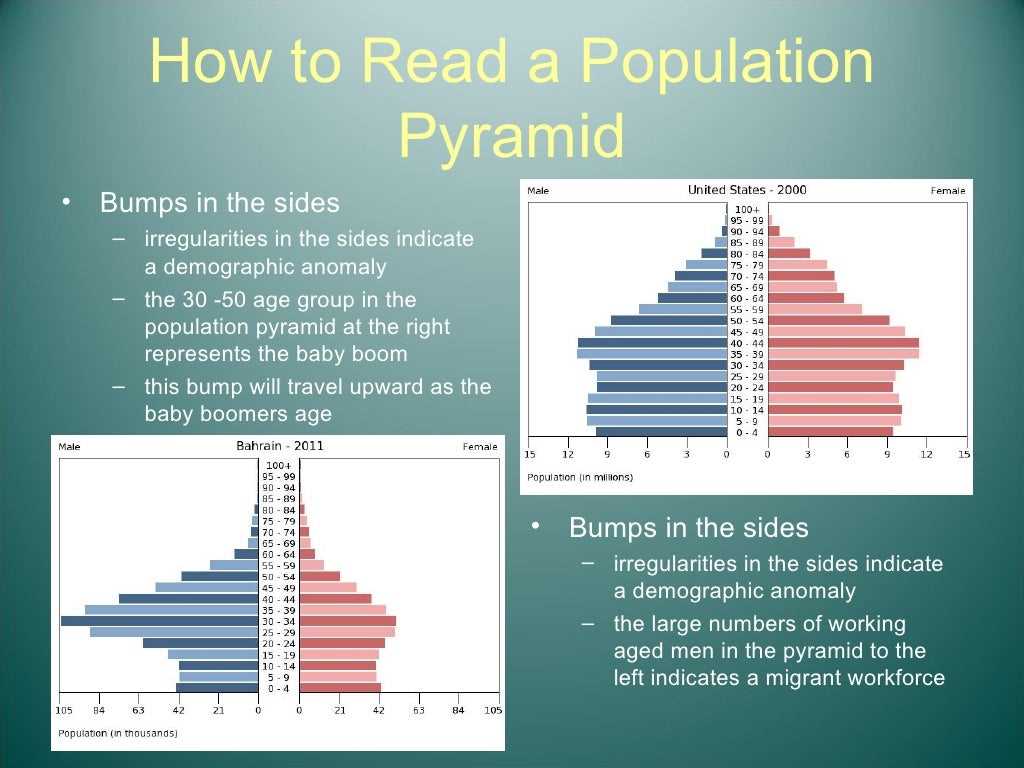
The Ap Human Geography exam is a challenging test that assesses students’ understanding of key concepts in human geography. It covers a wide range of topics including population, migration, cultural patterns, political geography, and urban development. To successfully prepare for the exam, it is important to have a comprehensive understanding of these topics and be able to apply that knowledge to real-world scenarios.
The exam consists of multiple-choice questions, free-response questions, and a case study question. The multiple-choice questions require students to analyze maps, data, and readings to answer questions about human geography concepts. The free-response questions ask students to demonstrate their knowledge in written form, often requiring them to explain concepts or analyze specific case studies. The case study question is more in-depth and requires students to analyze a provided scenario and develop a thoughtful response.
Preparing for the Ap Human Geography exam requires a thorough review of the course material, as well as practice completing sample questions and essays. It is important to become familiar with the format of the exam and the types of questions that may be asked. Additionally, utilizing study tools such as flashcards and study guides can help reinforce key concepts and aid in memorization. Taking advantage of review resources provided by the College Board, such as practice exams and scoring guidelines, can also be beneficial in preparing for the exam.
Overview of Chapter 10: Agriculture and Rural Land Use

In Chapter 10 of the AP Human Geography course, we explore the intricate relationship between agriculture and rural land use. This chapter focuses on the various factors that influence agricultural systems and practices, and the ways in which agriculture shapes the utilization of rural land.
Throughout the chapter, we examine the different types of agricultural systems and practices found around the world. This includes an exploration of the main types of agriculture, such as subsistence agriculture, commercial agriculture, and agribusiness. We also delve into the factors that influence the distribution and characteristics of these agricultural systems, including climate, soil fertility, topography, and technology.
The chapter further explores key concepts and topics related to agriculture, such as the Green Revolution, genetically modified organisms (GMOs), sustainable agriculture, and the challenges and opportunities presented by global food production. We analyze the impacts of agriculture on the environment, including deforestation, soil erosion, and water pollution. Additionally, we discuss the role of government policies and international trade agreements in shaping agricultural practices and land use patterns.
Throughout the chapter, students are encouraged to critically analyze the social, economic, and environmental implications of different agricultural practices and land use strategies. By understanding these complex relationships, students will gain a comprehensive understanding of the importance of agriculture and its role in shaping rural landscapes and societies. Through the examination of case studies and data analysis, students will develop a deeper appreciation for the challenges and opportunities associated with agriculture and rural land use in a global context.
Key Concepts Covered in the Test

In the AP Human Geography Chapter 10 test, students are expected to demonstrate their understanding of key concepts related to political geography. This branch of geography focuses on the study of political systems, boundaries, and the organization of power within territories. The test covers a range of topics, including political ideologies, types of government, the development of nation-states, and the impacts of political geography on various aspects of society.
One key concept covered in the test is the understanding of political ideologies. Students will need to identify and explain different ideologies such as democracy, communism, socialism, fascism, and liberalism. They will be asked to analyze the origins and characteristics of these ideologies and how they shape political systems around the world. Additionally, students will need to understand the impacts of these ideologies on the distribution of power and resources within a society.
- Another important concept covered in the test is the examination of political boundaries. Students will be required to analyze the factors that influence the creation and change of boundaries, such as physical geography, historical conflicts, and cultural differences. They will need to understand different types of boundaries, including natural, geometric, and cultural boundaries, and how these boundaries can impact political relationships and conflicts between countries.
- Students will also need to demonstrate their knowledge of the development of nation-states. This includes understanding the processes of nation-building, state-building, and nationalism. They will need to analyze the factors that contribute to the formation and consolidation of nation-states, such as ethnonationalism, colonialism, and decolonization. Additionally, students will need to identify different challenges to the formation of nation-states, such as separatist movements and the presence of multinational states.
Furthermore, the test will cover the impacts of political geography on various aspects of society. This includes the analysis of the relationship between political geography and economic development, social inequality, and cultural preservation. Students will need to understand how political systems and boundaries can either facilitate or hinder economic growth, influence social hierarchies, and affect cultural diversity.
Overall, the AP Human Geography Chapter 10 test covers a range of key concepts in political geography. Students will need to demonstrate their understanding of political ideologies, boundaries, nation-states, and the impacts of political geography on society. By mastering these concepts, students will be well-prepared to tackle real-world issues related to political geography.
Preparing for the Test: Study Tips and Strategies
When it comes to preparing for the AP Human Geography Chapter 10 Test, it is important to have a solid study plan in place. Here are some helpful tips and strategies to ensure you are well-prepared and confident on test day:
1. Start early: Begin studying well in advance of the test to give yourself ample time to review the material and understand key concepts. Cramming the night before will not lead to optimal results.
2. Review class notes: Go through your class notes and highlight important information and key terms. Organize this information into categories or themes to help you better understand and remember the material.
3. Utilize study guides: Look for study guides or review books specifically designed for AP Human Geography Chapter 10. These resources often provide summaries, practice questions, and other helpful tools to aid in your studying.
4. Practice with past exams: Locate past AP Human Geography Chapter 10 exams and take them under timed conditions. This will familiarize you with the format of the test and help you identify areas where you need further review.
5. Form study groups: Collaborate with classmates and form study groups to discuss and review the material. Explaining concepts to others can solidify your own understanding and provide different perspectives on the material.
6. Create flashcards: Make flashcards with important terms and definitions to aid in memorization. Quiz yourself regularly using these flashcards to reinforce your knowledge.
7. Seek help when needed: If you are struggling with certain concepts or have questions, don’t hesitate to seek help from your teacher or classmates. Understanding the material thoroughly is crucial for success on the test.
8. Take breaks: While it is important to dedicate time to studying, it is equally important to take breaks to rest and recharge. This will help prevent burnout and allow your brain to retain information more effectively.
By following these study tips and strategies, you can approach the AP Human Geography Chapter 10 Test with confidence and improve your chances of achieving a high score.
Answering Multiple-Choice Questions

Multiple-choice questions are a common type of test question used in various fields, including geography. These questions typically present a statement or a question, followed by a set of possible answer choices. The goal is to select the correct answer choice from the given options.
When answering multiple-choice questions, it is important to carefully read and understand the question or statement before looking at the answer choices. Pay attention to any specific details mentioned and try to identify any keywords or key phrases that can help guide your thinking.
- Eliminate incorrect options: Start by eliminating any answer choices that you know are incorrect. This can help narrow down the possible choices and increase the likelihood of selecting the correct answer.
- Look for clues: Sometimes, the other options can provide clues about the correct answer. Pay attention to any patterns or themes that may emerge among the choices.
- Use the process of elimination: If you are unsure of the correct answer, use the process of elimination. Cross out options that you know are incorrect, and then compare the remaining choices to see which one makes the most sense.
- Be cautious of traps and distractors: Test creators often include incorrect answer choices that seem plausible to confuse test-takers. Be on the lookout for these traps and distractors, and make sure to analyze each option carefully before making a final selection.
Overall, answering multiple-choice questions effectively requires careful reading, critical thinking, and attention to detail. By following these strategies, you can increase your chances of selecting the correct answer and performing well on your geography tests.
Reviewing Free-Response Questions

In the field of AP Human Geography, free-response questions are an essential part of the examination. These questions require students to demonstrate their knowledge and understanding of key concepts, theories, and methodologies in the subject. They often involve analyzing data, interpreting maps, and providing detailed explanations.
1. Understand the Question: One of the most important steps in answering a free-response question is to fully comprehend what is being asked. Take the time to carefully read and analyze the question prompt, making sure to identify any specific instructions or requirements.
2. Organize your Thoughts: Before diving into your answer, it is crucial to organize your thoughts and create a clear outline. This will help you structure your response in a logical and coherent manner. Consider breaking down the question into smaller parts and addressing each component separately.
3. Use Relevant Examples: To support your arguments and demonstrate your understanding, it is helpful to provide relevant examples. These examples can be drawn from real-world scenarios, historical events, or theoretical frameworks. Make sure your examples are specific and well-explained.
4. Show Depth of Analysis: In order to receive high scores, it is important to show depth of analysis in your response. This means going beyond surface-level explanations and delving into the complexities of the topic. Consider exploring different perspectives, evaluating potential implications, and discussing any relevant controversies or debates.
5. Proofread and Revise: Lastly, before submitting your answer, take the time to proofread and revise. Check for any grammatical or spelling errors, ensure that your sentences are clear and concise, and make sure that your response fully addresses the question prompt.
- Overall, reviewing free-response questions in AP Human Geography requires careful attention to detail and a strong command of the subject matter. By understanding the question, organizing your thoughts, using relevant examples, showing depth of analysis, and proofreading your response, you can effectively tackle these questions and demonstrate your knowledge and skills in the field.