Understanding the Dynamics of Equilibrium: Unraveling Answers to AP Macro Topic 1.6 Changes
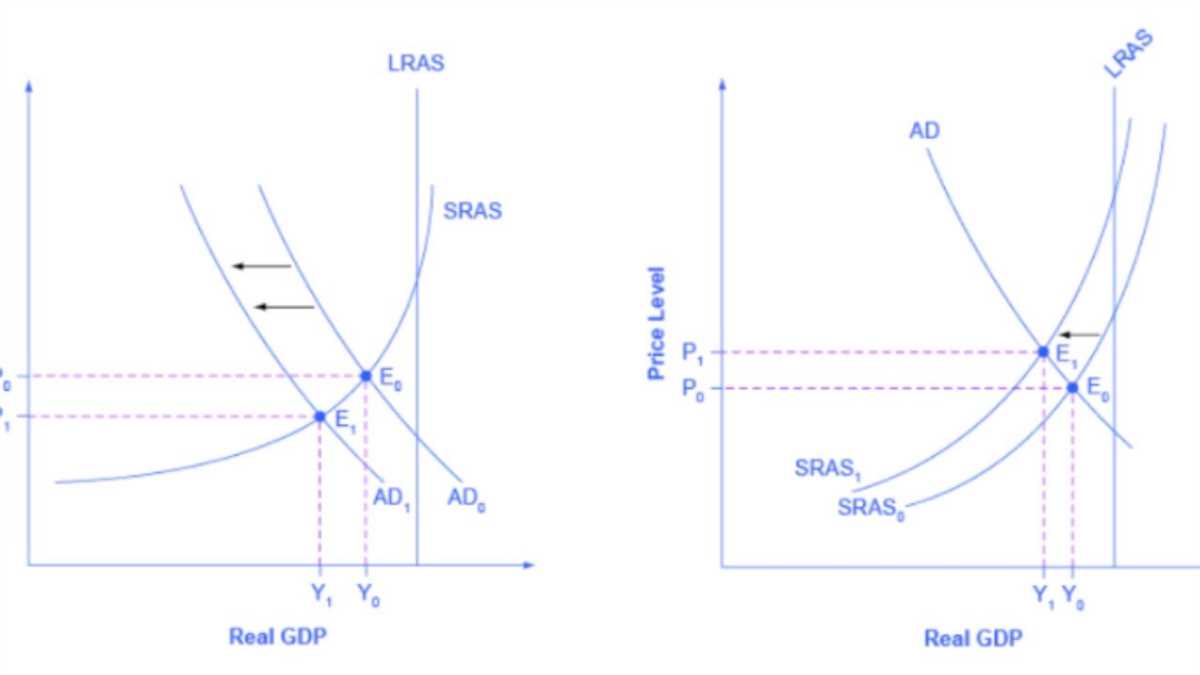
Changes in equilibrium are an essential concept in macroeconomics. Equilibrium is the state in which the quantity supplied and the quantity demanded of a good or service are equal. Any changes in the economy can disrupt this equilibrium, leading to a shift in either the supply or demand curve.
One factor that can cause a shift in supply is changes in production costs. For example, if the cost of raw materials or labor increases, suppliers may choose to decrease their production, leading to a leftward shift in the supply curve. On the other hand, if production costs decrease, suppliers may increase their production, resulting in a rightward shift in the supply curve.
Changes in demand can also influence equilibrium. Factors such as changes in consumer preferences, incomes, or the prices of related goods can affect demand. If consumers develop a preference for a particular product, the demand for that product will increase, leading to a rightward shift in the demand curve. Conversely, if incomes decrease, consumers may reduce their demand for certain goods, causing a leftward shift in the demand curve.
Understanding and analyzing changes in equilibrium is crucial for policymakers and economists. By studying these changes, they can predict and respond to shifts in the economy, helping to maintain stability and promote growth. Additionally, businesses can use this knowledge to adjust their production and pricing strategies to maximize profits in a changing market.
Understanding Changes in Equilibrium: AP Macro Topic 1.6 Answers
Changes in equilibrium are an important concept in macroeconomics. Equilibrium refers to the point at which demand equals supply in a market, and any changes to the factors affecting demand or supply can shift the equilibrium. In AP Macro Topic 1.6, we delve into the various factors that can cause changes in equilibrium and how these changes impact the overall economy.
One key concept in understanding changes in equilibrium is the determinants of demand and supply. These determinants include factors such as consumer preferences, population growth, income levels, technology, and resource availability. Any changes in these determinants can cause shifts in the demand or supply curve, leading to a new equilibrium price and quantity in the market.
For example, if there is an increase in consumer income, it will lead to an increase in demand for certain goods and services. This shift in demand will result in a higher equilibrium price and quantity. On the other hand, if there is a decrease in the availability of resources, it will lead to a decrease in supply, pushing the equilibrium price and quantity higher.
Understanding how changes in equilibrium occur and their impact on the economy is crucial for policymakers. By analyzing the determinants of demand and supply, policymakers can make informed decisions to stabilize the economy and address any imbalances. They can implement policies such as fiscal or monetary measures to stimulate demand or increase supply, depending on the specific circumstances.
In conclusion, changes in equilibrium are an integral part of macroeconomics. By understanding the determinants of demand and supply and how they can shift the equilibrium, we can gain insights into the functioning of markets and the overall economy. Policymakers play a crucial role in responding to these changes and ensuring economic stability through appropriate measures.
An Overview of Equilibrium
Equilibrium is an important concept in economics that refers to a state of balance in a market. It occurs when the quantity supplied by producers is equal to the quantity demanded by consumers at a given price. At equilibrium, there is no surplus or shortage in the market, and the market clears.
In equilibrium, the price remains stable because there is no pressure for it to change. If the price is above the equilibrium level, there will be a surplus of goods, as producers are unable to sell all of their output. This surplus puts downward pressure on prices, eventually leading to a decrease in the price until equilibrium is reached. On the other hand, if the price is below the equilibrium level, there will be a shortage of goods, as consumers demand more than producers are willing to supply. This shortage puts upward pressure on prices, eventually leading to an increase in the price until equilibrium is reached.
The concept of equilibrium is represented graphically by the intersection of the supply and demand curves. The equilibrium price is found at this intersection point, and the equilibrium quantity is the quantity exchanged at that price. Any changes in the determinants of supply or demand will cause shifts in these curves, leading to a new equilibrium point. For example, an increase in consumer income would shift the demand curve to the right, leading to a higher equilibrium price and quantity.
In summary, equilibrium is a state of balance in a market where the quantity supplied equals the quantity demanded at a given price. It ensures that there is no surplus or shortage, and the market clears. Changes in supply or demand can cause shifts in the equilibrium point, leading to changes in price and quantity. Understanding equilibrium is crucial in analyzing market dynamics and predicting the effects of various economic factors.
Factors Influencing Equilibrium
Equilibrium is a state where the supply and demand for a particular good or service are balanced, resulting in a stable price and quantity. Several factors can influence equilibrium and cause changes in the market.
1. Changes in supply: If there is an increase in the supply of a product, meaning more goods or services are available in the market, the equilibrium price will decrease. Conversely, a decrease in supply will result in an increase in the equilibrium price. This is because an increase in supply creates a surplus, leading to price competition among sellers, while a decrease in supply creates a scarcity, driving prices up.
2. Changes in demand: When the demand for a product increases, meaning consumers are willing to buy more of it at a given price, the equilibrium price will increase. On the other hand, a decrease in demand will lower the equilibrium price. Changes in demand can be influenced by factors such as consumer preferences, income levels, and the availability of substitutes.
3. Changes in production costs: If there is an increase in production costs, such as wages or raw material prices, suppliers may pass on these costs to consumers in the form of higher prices. This will result in an increase in the equilibrium price. Conversely, a decrease in production costs can lead to a decrease in the equilibrium price.
4. Government intervention: Government policies, such as taxes, subsidies, or regulations, can also impact equilibrium. For example, a tax on a good will increase the cost of production and shift the supply curve to the left, resulting in a higher equilibrium price. Subsidies, on the other hand, can lower production costs and shift the supply curve to the right, leading to a lower equilibrium price.
5. External shocks: Unexpected events, such as natural disasters, changes in international trade policies, or technological advancements, can also disrupt equilibrium. These shocks can affect both supply and demand, leading to changes in the equilibrium price and quantity.
In conclusion, equilibrium in a market is influenced by various factors, including changes in supply and demand, production costs, government intervention, and external shocks. Understanding these factors is crucial for analyzing and predicting changes in equilibrium in different economic situations.
Shifts in Demand and Supply

The concept of equilibrium is central to understanding how markets function. Equilibrium occurs when the quantity demanded by consumers equals the quantity supplied by producers at a given price. However, the equilibrium can be disrupted by shifts in demand and supply, leading to changes in price and quantity.
Shifts in demand occur when there is a change in the factors influencing consumer preferences and purchasing power. For example, an increase in consumer income can lead to a shift in demand for luxury goods, resulting in a higher equilibrium price and quantity. On the other hand, a decrease in consumer income can lead to a shift in demand for lower-priced goods, causing a decrease in the equilibrium price and quantity.
Shifts in supply occur when there is a change in the factors influencing producer costs and production capabilities. For example, an increase in the cost of raw materials can lead to a decrease in supply, causing a higher equilibrium price and a lower quantity. Conversely, a decrease in production costs can lead to an increase in supply, resulting in a lower equilibrium price and a higher quantity.
It is important to note that shifts in demand and supply can occur independently or simultaneously. When both demand and supply shift in the same direction, the impact on price is certain, but the effect on quantity is uncertain. However, when demand and supply shift in opposite directions, both the price and quantity change.
In conclusion, shifts in demand and supply are essential concepts in understanding changes in equilibrium. By analyzing the factors that influence consumer preferences, purchasing power, producer costs, and production capabilities, we can predict the impact of these shifts on price and quantity in a market.
Impact of Government Policies on Equilibrium

Government policies can have a significant impact on the equilibrium of a market. One of the primary ways in which government policies affect equilibrium is through price controls. Price controls, such as price ceilings and price floors, set limits on the price at which a product can be bought or sold. This can lead to shortages or surpluses in the market and cause the equilibrium price and quantity to be different from the market-clearing price and quantity.
For example, if the government imposes a price ceiling below the market equilibrium price, the quantity demanded will exceed the quantity supplied, leading to a shortage in the market. This can result in long waiting lines, black markets, and an inefficient allocation of resources. On the other hand, if the government imposes a price floor above the market equilibrium price, the quantity supplied will exceed the quantity demanded, leading to a surplus in the market. This can result in excess inventory, wasted resources, and a price that is higher than what consumers are willing to pay.
In addition to price controls, government policies can also impact equilibrium through taxes and subsidies. Taxes increase the cost of production for firms and can shift the supply curve to the left, leading to a higher equilibrium price and a lower equilibrium quantity. Subsidies, on the other hand, decrease the cost of production for firms and can shift the supply curve to the right, leading to a lower equilibrium price and a higher equilibrium quantity. These policies can have both intended and unintended consequences on market equilibrium.
Overall, government policies play a crucial role in shaping the equilibrium of markets. Price controls, taxes, and subsidies all have the potential to disrupt market equilibrium and can have significant economic effects. It is important for policymakers to carefully consider the potential impacts of these policies and weigh the costs and benefits before implementing them.
Interpreting Equilibrium Changes
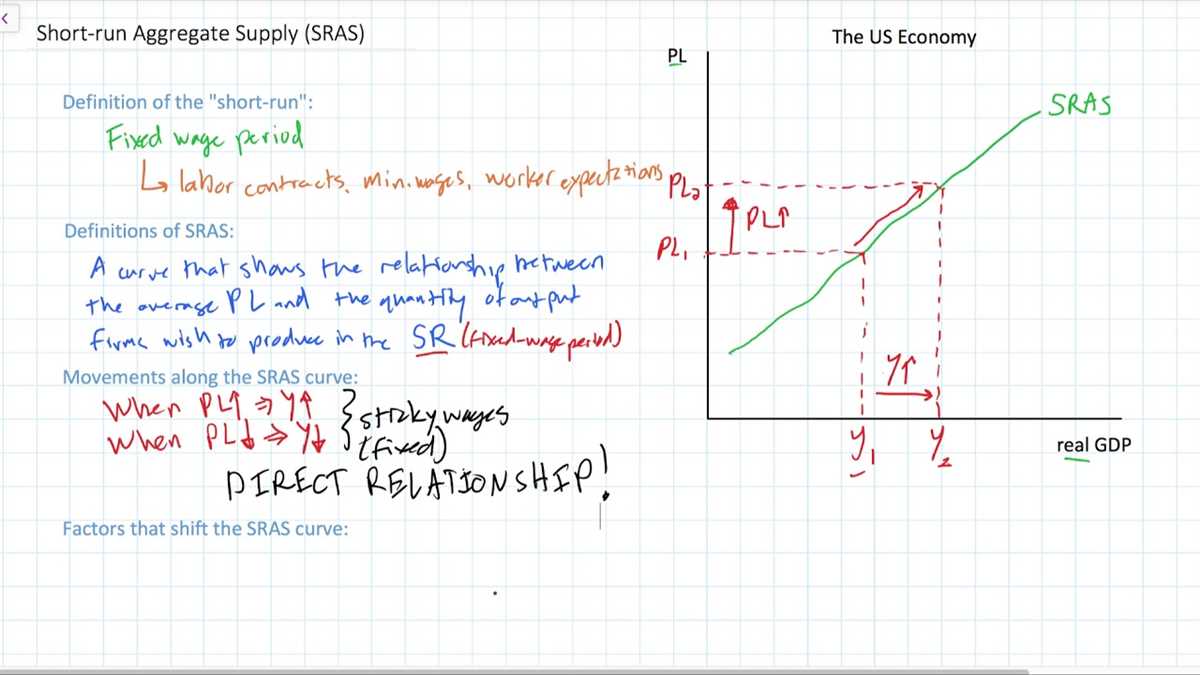
When studying macroeconomics, one of the fundamental concepts that is often discussed is equilibrium. Equilibrium represents a state of balance or stability in the economy, where supply and demand are in perfect harmony. However, the equilibrium state is not static and can be subject to various changes that have important implications for the economy as a whole.
In order to interpret equilibrium changes, it is important to understand the factors that can cause a shift in either the supply or demand curves. For example, changes in consumer preferences, income levels, or government policies can all lead to shifts in demand. On the other hand, changes in technology, input prices, or regulations can affect the supply curve. By analyzing the specific factors that lead to an equilibrium change, economists can gain valuable insights into the overall state of the economy.
Equilibrium changes can have significant impacts on prices and quantity levels in the market. For instance, an increase in demand without a corresponding increase in supply can lead to a shortage, resulting in higher prices and potentially limited availability of goods and services. On the other hand, a decrease in demand can create a surplus, leading to lower prices and excess supply. These price changes can have a ripple effect throughout the economy, influencing consumer behavior and business decisions.
Understanding and interpreting equilibrium changes is crucial for policymakers and businesses alike. By analyzing the factors that drive these changes, policymakers can make informed decisions to stabilize the economy or address specific issues. Businesses can also use this information to adapt their strategies and adjust production levels to meet the changing demand conditions. Ultimately, a clear understanding of equilibrium changes allows for a better understanding of the complexities of the macroeconomy and informs decision-making in both the public and private sectors.
Applying the Concept of Equilibrium in Real-World Scenarios
In conclusion, the concept of equilibrium plays a crucial role in understanding and analyzing various real-world scenarios in economics. By studying the forces that drive changes in equilibrium, economists can predict and explain the impacts of certain events or policies on markets and economies.
Equilibrium analysis allows economists to make informed decisions and recommendations in areas such as price controls, taxation, international trade, and monetary policy. By examining the effects of these factors on the equilibrium price and quantity, policymakers can anticipate the potential consequences and outcomes.
Furthermore, understanding the dynamics of equilibrium can help businesses and individuals make strategic decisions. For example, firms can assess the impact of changes in demand or supply on their pricing and production decisions. Consumers can analyze how changes in prices affect their purchasing power and make informed choices.
In summary, equilibrium analysis provides a framework for understanding the intricate workings of markets and economies. By analyzing the forces that influence supply and demand, economists can predict and explain the outcomes of various scenarios. Equilibrium analysis is an important tool for policymakers, businesses, and individuals to make informed decisions and understand the complexities of the economy.
Q&A:
What is the concept of equilibrium?
The concept of equilibrium refers to a state of balance or stability achieved when opposing forces or influences are equal.
How is the concept of equilibrium applied in real-world scenarios?
The concept of equilibrium is applied in various real-world scenarios, such as economics, physics, and environmental science, to understand and explain the behavior of systems. For example, in economics, the concept of equilibrium is used to determine market prices and quantities. In physics, it is used to analyze the forces acting on objects, while in environmental science, it is used to model population dynamics and ecological systems.
Can you give an example of equilibrium in economics?
One example of equilibrium in economics is the market equilibrium, where the quantity demanded equals the quantity supplied at a certain price. This is determined by the intersection of the demand and supply curves. At this point, there is no excess demand or supply, and the market is in a state of balance.
How does equilibrium apply to environmental science?
In environmental science, equilibrium is used to model population dynamics and the interactions between different species in an ecosystem. It helps determine the stability of an ecosystem and predict the effects of disturbances. Equilibrium can also be used to analyze the pollution or nutrient levels in a body of water, ensuring that they are within acceptable limits for a healthy ecosystem.