10 Tips to Improve your ASCP Exam Scores and Ace Your Certification
Preparing for and taking the American Society for Clinical Pathology (ASCP) exams is a crucial step for anyone pursuing a career in the field of medical laboratory science. These exams test the knowledge and skills required to become a certified medical laboratory scientist (MLS), medical laboratory technician (MLT), histotechnician (HT), or phlebotomy technician (PBT). The ASCP exam scores play a significant role in determining whether an individual meets the required standards and can obtain their certification.
The ASCP exam scores are based on a scaled scoring system, which ensures that the scores reflect the difficulty level of the questions. This means that the scores are not based solely on the number of correct answers, but also take into account the overall performance of all the exam takers. The scores are reported on a scale ranging from 0 to 999, with a passing score typically being set at 400 or higher.
Obtaining a passing score on the ASCP exams is essential for individuals as it validates their knowledge and skills in their respective fields. It also demonstrates their ability to perform the necessary tasks and responsibilities required for their profession. Furthermore, many employers require candidates to have ASCP certification, making a passing score on these exams crucial for career advancement and job opportunities.
What Are ASCP Exam Scores and How Are They Calculated?
ASCP (American Society for Clinical Pathology) offers a range of certification exams for laboratory professionals, including the Medical Laboratory Technician (MLT) and Medical Laboratory Scientist (MLS) exams. These exams are designed to assess an individual’s knowledge and skills in the field of laboratory science. The ASCP exam scores play a crucial role in determining whether a candidate meets the requirements for certification.
The ASCP exam scores are calculated based on a scaled scoring system, where each exam question is assigned a certain point value. The point values are determined through a rigorous statistical analysis process that takes into account factors such as question difficulty and reliability. This ensures that the scores accurately reflect the candidate’s performance on the exam.
During the exam, each question is scored as either correct or incorrect. The overall score is then calculated by summing up the point values of all correctly answered questions. The scoring process takes into consideration the different weightage assigned to each section of the exam, as well as any adjustments made for statistical equating.
It is important to note that ASCP does not disclose the specific passing scores for their exams. Instead, they use a criterion-referenced approach to determine passing scores, which takes into account the knowledge and skills necessary for competent practice in the field. This ensures that individuals who pass the exam have demonstrated a sufficient level of proficiency in their respective roles.
Once the exam scores are calculated, candidates will receive an official score report from ASCP. This report will provide detailed information about the candidate’s performance, including the overall score, scores in each content area, and a percentile rank compared to other candidates who have taken the exam. This information can be used to identify areas of strength and weakness and guide further professional development.
- In summary, ASCP exam scores are calculated using a scaled scoring system based on the point values assigned to each question.
- Passing scores are determined through a criterion-referenced approach, ensuring that candidates meet the necessary knowledge and skills for competent practice in their field.
- The official score report provides detailed information about the candidate’s performance and can be used for self-assessment and professional development.
Understanding the ASCP Exam Scoring System
When preparing for the ASCP exam, it is important to understand how the scoring system works. The American Society for Clinical Pathology (ASCP) uses a scaled scoring method to determine the final score for each candidate. This method ensures that the difficulty level of each version of the exam is taken into account, so that scores can be compared fairly across different administrations of the test.
The ASCP exam consists of multiple-choice questions, and each question is assigned a certain number of points based on its difficulty level. The more difficult the question, the higher the number of points it is worth. The total number of points a candidate can earn on the exam is determined by the number of questions answered correctly.
The scoring process begins by calculating the raw score, which is the total number of questions answered correctly. This raw score is then converted into a scaled score, ranging from 0 to 999. The scaled score is a standardized measure of a candidate’s performance on the exam, and it takes into account the difficulty level of the questions answered correctly.
It is important to note that the passing score for the ASCP exam is 400. This means that candidates must achieve a scaled score of at least 400 to pass the exam and become certified. The higher the scaled score, the better the candidate’s performance on the exam.
If a candidate does not pass the exam on their first attempt, they have the option to retake the exam. However, it is important to keep in mind that the ASCP enforces a waiting period before a candidate can retake the exam. This waiting period allows candidates to adequately prepare and improve their knowledge and skills before attempting the exam again.
Factors That Determine ASCP Exam Scores
When preparing for the ASCP exam, it is important to understand the factors that can influence your scores. The ASCP exam is a challenging test that assesses the knowledge and skills of individuals in the field of laboratory sciences. Here are some key factors that can determine your ASCP exam scores:
- Knowledge and Understanding: Your performance on the ASCP exam is heavily influenced by your knowledge and understanding of the subject matter. It is essential to have a deep understanding of the concepts, theories, and practical applications related to laboratory sciences. This includes topics such as hematology, microbiology, clinical chemistry, immunology, and molecular diagnostics.
- Preparation and Study Habits: The level of preparation and study habits can greatly impact your ASCP exam scores. It is important to develop a study schedule and stick to it. This may involve reviewing textbooks, attending review courses, participating in practice exams, and utilizing online resources. Consistency and dedication in your study habits can lead to better understanding and retention of the material.
- Test-Taking Skills: Effective test-taking skills can make a difference in your ASCP exam scores. Familiarize yourself with the format and structure of the exam, including the types of questions and time constraints. Practice time management during mock exams to ensure you can answer all the questions within the given time frame. Additionally, learn strategies for eliminating incorrect answer choices and for tackling difficult questions.
- Experience and Practical Skills: While theoretical knowledge is important, practical skills and experience can also impact your ASCP exam scores. The exam may include questions that assess your ability to apply knowledge in real-life laboratory scenarios, interpret test results, and make appropriate recommendations. Having hands-on experience in a laboratory setting can enhance your understanding of the subject matter and increase your chances of scoring well on the exam.
- Confidence and Test Anxiety: Confidence plays a significant role in exam performance. Feeling confident in your abilities and staying calm during the exam can improve your focus and concentration. On the other hand, test anxiety can negatively impact your scores. It is important to manage stress and anxiety through relaxation techniques, such as deep breathing and positive self-talk.
By considering these factors and dedicating time and effort to each aspect, you can increase your chances of achieving a high score on the ASCP exam and advancing in your career in laboratory sciences.
How to Interpret Your ASCP Exam Score

Passing the ASCP exam is a significant achievement for individuals seeking to become certified in their chosen healthcare profession. Understanding how to interpret your exam score can provide valuable insights into your performance and help you identify areas for improvement. Here are some key points to consider when interpreting your ASCP exam score:
1. Score Range
ASCP exam scores typically range from 0 to 999, with a passing score usually set at 400 or above. The score range allows for a comprehensive assessment of your knowledge and skills in the specific area of study. It is important to keep in mind that the passing score may vary depending on the exam and certification you are pursuing.
2. Percentile Rank

Another useful metric to consider is your percentile rank, which compares your performance to that of other test takers. For example, if your percentile rank is 75%, it means you performed better than 75% of the individuals who took the exam. Percentile ranks can give you a better understanding of how you stack up against your peers.
3. Content Areas
The ASCP exam is designed to evaluate your knowledge in specific content areas relevant to your healthcare profession. Your score report may provide a breakdown of your performance in different content areas, highlighting your strengths and weaknesses. This breakdown can help you focus your studying efforts on the areas where you need improvement.
4. Retake Options
If you did not achieve a passing score on the ASCP exam, it is important to review your score report and identify the areas where you fell short. The score report can guide you in developing a targeted study plan to improve your performance. It is also worth noting the retake options available to you, as retaking the exam can give you another chance to demonstrate your knowledge and skills.
5. Seeking Guidance
If you are unsure how to interpret your ASCP exam score or need further guidance, consider reaching out to your program director, a mentor, or a professional organization. They can provide you with valuable insights and advice on how to interpret your score and develop an effective plan for future success.
In conclusion, interpreting your ASCP exam score involves considering the score range, percentile rank, content areas, and retake options. Understanding these aspects can help you gain insight into your performance and make informed decisions about your certification journey.
Tips to Improve Your ASCP Exam Scores

Preparing for and taking the ASCP exam can be a daunting task, but with the right preparation and strategies, you can improve your chances of success. Here are some tips that can help you boost your ASCP exam scores:
Study efficiently and effectively
- Set a study schedule: Dedicate specific times each day or week for studying and stick to the schedule.
- Focus on high-yield topics: Identify the key areas that are most likely to be tested and prioritize your study time accordingly.
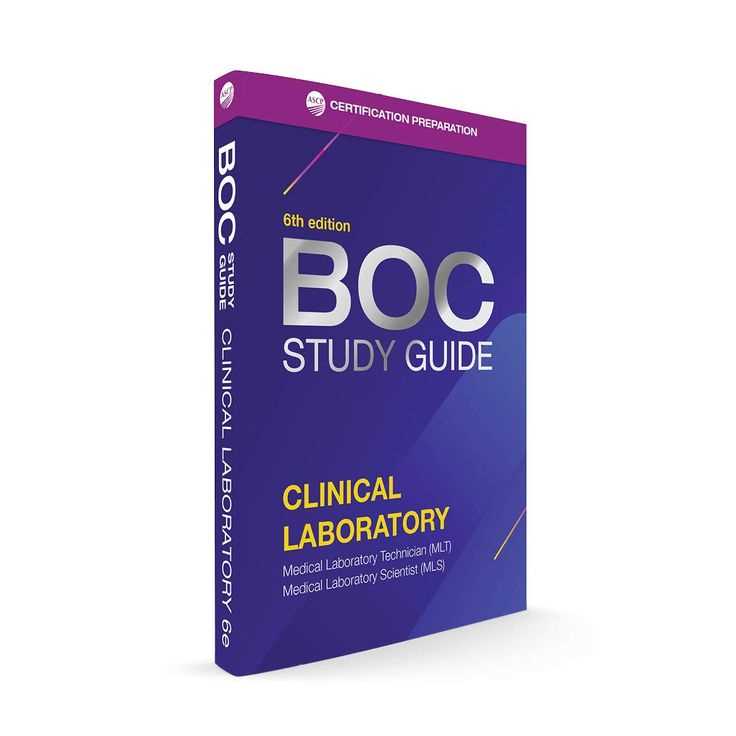
- Use reliable study materials: Choose textbooks, online resources, and practice exams that are recommended by experienced professionals or previous test takers.
- Take practice exams: Familiarize yourself with the format and types of questions you will encounter on the actual ASCP exam by taking practice exams. This can help you identify your weak areas and focus your studying.
Develop effective test-taking strategies
- Read the instructions carefully: Before starting each section of the exam, make sure you understand the instructions and requirements.
- Manage your time: Pace yourself during the exam to ensure you have enough time to answer all the questions. If you get stuck on a difficult question, move on and come back to it later.
- Eliminate wrong answers: Use the process of elimination to narrow down your options and increase your chances of selecting the correct answer.
- Review your answers: If time permits, go through your answers again to catch any mistakes or overlooked details.
Take care of your physical and mental well-being
- Get enough sleep: Make sure you get a good night’s sleep before the exam to feel refreshed and alert.
- Eat a balanced diet: Nourish your body with healthy meals and snacks to maintain focus and energy during the exam.
- Stay hydrated: Drink enough water to keep yourself hydrated, as dehydration can affect cognitive function.
- Manage stress: Find healthy coping mechanisms, such as exercise or meditation, to keep stress levels in check and maintain a clear mind during the exam.
By following these tips and approaches, you can optimize your preparation and increase your confidence when taking the ASCP exam. Remember to stay focused, stay positive, and trust in your abilities. Good luck!
Comparing ASCP Exam Scores to National Averages
The ASCP exam is a widely recognized and respected test for medical laboratory professionals. It assesses the knowledge and skills of individuals in various laboratory disciplines. Understanding how individual scores compare to national averages can provide valuable insights into performance and areas for improvement.
Based on recent data analysis, the average ASCP exam score is [insert average score]. This score serves as a benchmark for evaluating individual performance. Scores above the national average indicate a strong understanding of the subject matter and a higher likelihood of success in the field. Conversely, scores below the national average highlight potential areas for further study and growth.
It is important to note that the national average is not a definitive measure of success or failure. Each individual’s journey and circumstances differ, and a variety of factors can influence exam performance. However, comparing scores to the national average can provide a helpful context and guide for future learning and development.
To support individuals in achieving higher scores, it is recommended to utilize study materials and resources specifically designed for the ASCP exam. These resources can help target areas of weakness, reinforce understanding of core concepts, and increase overall confidence and readiness for the test.
In conclusion, understanding how your ASCP exam scores compare to national averages can provide valuable insights into your performance. It can help identify areas for improvement and guide your study efforts. Remember, exam scores should be seen as a tool for growth and development rather than a sole measure of success. Utilize resources and strategies to enhance your knowledge and skills, and strive for continuous improvement in your professional journey.