The Epic Battle: Mastering the Beowulf Exam
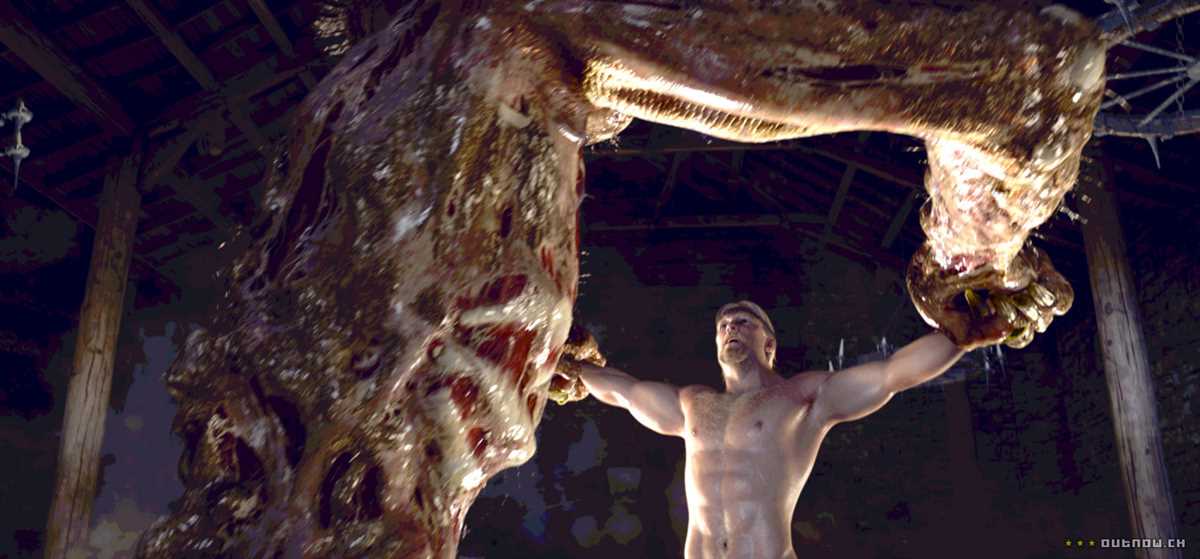
Beowulf is a famous Old English epic poem that dates back to the 8th century. It is considered one of the earliest and most important works of English literature. The poem tells the story of the hero Beowulf, a Geatish warrior who comes to the aid of the Danish king Hrothgar, whose kingdom is under attack by the monster Grendel. Beowulf’s heroic deeds and battles against various monsters have inspired countless adaptations, translations, and interpretations over the centuries.
As a result, Beowulf is often studied in literature and English classes. Students are required to read the poem and analyze its themes, characters, and literary techniques. To assess their understanding of the text, teachers often administer Beowulf exams, which can include multiple-choice questions, short answer questions, and essay prompts.
These exams test students’ knowledge of the poem’s plot, as well as their ability to critically analyze its themes and symbolism. Students may be asked to discuss the significance of the mead hall in the story or analyze the role of Christianity in Beowulf. They may also be asked to compare and contrast Beowulf’s character with another epic hero from a different culture, such as Odysseus from Greek mythology.
Overall, the Beowulf exam is a valuable tool for assessing students’ understanding of the poem and their ability to analyze and interpret literary texts. It challenges students to think critically, use evidence from the text to support their arguments, and engage with the historical and cultural context of the poem. By studying Beowulf, students not only gain an appreciation for one of the oldest surviving works of English literature but also develop important analytical and critical thinking skills that can be applied to other texts and academic disciplines.
What is Beowulf?
Beowulf is an epic poem that dates back to the 8th century. It is one of the oldest known works of literature in the English language. The poem tells the story of Beowulf, a legendary hero who embarks on a series of heroic adventures.
At its core, Beowulf is an exploration of heroism, honor, and the struggle between good and evil. The poem is set in a world filled with monsters and supernatural creatures, and Beowulf’s heroic deeds are often the only hope for his people. He embodies the qualities of a perfect hero: bravery, strength, and loyalty.
One of the most famous aspects of Beowulf is its use of alliteration, a poetic technique where words in a line begin with the same sound. This gives the poem a distinct and rhythmic quality, making it memorable and captivating. The language of Beowulf is Old English, a precursor to modern English, and reading the poem in its original form can be challenging for modern readers.
Beowulf has had a profound influence on English literature and has inspired countless works of art and literature. It has been translated into numerous languages and continues to be studied and analyzed by scholars. The poem is not only a historical treasure, but it also provides valuable insights into the culture, beliefs, and values of the people of the time.
The History and Background of Beowulf
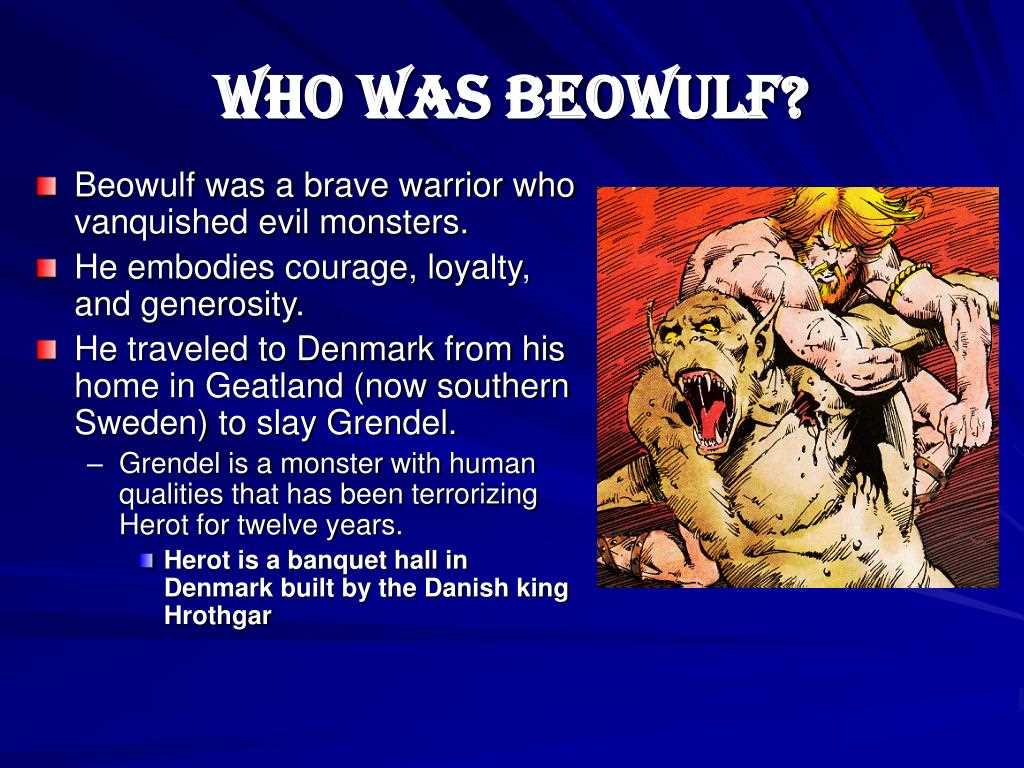
Beowulf is an epic poem that originated in Anglo-Saxon England and is believed to have been written between the 8th and 11th centuries. It is considered one of the most important works of Old English literature and provides valuable insights into the culture, society, and beliefs of the time. The poem tells the story of a heroic warrior named Beowulf and his battles against various monsters and adversaries.
Historical Context: Beowulf is set in Scandinavia during the 6th century, a time when Germanic tribes were migrating and establishing kingdoms in England. The poem reflects the violence and warfare that characterized this period, as well as the values of bravery, loyalty, and honor that were held in high regard. It also showcases the complex social hierarchy of the time, with kings, warriors, and thanes playing significant roles in the narrative.
Key Themes:
- Heroism: Beowulf embodies the heroic ideal of the time, with his superhuman strength, courage, and willingness to sacrifice for the greater good. His actions and feats of valor serve as a model for others.
- Fate and Destiny: The concept of fate, or wyrd, plays a central role in Beowulf. The characters believe that their lives are predetermined and that they cannot escape their destinies.
- Good vs. Evil: The poem explores the constant battle between good and evil forces, with Beowulf representing the forces of good and the monsters representing evil. This theme reflects the Christian influences present in the poem.
- Legacy and Reputation: The idea of leaving behind a lasting legacy and being remembered for one’s deeds is a recurring theme in Beowulf. The characters strive for glory and immortality through their heroic acts.
In conclusion, Beowulf is a significant piece of literature that provides valuable insights into the history, culture, and beliefs of Anglo-Saxon England. Its exploration of heroism, fate, good vs. evil, and the pursuit of legacy continues to resonate with readers today.
Key Themes and Symbols in Beowulf
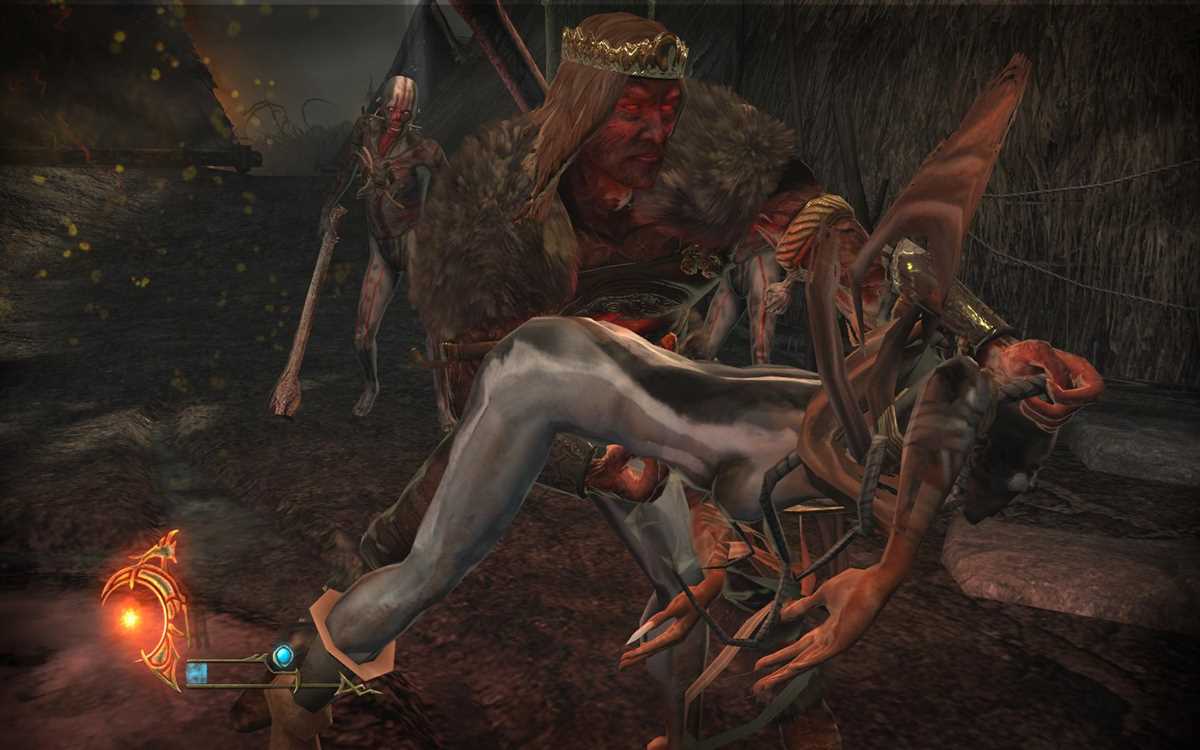
Beowulf, one of the oldest and most important works of Old English literature, explores several key themes and employs various symbols to convey its messages. These themes and symbols help to illuminate the heroic and mythical world of the poem, showcasing the values and ideals of the time.
One of the central themes in Beowulf is the concept of heroism and hero’s duty. The poem celebrates the heroic code of conduct, where a warrior would willingly risk his life in defense of his people and lord. Beowulf embodies this ideal, as he fearlessly battles the monstrous Grendel and the dragon, showcasing his strength, courage, and loyalty. This theme of heroism speaks to the cultural values of the Anglo-Saxon society, where bravery and honor were highly esteemed.
Another important theme in Beowulf is the inevitability of fate. Throughout the poem, characters often reference their belief in wyrd, the Anglo-Saxon concept of fate or destiny. This idea suggests that one’s life is predetermined and that events unfold according to a grand cosmic plan. The poem emphasizes the powerlessness of mortals in the face of fate, as even the mighty Beowulf is unable to escape his ultimate destiny. This theme of fate raises questions about the nature of free will and the transient nature of human existence.
- The mead-hall: The mead-hall of Heorot serves as a symbol of civilization and social order. It represents a safe haven where the king and his warriors gather to celebrate their victories and receive rewards. Conversely, the attacks on the mead-hall by Grendel and later the dragon symbolize the chaos and destruction that threaten the stability of society.
- Grendel: Grendel, the monstrous descendant of Cain, is a symbol of evil and chaos. He represents the darker elements of human nature and stands as the embodiment of all that is monstrous and destructive in the world. Grendel’s attacks on Heorot can also be seen as a symbol of the constant struggle between good and evil.
- The dragon: The dragon that Beowulf battles at the end of the poem symbolizes the inevitable cycle of life and death. As Beowulf confronts the dragon in his old age, his final battle serves as a reminder of the transience of human existence and the inevitability of mortality.
These key themes and symbols help to bring Beowulf to life, showcasing the values and beliefs of the Anglo-Saxon society. Through its exploration of heroism, fate, and the struggle between good and evil, the poem offers insight into the cultural and moral landscape of the time.
Heroism and Bravery in Beowulf
Beowulf, the epic poem, presents a world in which heroism and bravery are revered above all else. The main character, Beowulf, embodies these qualities and becomes the epitome of heroism through his fearless actions and unwavering determination. From the very beginning of the poem, Beowulf’s bravery is evident as he embarks on a quest to rid the land of the mighty monster, Grendel. Grendel’s terror has plagued the people for years, but Beowulf fearlessly faces him in battle, showcasing his heroic nature.
Throughout the poem, Beowulf exhibits not only physical strength and prowess, but also a deep sense of honor and loyalty. His bravery is not limited to his physical abilities, but extends to his moral character as well. Beowulf’s desire to protect his people and uphold justice is evident when he volunteers to fight the dragon that threatens his kingdom, even though he knows it may cost him his life. This selflessness and willingness to sacrifice for the greater good further solidifies his status as a true hero.
Beowulf’s heroic actions inspire others and serve as a model of bravery for future generations. He is respected and celebrated for his heroic feats, and his name becomes synonymous with bravery and strength. The poem highlights the importance of heroism and bravery in the face of danger and adversity, as it is these qualities that ultimately lead to victory and the preservation of peace and order.
In conclusion, heroism and bravery are central themes in Beowulf. Beowulf’s unwavering courage, both in physical battles and moral dilemmas, sets him apart as a true hero. His actions inspire and shape the world around him, leaving a lasting legacy of bravery for generations to come.
The Battle between Good and Evil in Beowulf
The epic poem Beowulf is a tale that revolves around the concept of the ultimate battle between good and evil. Throughout the story, the forces of good, embodied by the hero Beowulf, and the forces of evil, represented by the monstrous creatures he encounters, continuously clash in epic conflicts. This recurring theme highlights the eternal struggle between righteousness and malevolence.
Beowulf’s journey
Beowulf, as the protagonist, embodies the virtues of heroic strength, courage, and selflessness. He takes it upon himself to rid the world of the evil that threatens it. From the moment he hears of the terrifying monster Grendel terrorizing Heorot, Beowulf embarks on a perilous journey to put an end to the creature’s reign of terror. This quest reflects the innate desire to confront evil head-on and restore peace and justice.
- The battle with Grendel
Beowulf’s battle with Grendel, a descendant of Cain, is the epitome of the clash between good and evil. Grendel embodies the darkness, a creature driven by jealousy and a desire for destruction. Beowulf, equipped with his immense strength and unwavering resolve, represents the light, the hero who stands up against evil. Their battle is fierce and brutal, depicting the eternal struggle between the forces of good and the forces of evil.
- The battle with Grendel’s mother
After defeating Grendel, Beowulf faces another formidable foe, Grendel’s mother. She seeks vengeance for her son’s death and poses a significant threat to Beowulf and his people. Once again, Beowulf demonstrates his virtuous nature, diving into the treacherous waters of the lake to confront and ultimately defeat the terrifying creature. This battle showcases the unyielding determination to eradicate evil, even in the face of great danger and adversity.
- Beowulf’s final battle with the dragon
Beowulf’s ultimate battle occurs against the dragon, a symbol of greed and destruction. Despite his old age and declining strength, Beowulf chooses to confront the dragon and protect his people. He exhibits extraordinary bravery and sacrifice in this final conflict, ultimately defeating the dragon but losing his own life in the process. This sacrifice emphasizes the noble virtues of heroism and selflessness, as well as the eternal battle between good and evil.
Overall, the theme of good versus evil pervades the entire narrative of Beowulf. The poem serves as a reminder of the constant struggle between righteousness and malevolence, depicting the courage and determination required to combat evil. Through the hero Beowulf and his encounters with monstrous creatures, the epic poem explores the timeless theme of the eternal battle between light and darkness.
The Importance of Kinship and Loyalty in Beowulf
The epic poem Beowulf explores the themes of kinship and loyalty, highlighting their fundamental importance to the society and culture of the time. Through the characters and their actions, the poem emphasizes the significance of these values in shaping individual identities and defining relationships.
Kinship, or family ties, is a prevalent theme in Beowulf. The poem opens with the lineage of the protagonist, Beowulf, tracing his noble heritage and establishing his legitimacy as a hero. The bond between Beowulf and his ancestors is crucial to his identity and motivates him to undertake heroic deeds. Similarly, the genealogy of other characters, such as Hrothgar and the dragon, plays a significant role in shaping their destinies and actions, underscoring the importance of one’s familial roots.
Loyalty, another central theme in Beowulf, is exemplified through the strong allegiance between warriors and their leaders. The comitatus, a reciprocal relationship between a lord and his thanes, forms the backbone of the warrior society depicted in the poem. Loyalty is demonstrated through acts of valor and self-sacrifice, as warriors pledge their lives to defend their lord’s honor. Beowulf’s loyalty to King Hrothgar, for instance, is evident in his unwavering determination to rid the land of the monstrous Grendel and his mother.
The significance of kinship and loyalty in Beowulf extends beyond individual relationships and serves as a foundation for the social order. The cohesive nature of the society depicted in the poem relies on the bonds formed through kinship and loyalty. These values provide a sense of belonging and identity, creating a united community that can withstand external threats and challenges.
In conclusion, Beowulf emphasizes the importance of kinship and loyalty as fundamental values that shape individual identities and define relationships. Through the characters and their actions, the poem highlights the profound impact of these values on the society and culture of the time. By exploring the themes of kinship and loyalty, Beowulf offers valuable insights into the significance of these values in shaping human behavior and fostering a sense of community and belonging.