Step-by-Step Guide: Performing a Bimanual Pelvic Exam [Video]
The bimanual pelvic exam is an essential component of a comprehensive gynecological examination. It allows healthcare providers to assess the size, shape, and mobility of the pelvic organs, as well as to detect abnormalities or signs of disease. While the exam may seem intimidating or uncomfortable for some patients, it is a routine procedure that healthcare providers perform with the utmost professionalism and care.
This article aims to provide an informative guide on the bimanual pelvic exam, including a video demonstration for educational purposes. By watching the video, patients and healthcare students alike can gain a better understanding of what to expect during the exam and how it is conducted. It is important to note that healthcare providers should always explain the procedure to patients beforehand and obtain their consent.
The video will demonstrate the proper technique for performing a bimanual pelvic exam, including the use of gloves, lubrication, and the gentle insertion of gloved fingers into the vagina. It will highlight the importance of communication and ensuring patient comfort throughout the examination. While the video may be detailed, it is vital to remember that the bimanual pelvic exam should only be performed by trained healthcare professionals.
Bimanual Pelvic Exam Video: Step-by-Step Guide
The bimanual pelvic exam is a medical procedure that is commonly performed to assess the health of the female reproductive system. It involves the use of both hands to palpate the pelvic organs, including the uterus, ovaries, and cervix. This exam is an important part of a comprehensive gynecological evaluation and can provide important information about a woman’s reproductive health.
Step 1: Preparation
Before beginning the exam, the healthcare provider should explain the procedure to the patient and obtain informed consent. The patient should be positioned comfortably on an examination table, with her feet in stirrups and her knees bent. The provider should don gloves and ensure that all necessary equipment, such as a speculum and lubricant, is readily available.
Step 2: External Examination
The provider will start by performing an external examination of the genital area. This involves visually inspecting the vulva, labia, and clitoris for any abnormalities such as sores, swelling, or discharge. The provider may also palpate the inguinal lymph nodes to check for any enlargement or tenderness.
Step 3: Speculum Insertion
Next, the provider will insert a lubricated speculum into the vagina. This allows for a clearer view of the cervix and vaginal walls. The speculum should be inserted slowly and gently, using a twisting motion to help guide it into place. Once inserted, the speculum can be opened to visualize the cervix and collect any necessary samples, such as a Pap smear.
Step 4: Bimanual Examination
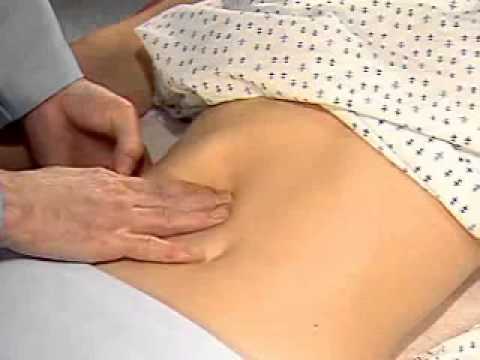
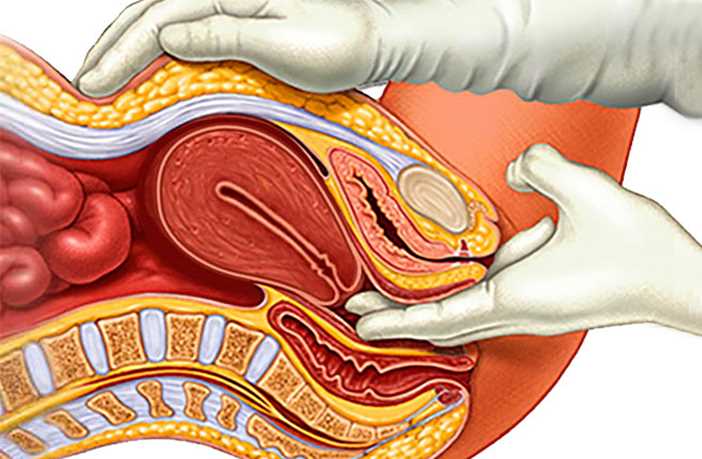
With the speculum in place, the provider will then begin the bimanual examination. They will insert two fingers, usually the index and middle fingers, into the vagina while placing their other hand on the patient’s lower abdomen. The provider will then carefully palpate the pelvic organs, feeling for any abnormalities such as lumps or tenderness. They may also use their fingers to assess the position, size, and mobility of the uterus and ovaries.
Step 5: Completion and Follow-Up
Once the bimanual examination is complete, the provider will remove the speculum and allow the patient to dress. They will discuss their findings with the patient and may recommend further tests or treatments based on the results. It is important for the provider to address any concerns or questions the patient may have and ensure that they feel comfortable and informed about their reproductive health.
In conclusion, the bimanual pelvic exam is a crucial part of a gynecological evaluation. By following these step-by-step guidelines, healthcare providers can conduct a thorough and effective examination to assess a woman’s reproductive health. It is a procedure that should be performed with care, respect, and sensitivity to ensure the patient’s comfort and well-being throughout the process.
What is a Bimanual Pelvic Exam?
A bimanual pelvic exam is a medical procedure that involves the physical examination of a woman’s reproductive organs. It is typically performed by a healthcare professional, such as a gynecologist or a nurse practitioner, and is an important part of a comprehensive gynecological examination. The purpose of a bimanual pelvic exam is to assess the health and functionality of the pelvic organs, including the uterus, ovaries, and cervix.
During a bimanual pelvic exam, the healthcare provider will insert two fingers into the vagina while applying gentle pressure on the lower abdomen with the other hand. This allows them to feel and evaluate the size, shape, and texture of the pelvic organs. They may also use special instruments, such as a speculum, to provide a clear view of the cervix and perform additional tests if necessary.
One of the key benefits of a bimanual pelvic exam is its ability to detect and diagnose various conditions, including pelvic inflammatory disease, ovarian cysts, uterine fibroids, and cervical cancer. The exam can also help identify any abnormalities or irregularities in the pelvic organs, such as masses or signs of infection.
While a bimanual pelvic exam may cause some discomfort or pressure, it is generally a safe and routine procedure. It is important for women to schedule regular gynecological exams, including bimanual pelvic exams, as they play a crucial role in maintaining reproductive health and detecting any potential issues early on.
Why is a Bimanual Pelvic Exam Performed?
A bimanual pelvic exam is a common procedure performed by healthcare providers to assess the health of a woman’s reproductive organs, including the uterus, ovaries, and cervix. It involves the insertion of two fingers into the vagina while the other hand is placed on the abdomen to feel the pelvic organs.
The primary purpose of a bimanual pelvic exam is to detect any abnormality or signs of disease in the reproductive system. It allows healthcare providers to assess the size, position, and shape of the uterus, check for any masses or abnormalities in the ovaries, and evaluate the overall health of the pelvic area.
One of the main reasons a bimanual pelvic exam is performed is to screen for gynecological conditions, such as ovarian cysts, fibroids, or uterine cancer. These conditions can sometimes present with symptoms like pelvic pain, abnormal bleeding, or an enlarged uterus, which can be detected through the exam.
In addition, a bimanual pelvic exam is often included in routine gynecological exams, especially for women who are sexually active or experiencing specific symptoms. It can help to identify infections, such as pelvic inflammatory disease (PID) or sexually transmitted infections (STIs), and provide valuable information for diagnosing and treating these conditions.
Overall, a bimanual pelvic exam is an important tool in women’s healthcare, allowing healthcare providers to assess the health of the reproductive system, detect any abnormalities or signs of disease, and provide appropriate care and treatment. It is a routine procedure that helps ensure the overall well-being and reproductive health of women.
Preparing for a Bimanual Pelvic Exam
The bimanual pelvic exam is an important medical procedure that helps healthcare professionals assess the health of a woman’s reproductive organs. It involves the use of two fingers inserted into the vagina while the other hand presses down on the abdomen to feel the external part of the reproductive organs. To ensure a successful and comfortable exam, there are several steps that both the patient and healthcare provider can take to prepare.
1. Communication: Before the exam, it is essential for the healthcare provider to explain the procedure to the patient in a clear and empathetic manner. This helps alleviate any anxiety or fear that the patient may have and allows for open communication during the exam. The patient should feel comfortable asking questions or expressing any concerns they may have before proceeding.
2. Comfort and Privacy: It is crucial to create a comfortable and private environment for the bimanual pelvic exam. The exam room should be clean, well-lit, and have a comfortable examination table with stirrups for the patient to lie on. The healthcare provider should provide a gown or sheet for the patient to cover themselves and maintain their privacy throughout the exam.
3. Relaxation Techniques: To help the patient relax during the bimanual pelvic exam, deep breathing exercises or relaxation techniques can be beneficial. The healthcare provider can guide the patient through deep breathing exercises or encourage them to focus on relaxing each muscle group in their body. This helps reduce tension and discomfort during the exam.
4. Consent and Consent Forms: Before proceeding with the exam, the healthcare provider should obtain informed consent from the patient. This includes explaining the purpose of the exam, any potential risks or discomfort, and obtaining the patient’s agreement to proceed. Consent forms may also be used to document the patient’s agreement and understanding of the procedure.
5. Proper Positioning: During the bimanual pelvic exam, the patient should be positioned comfortably with their feet in stirrups. The healthcare provider should ensure that the patient’s bottom is at the edge of the examination table, allowing for proper access to the pelvic area. The patient’s knees should be bent and relaxed to allow for a better examination.
6. Lubrication: To minimize discomfort, lubrication should be applied to the healthcare provider’s fingers before inserting them into the vagina. This helps reduce any friction and helps the fingers glide smoothly. The use of a water-based or sterile lubricant is recommended to avoid any allergic reactions or infections.
7. Clear Communication During the Exam: Throughout the bimanual pelvic exam, the healthcare provider should communicate with the patient, explaining each step of the exam and checking in on their comfort level. The patient should feel empowered to voice any discomfort or pain they may experience during the exam.
8. Follow-up Discussion and Care: After the bimanual pelvic exam, the healthcare provider should discuss the findings with the patient, answer any questions they may have, and provide appropriate follow-up care if necessary. The patient’s privacy and confidentiality should be maintained throughout this process.
The Procedure: Step-by-Step
In a bimanual pelvic exam, the healthcare provider performs a thorough examination of the female reproductive organs using their hands. The procedure is typically done in a private and comfortable examination room.
1. Preparation: The patient is asked to undress from the waist down and put on a hospital gown. Before starting the exam, the healthcare provider explains the procedure and obtains the patient’s consent. They may also ask about the patient’s medical history and any current symptoms.
2. Positioning: The patient lies on their back on an examination table with their feet placed in stirrups. This position allows the healthcare provider to have better access to the pelvic area.
3. External examination: The healthcare provider begins by inspecting the external genitalia for any abnormalities, such as lesions, rashes, or signs of infection. They may also check the patient’s pubic hair distribution and assess the symmetry of the labia.
4. Speculum insertion: The healthcare provider uses a lubricated speculum to gently separate the vaginal walls and visualize the cervix. The speculum is inserted into the vagina and opened, allowing the healthcare provider to see the cervix and the walls of the vagina.
5. Cervical examination: Using their fingers, the healthcare provider palpates the cervix to check for any abnormalities, such as tenderness, masses, or discharge. They may also perform a Pap smear by collecting cells from the cervix for further analysis.
6. Bimanual examination: The healthcare provider inserts two gloved fingers into the vagina and places the other hand on the patient’s abdomen. By applying gentle pressure, they assess the size, shape, and mobility of the uterus. They also check for any masses or tenderness in the ovaries, fallopian tubes, and surrounding tissues.
7. Completion: Once the examination is complete, the healthcare provider removes the speculum and allows the patient to get dressed. They may discuss their findings with the patient and address any concerns or questions.
Overall, a bimanual pelvic exam is an essential part of women’s healthcare, allowing healthcare providers to assess the health of the female reproductive organs and screen for any abnormalities or diseases.
What to Expect During a Bimanual Pelvic Exam
A bimanual pelvic exam is a procedure commonly performed by healthcare providers during a gynecological examination. It involves the insertion of two fingers into the vagina while the other hand gently presses on the abdomen to assess the size, shape, and position of the uterus, ovaries, and other pelvic organs.
During a bimanual pelvic exam, a healthcare provider will first explain the procedure to the patient and ask for their consent. They may also ask about any medical history, symptoms, or concerns the patient may have. It is important for the patient to communicate any discomfort or pain they may experience during the exam.
Before starting the exam, the healthcare provider will wash their hands and put on gloves. The patient will be asked to lie down on an examination table with their feet in stirrups or knees bent and spread apart, depending on their comfort. The healthcare provider will then gently insert two lubricated fingers into the vagina while placing the other hand on the abdomen.
Using gentle pressure and movement, the healthcare provider will assess the size, shape, and position of the uterus and ovaries. They may also check for any abnormalities, such as cysts or tumors. The exam should not typically be painful, but some pressure or mild discomfort may be felt.
In some cases, the healthcare provider may also perform a rectovaginal exam, where one finger is inserted into the vagina and another into the rectum to assess the rectovaginal septum, the space between the two organs.
Overall, a bimanual pelvic exam is a routine procedure that allows healthcare providers to assess the health of a patient’s pelvic organs. It is important for patients to communicate any concerns or discomfort during the exam to ensure a comfortable and effective examination.
Importance of Regular Pelvic Exams for Women’s Health
Pelvic exams are a vital part of women’s healthcare, providing crucial insight into a woman’s reproductive health and overall well-being. These exams, performed by healthcare professionals, involve a thorough examination of the external and internal reproductive organs, allowing for the detection and prevention of various health conditions.
The Role of Pelvic Exams in Early Detection
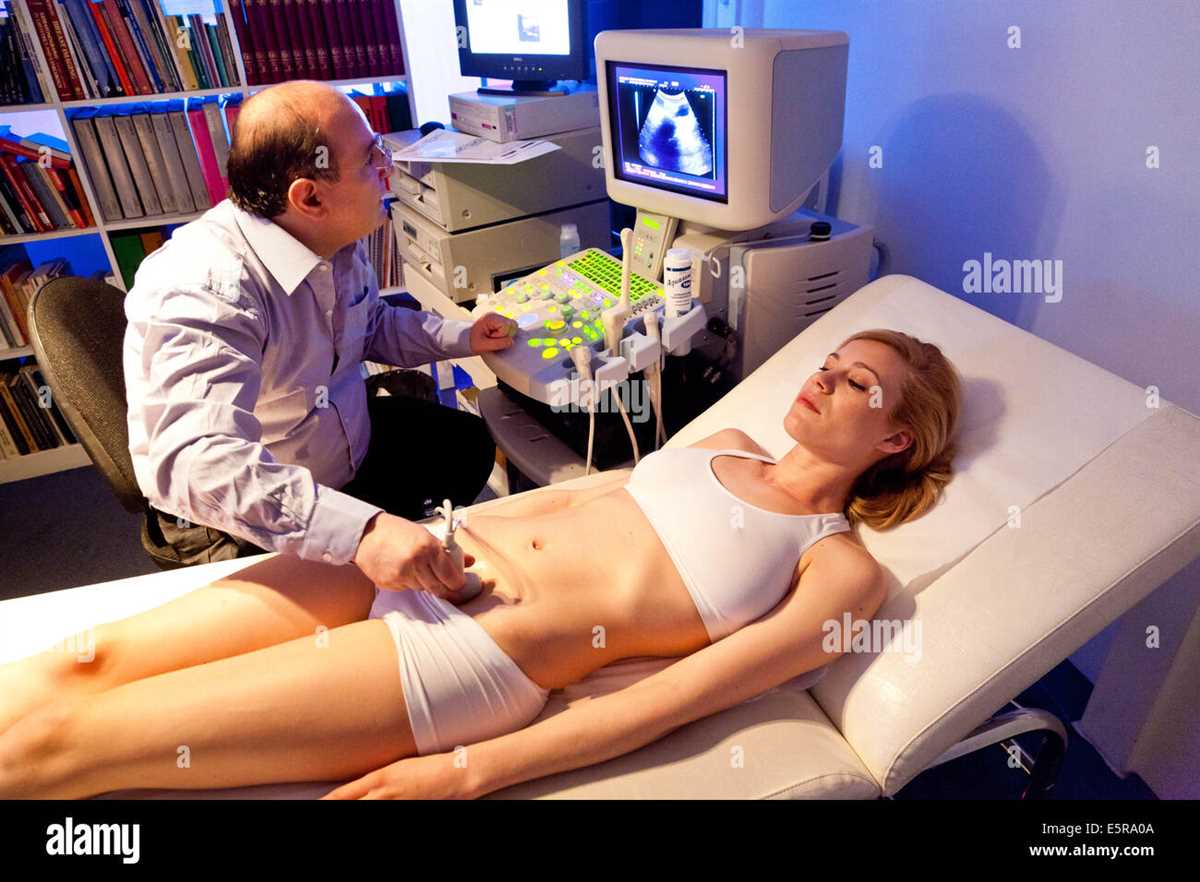
Pelvic exams play a crucial role in the early detection of potential health issues, such as cervical cancer, sexually transmitted infections (STIs), and pelvic inflammatory disease. Regular exams can help identify any abnormalities or changes in the reproductive organs, allowing for timely diagnosis and treatment. Early detection significantly increases the chances of successful treatment and improves overall outcomes.
During a pelvic exam, a healthcare professional may also perform a Pap smear, which involves collecting cells from the cervix to screen for cervical cancer. This simple procedure is highly effective in detecting precancerous and cancerous cells, providing an opportunity for early intervention.
Assessment of Overall Reproductive Health

Pelvic exams are not limited to the detection of cancer and STIs. They also provide an opportunity for healthcare professionals to assess a woman’s overall reproductive health. By examining the uterus, ovaries, and fallopian tubes, healthcare providers can check for any signs of hormonal imbalances, ovarian cysts, fibroids, or other conditions that may affect fertility or cause discomfort.
Moreover, pelvic exams allow healthcare providers to evaluate the condition of the pelvic floor muscles, which play a vital role in urinary and sexual function. By identifying any muscle weakness or dysfunction, appropriate treatment plans can be developed to improve a woman’s quality of life.
Education and Empowerment
In addition to their medical significance, pelvic exams offer an opportunity for healthcare professionals to educate and empower women about their reproductive health. These exams create a safe and open space for women to ask questions, seek guidance, and learn about contraceptive methods, family planning, and sexual health. By fostering communication and providing information, pelvic exams contribute to women’s overall well-being and promote proactive health management.
Conclusion
Regular pelvic exams are a vital component of women’s healthcare, offering early detection of potential health issues, assessment of reproductive health, and an opportunity for education and empowerment. By prioritizing regular pelvic exams, women can take control of their reproductive well-being and ensure early intervention and treatment when necessary.