How to Prepare for the CCMA Exam: Key Questions to Help You Ace the Test
The Certified Clinical Medical Assistant (CCMA) examination is a comprehensive test designed to assess the knowledge and skills of individuals seeking certification in the field of medical assisting. It covers a wide range of topics, including medical terminology, anatomy and physiology, medical office management, and clinical procedures. In order to pass the exam and become a certified CCMA, it is essential to have a thorough understanding of these subjects and to be able to apply that knowledge in practical situations.
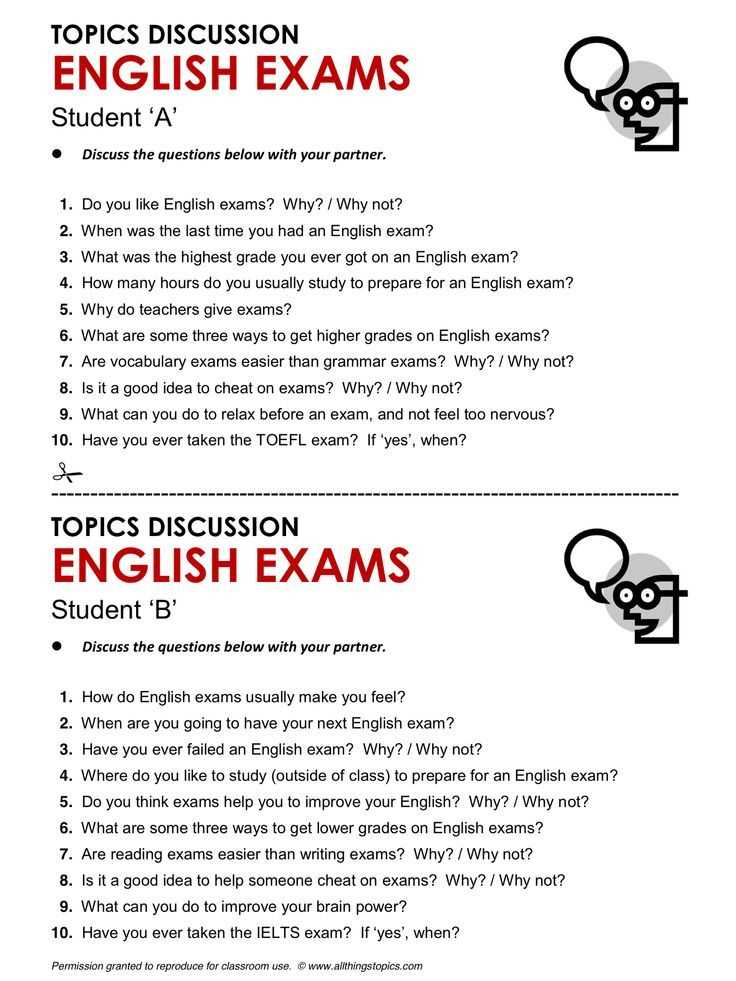
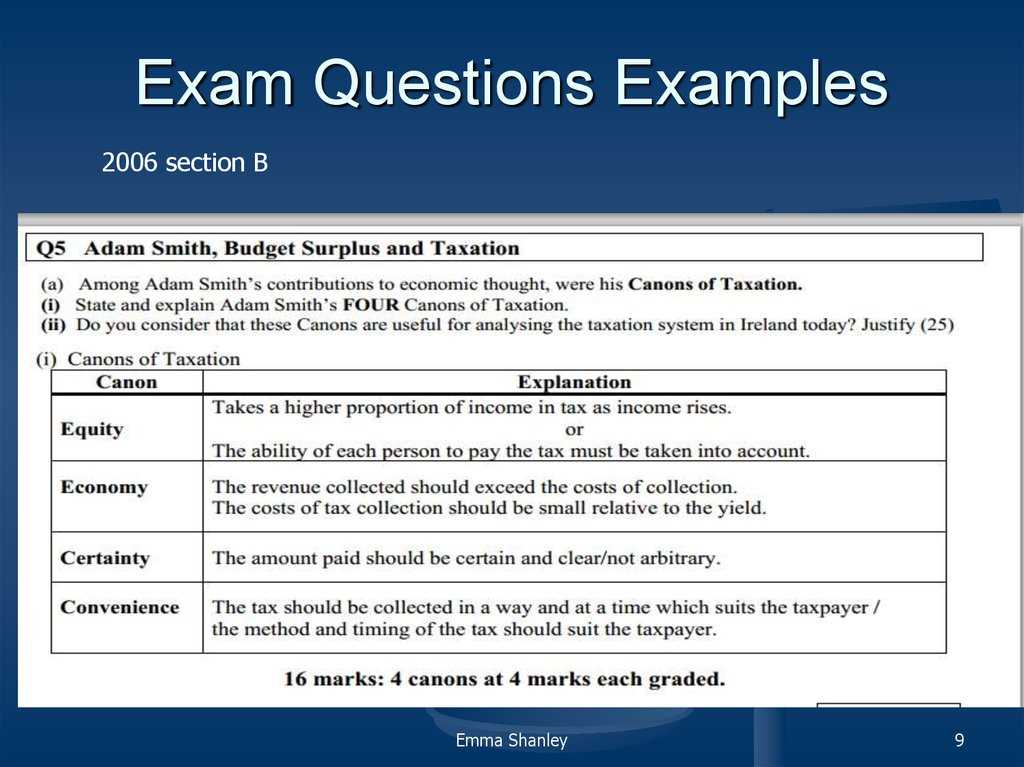
One of the best ways to prepare for the CCMA exam is to familiarize yourself with the types of questions that may be asked. These questions are designed to test your comprehension of the material and your ability to apply it to real-world scenarios. They may be multiple-choice, fill-in-the-blank, or short-answer questions, and may require you to interpret data or solve problems. By practicing with sample questions and studying the relevant material, you can increase your chances of success on the exam.
Some examples of CCMA exam questions include:
1. Which of the following is a characteristic of aseptic technique?
a) Proper hand hygiene/ b) Wearing gloves
c) Cleaning the medical instruments thoroughly
d) Disposing of medical waste properly
2. What is the function of the pancreas?
a) Producing insulin/ b) Regulating blood pressure
c) Filtering waste from the blood
d) Secreting digestive enzymes
By reviewing and answering questions like these, you can gain a better understanding of the material and improve your chances of passing the CCMA exam.
What is the CCMA Exam?
The CCMA (Certified Clinical Medical Assistant) Exam is a standardized test that assesses the knowledge and skills of individuals seeking to become certified as medical assistants. The exam is designed to measure competency in various areas of medical assisting, including patient care, medical office management, anatomy and physiology, medical terminology, and medical procedures. The purpose of the exam is to ensure that medical assistants have the necessary skills and knowledge to provide high-quality care to patients and effectively support healthcare providers in a clinical setting.
The CCMA Exam is usually administered by recognized certifying bodies or healthcare organizations, such as the National Healthcareer Association (NHA) or the American Association of Medical Assistants (AAMA). The exam consists of multiple-choice questions that cover a wide range of topics related to medical assisting. Candidates are required to demonstrate their understanding of medical procedures, patient communication, medical ethics, infection control, and other essential areas of medical assisting.
Preparing for the CCMA Exam typically involves completing a medical assisting program, either through an accredited educational institution or through a vocational school. These programs provide individuals with the necessary knowledge and skills to succeed in the field of medical assisting and typically include coursework, clinical training, and hands-on experience. In addition to completing a program, candidates may also choose to study independently or attend review courses specifically designed to prepare them for the CCMA Exam.
Understanding the Purpose and Benefits
When preparing for the Certified Clinical Medical Assistant (CCMA) exam, it is essential to understand the purpose and benefits of this certification. The purpose of the CCMA exam is to assess an individual’s knowledge and skills in various areas of medical assisting, including administrative and clinical tasks. It serves as a benchmark for evaluating an individual’s competence and proficiency as a medical assistant.
By successfully passing the CCMA exam, medical assistants can demonstrate their expertise and dedication to providing quality patient care. This certification enhances their professional credibility and increases their employment opportunities. Many healthcare facilities and employers prefer to hire certified medical assistants as they are recognized for their competence and commitment to upholding the highest standards of patient care.
Moreover, the CCMA certification offers several benefits to individuals who are pursuing a career in the medical assisting field. It validates their knowledge and skills, giving them a sense of accomplishment and confidence in their abilities. Additionally, certified medical assistants often earn higher salaries and have better chances for career advancement compared to their non-certified counterparts.
The Benefits of CCMA Certification
- Increased professional credibility
- Enhanced employment opportunities
- Validation of knowledge and skills
- Growth in salary and career advancement
- Recognition for commitment to high standards of patient care
In summary, the CCMA exam serves as a benchmark for assessing the competence and proficiency of medical assistants. Achieving CCMA certification brings numerous benefits, including increased credibility, better job prospects, validation of skills, higher earning potential, and recognition for providing excellent patient care.
Requirements for Taking the CCMA Exam
The Certified Clinical Medical Assistant (CCMA) exam is a crucial step for individuals seeking to enter the healthcare field as a clinical medical assistant. To be eligible to take the CCMA exam, candidates must meet certain requirements to ensure they have the necessary knowledge and skills to successfully pass the examination and perform the duties expected of a clinical medical assistant.
Educational Requirements: Candidates must have a high school diploma or equivalent to qualify for the CCMA exam. This ensures that individuals have a baseline level of education and understanding to comprehend the material covered in the examination.
- Formal Training or Experience: In addition to the educational requirement, candidates must also have completed a formal training program in clinical medical assisting or have at least two years of full-time experience working as a clinical medical assistant. This requirement ensures that candidates have practical, hands-on experience in a healthcare setting before taking the exam.
- Proof of Competency: Candidates must also provide proof of competency in various essential areas of clinical medical assisting, including medical terminology, medical office procedures, patient communication, patient care, infection control, and vital signs measurement. This can be done through successful completion of a certified training program or by submitting documentation of work experience.
- Valid Identification: Candidates must present a valid form of identification, such as a driver’s license or passport, to verify their identity when taking the CCMA exam. This ensures the integrity of the examination process and prevents any potential fraud.
By meeting these requirements, candidates can demonstrate their readiness to take the CCMA exam and pursue a career as a clinical medical assistant. It is essential for candidates to thoroughly review the exam content outline and study the necessary material to increase their chances of success.
Tips for Passing the CCMA Exam
For those preparing to take the CCMA exam, it can be a challenging and nerve-wracking experience. However, with proper preparation and study techniques, you can increase your chances of success. Here are some tips to help you pass the CCMA exam:
1. Familiarize Yourself with the Exam Format:
The first step in preparing for the CCMA exam is to familiarize yourself with the exam format. This includes understanding the number of questions, the time limit, and the specific topics that will be covered. The National Healthcareer Association (NHA) provides a detailed outline of the exam content, so be sure to review this information thoroughly.
2. Create a Study Plan:
Developing a study plan is essential to efficiently prepare for the CCMA exam. Start by identifying your strengths and weaknesses in the subject matter and allocate time accordingly. Dedicate specific time slots each day for studying and stick to your schedule. Utilize study resources such as textbooks, online materials, and practice exams to enhance your understanding of the exam content.
3. Practice Time Management:
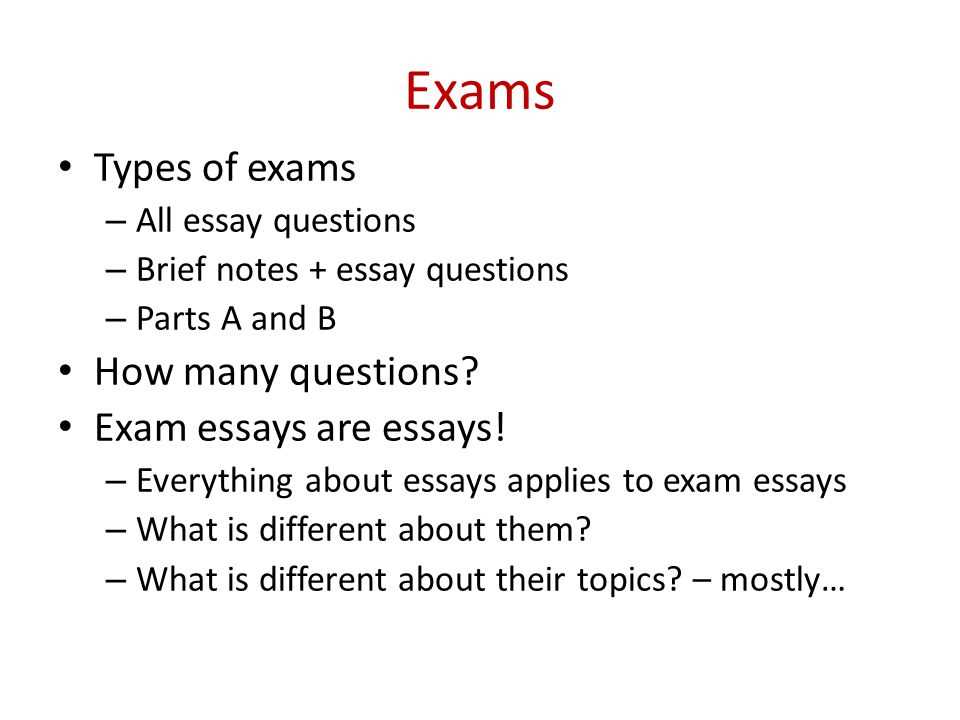
Time management is crucial during the CCMA exam. Practice answering questions within the allocated time frame to ensure you can complete the exam within the given time limit. Familiarize yourself with strategies for quickly analyzing and answering multiple-choice questions, as this will save valuable time during the exam.
4. Take Advantage of Study Groups or Tutoring:
Joining a study group or seeking tutoring can be beneficial in your preparation for the CCMA exam. Collaborating with others who are also studying for the exam can provide additional insights and support. Tutoring sessions can help clarify any confusing topics and address specific areas of weakness.
5. Stay Calm and Confident:
On the day of the exam, it’s essential to stay calm and confident. Take deep breaths and remind yourself of the hard work and preparation you have put into studying. Trust in your abilities and approach each question with a focused mindset. Remember that anxiety can hinder your performance, so practice relaxation techniques to help stay calm.
By following these tips, you can increase your chances of passing the CCMA exam and obtaining your certification. Remember to stay dedicated, focused, and confident in your abilities. Good luck!
How to Prepare Effectively
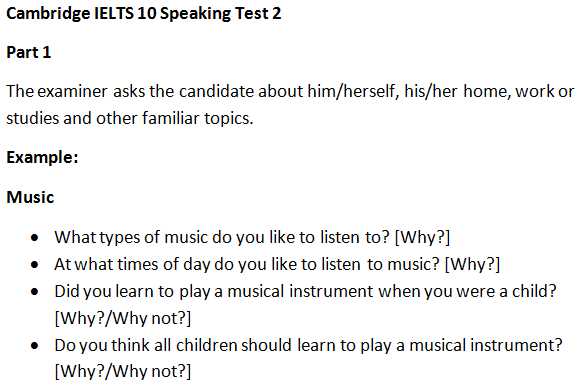
Preparing for the CCMA exam requires a strategic approach to maximize your chances of success. Here are some tips and techniques to help you prepare effectively:
Create a Study Plan
Start by creating a study plan that outlines the topics you need to cover and the amount of time you can dedicate to studying each day. Break down the material into manageable chunks and assign specific study goals for each session. This will help you stay organized and ensure that you cover all the necessary content before the exam.
Review the Exam Content Outline
Familiarize yourself with the exam content outline provided by the certifying body. This will give you an overview of the topics that will be covered in the exam and help you prioritize your study efforts. Pay special attention to the areas where you feel less confident and allocate more study time to those topics.
Utilize Available Resources
Take advantage of the resources available to you, such as textbooks, study guides, online resources, and practice exams. These resources can provide additional explanations, sample questions, and practice scenarios that will enhance your understanding of the material and help you become familiar with the exam format.
Practice Time Management
Practice time management techniques during your studying to simulate the exam environment. Set a timer for each study session and strive to complete the tasks within the allocated time. This will help you improve your speed and efficiency, ensuring that you can answer all the exam questions within the given timeframe.
Join Study Groups or Seek Support
Consider joining a study group or seeking support from fellow CCMA exam candidates. Collaborating with others can help you gain different perspectives, clarify doubts, and reinforce your knowledge. Engaging in discussions and sharing study resources can make the studying process more interactive and enjoyable.
By following these tips and techniques, you can prepare effectively for the CCMA exam and increase your chances of success. Remember to stay focused, dedicated, and maintain a positive mindset throughout your study journey.
Commonly Asked CCMA Exam Questions
Preparing for the CCMA (Certified Clinical Medical Assistant) exam can be challenging, but knowing what to expect can greatly improve your chances of success. Here are some commonly asked questions that candidates often encounter during the exam:
1. What is the purpose of the CCMA exam?
The CCMA exam is designed to assess the knowledge and skills of aspiring clinical medical assistants. It evaluates their ability to perform essential tasks in various healthcare settings, such as taking patient histories, performing basic laboratory tests, administering medications, and assisting with minor surgical procedures. By passing the exam, candidates demonstrate their competency in these key areas and can pursue a career as a certified clinical medical assistant.
2. How long is the CCMA exam?
The CCMA exam consists of a total of 200 multiple-choice questions that need to be completed within a time limit of four hours. These questions cover a wide range of topics, including medical terminology, anatomy and physiology, infection control, patient care, pharmacology, and medical law and ethics. It is important for candidates to manage their time effectively during the exam to ensure they can answer all the questions within the given timeframe.
3. What are the passing criteria for the CCMA exam?
To pass the CCMA exam, candidates need to achieve a minimum score of 390 out of 500. The exam is scored on a scale ranging from 200 to 800, with 500 being the passing score. It is essential for candidates to study and prepare thoroughly to increase their chances of meeting the passing criteria. Taking practice exams, reviewing study materials, and seeking additional resources can be beneficial in preparing for the exam and achieving a passing score.
4. How can I best prepare for the CCMA exam?
Effective preparation for the CCMA exam requires a combination of studying the relevant material and practicing exam-style questions. Creating a study schedule, using recommended textbooks and study guides, attending review courses or online tutorials, and seeking guidance from experienced professionals can all contribute to a successful preparation. It is also important to take care of one’s physical and mental well-being during the preparation period, ensuring sufficient rest, healthy eating, and stress management.
5. Can I retake the CCMA exam if I fail?
Yes, candidates who do not pass the CCMA exam on their first attempt are allowed to retake the exam. However, there are certain requirements and limitations to retaking the exam, such as waiting for a specific period before reapplying and paying the exam fees again. It is important for candidates to thoroughly analyze their performance, identify areas of weakness, and adjust their studying approach before retaking the exam to increase their chances of success.
By familiarizing themselves with these commonly asked questions and dedicating sufficient time and effort to preparation, candidates can boost their confidence and increase their chances of passing the CCMA exam. Remember, practice and perseverance are key to achieving success in any examination.
Resources for Further Study
Preparing for the CCMA exam can be challenging, but there are various resources available to help you study and improve your chances of success. Whether you prefer textbooks, online courses, or practice exams, there are options to suit every learning style. Below are some recommended resources to further your study:
Textbooks and Study Guides
- Medical Assisting Exam Review by Myrtle R. Flight
- CCMA Exam Study Guide by Smarter Balanced
- Medical Assisting Exam Review for CMA, RMA & CMAS Certification by Kaplan Nursing
Online Courses and Study Materials
- CCMA Study Guide by MedPreps
- CCMA Medical Assistant Exam Prep by Pocket Prep
- CCMA Study Material by Exam Edge
Practice Exams
- CCMA Practice Exam by ProProfs
- CCMA Practice Exam Questions by Exam Review
- CCMA Exam Practice Questions by Test Prep Review
Remember, it is important to utilize a combination of resources to ensure a comprehensive understanding of the exam material. Practice exams can be particularly helpful in familiarizing yourself with the format and types of questions you may encounter on the CCMA exam. Additionally, consider joining study groups or reaching out to professionals in the field for further guidance and support.
Good luck with your CCMA exam preparation!