Mastering the CCNA Hands-On Skills Exam: A Step-by-Step Guide

Getting certified as a Cisco Certified Network Associate (CCNA) can open up a world of opportunities in the field of networking. However, achieving this certification requires not only a theoretical understanding of networking concepts, but also the ability to apply them in real-world scenarios. This is where the CCNA Hands-on Skills Exam comes into play.
The CCNA Hands-on Skills Exam is designed to test your practical knowledge and skills in setting up, configuring, and troubleshooting various networking devices and technologies. It goes beyond mere memorization of concepts and commands, and requires you to demonstrate your ability to actually perform tasks that network administrators and engineers encounter on a daily basis.
This exam is a crucial component of the CCNA certification process, as it allows candidates to showcase their ability to apply their knowledge in real-world situations. It assesses your proficiency in tasks such as configuring routers and switches, implementing VLANs, configuring IP addressing, troubleshooting network issues, and much more.
What is a CCNA Hands On Skills Exam?

A CCNA Hands On Skills Exam is a practical examination that tests the technical skills and knowledge of individuals pursuing the Cisco Certified Network Associate (CCNA) certification. Unlike traditional written exams, this hands-on exam requires candidates to demonstrate their ability to configure, troubleshoot, and manage network devices and technologies in a simulated network environment.
During the exam, candidates are presented with a series of real-world scenarios and tasks that they must complete within a given time frame. These tasks are designed to assess the candidate’s proficiency in various networking topics, such as routing and switching, network security, IP addressing, and network automation. The exam is conducted using virtual labs or simulators that replicate the functionality and behavior of actual networking devices.
The CCNA Hands On Skills Exam focuses on:
- Configuring and troubleshooting network routers and switches
- Implementing network security measures and protocols
- Installing and configuring network services and protocols
- Managing network devices and technologies
- Performing network diagnostics and troubleshooting
The hands-on nature of this exam provides a practical assessment of the candidate’s ability to apply their knowledge and skills in real-world situations. It requires them to think critically, solve problems, and make informed decisions to successfully complete the given tasks. The exam also emphasizes the importance of practical experience and hands-on practice, as it evaluates the candidate’s ability to perform essential networking tasks rather than just memorizing theoretical concepts.
In conclusion, the CCNA Hands On Skills Exam is a practical evaluation that tests an individual’s ability to configure, troubleshoot, and manage network devices and technologies. It provides a realistic assessment of the candidate’s skills and knowledge in the field of networking.
Why is the CCNA Hands On Skills Exam Important?
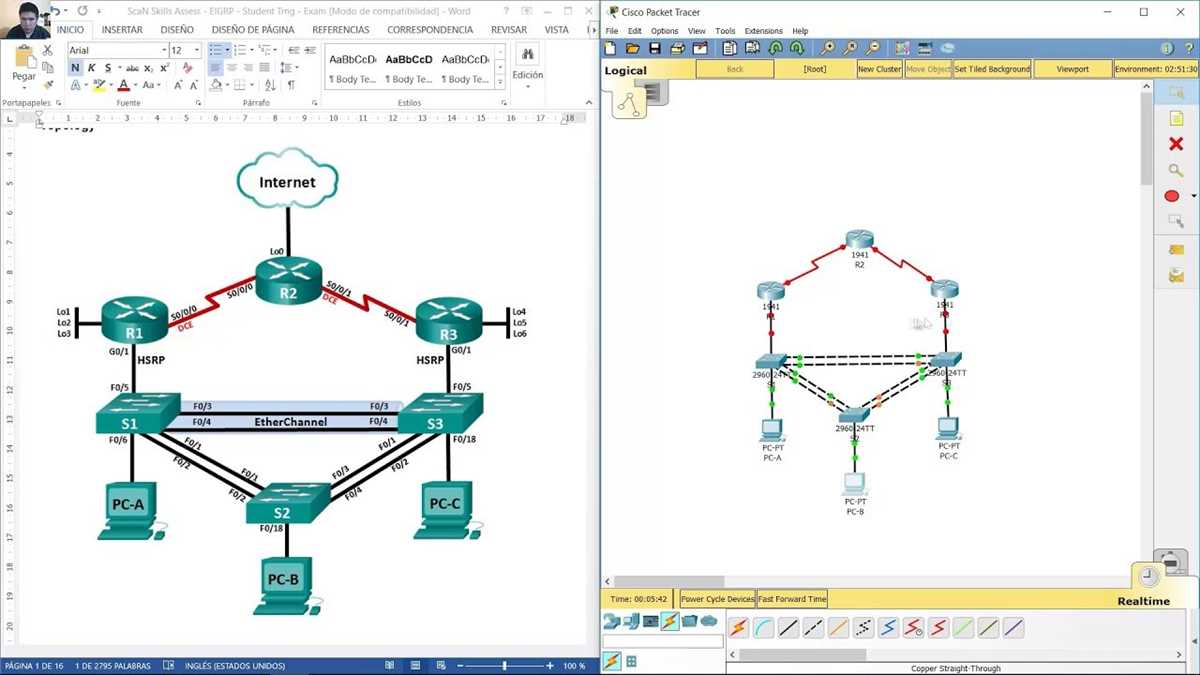
The CCNA Hands On Skills Exam is an essential component of the Cisco Certified Network Associate (CCNA) certification program. This exam evaluates the practical skills and competencies of candidates in configuring, troubleshooting, and managing networking devices and technologies.
One of the main reasons why the CCNA Hands On Skills Exam is important is that it provides a realistic simulation of real-world networking scenarios. By requiring candidates to perform hands-on tasks in a simulated environment, the exam assesses their ability to apply theoretical knowledge to practical situations. This practical experience is crucial for networking professionals as it equips them with the necessary skills to effectively design, implement, and maintain complex network infrastructures.
Moreover, the CCNA Hands On Skills Exam helps candidates develop critical thinking and problem-solving skills. In this exam, candidates are presented with various networking challenges and are required to troubleshoot and resolve them within a given time frame. By assessing candidates’ ability to analyze and solve problems, the exam prepares them to handle network issues and minimize downtime in real-world scenarios.
In addition to technical skills, the CCNA Hands On Skills Exam also evaluates candidates’ ability to work under pressure. The exam simulates high-pressure scenarios that often occur in real-world networking environments, such as network outages or security breaches. By testing candidates’ ability to think clearly and act decisively under these conditions, the exam ensures that CCNA-certified professionals are capable of handling challenging situations and maintaining network performance and security.
In conclusion, the CCNA Hands On Skills Exam is crucial for individuals pursuing the CCNA certification as it validates their practical skills, problem-solving abilities, and ability to work under pressure. By passing this exam, candidates prove their proficiency in implementing and managing network infrastructures, making them highly valued professionals in the field of networking.
Preparing for the CCNA Hands On Skills Exam

When preparing for the CCNA Hands On Skills Exam, it is important to focus on practical applications of the knowledge and skills covered in the CCNA certification. The exam assesses a candidate’s ability to configure and troubleshoot network devices, as well as their understanding of various networking concepts.
One key aspect of preparing for the exam is practicing hands-on lab exercises. This involves setting up a simulated network environment using virtualization software, such as Cisco’s Packet Tracer or GNS3. By configuring routers, switches, and other network devices in a virtual environment, candidates can gain valuable experience in the configuration and troubleshooting process.
In addition to hands-on practice, it is crucial to have a solid understanding of networking concepts and protocols. This includes knowledge of IP addressing, subnetting, VLANs, routing protocols, and more. Candidates should review these topics thoroughly and ensure they can explain and apply them in practical situations.
Another important aspect of preparation is becoming familiar with the Cisco command-line interface (CLI). Candidates should spend time practicing commands and exploring the various configuration options available on Cisco devices. This hands-on experience is essential for the exam, as it tests the candidate’s ability to configure and troubleshoot devices using the CLI.
Lastly, it is recommended to review and understand the CCNA exam objectives provided by Cisco. These objectives outline the topics and skills that will be tested in the Hands On Skills Exam. By aligning one’s study materials and hands-on practice with the exam objectives, candidates can ensure they are covering all the necessary content.
What to Expect During the CCNA Hands On Skills Exam

The CCNA Hands On Skills Exam is a practical exam that tests your ability to configure, troubleshoot, and manage networking equipment. It is an important component of the CCNA certification process and is designed to assess your real-world skills in a simulated networking environment.
During the exam, you will be given access to a virtual lab environment where you will have to complete various tasks to demonstrate your understanding of networking concepts and protocols. These tasks may include configuring routers and switches, setting up VLANs, implementing security measures, and troubleshooting network issues.
You should expect to be tested on a range of topics, including IP addressing, routing protocols, switching technologies, network security, and troubleshooting methodologies. The exam will require you to apply your theoretical knowledge to practical scenarios, so it is important to have a good understanding of the CCNA curriculum and be familiar with common networking commands and configurations.
It is important to note that the CCNA Hands On Skills Exam is a timed exam, and you will be expected to complete the tasks within a specified timeframe. This means that time management is crucial, and you should practice working efficiently in a lab environment before taking the exam.
To prepare for the CCNA Hands On Skills Exam, it is recommended to get hands-on experience with networking equipment and to practice configuring and troubleshooting networks in a lab environment. Additionally, you may want to familiarize yourself with the exam format and review official study materials to ensure you are adequately prepared.
In conclusion, the CCNA Hands On Skills Exam is an opportunity to showcase your practical networking skills and demonstrate your ability to configure, troubleshoot, and manage network equipment. By preparing effectively and gaining hands-on experience, you can increase your chances of success in this important exam.
Tips for Passing the CCNA Hands On Skills Exam

Preparing for the CCNA Hands On Skills Exam can be a challenging task. This practical exam requires candidates to demonstrate their ability to configure, troubleshoot, and manage network devices, making it essential to have a solid understanding of networking concepts and hands-on experience. To help you succeed in this exam, here are some tips to keep in mind:
Familiarize Yourself with Exam Objectives and Blueprint

Start by carefully reviewing the exam objectives and blueprint provided by Cisco. These resources highlight the specific topics that will be covered in the exam and the skills you need to demonstrate. Create a study plan based on these objectives and allocate sufficient time for each topic.
Practice, Practice, Practice

The key to success in the CCNA Hands On Skills Exam is hands-on practice. Set up a lab environment using Cisco devices or use simulation software like Packet Tracer or GNS3. Practice configuring and troubleshooting different network scenarios to build your confidence and improve your speed. The more you practice, the more comfortable you will become with the exam tasks.
Review Network Diagrams and Documentation

In the exam, you may be presented with network diagrams and documentation that provide essential information about the network topology, IP addressing, and device configurations. Pay close attention to these materials and review them thoroughly before starting the exam. Familiarize yourself with the layout and understand the relationship between devices.
Keep Calm and Manage Your Time
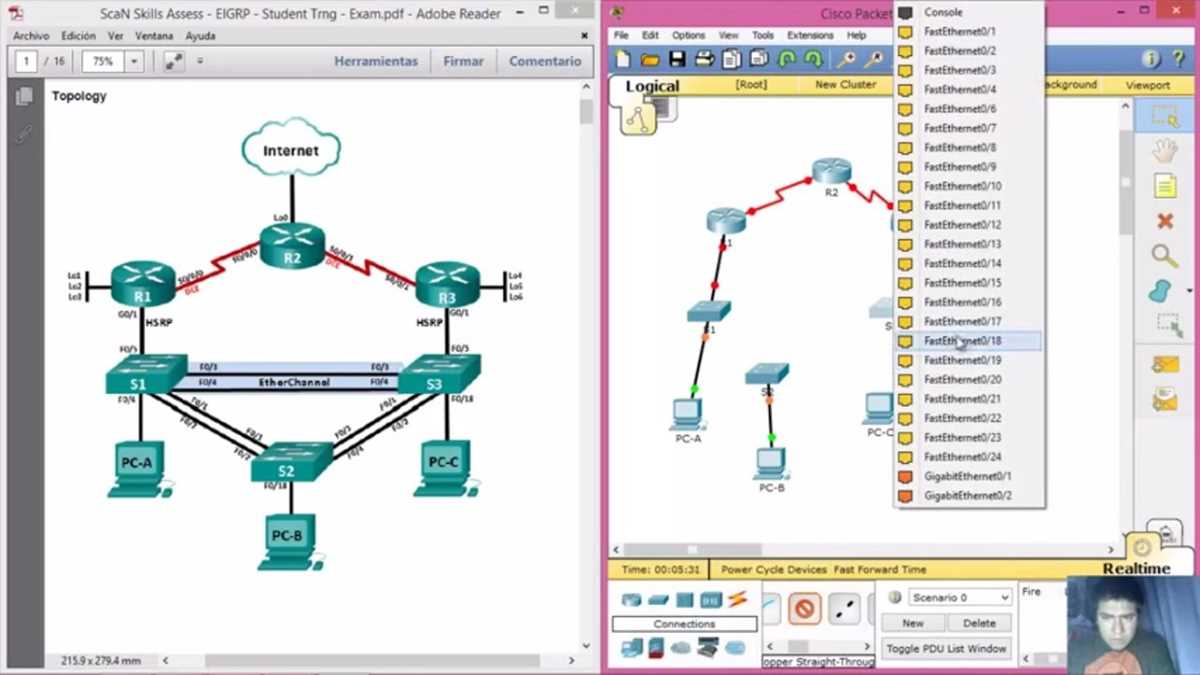
During the exam, it’s important to remain calm and manage your time effectively. Read each question carefully to understand the requirements. If you encounter a complex task, break it down into smaller steps to simplify the problem-solving process. Keep an eye on the clock and allocate time for each task to ensure you complete all the exam requirements.
Seek Additional Resources
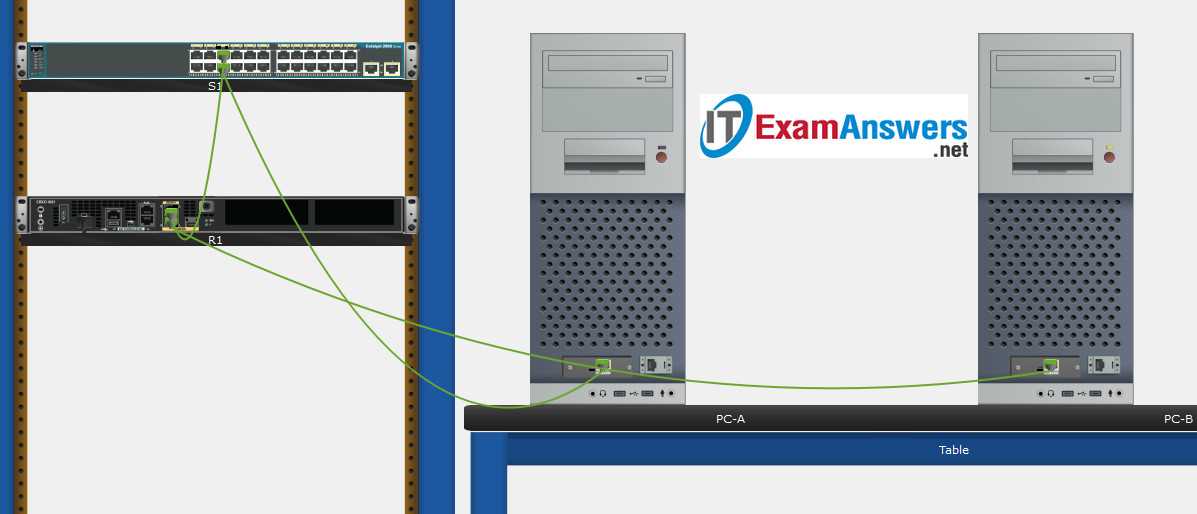
If you find certain topics challenging or need further clarification, don’t hesitate to seek additional resources. There are numerous online forums, study guides, and video tutorials available that can provide further explanations and examples. Engage in discussions with fellow candidates to exchange knowledge and tips.
By following these tips, you can enhance your chances of success in the CCNA Hands On Skills Exam. Remember to stay focused, practice regularly, and utilize available resources to strengthen your skills and knowledge.
Next Steps After Passing the CCNA Hands On Skills Exam

Passing the CCNA Hands On Skills Exam is a significant achievement that demonstrates your ability to successfully configure, troubleshoot, and manage network devices. But the journey doesn’t end here. There are several important next steps to take after passing the exam to further enhance your networking career.
1. Pursue further certification: Now that you have earned your CCNA certification, consider pursuing additional certifications to broaden your knowledge and skills. Advanced certifications such as CCNP or CCIE can help you specialize in specific networking areas and make you even more marketable in the industry.
2. Gain practical experience: While the CCNA Hands On Skills Exam tests your practical skills, gaining real-world experience is equally important. Look for opportunities to work on real networking projects, either through internships or entry-level positions. Hands-on experience will not only deepen your understanding but also make you more confident in your abilities.
3. Stay updated with industry trends: The field of networking is constantly evolving, and it is crucial to stay updated with the latest industry trends. Subscribe to relevant blogs, join professional networking groups, and attend industry conferences or webinars to keep yourself informed about the latest advancements in networking technologies.
4. Build a lab: To further improve your skills and experiment with different network configurations, consider building a lab at home. Investing in a few network devices and simulating real-world scenarios will provide you with valuable hands-on experience and help you solidify your understanding of networking concepts.
5. Network with other professionals: Networking is not just about managing devices, but also about building professional relationships. Connect with other networking professionals through online forums or social media platforms to exchange ideas, seek advice, and stay connected with the community. Building a strong professional network can open up new opportunities and help you stay ahead in your career.
6. Continue learning: The journey of learning in the networking field never ends. Keep yourself motivated and continue expanding your knowledge through self-study, online courses, or formal education. Regularly challenge yourself to learn new skills and technologies to stay competitive in the constantly evolving networking industry.
In conclusion, passing the CCNA Hands On Skills Exam is a great accomplishment, but it is only the beginning of your networking career. The next steps you take will determine your growth and success in the field. By pursuing further certifications, gaining practical experience, staying updated with industry trends, building a lab, networking with other professionals, and continuing to learn, you can establish yourself as an expert in the networking field and open up exciting opportunities for your career.