Master the CCS Exam with These Sample Questions
The CCS (Certified Coding Specialist) exam is a national certification exam for medical coders. It is administered by the American Health Information Management Association (AHIMA) and is designed to test the knowledge and skills of individuals in medical coding and reimbursement.
Preparing for the CCS exam can be challenging, as it requires a comprehensive understanding of medical coding guidelines, as well as the ability to accurately assign diagnosis and procedure codes. To help you in your preparation, we have compiled a list of sample questions that you may encounter on the CCS exam.
These sample questions cover a range of topics, including CPT coding, ICD-10 coding, and HCPCS coding. They are designed to test your knowledge of coding guidelines, as well as your ability to interpret medical documentation and assign the appropriate codes. By practicing these sample questions, you can familiarize yourself with the format and content of the CCS exam, and identify any areas where you may need additional study or review.
CCS Exam Sample Questions

Preparing for the Certified Coding Specialist (CCS) exam can be challenging, but practicing with sample questions is a great way to improve your skills and confidence. These real-life scenarios will test your knowledge of medical coding, as well as your ability to accurately assign codes to different diagnoses and procedures.
Here are some sample questions that you may encounter on the CCS exam:
1. In a patient’s medical record, it is documented that they underwent a cholecystectomy. Which ICD-10-PCS code should be assigned for this procedure?
a) 0GBC0ZX
b) 0HBT0ZX
c) 0W9H0ZZ
d) 0W9J0ZZ
2. A patient is admitted to the hospital with a principal diagnosis of pneumonia. The patient is also diagnosed with congestive heart failure during the hospital stay. In this case, which condition would be considered the principal diagnosis?
a) Pneumonia
b) Congestive heart failure
c) Both pneumonia and congestive heart failure
d) The condition documented first in the medical record
3. A patient has a history of diabetes and is admitted to the hospital with a foot ulcer. The physician documents a specific type of diabetes associated with the foot ulcer. Which ICD-10-CM code should be assigned for the diabetes?
a) E11.69
b) E11.621
c) E11.622
d) E11.65
These sample questions are just a glimpse of what you may encounter on the CCS exam. It’s essential to thoroughly study the coding guidelines and familiarize yourself with the different code sets to successfully pass the exam. Practice answering sample questions, and consider seeking additional study resources to improve your chances of success.
Understanding the CCS Exam
The Certified Coding Specialist (CCS) exam is a comprehensive examination that tests the knowledge and skills of individuals in medical coding and reimbursement. It is an important credential that validates the competence of professionals in accurately assigning diagnostic and procedural codes for proper billing and reimbursement.
The CCS exam consists of multiple-choice questions that cover various areas of medical coding, including ICD-10-CM, ICD-10-PCS, CPT, HCPCS, and coding guidelines. It also assesses knowledge of anatomy, physiology, and medical terminology. In order to successfully pass the exam, candidates need to have a solid understanding of these subjects and be able to apply coding rules and guidelines effectively.
The exam is administered by the American Health Information Management Association (AHIMA) and is available to individuals who have completed a formal education in medical coding or have relevant work experience. It is recommended that candidates have a minimum of two years of coding experience before taking the CCS exam.
To prepare for the exam, candidates can utilize study materials such as textbooks, online courses, practice exams, and review guides. It is important to allocate sufficient time for studying and practice, as the exam requires a deep understanding of coding concepts and the ability to apply them in different scenarios. It is also beneficial to join study groups or participate in coding forums to exchange knowledge and experiences with other aspiring CCS professionals.
On the day of the exam, candidates should arrive well-prepared and familiar with the exam format and rules. They should bring necessary identification documents and be ready to demonstrate their knowledge and skills in coding accurately and efficiently. After the exam, candidates will receive their scores within a few weeks, and those who pass the exam will earn the CCS credential, which can open doors to career advancements and opportunities in the field of medical coding.
Tips for Preparing for the CCS Exam
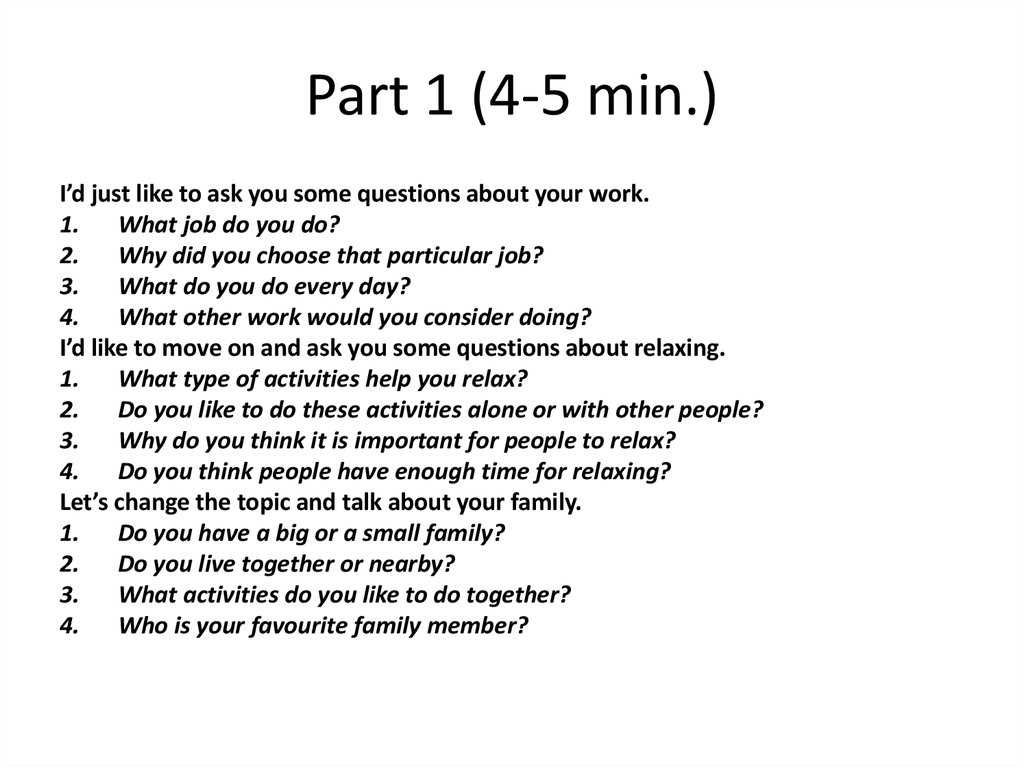
Preparing for the Certified Coding Specialist (CCS) exam requires careful planning and focused study. The CCS exam assesses an individual’s knowledge and skills in medical coding and is an essential certification for those pursuing a career in healthcare coding. To help you thoroughly prepare for the exam, here are some valuable tips to keep in mind:
1. Familiarize Yourself with the Exam Format:
- Begin by understanding the structure and format of the CCS exam. It consists of multiple-choice questions, medical scenarios, and coding exercises.
- Review past exams and sample questions to get an idea of what to expect.
2. Study and Review the Official Study Guides:
- Utilize the official study guides provided by the certifying body for the CCS exam.
- Read the study material thoroughly, take notes, and highlight key concepts.
- Review and practice the coding guidelines and conventions specific to the exam.
3. Develop a Study Schedule:
- Create a study schedule that includes dedicated time for each topic covered in the exam.
- Allocate more time to difficult areas or concepts that you struggle with.
- Break down your study sessions into manageable chunks to avoid feeling overwhelmed.
4. Practice Coding Exercises:
- Practice coding exercises regularly to enhance your coding skills and speed.
- Take advantage of coding software and tools to simulate real-life coding scenarios.
- Review the correct answers and explanations for any incorrect responses to further your understanding.
5. Stay Updated with Industry Changes:
- Keep yourself updated with changes in medical coding guidelines, regulations, and industry practices.
- Stay informed about any updates or revisions to coding manuals, such as ICD-10 and CPT codes.
- Subscribe to relevant publications and participate in continuing education courses or webinars.
By following these tips and dedicating ample time to study and practice, you can increase your chances of success on the CCS exam. Remember to stay focused, review consistently, and seek assistance or clarification whenever needed. Good luck!
Sample Multiple-Choice Questions for the CCS Exam

The Certified Coding Specialist (CCS) exam is a comprehensive test that evaluates a candidate’s knowledge and skills in medical coding. To help candidates prepare for this exam, it’s essential to practice with sample multiple-choice questions that cover various topics related to medical coding.
Here are some sample multiple-choice questions that you may encounter in the CCS exam:
- 1. Which code set is used to report procedures performed on inpatient hospital admissions?
- A. HCPCS Level II
- B. CPT
- C. ICD-10-CM
- D. ICD-10-PCS
- 2. Which coding system is used to report diagnoses and conditions in both inpatient and outpatient settings?
- A. CPT
- B. ICD-10-PCS
- C. ICD-10-CM
- D. HCPCS Level II
- 3. Which of the following is an example of an E/M code?
- A. 99201
- B. 29881
- C. 43239
- D. 64555
These sample questions cover different areas of medical coding, including code sets, procedures, and diagnoses. It’s crucial to review and understand the guidelines and principles associated with each code set to answer these questions accurately. Additionally, practicing with sample questions will help identify areas of weakness and allow candidates to focus on improving their knowledge in those specific areas.
Sample Medical Case Studies for the CCS Exam

Preparing for the CCS (Certified Coding Specialist) exam requires a thorough understanding of medical case studies. These case studies test your ability to analyze patient medical records and assign the appropriate diagnosis and procedure codes. To help you practice for the exam, here are a few sample medical case studies:
Case Study 1: Acute Myocardial Infarction
A 55-year-old male presents to the emergency department with complaints of chest pain, shortness of breath, and nausea. He has a history of hypertension and hyperlipidemia. Upon examination, the patient appears pale, diaphoretic, and is experiencing severe chest pain. An ECG shows ST-segment elevation in leads II, III, and aVF. The patient is diagnosed with an acute myocardial infarction. He is immediately given aspirin, nitroglycerin, and morphine. The patient undergoes cardiac catheterization, which reveals a complete occlusion of the right coronary artery. A percutaneous coronary intervention (PCI) with stent placement is performed to restore blood flow.
- Principal Diagnosis: Acute myocardial infarction
- Procedure: Percutaneous coronary intervention with stent placement
- Secondary Diagnoses: Hypertension, hyperlipidemia
Case Study 2: Cervical Spinal Stenosis

A 65-year-old female presents to the neurology clinic with complaints of neck pain, radiating arm pain, and weakness in her hands. She has a history of degenerative disc disease. Physical examination reveals decreased sensation and strength in the upper extremities. An MRI of the cervical spine shows severe spinal stenosis at the C5-C6 level. The patient undergoes a decompressive laminectomy and fusion at C5-C6 to relieve the pressure on the spinal cord.
- Principal Diagnosis: Cervical spinal stenosis
- Procedure: Decompressive laminectomy and fusion at C5-C6
- Secondary Diagnosis: Degenerative disc disease
These sample case studies demonstrate the complexity of medical conditions that may be encountered on the CCS exam. It is important to thoroughly review and practice assigning accurate diagnosis and procedure codes to ensure success on the exam.
Key Concepts and Topics for the CCS Exam
The Certified Coding Specialist (CCS) exam is a comprehensive test that assesses an individual’s competency in medical coding. In order to successfully pass the exam, it is important to have a strong understanding of key concepts and topics related to medical coding.
Anatomy and Physiology: A solid understanding of human anatomy and physiology is essential for accurate medical coding. Knowledge of body systems, organs, and their functions is necessary to properly assign appropriate diagnostic and procedural codes.
Medical Terminology: Familiarity with medical terminology is crucial for accurate coding. The CCS exam will test your knowledge of common medical terms, abbreviations, and suffixes, as well as the meaning behind specific medical terms.
Coding Guidelines and Conventions: Understanding and following coding guidelines and conventions is critical for accurate coding. The CCS exam will test your knowledge of these guidelines, including proper code sequencing, modifiers, and use of CPT, ICD-10, and HCPCS Level II codes.
Diagnostic Coding: Diagnostic coding involves assigning codes to identify the reason for a patient’s visit or condition. The CCS exam will test your ability to accurately assign ICD-10-CM codes based on medical documentation.
Procedural Coding: Procedural coding involves assigning codes to identify the services provided to a patient. The CCS exam will test your ability to accurately assign CPT and HCPCS Level II codes based on medical documentation.
Medical Record Documentation: The CCS exam will test your ability to analyze and interpret medical record documentation to assign appropriate codes. This includes understanding how to read and interpret various types of medical documentation, such as operative reports, progress notes, and discharge summaries.
Regulatory Requirements: The CCS exam will also test your knowledge of regulatory requirements and coding compliance. This includes understanding privacy and confidentiality laws, as well as coding ethics and best practices.
To successfully prepare for the CCS exam, it is important to have a thorough understanding of these key concepts and topics. Studying and practicing with sample questions and case studies can help solidify your knowledge and improve your chances of passing the exam.
Resources for CCS Exam Preparation

Preparing for the Certified Coding Specialist (CCS) exam can be a daunting task, as it requires a deep understanding of coding principles and a comprehensive knowledge of medical terminology. However, with the right resources, you can enhance your chances of passing the exam with flying colors.
1. CCS Exam Review Books: There are several books available specifically designed to help you prepare for the CCS exam. These books cover the necessary topics in detail and provide practice questions and mock exams to help you gauge your readiness. Some popular options include “CCS Exam Prep: A Comprehensive Guide,” “CCS Certified Coding Specialist Exam Practice Questions,” and “CCS Exam Secrets Study Guide.”
2. Online Courses and Tutorials: Online courses and tutorials are a convenient way to learn and reinforce coding principles. Many reputable websites offer comprehensive CCS exam preparation courses that include lectures, interactive exercises, and practice exams. Some platforms also provide access to experienced instructors who can clarify doubts and provide personalized feedback.
3. CCS Exam Practice Tests: Taking practice tests is crucial to familiarize yourself with the exam format and assess your knowledge gaps. Several websites offer CCS exam-specific practice tests that simulate the real exam conditions. By taking these tests, you can identify your weaknesses and focus your study efforts accordingly.
4. Coding Workshops and Conferences: Attending coding workshops and conferences can provide valuable insights into the latest coding trends and guidelines. These events often include sessions dedicated to exam preparation, where you can learn from experts in the field and interact with fellow candidates. Networking opportunities can also help you gain knowledge and support from others in the coding community.
Conclusion: As you embark on your journey to become a certified coding specialist, it is essential to utilize the right resources to maximize your chances of success. The combination of CCS exam review books, online courses, practice tests, and participation in coding workshops can provide a holistic approach to your exam preparation. Remember to allocate enough time for studying, practice regularly, and remain confident in your abilities. Good luck on your journey to becoming a CCS!