Anatomy and Physiology Chapter 4 Practice Test: Mastering the Fundamentals
Welcome to the Chapter 4 Practice Test for Anatomy and Physiology! This test is designed to assess your knowledge and understanding of the topics covered in Chapter 4, which focuses on tissues. Tissues are the building blocks of the human body and play a crucial role in the overall functioning of our organs and systems. By taking this practice test, you will be able to evaluate your understanding of the different types of tissues, their functions, and their characteristics.
Throughout this test, you will be presented with multiple-choice questions that will challenge your knowledge on topics such as epithelial tissues, connective tissues, muscle tissues, and nervous tissues. You will have the opportunity to demonstrate your understanding of tissue composition, classification, and how tissues contribute to the overall structure and function of organs in the body. It is important to carefully read and analyze each question before selecting your answer.
This practice test is meant to serve as a valuable tool in preparing for your upcoming Anatomy and Physiology exam. By familiarizing yourself with the type of questions that may be asked, you will be better equipped to succeed. Remember to use your critical thinking and problem-solving skills as you work through each question, and don’t forget to take note of any areas that may require further review or study. Good luck!
Practice Test Anatomy and Physiology Chapter 4

In the study of anatomy and physiology, chapter 4 focuses on the tissues that make up the human body. These tissues are the building blocks of organs and systems and play a crucial role in their proper functioning. This practice test aims to assess your understanding of the different types of tissues and their functions.
Tissue types
One of the key concepts covered in this chapter is the classification of tissues. Tissues can be classified into four main types: epithelial, connective, muscle, and nervous tissue. Each type has unique characteristics and performs specific functions within the body.
- Epithelial tissue: This type of tissue covers the surfaces of the body, both internal and external. It acts as a protective barrier and facilitates the exchange of substances between different parts of the body. It can be further classified into different subtypes based on shape and arrangement of cells.
- Connective tissue: Connective tissue provides support and structure to the body. It is characterized by an abundance of extracellular matrix and various types of cells. Connective tissue includes bone, cartilage, blood, and adipose tissue, among others.
- Muscle tissue: Muscle tissue is responsible for movement and contraction. There are three types of muscle tissue: skeletal, smooth, and cardiac. Each type has specific characteristics and is found in different parts of the body.
- Nervous tissue: Nervous tissue is involved in communication and coordination within the body. It consists of neurons and supporting cells called neuroglia. Nervous tissue forms the basis of the nervous system and enables the transmission of electrical impulses.
Functional properties and adaptations
Understanding the functional properties and adaptations of different tissue types is essential to comprehend their role in maintaining homeostasis. Epithelial tissue, for example, can be specialized to form glands or have cilia or microvilli to aid in absorption or secretion. Muscle tissue can undergo hypertrophy or atrophy depending on the level of physical activity. Connective tissue can regenerate or form scar tissue based on the severity of the injury.
Assessing your knowledge
This practice test includes multiple-choice questions that cover the main topics discussed in chapter 4. It is designed to help you evaluate your understanding of tissues and their functions. By answering these questions, you can identify areas where you need further study and review before the actual exam.
Remember to review the textbook, lecture notes, and any other resources provided by your instructor to enhance your comprehension of this important chapter in anatomy and physiology.
What is Anatomy and Physiology?
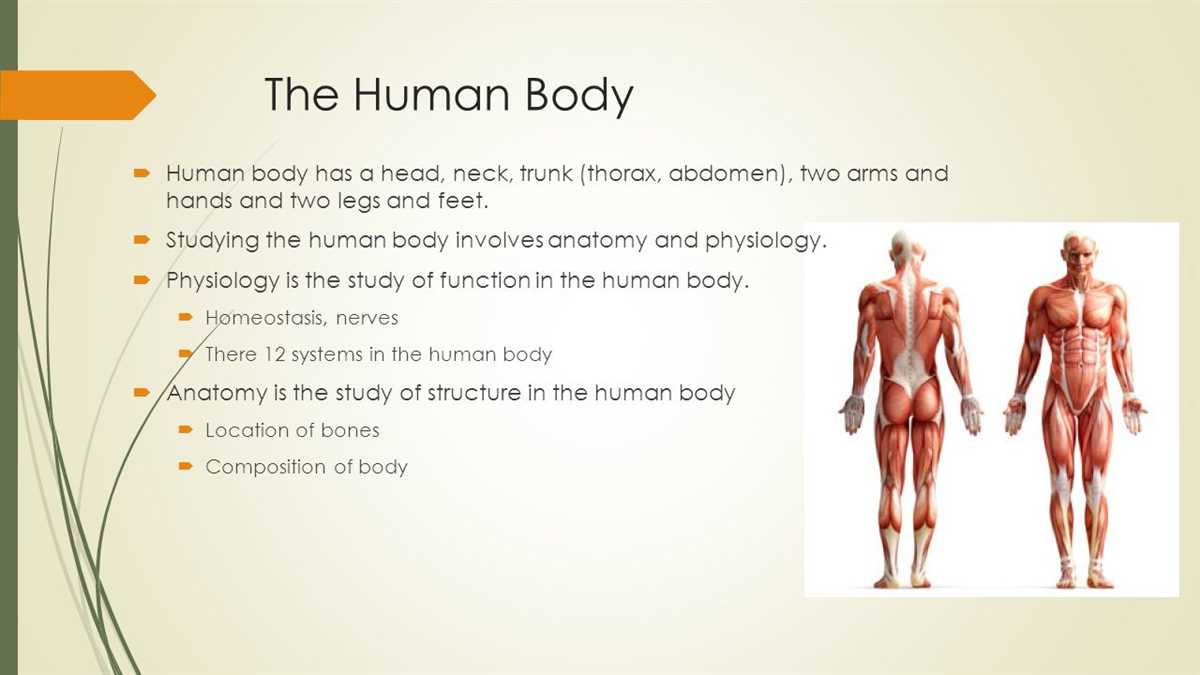
Anatomy and Physiology are two closely related branches of science that study the structure and function of the human body. Anatomy focuses on the structure of body parts and their relationships to one another, while Physiology explores how these parts work and function together to maintain homeostasis.
Anatomy examines the various tissues, organs, and systems that make up the body. It involves the study of the body’s internal and external structures, including bones, muscles, organs, and blood vessels. This field of study helps us understand the physical characteristics and arrangements of different body parts.
Physiology looks at how these structures function and interact with each other. It explores the processes and mechanisms that enable the body to carry out its normal activities, such as digestion, circulation, respiration, and reproduction. Physiology helps us understand how different body systems work together to maintain overall health and well-being.
In summary, Anatomy and Physiology are interconnected disciplines that provide a comprehensive understanding of the human body. By studying both the structure and function of our bodies, we can gain insight into how they work, develop, and respond to various internal and external stimuli.
Importance of Chapter 4 in Anatomy and Physiology
The study of anatomy and physiology is crucial for understanding the structure and function of the human body. Chapter 4 focuses on the tissues, which are the building blocks of all organs and systems in the body. It provides a foundation for the study of more complex structures and processes in later chapters.
Chapter 4 explores the different types of tissues, including epithelial, connective, muscle, and nervous tissues. Each tissue type has unique characteristics and functions, and understanding their roles is essential for comprehending the overall functioning of the body. This chapter also covers the histology, or microscopic structure, of each tissue type, allowing students to visualize and identify tissues under a microscope.
Furthermore, Chapter 4 delves into the concept of cell junctions and the extracellular matrix, which play critical roles in tissue organization and communication. These components are key to maintaining the integrity and functionality of tissues. Additionally, the chapter discusses the process of tissue repair and regeneration, which is essential for healing after injury or disease.
In summary, Chapter 4 is crucial in anatomy and physiology as it introduces students to the fundamental concepts and structures of tissues. It lays the groundwork for understanding the more complex structures and functions of organs and systems in the human body. Without a solid understanding of tissues, it would be challenging to comprehend the intricate workings of the human body and diagnose and treat various medical conditions.
Key Concepts in Chapter 4

In Chapter 4 of Anatomy and Physiology, several key concepts are covered that are essential to understanding the structure and function of the human body. One of the main concepts is the cell theory, which states that all living things are composed of cells, cells are the basic units of structure and function in living organisms, and new cells arise from pre-existing cells. This concept is fundamental to understanding the organization and function of all living organisms.
Another important concept covered in Chapter 4 is cell structure. Cells are composed of various organelles, each with its own unique structure and function. For example, the nucleus contains the cell’s genetic material and controls cellular activities, while the mitochondria are responsible for producing energy in the form of ATP. Understanding the structure and function of these organelles is crucial to understanding how cells work and how they contribute to the overall function of the body.
- Cell theory: All living things are composed of cells, cells are the basic units of structure and function, and new cells arise from pre-existing cells.
- Cell structure: Cells are composed of various organelles, each with its own unique structure and function.
- Cellular transport: Cells rely on various mechanisms to transport molecules across their membranes, such as diffusion, osmosis, and active transport.
- Cell division: Cells divide through a process called mitosis, which allows for growth, repair, and reproduction.
- Cellular communication: Cells communicate with one another through chemical signals, such as hormones and neurotransmitters, which allow for coordination and regulation of body functions.
These key concepts provide a foundation for understanding the complex processes that occur within cells and how they contribute to the overall function of the body. By mastering these concepts, students can gain a deeper understanding of anatomy and physiology and apply this knowledge in various healthcare professions.
Common Topics Covered in Chapter 4 Practice Test
In the chapter 4 practice test on anatomy and physiology, students can expect to encounter a range of topics related to the structure and function of the human body. These topics include:
1. Cells and tissues: The test may assess knowledge of different types of cells and tissues, their structures, and their functions. Students may need to identify and describe the characteristics of epithelial, connective, muscle, and nervous tissues.
2. Integumentary system: Questions may be asked about the integumentary system, which includes the skin, hair, nails, and glands. Students may need to demonstrate an understanding of the functions and structures of these components and their role in maintaining homeostasis.
3. Bone structure and function: The test may cover the structure and function of bones, including the different types of bones, bone formation and growth, and the role of bones in support, protection, and mineral storage.
4. Skeletal system: Questions may assess knowledge of the skeletal system as a whole, including bone classification, the axial and appendicular skeleton, and joints.
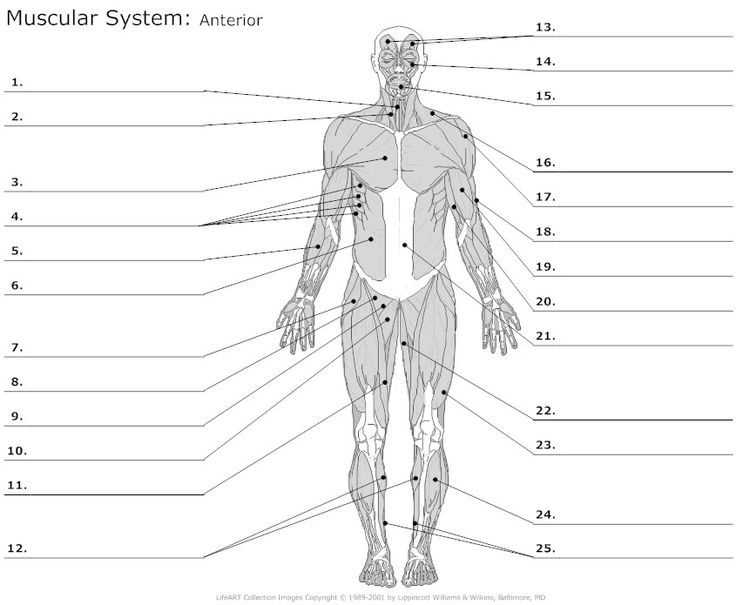
5. Muscular system: Students may be asked to identify and describe the structure and function of different types of muscles, including skeletal, smooth, and cardiac muscles. They may also need to demonstrate an understanding of muscle contraction and the role of muscles in movement and stability.
6. Nervous system: The test may cover the structure and function of the nervous system, including the different types of neurons, the central and peripheral nervous systems, and the role of the nervous system in sensory perception, motor control, and coordination.
7. Special senses: Questions may be asked about the structure and function of the special senses, including the eyes, ears, olfactory system, taste buds, and skin receptors. Students may need to demonstrate an understanding of how these sensory systems work and their role in perception.
This chapter 4 practice test provides an opportunity for students to assess their knowledge and understanding of these key topics in anatomy and physiology. By reviewing and practicing these concepts, students can better prepare themselves for upcoming exams and further study in the field.
Tips for Preparing for Chapter 4 Practice Test
Preparing for a chapter test can feel overwhelming, especially when it comes to a complex subject like anatomy and physiology. However, with the right strategies, you can set yourself up for success. Here are some tips to help you prepare effectively for your Chapter 4 practice test:
- Review your notes: Start by going through your class notes and highlighting the key concepts and important details. Make sure you understand the main ideas and any supporting information.
- Read the textbook: Take the time to read the relevant chapters in your textbook. Pay attention to any diagrams or illustrations that can help you visualize the concepts.
- Use additional resources: If you’re struggling to understand a particular topic, don’t hesitate to seek out additional resources. Online tutorials, videos, and study guides can provide alternative explanations and insights.
- Create a study schedule: Break down your study sessions into manageable chunks. Dedicate specific blocks of time to reviewing each topic, ensuring that you cover all the necessary material.
- Practice with sample questions: Find sample questions or previous test papers related to Chapter 4. By familiarizing yourself with the types of questions you may encounter, you’ll become more comfortable with the test format and better prepared to answer them.
- Form a study group: Consider forming a study group with classmates. Discussing the material, asking and answering questions, and teaching each other can enhance your understanding and retention of the material.
- Take breaks: Remember to take regular breaks during your study sessions. This will help prevent burnout and keep your mind fresh.
- Stay healthy: Make sure to get enough sleep, eat well, and exercise. Taking care of your physical health will contribute to your mental and cognitive performance.
By following these tips and putting in the effort, you can improve your chances of performing well on your Chapter 4 practice test. Good luck!