Mastering Chemistry: Your Ultimate Guide to Final Exam Review Worksheet Answers
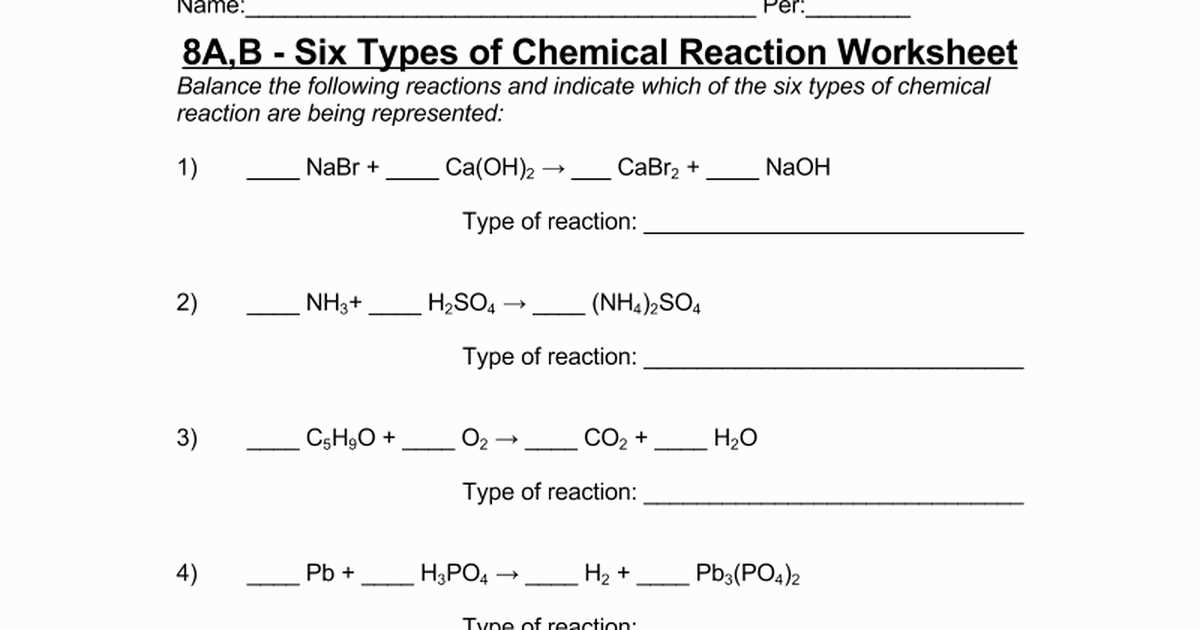
Preparing for a final exam can be overwhelming, especially when it comes to a subject like chemistry. However, with the right resources and practice, you can go into your exam feeling confident and prepared. One helpful tool for reviewing is a worksheet that provides answers to commonly asked questions and problems that may appear on the final exam.
A chemistry final exam review worksheet answers key questions and provides step-by-step solutions to problems that students may encounter on their exam. This worksheet can serve as a valuable study guide, allowing students to practice and reinforce their understanding of key concepts in chemistry.
By using a chemistry final exam review worksheet, you can identify areas where you may need additional practice or review. This allows you to focus your study efforts and address any weaknesses before the exam. Additionally, having the answers to the worksheet can help you check your work and ensure that you are applying the correct concepts and formulas.
Chemistry Final Exam Review Worksheet Answers
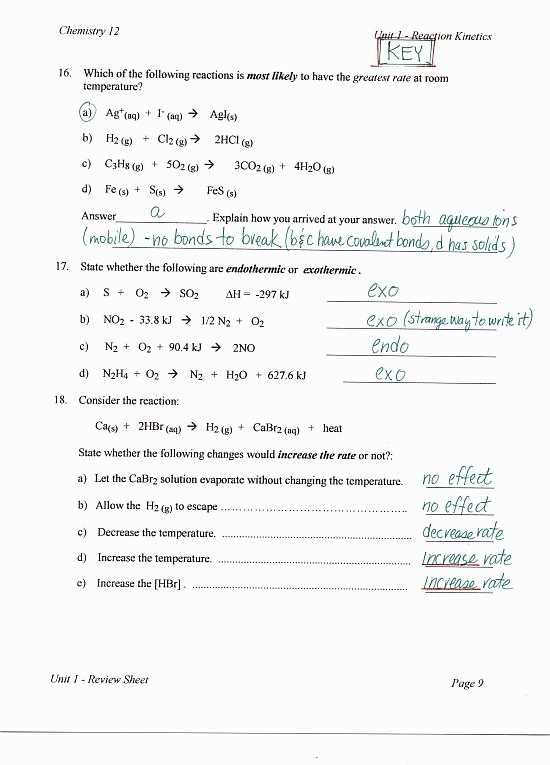
Preparing for a chemistry final exam can be challenging, but with the right review materials, you can feel confident and well-prepared. One helpful resource is a chemistry final exam review worksheet, which includes a series of questions and problems that cover the important concepts and topics that may be tested on the exam.
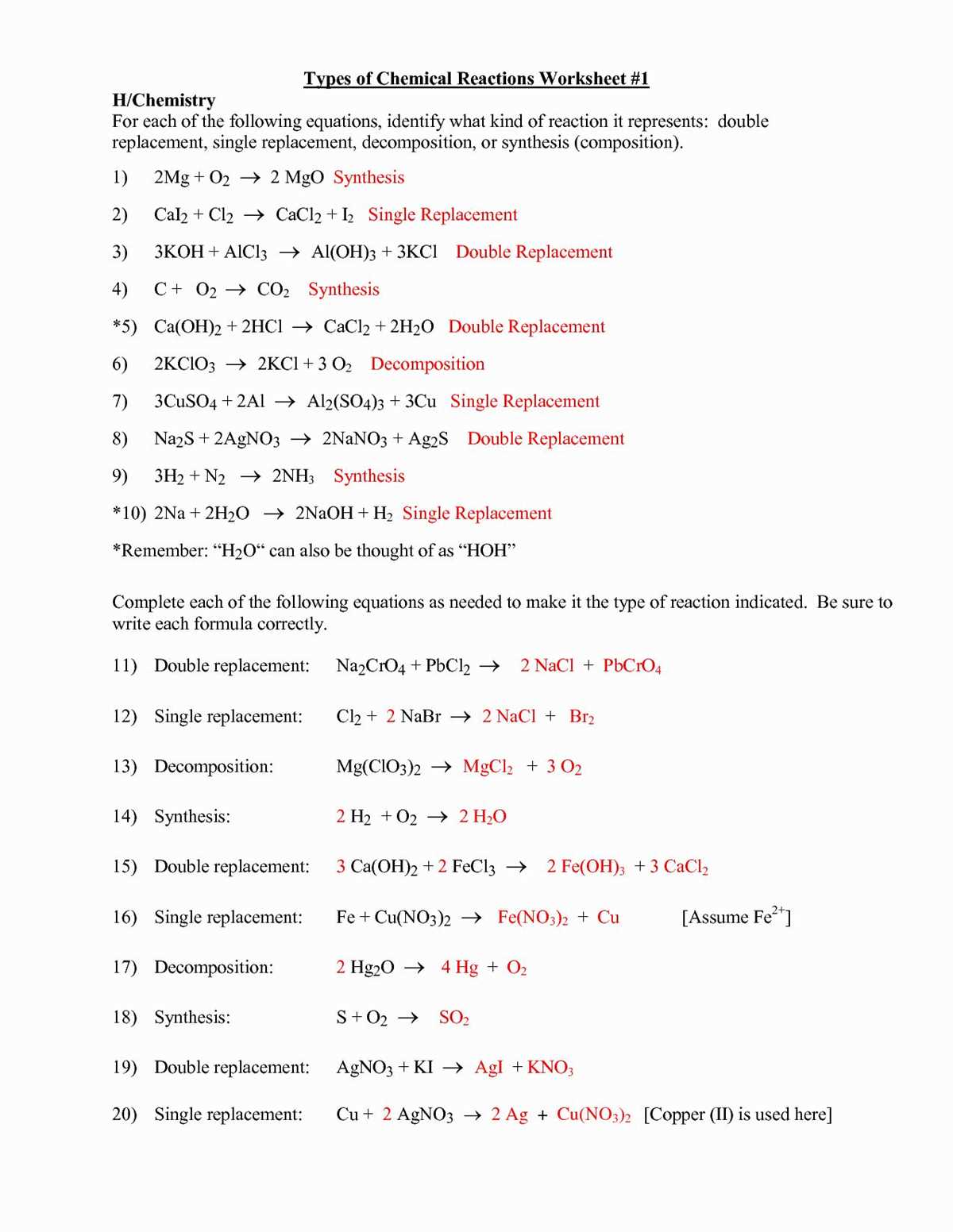
Below are some answers to common questions found in a chemistry final exam review worksheet:
1. What is the difference between an element and a compound?
An element is a pure substance that cannot be broken down into simpler substances by chemical means. It consists of only one type of atom. A compound, on the other hand, is a substance made up of two or more different elements chemically combined. Compounds have a unique set of properties distinct from the elements that make them up.
2. How do you determine the number of valence electrons in an atom?
The number of valence electrons in an atom can be determined by looking at its group number on the periodic table. For main group elements, the group number typically corresponds to the number of valence electrons. For example, elements in group 1A, such as hydrogen and lithium, have one valence electron, while elements in group 7A, such as fluorine and chlorine, have seven valence electrons.
3. What is the difference between an exothermic and endothermic reaction?
An exothermic reaction releases heat energy to the surroundings, resulting in a temperature increase. In these reactions, the products have lower potential energy than the reactants, and heat is considered a product. On the other hand, an endothermic reaction absorbs heat energy from the surroundings, resulting in a temperature decrease. The products in endothermic reactions have higher potential energy than the reactants, and heat is considered a reactant.
These are just a few examples of the types of questions and answers you may encounter on a chemistry final exam review worksheet. Reviewing these concepts and practicing similar problems can help you feel more prepared for the final exam and increase your chances of success.
Concepts and Definitions
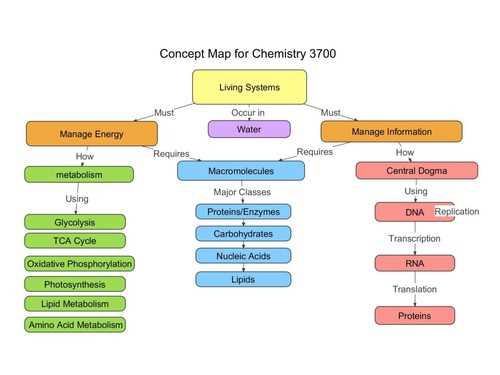
In the study of chemistry, there are several important concepts and definitions that students need to understand. These concepts serve as the foundation for further learning and application of chemical principles.
Atom: An atom is the basic unit of matter and consists of a nucleus, which contains protons and neutrons, and electrons that orbit the nucleus. Atoms combine to form molecules.
Element: An element is a substance that consists of only one type of atom. The periodic table of elements is a chart that organizes elements based on their atomic number and properties.
Compound: A compound is a substance composed of two or more different elements chemically bonded together. Compounds have a fixed ratio of atoms.
Molecule: A molecule is a group of atoms bonded together, representing the smallest unit of a compound that retains its chemical properties.
Chemical reaction: A chemical reaction is a process in which one or more substances are transformed into new substances with different chemical and physical properties.
Reactant: A reactant is a substance that participates in a chemical reaction and is consumed in the process.
Product: A product is a substance that is formed as a result of a chemical reaction.
Stoichiometry: Stoichiometry is the calculation of quantities in chemical reactions based on balanced equations.
Molar mass: Molar mass is the mass of one mole of a substance. It is calculated by summing the atomic masses of all the atoms in a molecule.
Avogadro’s number: Avogadro’s number is a constant that represents the number of particles (atoms, molecules, or ions) in one mole of a substance. It is approximately equal to 6.022 × 10^23.
Understanding these concepts and definitions is essential for success in chemistry. They provide the framework for understanding the behavior of matter and the interactions between different substances. By mastering these fundamental concepts, students can apply their knowledge to solve complex problems and engage in higher-level thinking in the field of chemistry.
Key Equations
The Chemistry final exam often covers a wide range of topics, including various equations and formulas that are essential for understanding the subject. In order to successfully tackle the exam, it is important to have a strong grasp of these key equations. Here are some of the most important equations that you should know:
- Avogadro’s Law: V₁/n₁ = V₂/n₂
- Ideal Gas Law: PV = nRT
- Hess’s Law: ΔH = ΣΔH(products) – ΣΔH(reactants)
- Nernst Equation: E = E° – (RT/nF)ln(Q)
- Equilibrium Constant (Kc): Kc = [C]^c[D]^d /[A]^a[B]^b
- pH Calculation: pH = -log[H⁺]
- Half-Life Equation: t₁/₂ = (0.693/k)
These equations cover a variety of topics in chemistry, including gas laws, thermodynamics, electrochemistry, and kinetics. Understanding and being able to apply these equations will greatly enhance your ability to solve problems and answer questions on the exam. It is important to practice using these equations in different contexts and to familiarize yourself with the units and variables involved in each equation.
Remember, simply memorizing the equations is not enough. It is crucial to understand the underlying principles and concepts behind each equation in order to fully comprehend their applications. Reviewing the relevant topics and practicing with sample problems will help you develop a solid understanding of these equations and their significance in chemistry.
Stoichiometry
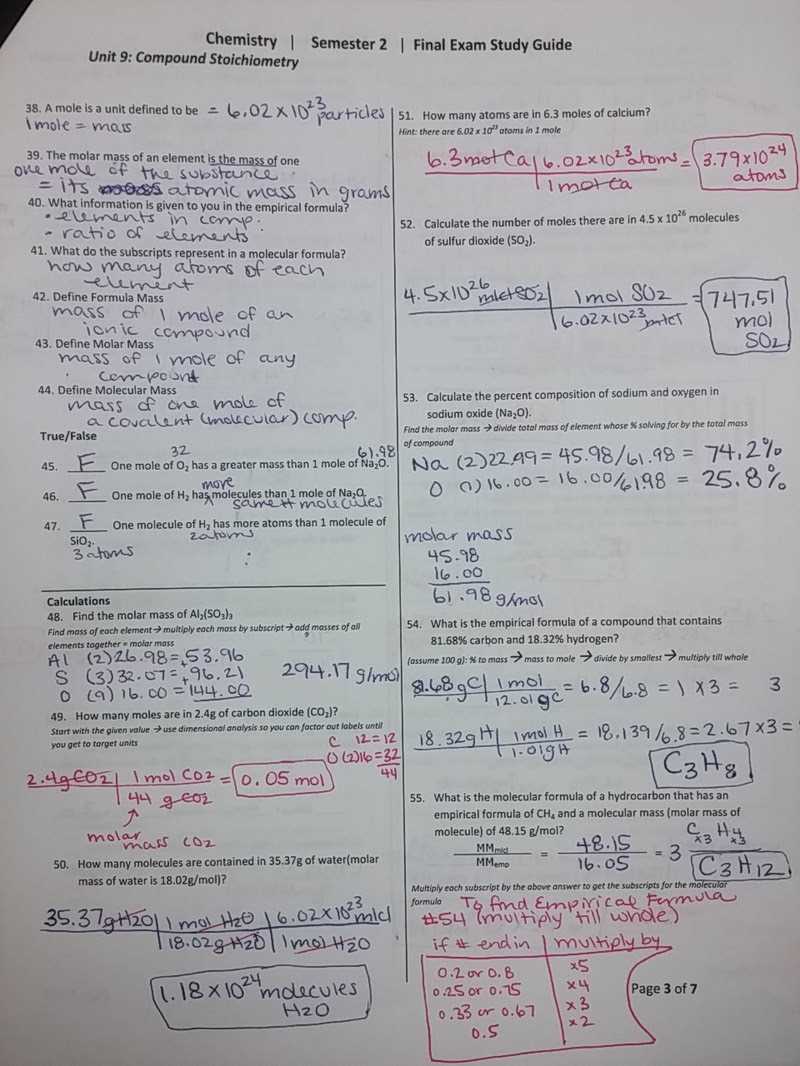
Stoichiometry is a branch of chemistry that deals with the calculations of quantities of substances involved in chemical reactions. It is important because it allows chemists to predict the amount of products formed in a chemical reaction, based on the amount of reactants and the stoichiometric ratios between them.
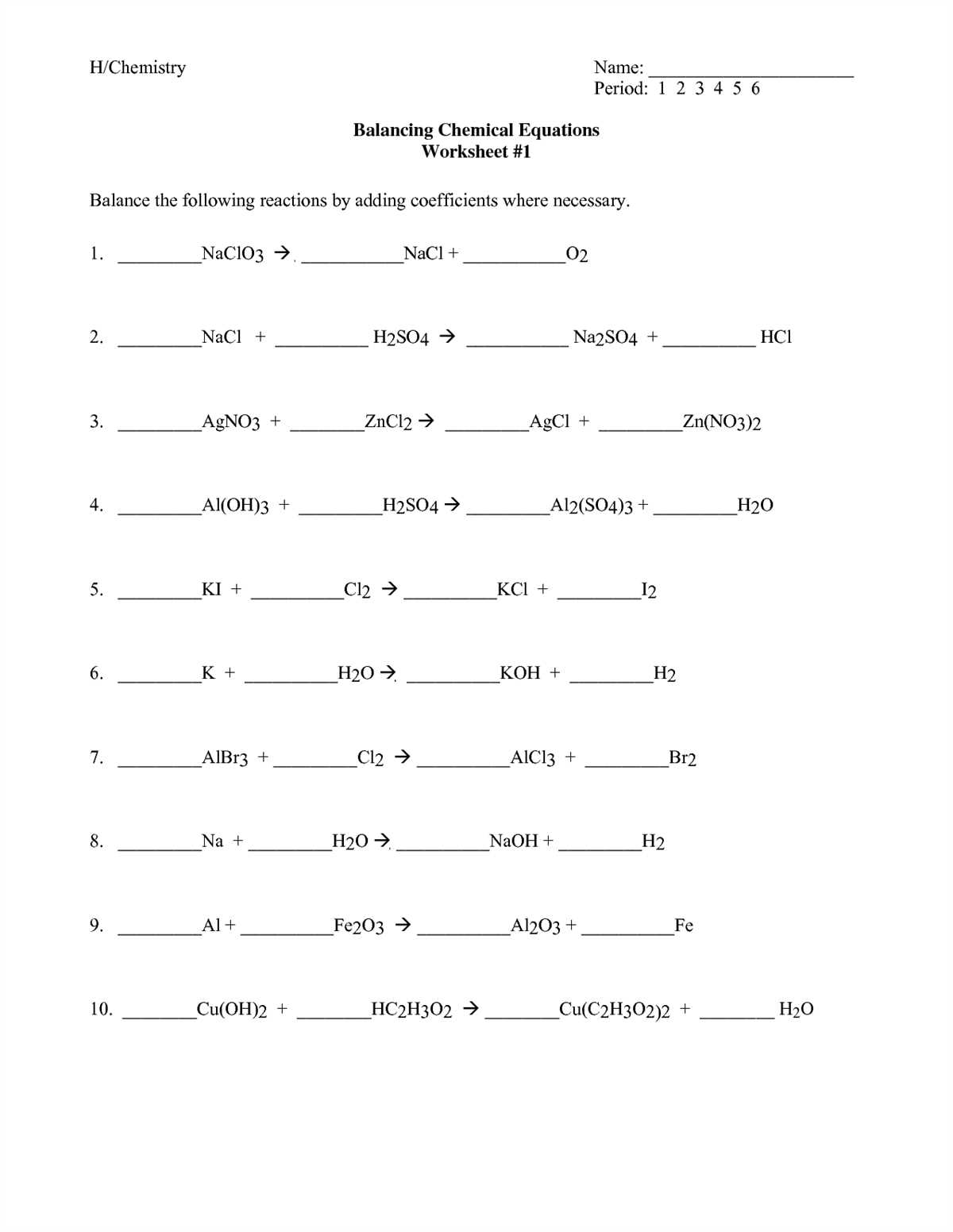
In stoichiometry, balanced chemical equations are used to determine the mole ratio between reactants and products. This mole ratio is then used to calculate the amount of one substance required to react completely with another substance, or the amount of product that can be obtained from a given amount of reactant.
In order to solve stoichiometry problems, it is necessary to convert between different units, such as grams, moles, and molecules. This can be done using conversion factors derived from the balanced chemical equation. By applying these conversion factors, the relative amounts of reactants and products can be determined.
Stoichiometry is widely used in various fields of chemistry, such as analytical chemistry, environmental chemistry, and industrial chemistry. It is an essential tool for understanding and predicting the outcome of chemical reactions, as well as for designing efficient chemical processes and determining the purity and composition of substances.
Bonding and Chemical Reactions
The study of bonding and chemical reactions is essential in understanding the behavior of atoms and molecules. Atoms form bonds with each other in order to achieve stability by filling up their outermost energy levels. This can be done through the transfer or sharing of electrons between atoms.
There are three types of bonding: ionic bonding, covalent bonding, and metallic bonding. In ionic bonding, electrons are transferred from one atom to another, resulting in the formation of positively charged ions (cations) and negatively charged ions (anions). These ions are held together by electrostatic forces of attraction. Covalent bonding occurs when atoms share electrons to achieve a stable electron configuration. This type of bonding is typically observed in nonmetallic elements. Metallic bonding, on the other hand, involves the delocalization of electrons within a sea of positive ions. This allows for the high electrical and thermal conductivity observed in metals.
Chemical reactions occur when atoms and molecules interact to form new substances. These reactions involve the breaking and forming of chemical bonds. There are several types of chemical reactions, including synthesis reactions, decomposition reactions, single displacement reactions, double displacement reactions, and combustion reactions. In a synthesis reaction, two or more substances combine to form a single product. In a decomposition reaction, a single compound breaks down into two or more simpler substances. Single displacement reactions involve the exchange of an atom or ion between two compounds. Double displacement reactions occur when the cations and anions of two compounds switch places. Combustion reactions involve the rapid combination of a fuel (often a hydrocarbon) with oxygen, producing carbon dioxide and water as products.
Understanding bonding and chemical reactions is crucial in fields such as medicine, materials science, and environmental science. It allows scientists to design and synthesize new compounds, understand how drugs interact with the body, develop new materials with desired properties, and study the impact of chemical reactions on the environment. Chemistry final exams often include questions related to bonding and chemical reactions, requiring students to apply their knowledge to solve problems and analyze experimental data.
Conclusion
The periodic table and elements are fundamental concepts in the field of chemistry. They provide a systematic way of organizing and understanding the vast array of elements that exist in the universe. The periodic table serves as a visual representation of the relationships and patterns that exist between elements, allowing chemists to make predictions about the behavior and properties of different elements.
Through the periodic table, chemists can identify trends such as the electronegativity, atomic size, and ionization energy of elements. These trends provide valuable insights into the reactivity and chemical behavior of elements, which are crucial for understanding and manipulating chemical reactions.
Furthermore, the periodic table is continuously expanding as new elements are discovered and synthesized. This ongoing exploration and discovery of new elements not only expands our understanding of the universe but also has practical applications in various industries, such as medicine, energy, and materials science.
Overall, the periodic table serves as a foundational tool in the field of chemistry, providing a framework for organizing, studying, and applying knowledge about elements. Its importance cannot be overstated, as it has revolutionized our understanding of the building blocks of matter and continues to drive scientific advancement.