Unraveling the Mystery: Solving Complicated Riddles with Surprisingly Simple Answers
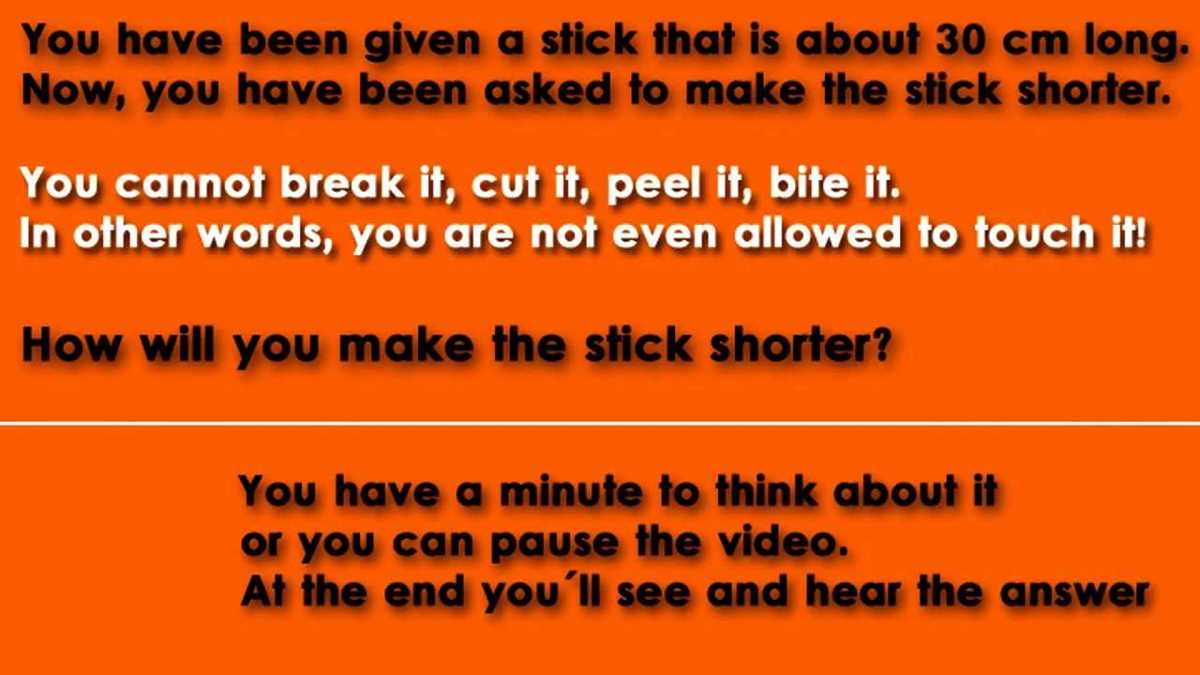
Riddles have been a popular form of entertainment and mental exercise for centuries. They challenge our thinking abilities and force us to think outside the box. Complicated riddles, in particular, are designed to test our critical thinking skills and problem-solving abilities.
Unlike straightforward riddles with simple solutions, complicated riddles often require a deeper level of analysis and a creative approach to reach the correct answer. These riddles can be frustratingly tricky, but the feeling of satisfaction that comes with solving them is unmatched.
One of the fascinating aspects of complicated riddles is that their answers can often be deceptively simple. They require us to think beyond the obvious and consider alternative interpretations. They encourage us to question our assumptions and explore multiple angles before arriving at the correct solution.
In this article, we will explore a collection of mind-boggling riddles that may initially appear complex but have surprisingly simple answers. We will unravel the hidden clues, dissect the logic behind each riddle, and reveal the straightforward solutions that may have eluded you at first glance. So, get ready to sharpen your thinking skills and be prepared to have your mind pleasantly puzzled!
Complicated Riddles with Simple Answers

One of the most enjoyable and challenging activities for many people is trying to solve riddles. Complicated riddles can be both frustrating and entertaining, as they require us to think outside the box and expand our problem-solving skills. However, not all complicated riddles have complex answers. In fact, some of them have surprisingly simple solutions. Let’s explore a few examples of complicated riddles with simple answers.
1. The more you take, the more you leave behind. What am I?
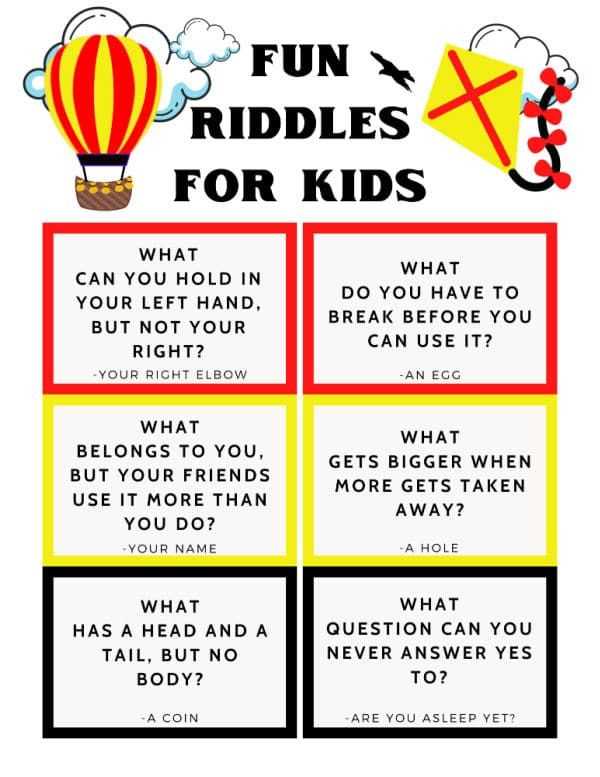
This riddle may seem perplexing at first, but the answer is actually quite straightforward. The answer to this riddle is “footsteps.” When you walk or take steps, you leave footprints behind, which means the more steps you take, the more footprints you leave behind.
2. I am taken from a mine and shut in a wooden case, from which I am never released, and yet I am used by almost every person. What am I?
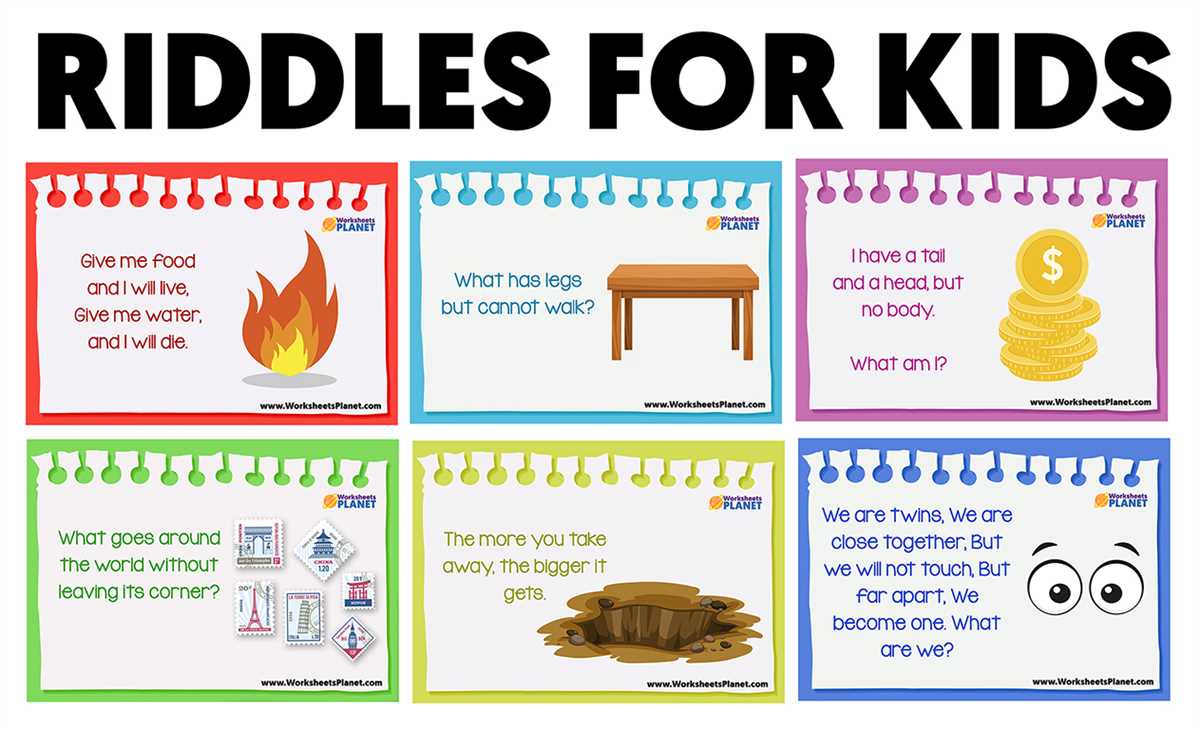
This riddle presents an intriguing scenario, but the answer is relatively simple. The answer is “pencil lead” or “graphite.” Pencil lead is extracted from mines, encased in wooden pencils, and used by almost everyone for writing or drawing. Although it is never released from the wooden case, it is still utilized by people.
3. What can run but never walks, has a mouth but never talks, has a bed but never sleeps, and has a bank but never carries money?
This riddle may make you ponder for a moment, but its answer is quite logical. The answer to this riddle is “river.” A river can run swiftly, but it does not have legs to walk. It has a mouth where it meets the sea or a lake, but it does not talk. A river has a bed, referring to its channel, but it does not sleep. Lastly, it has a riverbank, but it does not carry money like a banking institution.
These are just a few examples of complicated riddles with relatively simple answers. While they may initially seem perplexing, thinking carefully and critically can help us uncover their solutions. Engaging in riddle-solving activities not only provides entertainment but also sharpens our cognitive abilities.
What Are Complicated Riddles?

In the world of brain teasers and puzzles, complicated riddles stand out for their ability to challenge and engage the mind. These riddles are designed to be difficult, requiring the solver to think outside the box and consider multiple possibilities before arriving at the correct answer.
Complicated riddles often involve clever wordplay, misdirection, and complex logic. They may present a scenario or a set of clues that require careful analysis and deduction. These riddles can be frustrating and time-consuming to solve, but the sense of satisfaction that comes with finding the answer is worth the effort.
One example of a complicated riddle is the following:
I speak without a mouth and hear without ears. I have no body, but I come alive with wind. What am I?
This riddle may seem straightforward at first, but upon closer examination, it becomes clear that the answer is not as simple as it may seem. The solution to this riddle is the wind. While the wind does not have a literal mouth, ears, or a body, it can make sounds and be perceived through its effects.
Complicated riddles serve as a form of mental exercise, helping to improve problem-solving skills, critical thinking abilities, and creativity. These riddles require the solver to approach the problem from different angles and consider unconventional possibilities. They offer a fun and challenging way to keep the mind sharp and engaged.
Here are a few more examples of complicated riddles:
- I am taken from a mine, and shut up in a wooden case, from which I am never released, and yet I am used by almost every person. What am I?
- I have keys but no locks. I have space but no room. You can enter but you can’t go outside. What am I?
- The more you take, the more you leave behind. What am I?
These riddles may seem confusing initially, but with careful thought and consideration, the answers can be discovered. Complicated riddles provide a mental challenge and entertainment for those who enjoy solving puzzles and exercising their cognitive abilities.
Why Are Complicated Riddles Popular?

Riddles have been a form of entertainment and mental exercise for centuries, and their popularity continues to endure. Whether written, spoken, or in the form of puzzles, riddles challenge our problem-solving skills and tease our brains with their clever twists and hidden meanings. But what is it about complicated riddles with simple answers that makes them particularly popular?
1. Mental Stimulation: The human mind craves mental stimulation and loves a good challenge. Complicated riddles provide just that, as they require us to think outside the box and use creative problem-solving techniques. The satisfaction of finally unraveling a complex riddle and finding the simple answer gives us a sense of accomplishment and stimulates our intellectual curiosity.
2. Mystery and Intrigue: Complicated riddles often involve a sense of mystery and intrigue. They present us with a puzzle to solve, and our curiosity drives us to uncover the hidden message or solution. This element of mystery captivates our attention and keeps us engaged, as we eagerly try to decipher the riddle and unlock its secrets.
- 3. Social Interaction: Complicated riddles are not only enjoyed individually but also in social settings. They provide a platform for friendly competition and collaboration, as we share riddles with friends, family, or colleagues and challenge each other to solve them. This social interaction adds an extra layer of enjoyment and entertainment to the riddle-solving experience.
- 4. Cognitive Benefits: Solving complicated riddles has cognitive benefits as well. It enhances our critical thinking skills, improves our ability to think analytically, and boosts our problem-solving abilities. Engaging with challenging riddles regularly can strengthen our cognitive processes and improve our mental agility.
In conclusion, complicated riddles with simple answers are popular because they provide mental stimulation, embody mystery and intrigue, facilitate social interaction, and offer cognitive benefits. They are a timeless form of entertainment that challenges our minds and brings joy to both individuals and groups. So, gather your friends, sharpen your thinking skills, and embark on the delightful journey of unraveling complicated riddles!
Examples of Complicated Riddles
Riddles have been a popular form of entertainment for centuries. They often challenge our logic and critical thinking skills, making us think outside the box. While many riddles may have simple answers, there are some that are particularly complicated and require a deeper level of analysis. Here are a few examples of complicated riddles:
1. The Twins:
Two friends, Alex and Chris, are identical twins. One is always truthful, while the other always lies. You can ask one question to only one of them to determine which path leads to the treasure. What question should you ask?
This riddle is complicated because you have to consider the nature of the twins and their responses. The solution lies in formulating a question that would yield opposite responses from the truthful twin and the lying twin, helping you identify the correct path.
2. The Five Pirates:
Five pirates, A, B, C, D, and E, find a chest with 100 gold coins. They must decide how to divide it amongst themselves. The pirates have a strict order of seniority, and each pirate has a preferred distribution of coins. If the majority of pirates do not approve of a proposed distribution, the proposing pirate will be thrown overboard. How should the coins be divided?
This riddle is complicated because you have to consider the pirates’ preferences and the potential consequences of each proposed distribution. The solution lies in understanding the pirates’ motivations and finding a distribution that would be approved by the majority of pirates, while also keeping the proposing pirate alive.
3. The Hardest Logic Puzzle Ever:

This riddle, also known as “The Hardest Logic Puzzle Ever,” was created by philosopher and mathematician Raymond Smullyan. It involves three gods, each of whom can only answer “yes” or “no” to a question. One god always tells the truth, another always lies, and the third god alternates between truth-telling and lying. You must determine the identities of the gods by asking only three yes-or-no questions.
This riddle is considered one of the most complicated logic puzzles ever created because it requires precise questioning and logical reasoning. The solution lies in formulating questions that would differentiate between different combinations of truth-telling and lying, ultimately revealing the identities of the gods.
These examples of complicated riddles showcase the challenging nature of these puzzles. They require careful analysis, logical reasoning, and sometimes even creative thinking to arrive at the correct answer. Riddles like these test our problem-solving skills and can be a fun way to exercise our minds.
Tips for Solving Complicated Riddles

Solving complicated riddles can be a fun and challenging activity that requires critical thinking and creative problem-solving skills. While some riddles may seem impossible to solve at first glance, with the right approach and mindset, you can unravel even the most enigmatic of puzzles. Here are some tips to help you tackle complicated riddles and find their simple answers:
1. Read the riddle carefully: Take your time to understand the riddle and identify any important words or clues. Pay attention to the phrasing, as it may hold hidden meanings or alternative interpretations.
2. Break it down: Break the riddle into smaller parts to better understand its structure. Look for patterns, repetitions, or any specific instructions given. Sometimes, solving one part of the riddle can lead you closer to the solution.
3. Think outside the box: Riddles often require thinking beyond the obvious. Consider different perspectives, use lateral thinking, and explore unconventional possibilities. Don’t limit yourself to the most apparent solutions.
4. Use your imagination: Riddles can sometimes be metaphorical or abstract, so it’s crucial to tap into your imagination and think creatively. Visualize the situation described in the riddle and try to come up with imaginative solutions.
5. Collaborate and ask for help: Don’t be afraid to seek assistance from others when solving complicated riddles. Discuss the riddle with friends or join online communities to brainstorm ideas and gain new perspectives. Two heads are often better than one!
- Stay persistent: Solving challenging riddles may require time and patience. Don’t give up easily and keep trying different approaches until you find the right answer. Perseverance is key.
- Record your progress: Keep track of the riddles you’ve solved and the strategies you’ve used. This can help you identify patterns and improve your problem-solving skills for future riddles.
- Research similar riddles: Studying and solving various riddles can help you develop a better understanding of different riddle types and common patterns. This knowledge can enhance your ability to decipher complicated riddles.
In conclusion, solving complicated riddles requires a combination of careful analysis, creative thinking, and persistence. By following these tips and honing your problem-solving skills, you’ll be well equipped to tackle even the most intricate riddles and uncover their simple answers.
The Benefits of Solving Complicated Riddles
Riddles have long been a form of entertainment and mental exercise, and solving complicated riddles can have numerous benefits for individuals of all ages. Whether you are trying to challenge your brain, improve your problem-solving skills, or simply have fun, tackling complicated riddles can provide a variety of advantages.
One of the main benefits of solving complicated riddles is the improvement of critical thinking and problem-solving skills. Riddles often require you to think outside the box, analyze different perspectives, and find creative solutions. This can enhance your ability to approach complex problems in other areas of life, such as work or personal relationships.
Solving complicated riddles can also help improve your memory and cognitive abilities. Riddles often involve remembering details, making connections between various clues, and maintaining focus throughout the solving process. Regularly engaging in riddle solving can strengthen your memory and increase your brain’s overall performance.
Furthermore, solving complicated riddles can be a great way to relieve stress and relax. When you are immersed in solving a challenging riddle, your mind becomes focused, diverting attention from daily worries and anxieties. This mental diversion can provide a much-needed break and help rejuvenate your mind.
In addition to the cognitive benefits, solving complicated riddles can also be a social activity. Sharing riddles with friends, family, or colleagues can create a sense of camaraderie and encourage teamwork. Riddles can stimulate conversations, spark friendly competitions, and bring people together.
In conclusion, solving complicated riddles offers a range of benefits, including improved critical thinking skills, enhanced memory and cognitive abilities, stress relief, and social interactions. So, the next time you come across a challenging riddle, embrace the opportunity to exercise your mind and enjoy the rewards that come with it.