Mastering CPR AED Test: Answers that Save Lives

CPR (Cardiopulmonary Resuscitation) is a life-saving technique that is performed on individuals experiencing cardiac arrest. It involves performing chest compressions to help circulate oxygenated blood throughout the body. Automated External Defibrillator (AED) is a device that can be used during CPR to shock the heart back into a normal rhythm. It is important for individuals to be trained and knowledgeable in CPR and AED procedures to effectively respond to emergency situations.
Understanding the correct answers to CPR AED test questions is crucial for passing certification exams and ensuring proper emergency response. These tests assess the knowledge, skills, and abilities of individuals in performing CPR and using an AED. While the questions may vary, it is essential to have a solid understanding of the overall concepts and procedures involved in CPR and AED use.
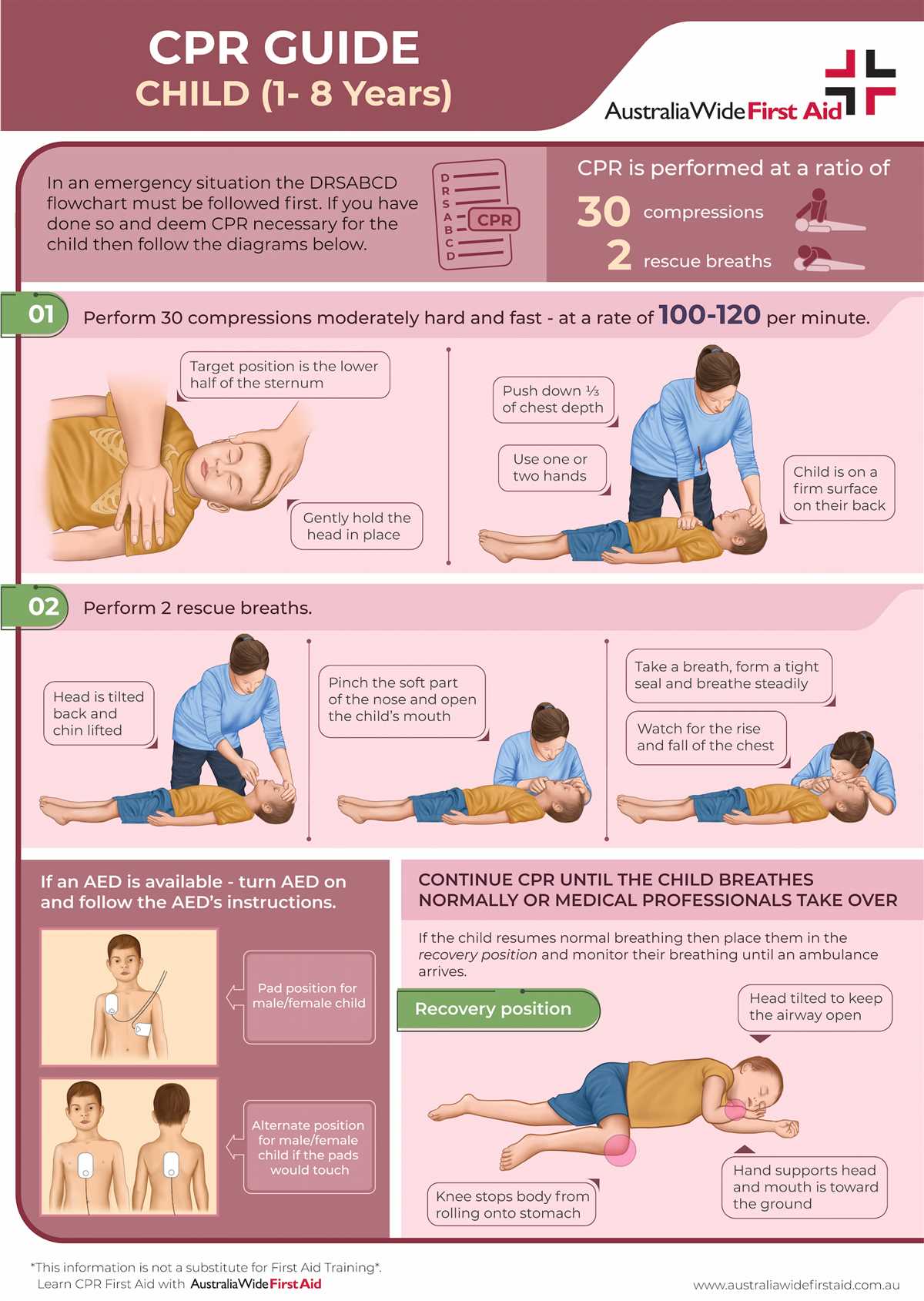
Some common CPR AED test questions revolve around the steps and techniques of performing CPR and using an AED. For example, the correct answer to a question about the ratio of chest compressions to rescue breaths during CPR is usually 30 compressions to 2 breaths. Another frequently asked question may inquire about the correct placement of AED pads on a victim’s chest.
Knowing the answers to these questions not only ensures success on certification exams but also empowers individuals to confidently respond to emergencies. By understanding the correct procedures for CPR and AED use, individuals can potentially save lives in critical situations. It is important to regularly refresh this knowledge and stay up-to-date with any changes in CPR and AED guidelines to provide the best possible care.
CPR AED Test Answers
When it comes to CPR AED tests, having the correct answers is crucial in order to effectively respond to emergency situations. Understanding the proper techniques and procedures can mean the difference between life and death. Here are some key answers to common questions on CPR AED tests:
1. What does CPR stand for?
CPR stands for Cardio Pulmonary Resuscitation. It is a life-saving technique used in emergency situations to manually provide blood circulation and oxygen to a person in cardiac arrest.
2. What is the first step in performing CPR?
The first step in performing CPR is to check for responsiveness. Tap the person’s shoulder and ask if they are okay. If there is no response, shout for help and begin the next steps of CPR.
3. What is the compression-to-ventilation ratio for adult CPR?
The compression-to-ventilation ratio for adult CPR is 30 compressions to 2 ventilations. This means that for every 30 compressions, you should provide 2 breaths.
4. What is the correct depth for compressions during CPR?
The correct depth for compressions during CPR is at least 2 inches (5 centimeters) for adults. It is important to ensure that the chest fully recoils between compressions.
5. When should an AED (Automated External Defibrillator) be used?
An AED should be used as soon as it is available and a person is in cardiac arrest. It is an important device that delivers an electric shock to the heart to restore its normal rhythm.
By having a good understanding of these answers, individuals can be better prepared to perform CPR and use an AED when necessary. Remember, proper training and certification are important to ensure the best outcomes in emergency situations. Always consult with healthcare professionals for specific guidelines and procedures.
What is CPR?
CPR, or cardiopulmonary resuscitation, is an emergency procedure performed on individuals who have suffered from a cardiac arrest or are experiencing a life-threatening condition that affects their breathing. It is a crucial skill that can be used by bystanders or healthcare professionals to maintain blood circulation and provide oxygen to the brain until further medical help arrives.
CPR involves a combination of chest compressions and rescue breaths. The compressions help manually pump the heart to circulate blood throughout the body, while the rescue breaths provide oxygen to the lungs. This combination is essential to keep vital organs functioning and prevent brain damage due to the lack of oxygen.
The Importance of CPR Training
Cardiopulmonary resuscitation (CPR) training is an essential skill that everyone should have. It is a life-saving technique that can significantly increase the chances of survival for someone experiencing cardiac arrest. One of the key benefits of CPR is that it helps maintain blood flow and oxygen to the brain and other vital organs until medical professionals can take over. This immediate intervention can mean the difference between life and death for a person in need.
Having basic CPR knowledge can empower individuals to take action and respond appropriately in emergency situations. When someone nearby is in cardiac arrest and there is no immediate medical help available, performing CPR can make a significant impact. By providing chest compressions and rescue breaths, a trained individual can effectively circulate oxygenated blood throughout the body and maintain vital organ function until professional help arrives.
Not only does CPR training enable individuals to potentially save lives, but it also instills a sense of confidence and preparedness. Knowing what to do in an emergency situation can help alleviate panic and anxiety, allowing for a more focused and effective response. By taking a CPR training course, individuals gain the skills and knowledge needed to handle critical situations, making them valuable assets in their communities.
Key benefits of CPR training:
- Increased chances of survival for someone experiencing cardiac arrest
- Maintains blood flow and oxygen to vital organs
- Empowers individuals to take immediate action in emergency situations
- Enables individuals to potentially save lives
- Builds confidence and preparedness
In conclusion, CPR training is incredibly important as it equips individuals with the skills and knowledge needed to respond effectively in emergency situations. Being able to provide immediate CPR can make a significant difference in the outcome for someone in cardiac arrest. By maintaining blood flow and oxygen, a trained individual can potentially save a life while waiting for medical professionals to arrive. Additionally, CPR training instills confidence and preparedness, making individuals valuable assets in their communities. Everyone should consider undergoing CPR training to be better prepared to provide life-saving intervention when it is needed most.
How to Perform CPR
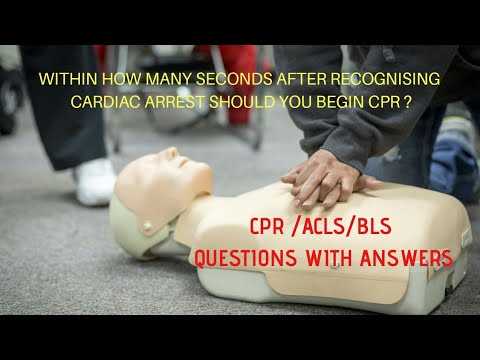
CPR stands for cardiopulmonary resuscitation, and it is a life-saving technique used to revive someone who has stopped breathing or whose heart has stopped beating. Performing CPR correctly can greatly increase the chances of survival for the victim, and it is important to follow the correct steps. Here is a step-by-step guide on how to perform CPR:
- Assess the situation: Before starting CPR, make sure that the area is safe and there is no immediate danger. Check if the person is conscious or unconscious.
- Call for help: If the person is unresponsive, call for emergency medical assistance immediately. Time is crucial in these situations, so it is important to get professional help as soon as possible.
- Check the airway: Carefully tilt the person’s head back and lift the chin to open up their airway. Check for any obstructions, such as food or vomit, and remove them if possible.
- Give rescue breaths: Pinch the person’s nose shut and cover their mouth with yours. Give two slow breaths, each lasting about one second. Watch for the chest to rise as you breathe into the person.
- Check for signs of circulation: After giving rescue breaths, check for signs of circulation, such as breathing, coughing, or movement. If there are no signs of circulation, continue with CPR.
- Start chest compressions: Place the heel of your hand on the center of the person’s chest, between the nipples. Place your other hand on top and interlock your fingers. Press down hard and fast, aiming for a depth of about 2 inches. Perform 30 chest compressions at a rate of 100-120 compressions per minute.
- Continue cycles of breaths and compressions: After 30 chest compressions, give two more rescue breaths. Continue to alternate between 30 chest compressions and two rescue breaths until help arrives or the person starts to show signs of life.
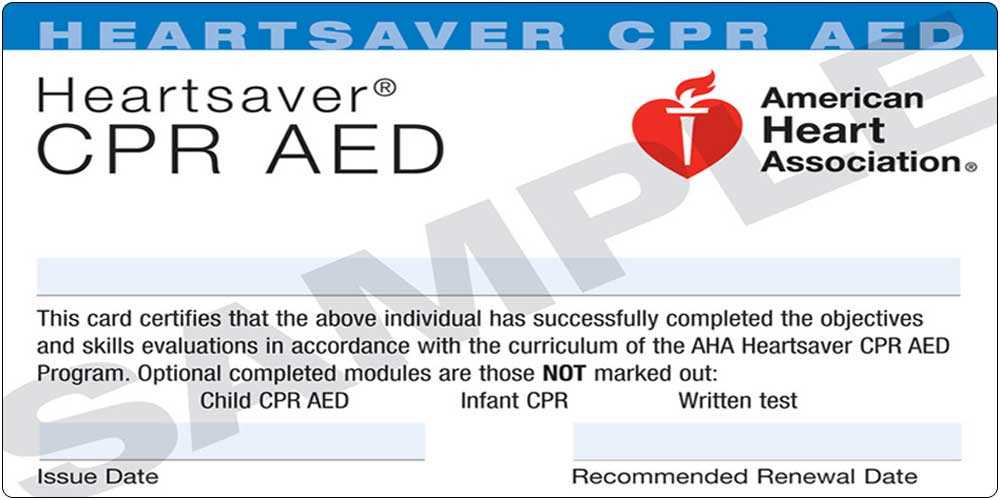
Remember, CPR is a critical skill that can save lives, so it is important to learn and practice it regularly. Taking a CPR and AED certification course can provide you with the necessary knowledge and skills to confidently perform CPR when needed.
What is an AED?

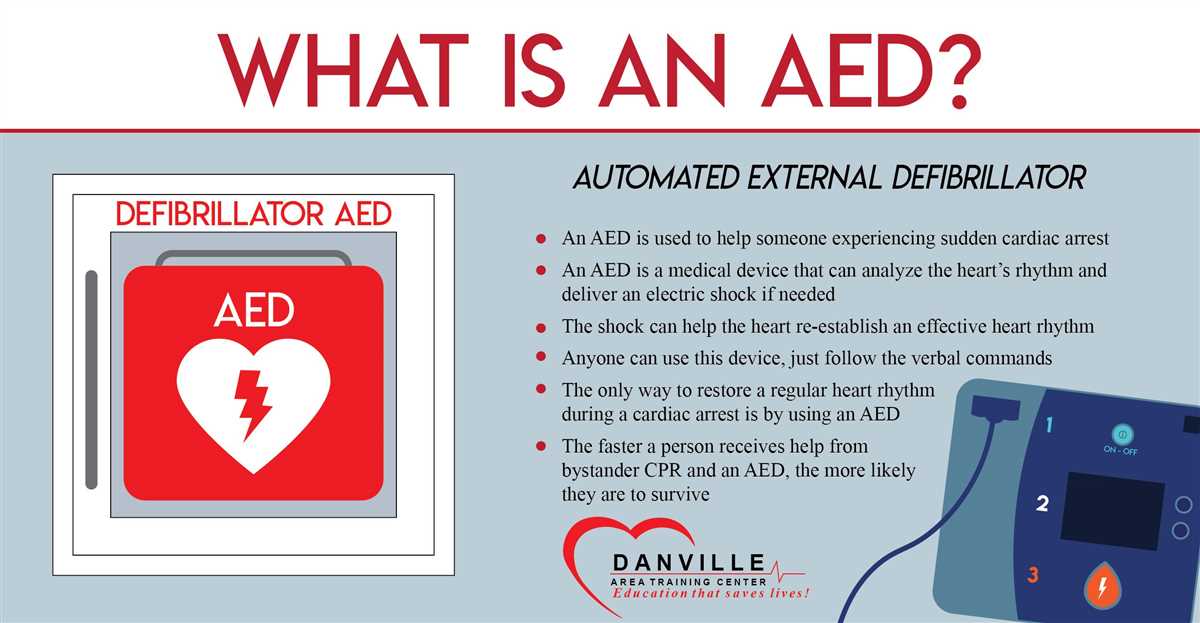
An AED, or Automated External Defibrillator, is a portable device used in the event of sudden cardiac arrest. It is designed to deliver an electric shock to the heart in order to restore a normal rhythm. AEDs are commonly used in emergency situations, particularly by trained bystanders or first responders, to increase the chances of survival for someone experiencing cardiac arrest.
The AED is equipped with a control panel and electrode pads that are applied to the chest of the person in cardiac arrest. The control panel provides audio and visual prompts to guide the user through the steps of using the device. It analyzes the heart rhythm and determines whether or not a shock is needed. If a shock is advised, the AED will deliver it automatically or prompt the user to press a button to administer the shock.
One of the key features of an AED is its ability to detect and treat a specific type of abnormal heart rhythm called ventricular fibrillation. Ventricular fibrillation is a chaotic electrical activity in the heart that prevents it from pumping blood effectively. The AED is designed to recognize this rhythm and deliver a shock to the heart, which can help restore a normal rhythm and improve the chances of survival.
It is important to note that AEDs should only be used on individuals who are unresponsive and not breathing normally. They are not intended for use on individuals with a pulse or in situations where the heart has completely stopped for an extended period of time. Proper training is essential for anyone who may need to use an AED in an emergency situation to ensure its effective and safe use.
How to Use an AED

In an emergency situation, knowing how to properly use an automated external defibrillator (AED) can make a significant difference in saving someone’s life. An AED is a portable electronic device that can analyze a person’s heart rhythm and deliver an electric shock, if necessary, to restore a normal heartbeat. Here are the steps to effectively use an AED:
Step 1: Assess the Scene and Confirm Cardiac Arrest
- Before using an AED, ensure that the scene is safe for both you and the victim. Remove any potential hazards, such as water or metal objects.
- Check if the victim is responsive and not breathing or breathing abnormally. Look for any signs of cardiac arrest, such as no pulse or gasping for air.
- If cardiac arrest is confirmed, immediately call for emergency medical assistance.
Step 2: Turn on the AED and Attach the Pads
- Locate and turn on the AED. It will provide clear audio and visual prompts to guide you through the process.
- Expose the victim’s chest and attach the AED pads. Follow the visual instructions on the AED pads, which typically show the correct placement on the upper right chest and lower left side.
- If the victim is wet, for example, due to sweat or water, dry their chest before applying the AED pads to ensure proper adhesion.
Step 3: Analyze the Heart Rhythm and Deliver a Shock
- The AED will automatically analyze the victim’s heart rhythm once the pads are attached. Ensure that no one is touching the victim, as this may interfere with the analysis.
- Follow the AED prompts. If the device determines that a shock is necessary, it will charge up and instruct you to stand clear and press the shock button. Make sure no one is touching the victim.
- Administer the shock by pressing the shock button firmly and promptly.
Step 4: Perform CPR
- After delivering a shock, immediately resume CPR, starting with chest compressions. Follow the AED prompts for the correct timing and depth of compressions.
- Continue performing CPR until the AED prompts you to stop, emergency medical services arrive, or the victim shows signs of regaining consciousness.
Remember, it is crucial to receive proper training and certification in CPR and AED usage to ensure you can confidently and correctly respond in an emergency. Regular training can help increase your knowledge and skills, allowing you to effectively use an AED and potentially save someone’s life.
Common CPR AED Test Questions and Answers
Before attempting a CPR AED test, it’s important to review and understand the most commonly asked questions. Here is a compilation of common questions and their answers to help you prepare effectively for the test.
1. What does CPR stand for?
CPR stands for Cardio-Pulmonary Resuscitation.
2. What is the purpose of AED in CPR?
AED stands for Automated External Defibrillator. The purpose of an AED in CPR is to analyze the heart rhythm of a person in cardiac arrest and deliver an electric shock if necessary to restore a normal heart rhythm.
3. What are the steps of CPR?
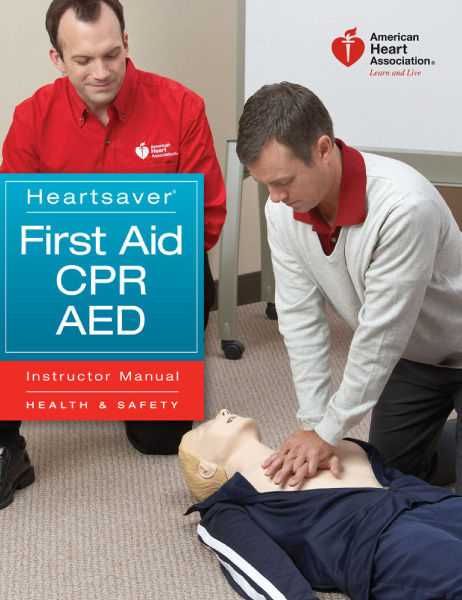
The steps of CPR include:
- Check for responsiveness.
- Call for help.
- Open the airway.
- Check for breathing.
- Give rescue breaths.
- Perform chest compressions.
- Use an AED (if available).
- Continue CPR until help arrives.
4. When should you use an AED?

An AED should be used as soon as it is available for a person who is unresponsive and not breathing or experiencing abnormal breathing. It should be used in conjunction with CPR.
5. What is the ratio of chest compressions to breaths in CPR?
The ratio of chest compressions to breaths in CPR is 30 compressions to 2 breaths for both trained and untrained rescuers.
6. How deep should chest compressions be?
Chest compressions should be at least 2 inches (5 centimeters) deep for adults and children and around 1.5 inches (4 centimeters) deep for infants.
By familiarizing yourself with these common CPR AED test questions and their answers, you will be better prepared to demonstrate your knowledge and skills when it matters most. Remember to always consult the latest guidelines and seek professional training to stay up-to-date with the best practices in CPR and AED techniques.