The Secrets of DNA: Unveiling the Answers to the Molecule of Heredity Worksheet
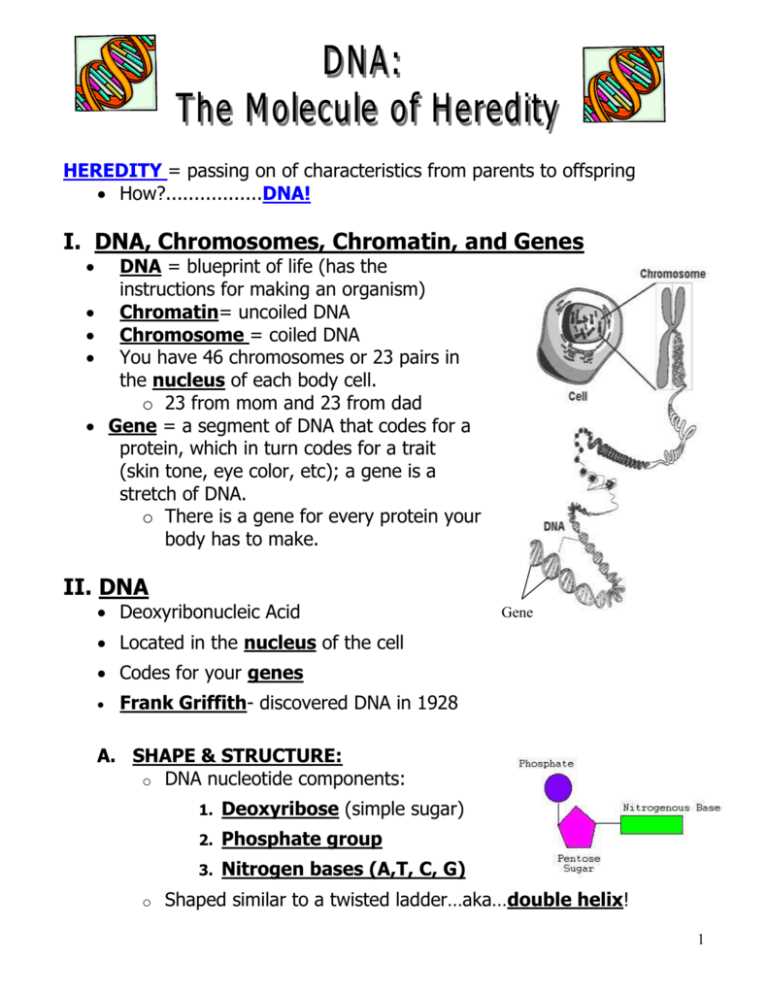
DNA, short for Deoxyribonucleic Acid, is a molecule that carries the genetic instructions used in the growth, development, functioning, and reproduction of all living organisms. It is often referred to as the “molecule of heredity” because it is responsible for passing genetic information from one generation to the next.
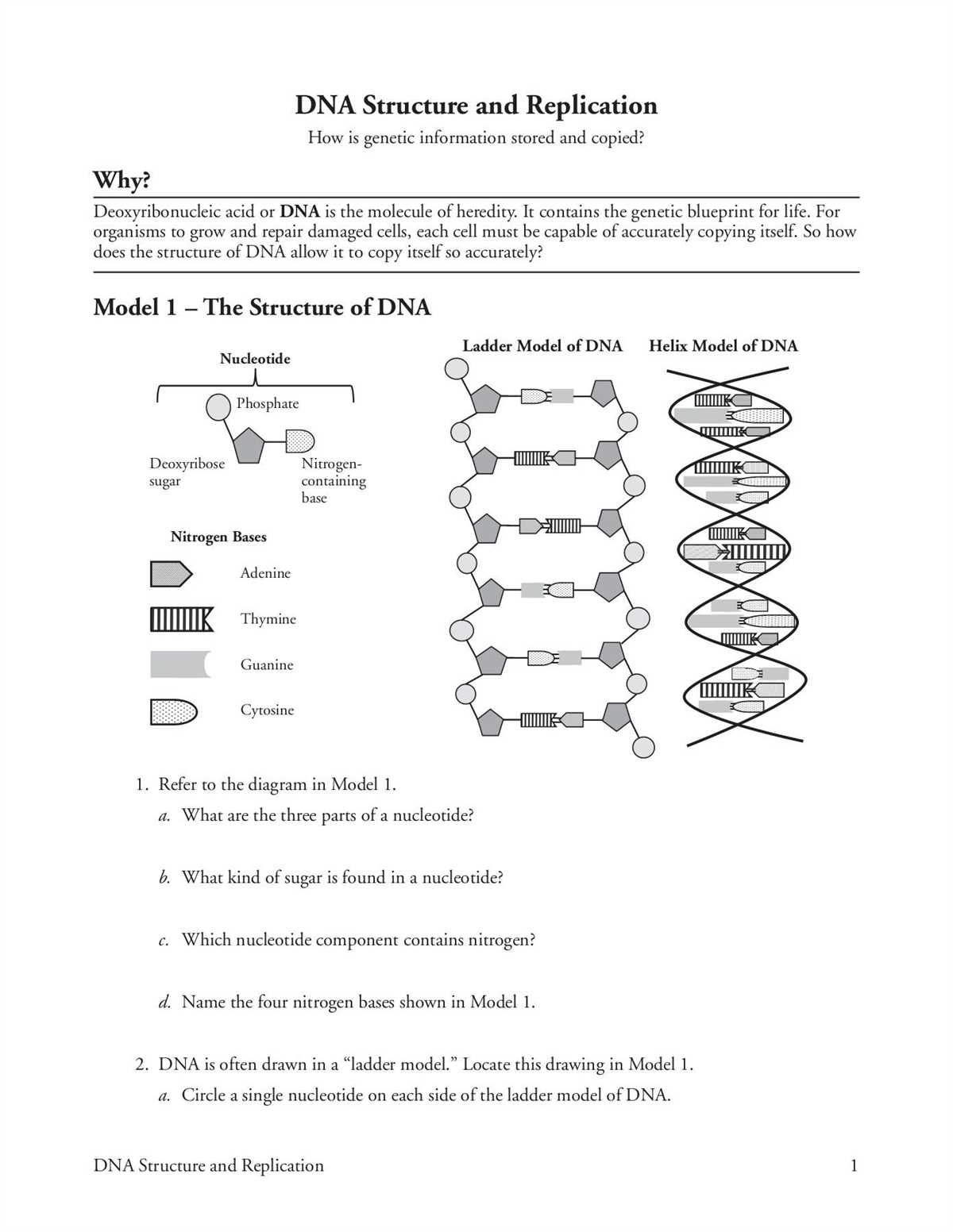
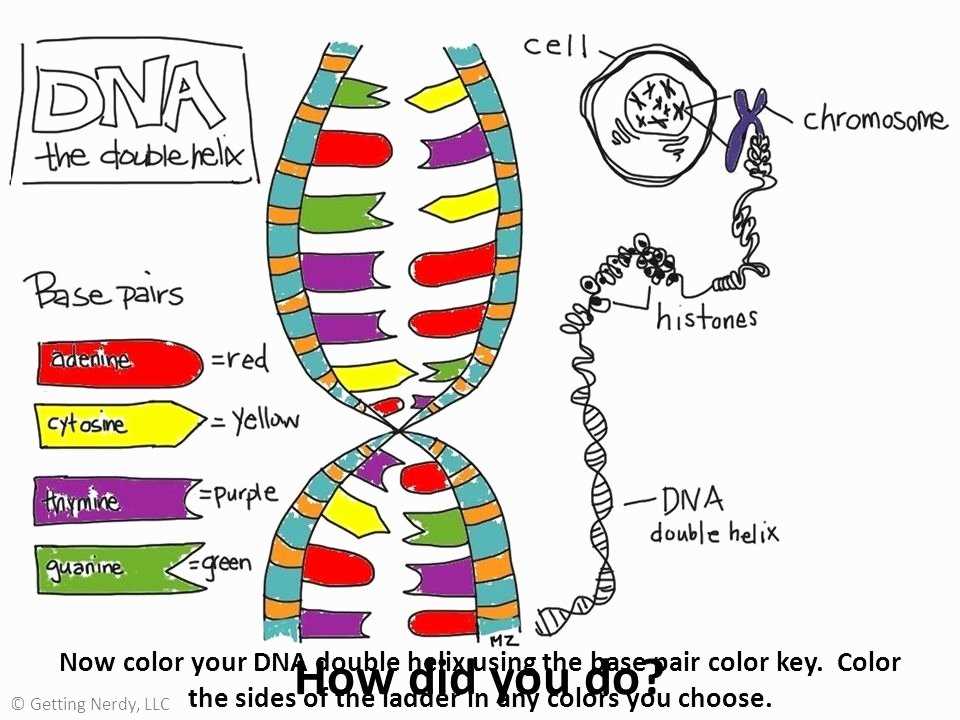
The structure of DNA is often described as a double helix, which resembles a twisted ladder. Each “rung” of the ladder is made up of two nucleotides, which are the building blocks of DNA. Each nucleotide consists of a sugar molecule called deoxyribose, a phosphate group, and one of four nitrogenous bases: adenine (A), thymine (T), guanine (G), or cytosine (C).
The sequence of these nitrogenous bases along the DNA molecule forms the genetic code, which determines an organism’s traits and characteristics. The order of the bases is critical, as it provides the instructions for the synthesis of proteins, which are essential for the structure and function of cells.
Understanding the structure and function of DNA is crucial in various fields of science, including genetics, medicine, and biotechnology. By studying DNA, scientists can unlock the mysteries of inherited diseases, develop new treatments and therapies, and create genetically modified organisms with desired traits. The study of DNA has revolutionized our understanding of life and continues to pave the way for new discoveries and advancements.
DNA: The Molecule of Heredity Worksheet Answers
Understanding the concept of DNA and its role as the molecule of heredity is crucial in the field of genetics. The DNA molecule contains the genetic instructions for the development, functioning, and reproduction of all known living organisms. In this worksheet, we will explore the answers to questions related to DNA and its significance in genetics.
1. What does DNA stand for?
The answer to this question is Deoxyribonucleic Acid. DNA is a double-stranded molecule that consists of two long chains, or strands, of nucleotides twisted together in the shape of a double helix.
2. What is the structure of DNA?
The structure of DNA consists of nucleotides, which are made up of three components: a sugar molecule called deoxyribose, a phosphate group, and one of four nitrogenous bases (adenine, thymine, guanine, or cytosine). The nucleotides are arranged in a ladder-like structure, with the sugar and phosphate forming the sides and the bases forming the rungs of the ladder.
3. What is the role of DNA in heredity?
DNA carries the genetic information that determines the traits an organism inherits from its parents. It serves as a blueprint for the production of proteins, which are responsible for the structure and function of cells. DNA is passed down from parents to offspring, ensuring the continuity of genetic information.
4. How does DNA replicate?
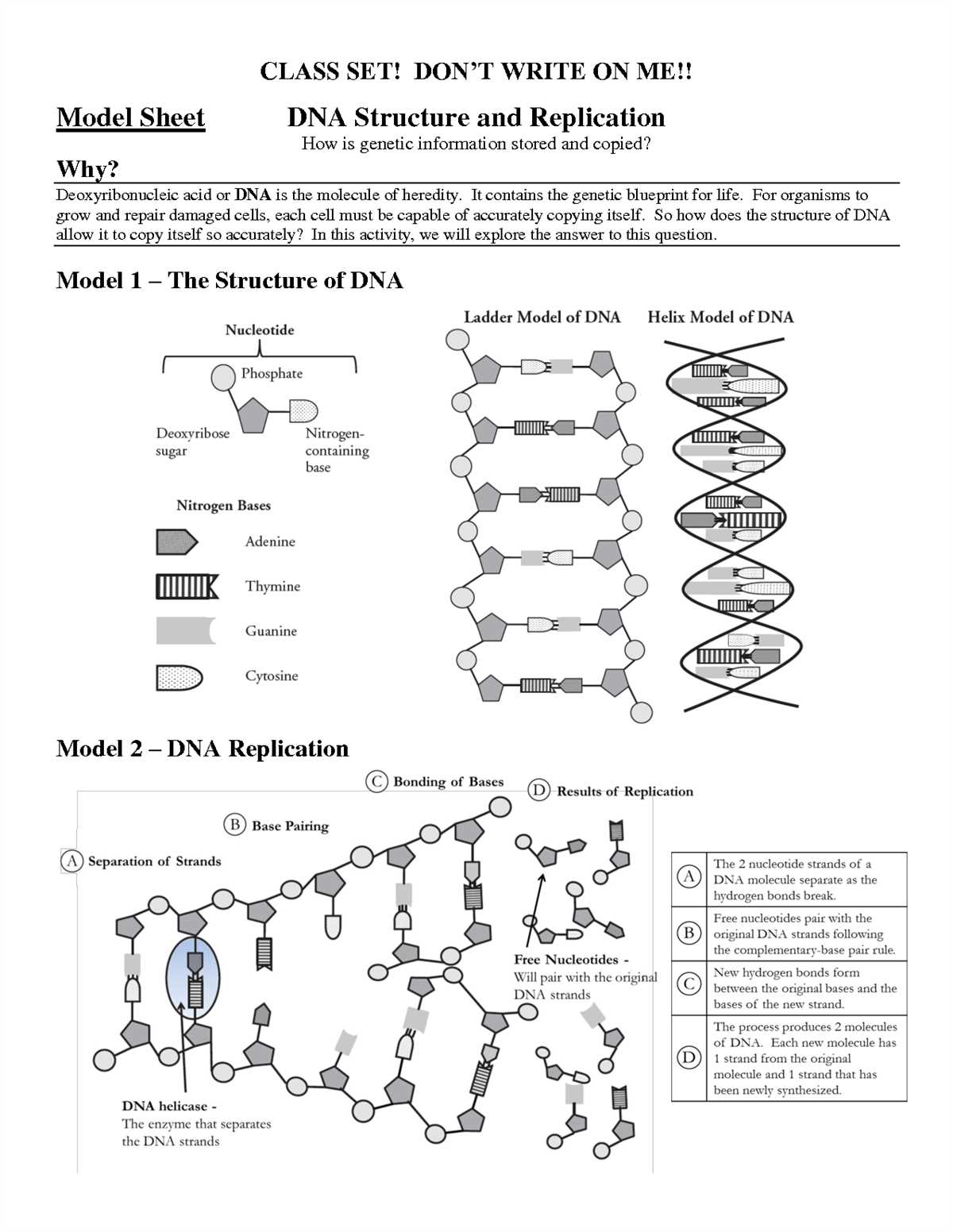
DNA replication is a process where the two strands of DNA separate, and each strand serves as a template for the synthesis of a new complementary strand. This process ensures that each daughter cell receives an identical copy of the parent DNA during cell division.
5. What are the consequences of DNA mutations?
DNA mutations can lead to changes in the genetic code, resulting in alterations to protein structure or function. These mutations can have various consequences, including genetic disorders, increased susceptibility to diseases, or even the development of new traits that may contribute to evolution.
In conclusion, understanding DNA and its role as the molecule of heredity is fundamental to comprehend the mechanisms of inheritance and genetic variation. The answers to the questions in this worksheet shed light on the structure, function, and significance of DNA in genetics.
Structure and Composition of DNA
DNA, or deoxyribonucleic acid, is a molecule that carries the genetic instructions for the development, functioning, and reproduction of all known living organisms. It is often referred to as the “molecule of heredity” because it contains the information that is passed down from one generation to the next.
The structure of DNA is a double helix, resembling a twisted ladder, with two polynucleotide strands held together by hydrogen bonds between their nitrogenous bases. The nitrogenous bases in DNA are adenine (A), thymine (T), cytosine (C), and guanine (G). A always pairs with T, and C always pairs with G, forming complementary base pairs.
The composition of DNA consists of nucleotides, which are the building blocks of the molecule. Each nucleotide is made up of three components: a sugar molecule called deoxyribose, a phosphate group, and a nitrogenous base. These nucleotides join together through covalent bonds between the sugar and phosphate groups, creating a sugar-phosphate backbone.
The sequence of the nitrogenous bases along the DNA molecule determines the genetic code, or the instructions for building proteins. These proteins play a vital role in various biological processes, such as cell growth, development, and metabolism. The arrangement of the base pairs in DNA is unique to each individual, which is what allows for the diversity and variation in different organisms.
In conclusion, the structure and composition of DNA are fundamental to understanding the mechanisms of heredity and the inheritance of traits. The double helix structure and the sequence of base pairs hold the key to unlocking the genetic information that is passed on from one generation to the next, making DNA the molecule of heredity.
Function of DNA in Heredity
DNA, or deoxyribonucleic acid, is the molecule of heredity responsible for transmitting genetic information from one generation to the next. It is found in the nucleus of every cell in our body and contains the instructions for the development and functioning of all living organisms.
The main function of DNA in heredity is to carry and pass on genetic information. This genetic information determines an individual’s traits, such as eye color, height, and susceptibility to certain diseases. It is encoded in the sequence of the four nitrogenous bases: adenine (A), guanine (G), cytosine (C), and thymine (T).
During reproduction, DNA is replicated and passed on to offspring, ensuring the inheritance of genetic traits. Each parent contributes half of their DNA to their offspring through a process called meiosis. This allows for genetic variation and diversification within a species.
Additionally, DNA is also responsible for controlling the production of proteins in our body. Genes, segments of DNA, contain the instructions for making proteins, which are the building blocks of cells and tissues. DNA acts as a template for protein synthesis, guiding the order and sequence of amino acids that make up each protein.
In summary, the function of DNA in heredity is to carry and transmit genetic information, control the production of proteins, and ensure the inheritance of traits from one generation to the next. Understanding the structure and function of DNA has revolutionized our understanding of genetics and has paved the way for advancements in medicine and biotechnology.
DNA Replication
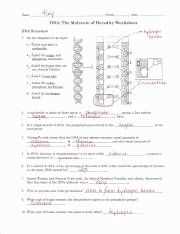
DNA replication is a crucial process that occurs in all living organisms, ensuring the accurate transmission of genetic information from one generation to the next. It is a complex molecular process that involves the duplication of the DNA molecule, resulting in the formation of two identical copies of the original DNA molecule. This process is essential for cell division, growth, and development.
During DNA replication, the double-stranded DNA molecule unwinds and separates into two complementary strands. Each strand serves as a template for the synthesis of a new complementary strand, resulting in the formation of two daughter DNA molecules. The process involves the action of several enzymes, including DNA helicase, DNA polymerase, and DNA ligase.
One of the first steps in DNA replication is the unwinding of the double helix structure by the enzyme DNA helicase. This enzyme breaks the hydrogen bonds between the base pairs, allowing the two strands to separate. Once the DNA strands are unwound, DNA polymerase begins its action. This enzyme is responsible for synthesizing the new DNA strands by adding nucleotides to the existing template strands.
The DNA replication process is semi-conservative, meaning that each daughter DNA molecule consists of one original (parental) strand and one newly synthesized strand. This mechanism ensures the preservation of genetic information and the fidelity of DNA replication. DNA ligase plays a crucial role in this process by sealing any gaps in the newly synthesized DNA strands and joining the fragments together.
In conclusion, DNA replication is a fundamental process that ensures the accurate transmission of genetic information. It involves the unwinding of the DNA molecule, synthesis of new complementary strands, and the formation of two daughter DNA molecules. The process relies on the action of several enzymes and follows a semi-conservative mechanism that preserves genetic information. Understanding DNA replication is crucial for understanding heredity, evolution, and many genetic diseases.
Genetic Mutations
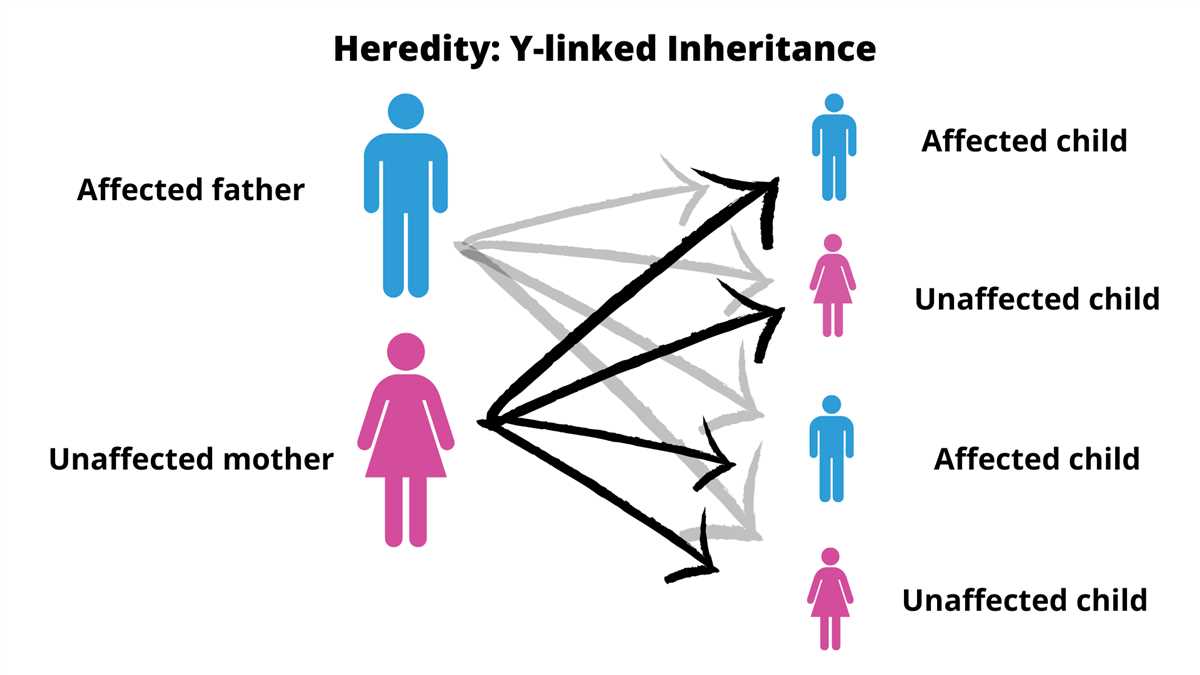
Genetic mutations are changes that occur in an organism’s DNA sequence. These changes can be caused by a variety of factors, including environmental factors, errors during DNA replication, or exposure to certain chemicals or radiation. Mutations can occur in any cell of an organism’s body, including reproductive cells, which can then be passed on to future generations.
Types of Mutations:
- Point mutations: These are the most common type of genetic mutation. They involve changes in a single nucleotide base pair. Point mutations can be further categorized as silent mutations, missense mutations, or nonsense mutations, depending on the effect they have on protein synthesis.
- Insertions and deletions: These mutations involve the addition or removal of one or more nucleotide base pairs. They can cause a shift in the reading frame of the DNA sequence, resulting in a completely different protein being created.
- Duplications: These mutations involve the duplication of a segment of DNA. This can lead to the production of extra copies of certain genes, which can have various effects on an organism’s phenotype.
- Inversions: These mutations involve the reversal of a segment of DNA. They can disrupt gene function and result in abnormal protein production.
- Translocations: These mutations involve the transfer of a segment of DNA from one chromosome to another. They can alter gene expression and may lead to the development of certain genetic disorders.
Effects of Mutations:
Genetic mutations can have a wide range of effects on an organism. Some mutations are harmless and have no noticeable impact on an organism’s phenotype. Others can be beneficial, providing an advantage in certain environments. However, many mutations are detrimental and can lead to the development of genetic disorders or diseases. Common examples of genetic disorders caused by mutations include cystic fibrosis, sickle cell anemia, and Huntington’s disease.
It is important to note that not all mutations are inherited or passed on to future generations. Many mutations occur spontaneously during an individual’s lifetime and are not present in their reproductive cells. However, mutations that do occur in reproductive cells can be passed on to offspring, potentially leading to the inheritance of genetic disorders.
Overall, genetic mutations play a crucial role in evolution and the diversity of life. While some mutations can have negative consequences, others are essential for the adaptation and survival of species.
Applications and Importance of Understanding DNA
DNA, the molecule of heredity, plays a crucial role in various aspects of our lives. With advancements in science and technology, our understanding of DNA has expanded, leading to significant applications in different fields. This knowledge has revolutionized medicine, genetic engineering, forensics, and evolutionary studies, among others.
Healthcare:
- Diagnosis and Treatment: Understanding DNA helps in identifying genetic disorders and diseases, enabling early diagnosis and personalized treatments. Genetic testing has become an essential tool in predicting an individual’s susceptibility to diseases and determining appropriate treatment plans.
- Drug Development: Insights into DNA structure and function aid in developing targeted therapies and improving the efficiency of drug discovery processes.
Genetic Engineering:
- Agriculture: Knowledge of DNA allows scientists to genetically modify crops, enhancing their resistance to pests, diseases, and environmental conditions. This increases agricultural productivity and helps address food security challenges.
- Biotechnology: Genetic engineering techniques facilitate the production of useful biomolecules, such as insulin and enzymes, through the manipulation of DNA sequences.
Forensics:
- Criminal Investigations: DNA profiling has revolutionized forensic investigations by providing valuable evidence in identifying individuals involved in crimes, linking suspects to crime scenes, and exonerating innocent individuals.
- Missing Persons and Human Identification: DNA analysis is instrumental in identifying missing persons, victims of natural disasters, and mass casualties.
Evolutionary Studies:
- Understanding Species Origins: Comparing DNA sequences allows scientists to investigate evolutionary relationships among species, unraveling their evolutionary history and providing insights into the process of speciation.
- Migration Patterns: DNA analysis helps in studying human migrations, tracking ancestral origins, and understanding population movements over time.
In conclusion, the applications and importance of understanding DNA are vast and diverse. From healthcare to genetic engineering, forensics to evolutionary studies, DNA is a fundamental component of our lives. Its comprehension has paved the way for groundbreaking advancements and innovations, enhancing our understanding of life and its intricacies.