The Puzzle of Electrons in Atoms: Unraveling the Answers
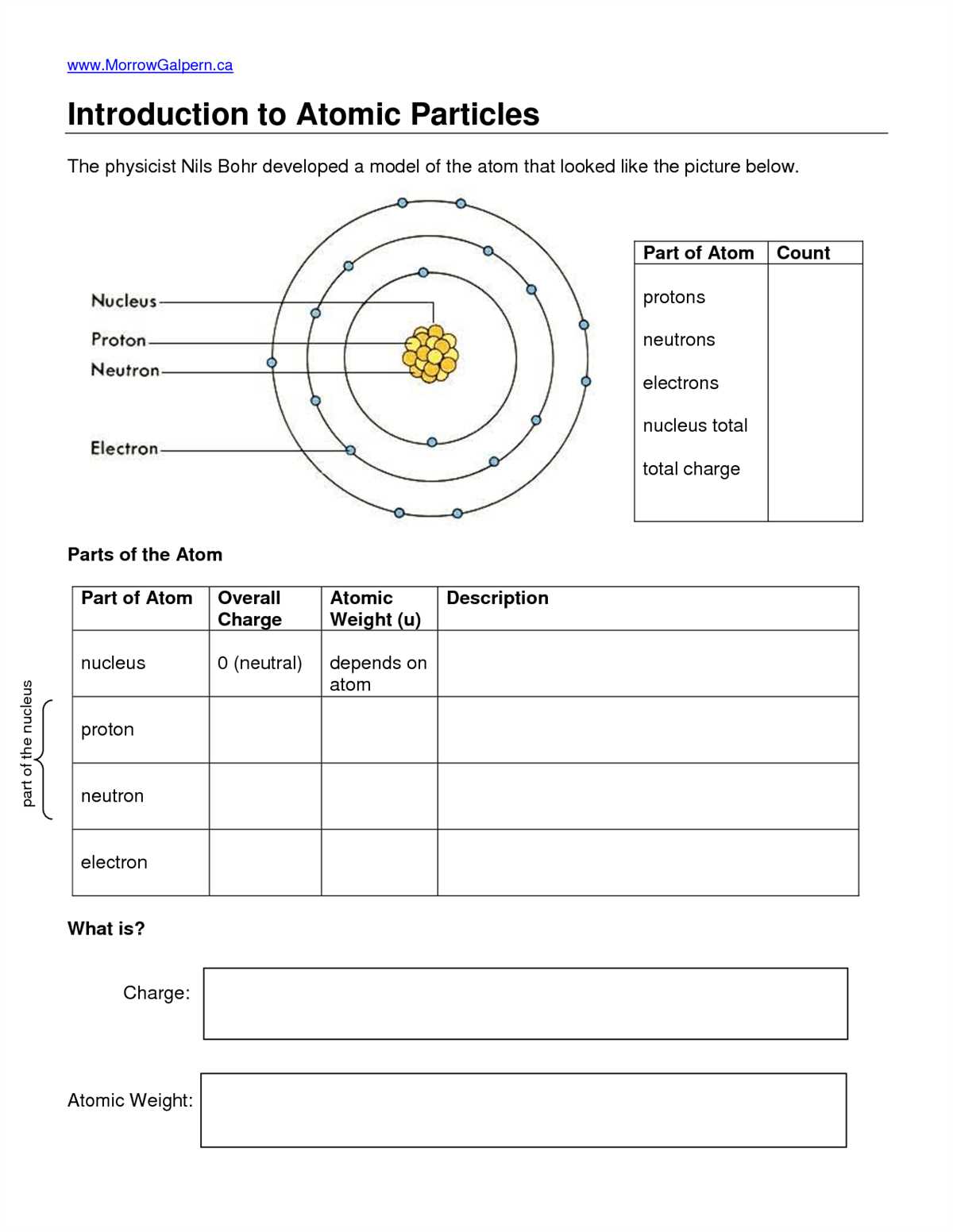
Understanding the behavior of electrons in atoms is a fundamental concept in the field of chemistry. Atoms, the building blocks of matter, consist of a nucleus composed of protons and neutrons, orbited by electrons. These electrons exist in discrete energy levels, or shells, surrounding the nucleus.
An atom’s electron configuration determines its chemical properties and how it interacts with other atoms. The distribution of electrons within an atom’s energy levels follows a specific pattern, known as the Aufbau principle. According to this principle, electrons fill the lowest energy levels first before moving to higher ones.
The number of electrons in each energy level can be determined by using the periodic table. The periodic table is an organized chart that lists all the known elements in order of increasing atomic number. It provides valuable information about an element’s electron configuration and other properties.
Understanding Electrons in Atoms: Answers to Your Questions
Welcome to our guide on understanding electrons in atoms! If you have questions about how electrons behave and interact within atomic structures, you’re in the right place. In this article, we’ll provide answers to some commonly asked questions regarding electrons in atoms, shedding light on their properties, energy levels, and bonding behavior.
1. What is an electron?
An electron is a subatomic particle with a negative charge that orbits the nucleus of an atom. It is one of the fundamental building blocks of matter and is responsible for various chemical and physical properties of elements.
2. How are electrons organized within an atom?
Electrons occupy specific energy levels or shells around the nucleus of an atom. These energy levels are labeled as K, L, M, and so on, with the K level closest to the nucleus. Each energy level can hold a certain number of electrons, with the maximum number increasing as you move further from the nucleus. The first energy level, K, can hold a maximum of 2 electrons, the second level, L, can hold a maximum of 8 electrons, and so on.
3. How do electrons move between energy levels?
Electrons can move between energy levels by absorbing or emitting energy in the form of light or heat. When an electron absorbs energy, it moves to a higher energy level farther from the nucleus. Conversely, when it emits energy, it moves to a lower energy level closer to the nucleus. This movement of electrons between energy levels is what gives rise to the emission and absorption of light in atomic processes.
4. What is electron configuration?
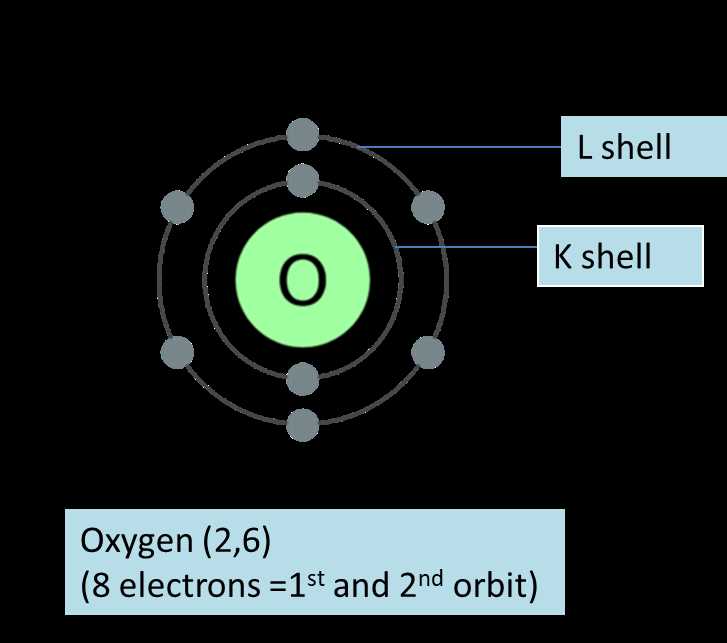
Electron configuration refers to the arrangement of electrons within an atom’s energy levels. It follows a specific pattern based on the Aufbau principle, which states that electrons fill the lowest energy levels first before moving to higher energy levels. The electron configuration of an atom provides insights into its chemical reactivity and bonding behavior.
5. How do electrons participate in chemical bonding?
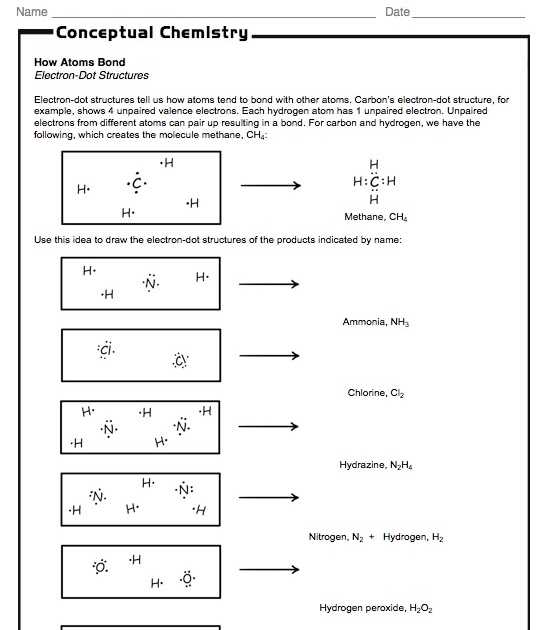
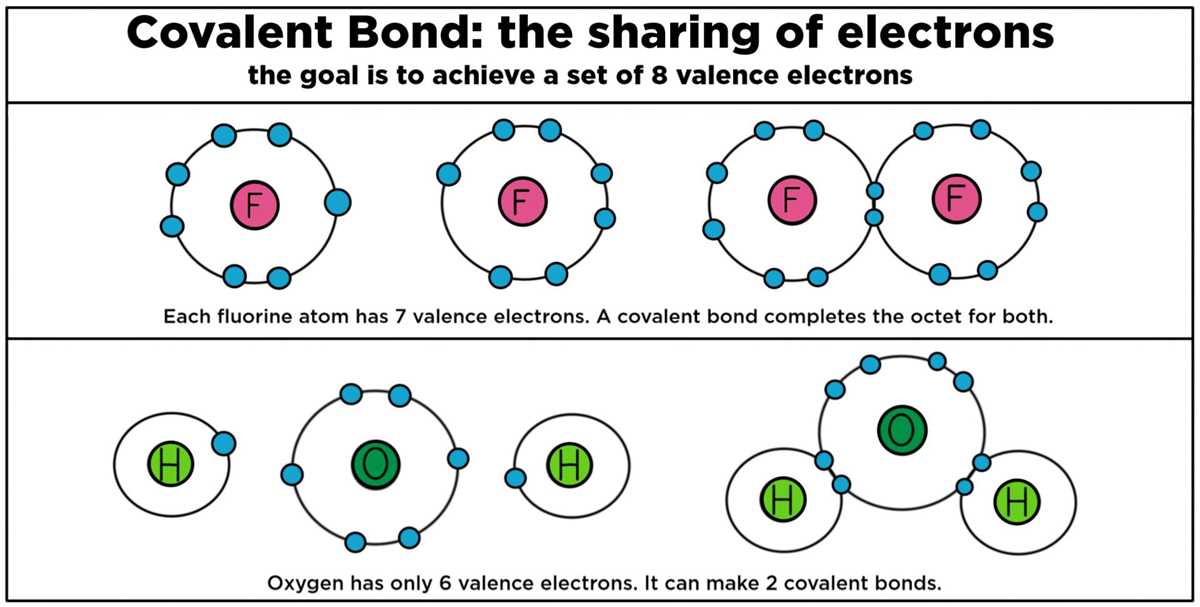
Electrons play a crucial role in chemical bonding as they are involved in the formation and breaking of bonds between atoms. During bonding, atoms either gain, lose, or share electrons to achieve a stable electron configuration. This exchange or sharing of electrons allows atoms to form chemical compounds and determines their properties.
By understanding the behavior and properties of electrons in atoms, we can gain a deeper understanding of the world around us, from the elemental composition of matter to the intricate processes of chemical reactions. We hope this guide has helped clarify some of your questions about electrons in atoms!
What are Electrons and Why are They Important?
Electrons are subatomic particles that orbit the nucleus of an atom. They have a negative charge and are crucial for the stability and behavior of atoms. Without electrons, matter as we know it would not exist.
Electrons play a vital role in chemical reactions and the formation of bonds between atoms. It is their arrangement in an atom’s electron orbitals that determines the atom’s chemical properties and reactivity. The distribution of electrons across different energy levels dictates how an atom interacts with other atoms and molecules.
The behavior of electrons also governs the electrical properties of matter. Electrons carry electrical charge, and their movement within conductive materials generates electric currents. This phenomenon forms the basis for electricity and allows for the flow of energy in electronic devices.
Furthermore, electrons are essential for the transmission and storage of information. In electronic devices such as computers and smartphones, the manipulation and control of electrons enable the processing and storage of data. The movement of electrons through wires and circuitry allows for the transfer of signals, making communication and technology possible.
In summary, electrons are fundamental particles that are crucial for the existence and functioning of matter. They determine the chemical and electrical properties of atoms, facilitate chemical reactions and the formation of bonds, and enable the transmission and storage of information. The understanding and manipulation of electrons have revolutionized various fields of science and technology, making them indispensable in our modern world.
The Structure of an Atom: Protons, Neutrons, and Electrons
Introduction
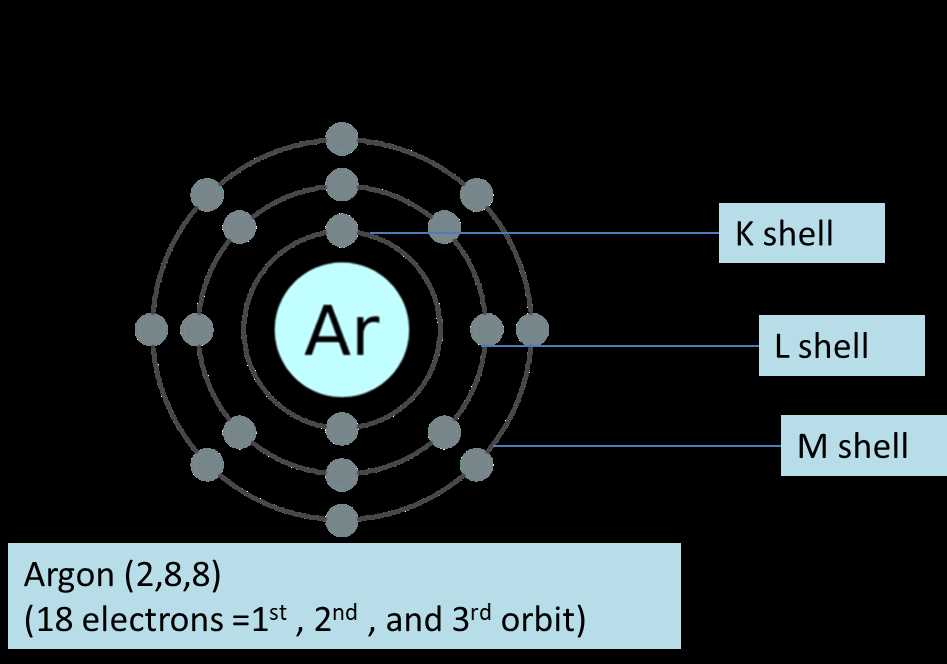
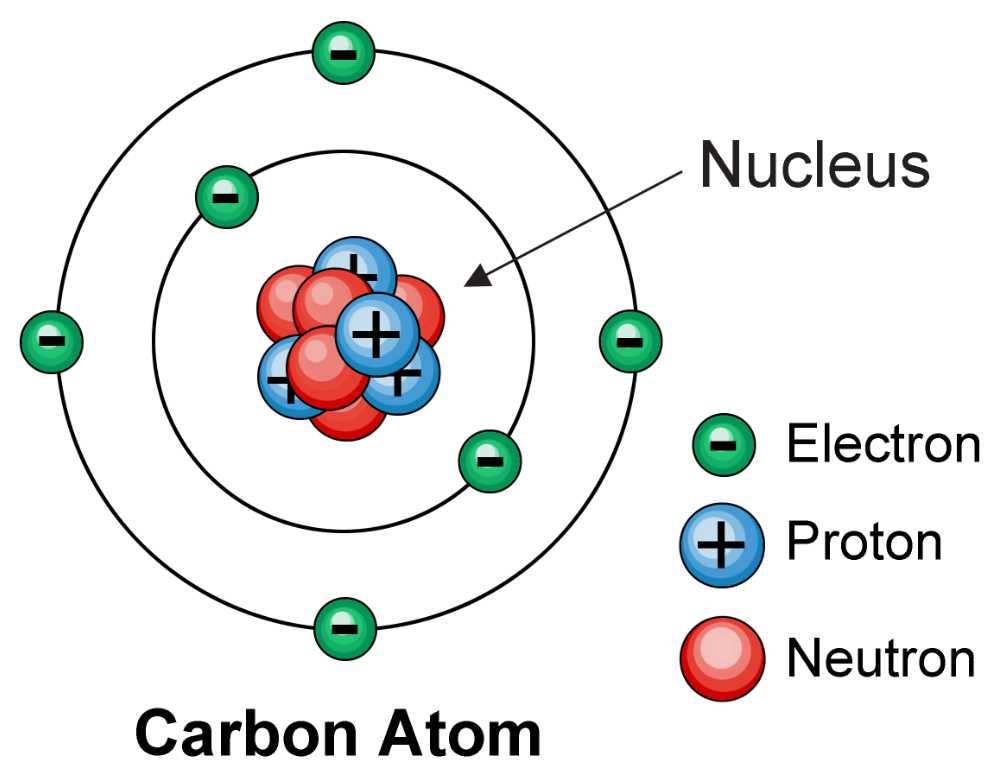
An atom is the basic building block of matter. It is made up of three main components: protons, neutrons, and electrons. These particles are responsible for giving an atom its characteristic properties and behavior. Understanding the structure of an atom is crucial in our understanding of the world around us.
The Nucleus: Protons and Neutrons
The nucleus is located at the center of an atom and contains most of its mass. It is made up of protons and neutrons. Protons have a positive charge, while neutrons have no charge. Protons are responsible for determining the atomic number of an element, which in turn determines its identity. Neutrons, on the other hand, help stabilize the nucleus by adding mass and reducing the repulsion between the positively charged protons.
The number of protons in the nucleus determines the element’s atomic number. For example, hydrogen has one proton, while helium has two. The number of neutrons can vary within the same element, resulting in different isotopes. Isotopes of an element have the same number of protons but a different number of neutrons.
The Electron Cloud
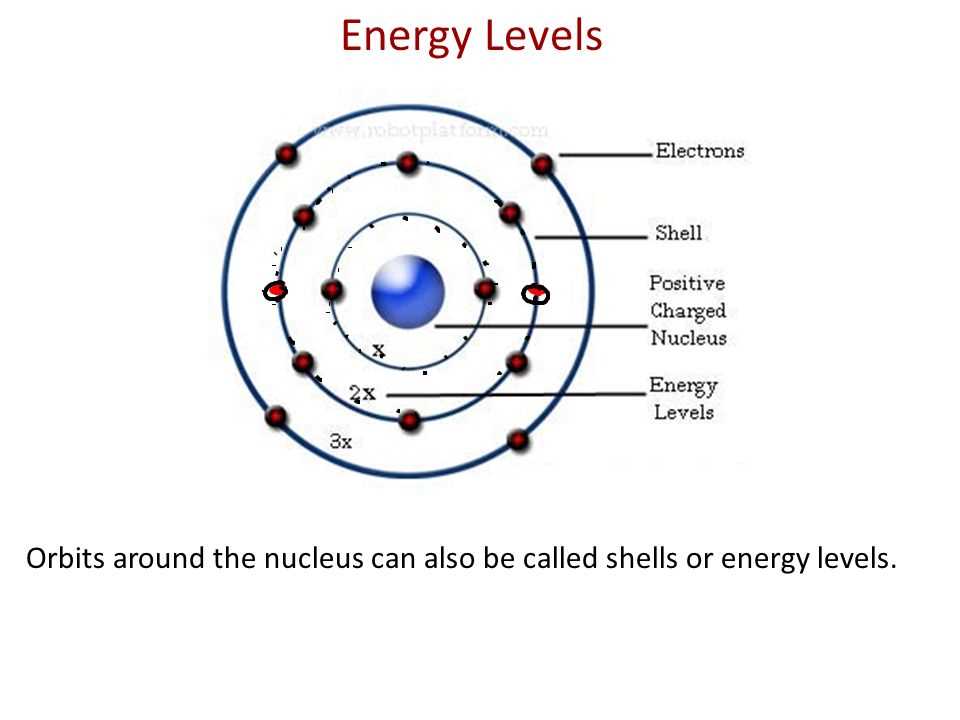
Electrons are negatively charged particles that orbit the nucleus in specific energy levels or shells. These energy levels are denoted by various letters, with the first energy level closest to the nucleus and subsequent levels further out. Each energy level can hold a maximum number of electrons. The first energy level can hold up to 2 electrons, while the second can hold up to 8.
Electrons are involved in chemical reactions and determine an atom’s reactivity. They can gain or lose electrons to form ions, or share electrons by forming covalent bonds. The arrangement of electrons in an atom’s energy levels plays a crucial role in determining its chemical properties and behavior. The outermost energy level, known as the valence shell, is particularly important as it determines how an atom will interact with other atoms.
Conclusion
The structure of an atom, with its protons, neutrons, and electrons, is essential in understanding the properties and behavior of elements. The arrangement of these particles in an atom’s nucleus and electron cloud ultimately determines an element’s physical and chemical characteristics. By studying the structure of atoms, we can gain insight into the fundamental building blocks of matter and the world around us.
How Do Electrons Move in an Atom?
Electrons are tiny, negatively charged particles that orbit the nucleus of an atom. They are found in energy levels, or electron shells, which are organized in specific patterns around the nucleus. The movement of electrons in an atom is governed by principles of quantum mechanics, which describe the behavior of particles on a very small scale.
Electrons can occupy different energy levels depending on their distance from the nucleus. The energy levels are labeled with numbers, starting from the closest level to the nucleus as energy level 1. Each energy level can hold a specific number of electrons, with the first level holding up to 2 electrons, the second level holding up to 8 electrons, and so on.
When an atom is in its ground state, all the available energy levels up to a certain point are filled with electrons. The electrons in the outermost energy level, called the valence electrons, are the ones that are involved in chemical reactions and bonding with other atoms. These valence electrons determine the chemical properties of an element.
Electrons move in an atom by transitioning between different energy levels. They can absorb or release energy in the form of photons to move from one energy level to another. When an electron absorbs energy, it moves to a higher energy level, and when it releases energy, it moves to a lower energy level. This movement between energy levels is what defines the electron configuration of an atom.
In summary, electrons move in an atom by occupying specific energy levels and transitioning between them by absorbing or releasing energy. Their movement and arrangement in the atom determine the chemical properties and behavior of elements.
The Role of Electrons in Chemical Bonding
Electrons play a crucial role in chemical bonding, as they are responsible for the interactions between atoms that form chemical bonds. Chemical bonding occurs when atoms share or transfer electrons to achieve a stable electron configuration.
Covalent bonding: In covalent bonding, atoms share electrons to fill their outermost energy levels and achieve a stable configuration. This type of bonding is common between nonmetals. The shared electrons are localized between the two atoms, forming a covalent bond. This bond is characterized by the strong interactions between the electrons and the nuclear charges of the atoms.
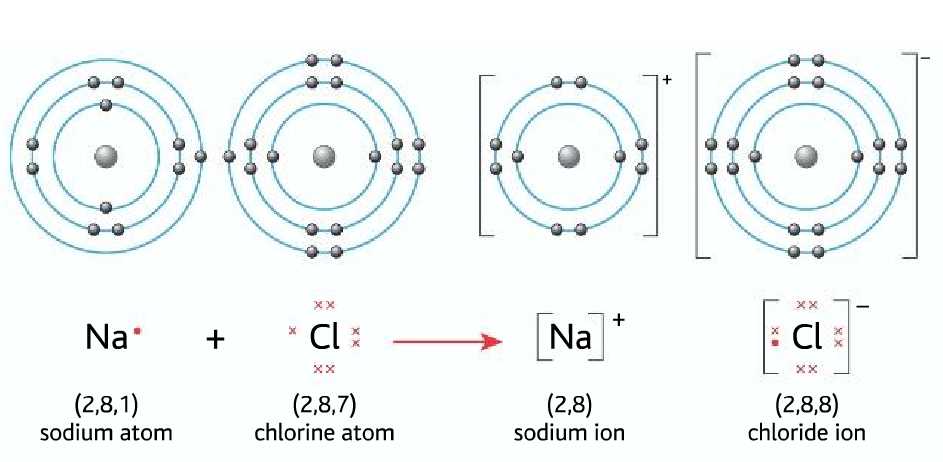
Ionic bonding: Ionic bonding occurs when one or more electrons are transferred from one atom to another. This typically happens between a metal and a nonmetal. The atom that loses electrons becomes a cation with a positive charge, while the atom that gains electrons becomes an anion with a negative charge. The resulting electrostatic attraction between the oppositely charged ions forms an ionic bond.
Metallic bonding: Metallic bonding occurs between metal atoms. In this type of bonding, the outer electrons of metal atoms are delocalized and form a “sea” of electrons that are free to move throughout the structure. This mobility of electrons gives metals their unique properties, such as conductivity and malleability.
In summary, electrons play a vital role in chemical bonding by participating in the formation of covalent, ionic, and metallic bonds. These bonds determine the physical and chemical properties of substances and are essential for the formation of molecules, compounds, and materials.
Energy Levels and Electron Configurations
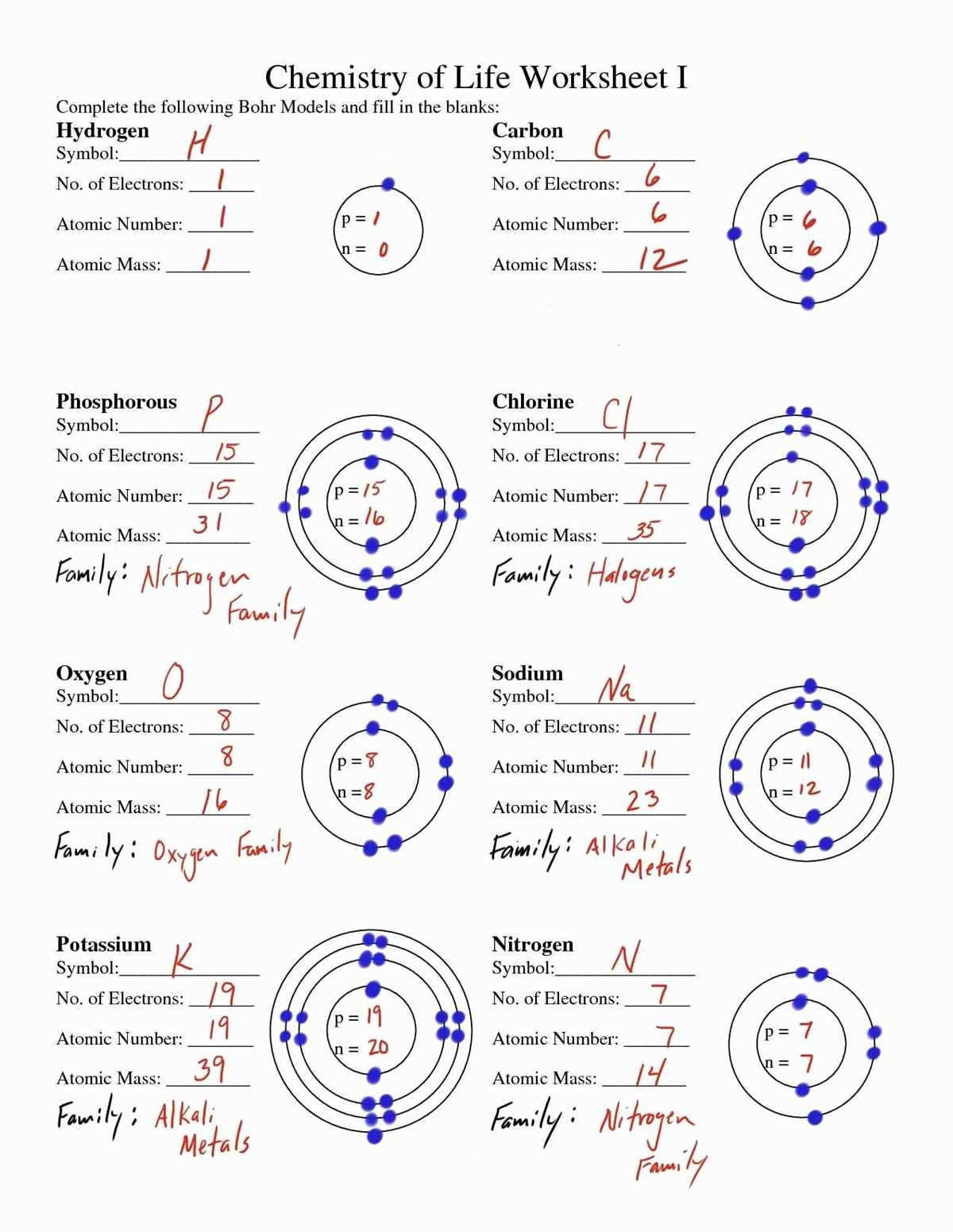
The concept of energy levels and electron configurations is fundamental to our understanding of the behavior of electrons in atoms. Energy levels refer to the specific energies that electrons can have while orbiting the nucleus of an atom. These energy levels are often represented by a series of orbitals, which are regions of space where the probability of finding an electron is high.
Electron configurations, on the other hand, describe the arrangement of electrons in an atom’s energy levels. Each energy level can only hold a certain number of electrons, and the electron configurations follow a specific pattern based on the periodic table. The filling of electrons in the energy levels is governed by the Pauli exclusion principle, which states that no two electrons in an atom can have the same set of quantum numbers.
The electron configurations are typically represented using a shorthand notation, where the energy levels are labeled with a number followed by a letter. For example, the first energy level is labeled as 1s, and the second energy level is labeled as 2s. The s, p, d, and f orbitals within each energy level accommodate different numbers of electrons, with the s orbitals being the lowest in energy.
Understanding energy levels and electron configurations is crucial in explaining various properties of atoms, such as their reactivity and chemical bonding behavior. By knowing the arrangement of electrons in an atom, we can predict the likelihood of certain chemical reactions and understand why certain elements exhibit similar chemical properties.
Exploring the Behavior of Electrons: Quantum Mechanics
The study of electrons and their behavior within atoms has proven to be a cornerstone of modern physics. Through the field of quantum mechanics, scientists have been able to unravel the complexities of electron behavior and gain a deeper understanding of the fundamental nature of matter.
Quantum mechanics, a branch of physics that deals with the behavior of particles on the atomic and subatomic scale, revolutionized our understanding of electrons in atoms. It introduced the concept of wave-particle duality, showing that electrons can exist as both particles and waves. This duality allows electrons to exhibit behaviors that defy classical physics, such as being in multiple places at once or changing their energy levels instantaneously.
One of the key concepts in quantum mechanics is the electron’s energy level, or its “quantum state.” This energy level determines the electron’s position and behavior within an atom. It is described by a set of quantum numbers, which govern the electron’s orbit, spin, and magnetic properties. By understanding these quantum numbers, scientists can predict and explain various electron configurations and their corresponding properties.
Furthermore, quantum mechanics introduced the concept of electron shells and subshells, which organize electrons based on their energy levels. This understanding led to the development of the periodic table, a fundamental tool in chemistry that arranges elements based on their electron configurations and properties.
In conclusion, the study of electrons in atoms through the lens of quantum mechanics has revolutionized our understanding of matter at the microscopic level. It has allowed us to explore the complex and mysterious behaviors of electrons, paving the way for advancements in physics and chemistry. By continuing to delve into the world of quantum mechanics, scientists will undoubtedly uncover even more profound insights into the behavior of electrons and the nature of our universe.