The Ultimate Guide to Unlocking Enzyme Webquest: Unveiling the Answer Key
Welcome to the Enzyme Webquest Answer Key! This article will provide you with the answers to the questions and activities from the Enzyme Webquest. Whether you are a student who wants to check your answers or a teacher who wants to use this as a guide for grading, this answer key will be a helpful resource for you.
Enzymes are proteins that act as catalysts in biological reactions. They play a crucial role in speeding up the rate of chemical reactions in living organisms. In the Enzyme Webquest, you learned about the different types of enzymes and their functions. You also explored how enzymes work, the factors that affect their activity, and the ways in which they are regulated.
This answer key will provide you with the correct answers to the questions and activities from the Enzyme Webquest. It will help you understand the concepts and principles related to enzymes, and ensure that you have a clear understanding of the material covered in the webquest. So let’s dive in and uncover the answers to the Enzyme Webquest!
Enzyme webquest: Answer key

In this enzyme webquest, students were tasked with answering questions and completing activities related to enzymes and their functions. Here, we provide the answer key for the webquest, summarizing the correct responses for each question and activity.
Question 1:
What are enzymes?
Answer: Enzymes are organic molecules, usually proteins, that act as catalysts in biochemical reactions. They speed up the rate of these reactions by lowering the activation energy required for them to occur.
Question 2:
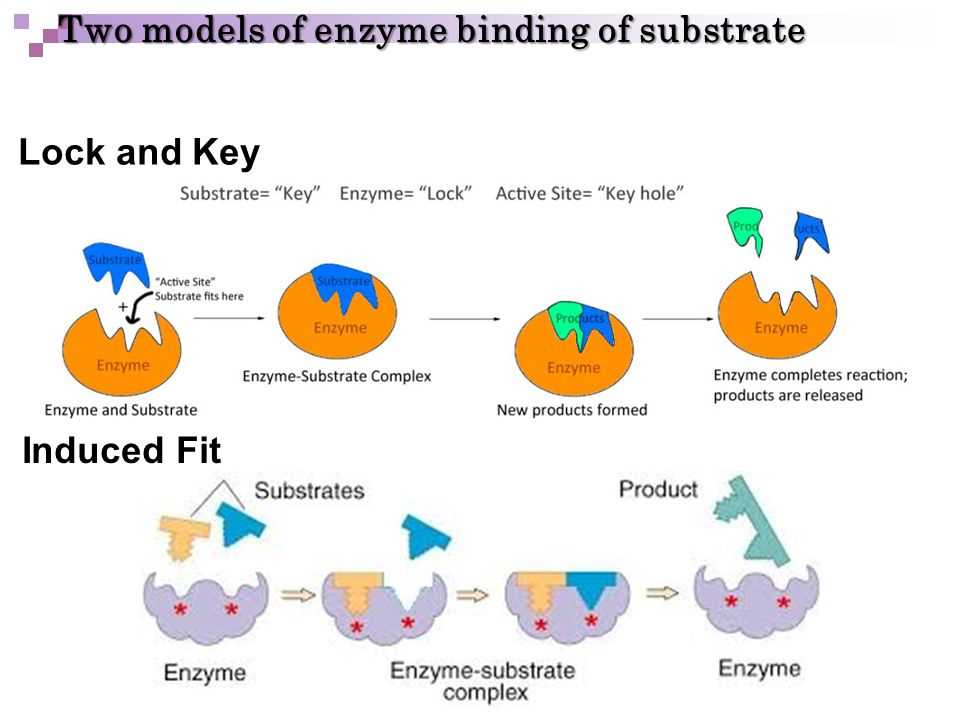
What is the lock and key model of enzyme action?
Answer: The lock and key model of enzyme action states that enzymes have a specific active site that perfectly fits their substrate molecules, similar to how a key fits into a lock. This model explains the specificity of enzymes in catalyzing specific reactions.
Question 3:

How do enzymes catalyze reactions?
Answer: Enzymes catalyze reactions by binding to their substrate molecules at the active site, forming an enzyme-substrate complex. This interaction lowers the activation energy required for the reaction, allowing it to occur more rapidly. The enzyme remains unchanged after the reaction and can be reused.
Question 4:
What factors can affect enzyme activity?
Answer: Several factors can affect enzyme activity, including temperature, pH, substrate concentration, and the presence of inhibitors or activators. Enzymes tend to have an optimal temperature and pH at which they perform the best, and deviations from these conditions can affect their activity.
Question 5:
How do enzymes denature?
Answer: Enzymes can denature when exposed to extreme temperatures or pH levels outside their optimal range. Denaturation involves the disruption of the enzyme’s tertiary structure, rendering it inactive. Denatured enzymes lose their catalytic function and cannot effectively bind to their substrates.
Overall, this enzyme webquest provided students with a comprehensive understanding of enzymes and their role as catalysts in biochemical reactions. By answering the questions and completing the activities, students gained knowledge about enzyme specificity, catalysis, factors influencing enzyme activity, and the concept of denaturation.
What are enzymes?
Enzymes are specialized proteins that act as catalysts in biological reactions. They play a crucial role in speeding up chemical reactions in living organisms without being consumed or altered in the process. Enzymes are highly efficient and selective, allowing specific reactions to occur at a much faster rate compared to if they were to occur naturally.
Enzymes have a unique three-dimensional structure that is essential for their function. This structure allows enzymes to recognize and bind to specific molecules, known as substrates, and convert them into different products. The process of substrate binding and conversion is referred to as the enzymatic reaction.
Key characteristics of enzymes:
- Specificity: Enzymes are specific to certain substrates and catalyze specific reactions.
- Efficiency: Enzymes greatly accelerate the rate of chemical reactions.
- Regulation: Enzymes can be regulated to control the rate of reactions in response to the needs of an organism.
- Reusability: Enzymes can be used repeatedly in multiple reactions without being consumed.
Enzymes are involved in various biological processes, such as digestion, metabolism, and DNA replication. They are essential for maintaining homeostasis and ensuring the proper functioning of cells and organisms. Without enzymes, many biochemical reactions would occur too slowly to sustain life.
In order to understand how enzymes work, it is important to first understand what enzymes are. Enzymes are proteins that act as catalysts in chemical reactions. They speed up the rate of these reactions by lowering the activation energy required for the reaction to occur. Enzymes are highly specific, meaning that each enzyme is designed to catalyze a specific reaction.
At a molecular level, enzymes work by binding to a specific substrate, or reactant molecule. This binding occurs at the enzyme’s active site, which is a region on the enzyme’s surface that is complementary in shape and chemical properties to the substrate. The enzyme and substrate fit together like a lock and key, allowing for precise and efficient catalysis.
Once the enzyme and substrate are bound together, the enzyme can perform its catalytic function. Enzymes can lower the activation energy of a reaction by stabilizing the transition state of the reaction or by providing a favorable environment for the reaction to occur. This allows the reaction to proceed more quickly and efficiently.
After the reaction is complete, the enzyme releases the products and is free to bind to another substrate molecule and catalyze another reaction. Enzymes are not permanently altered or consumed during the reaction, which allows them to be used repeatedly.
In summary, enzymes work by binding to a specific substrate, lowering the activation energy required for the reaction, and facilitating the formation of products. Their specificity and ability to be reused make them essential for the efficient functioning of biochemical processes in living organisms.
Types of enzymes
Enzymes are biological catalysts that greatly accelerate chemical reactions in living organisms. There are several different types of enzymes, each with its own specific function and mechanism of action.
Oxidoreductases:
Oxidoreductases are enzymes that catalyze oxidation-reduction reactions. These enzymes facilitate the transfer of electrons from one molecule to another, resulting in the conversion of substances from their reduced to oxidized or vice versa. Some examples of oxidoreductases include alcohol dehydrogenase, which converts alcohol to aldehyde, and cytochrome oxidase, which is involved in cellular respiration.
Hydrolases:
Hydrolases are enzymes that catalyze the hydrolysis of various substances by breaking chemical bonds through the addition of water molecules. These enzymes play a crucial role in the digestion of nutrients in the body. For example, amylase breaks down starch into glucose molecules, and lipase breaks down lipids into fatty acids and glycerol.
Isomerases:
Isomerases are enzymes that catalyze the rearrangement of atoms within a molecule, thereby converting it into its isomeric form. These enzymes are important in various metabolic pathways and are involved in the interconversion of molecules with similar chemical structures. An example of an isomerase is triosephosphate isomerase, which catalyzes the interconversion of dihydroxyacetone phosphate and glyceraldehyde-3-phosphate during glycolysis.
Ligases:
Ligases are enzymes that catalyze the joining of two molecules together, often through the formation of a covalent bond. These enzymes are involved in DNA replication, repair, and recombination. Ligases play a crucial role in the sealing of nicks in the DNA backbone and the joining of DNA fragments during various molecular biology techniques.
Transferases:
Transferases are enzymes that catalyze the transfer of functional groups from one molecule to another. These enzymes play a crucial role in various metabolic pathways, such as the synthesis of biomolecules and the detoxification of harmful substances. Examples of transferases include kinases, which transfer phosphate groups, and transaminases, which transfer amino groups.
In summary, enzymes are essential for the efficient functioning of biological systems and can be classified into different types based on their specific functions. Understanding the different types of enzymes and their mechanisms of action is crucial in various fields, including medicine, biochemistry, and biotechnology.
Enzyme Activity Factors

Enzymes are proteins that catalyze chemical reactions in living organisms. Their function is highly dependent on various factors that can either increase or decrease their activity. Understanding these factors is essential in studying enzyme kinetics and designing effective enzyme-based processes.
1. Temperature: Enzyme activity is highly influenced by temperature. As temperature increases, the rate of enzyme-catalyzed reactions also increases, up to a certain point called the optimum temperature. Beyond this temperature, the enzyme can denature and lose its function. It is important to maintain the temperature within the optimal range to ensure maximum enzyme activity.
2. pH: Enzyme activity is also affected by the pH of the environment. Each enzyme has an optimal pH range at which it exhibits maximum activity. Deviation from this range can disrupt the enzyme’s structure and function. pH control is crucial in maintaining the stability and effectiveness of enzymes in various applications.
3. Substrate concentration: The concentration of substrate molecules affects enzyme activity. At low substrate concentrations, the active sites of enzymes may be underutilized, resulting in low activity. As the substrate concentration increases, the enzyme activity also increases until it reaches a saturation point. Further increase in substrate concentration does not significantly affect the enzyme activity as the active sites become saturated.
4. Enzyme concentration: The amount of enzyme present in a reaction also impacts its activity. Generally, higher enzyme concentrations lead to greater activity as there are more active sites available for substrate binding. However, at extremely high enzyme concentrations, the activity may be limited by other factors such as substrate availability or product inhibition.
5. Inhibitors: Enzyme activity can be influenced by the presence of inhibitors, which can either reduce or completely inhibit enzyme activity. Inhibitors may compete with the substrate for binding at the active site (competitive inhibitors) or bind to other sites on the enzyme, causing conformational changes that inhibit its activity (non-competitive inhibitors). Understanding the type and mechanism of inhibition is essential in enzyme-based drug discovery and development.
6. Activators: Some molecules, known as activators, can enhance enzyme activity. These molecules can bind to specific sites on the enzyme, leading to conformational changes that increase its catalytic efficiency. Activators play a crucial role in regulating enzyme activity and are important in metabolic pathways.
7. Co-factors: Many enzymes require the presence of co-factors, such as metal ions or coenzymes, for optimal activity. These co-factors help in the proper folding of the enzyme and facilitate the catalytic process. The absence or deficiency of co-factors can significantly reduce enzyme activity.
Overall, enzyme activity is influenced by a multitude of factors, each playing a critical role in determining the efficacy and efficiency of enzymatic reactions. Understanding these factors is essential in various fields, including biotechnology, medicine, and bioengineering, where enzyme-based processes are commonly employed.
Applications of Enzymes
Enzymes play a crucial role in various fields and have a wide range of applications due to their catalytic properties. Some of the significant applications of enzymes are:
- Food Industry: Enzymes are extensively used in the food industry for various purposes. They are used to enhance the quality of food products, improve taste and texture, and increase shelf life. For example, enzymes like amylase and glucose oxidase are used to improve dough elasticity and achieve a better texture in bread-making.
- Textile Industry: Enzymes find applications in the textile industry for fabric processing. They are used for activities such as desizing, scouring, bleaching, and finishing. Enzymes like cellulases are used to remove impurities from cotton fibers and improve dye uptake, resulting in better color retention.
- Medical and Pharmaceutical Industry: Enzymes are used in the medical and pharmaceutical industry for various purposes, including diagnostic tests, drug synthesis, and therapy. Enzyme-linked immunosorbent assay (ELISA) is a widely used diagnostic test that relies on enzymes to detect and measure specific antibodies or antigens in biological samples.
- Biofuel Production: Enzymes play a crucial role in biofuel production processes. They are used to break down complex carbohydrates into fermentable sugars, which can then be converted into biofuels such as ethanol. Enzymes like cellulases and amylases are used in biomass conversion for biofuel production.
- Environmental Remediation: Enzymes are utilized for environmental remediation purposes. They can degrade pollutants and toxins, including oil spills, pesticides, and industrial waste. Enzymes like lipases and peroxidases are used in the bioremediation process to break down and remove harmful substances from the environment.
In conclusion, enzymes have numerous applications across various industries, including food, textile, medical, pharmaceutical, biofuel, and environmental industries. Their unique catalytic properties make them indispensable in these fields, offering improved product quality, efficiency, and sustainability.