Mastering the Exam P Actuary Study Guide: The Ultimate Roadmap to Success
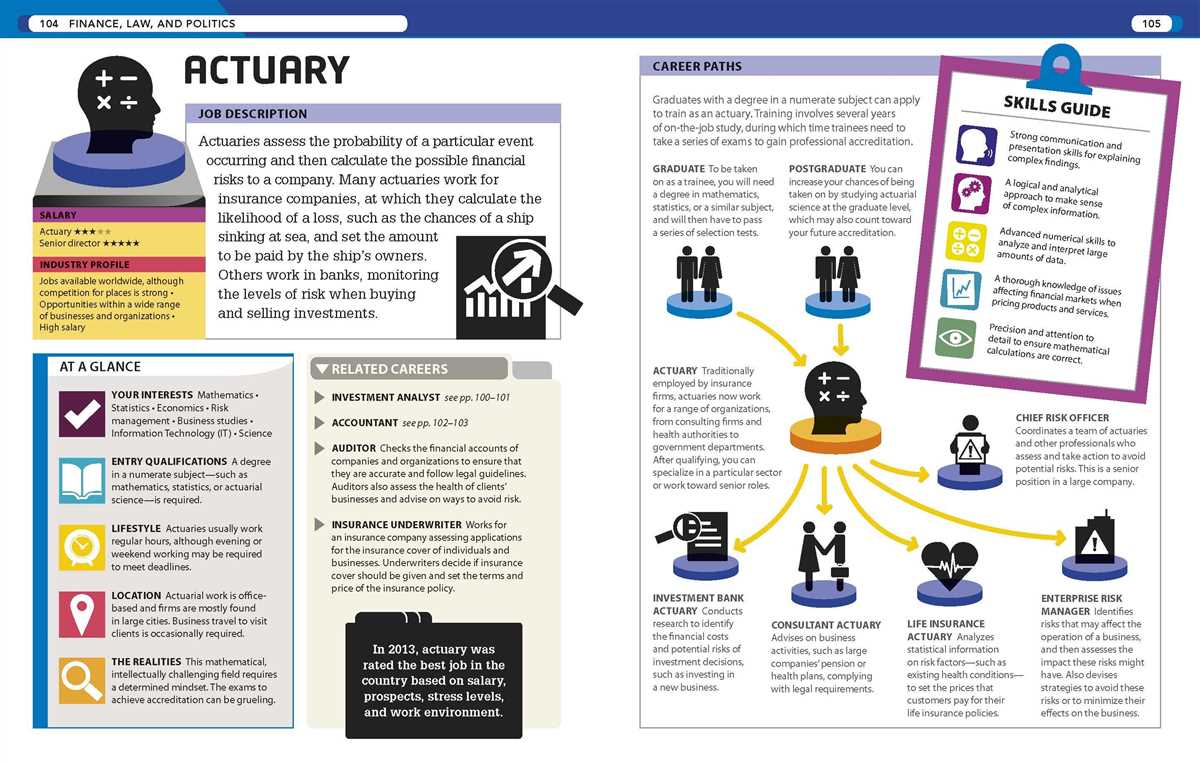
If you’re interested in becoming an actuary, one of the first exams you’ll need to pass is the Exam P. This exam, also known as the Probability Exam, tests your understanding of probability and mathematical statistics. It is administered by the Society of Actuaries and the Casualty Actuarial Society, and passing it is a crucial step on your path to becoming a certified actuary.
The Exam P Actuary Study Guide is designed to help you prepare for this challenging exam. It covers all the topics that you’ll need to know, from basic probability concepts to more advanced calculations and theories. The guide includes practice problems and solutions, so you can test your understanding and track your progress.
Whether you’re studying on your own or taking a prep course, the Exam P Actuary Study Guide is an essential resource. It provides clear explanations, helpful examples, and tips for solving different types of problems. By using this guide, you’ll be well-prepared and confident on exam day, giving you the best chance of passing the Exam P and moving forward in your actuarial career.
How to Prepare for the Exam P Actuary: Study Guide
Preparing for the Exam P Actuary can be a daunting task, but with the right study guide, you can increase your chances of success. This study guide will provide you with valuable tips and resources to help you effectively prepare for the exam.
1. Understand the Exam Format: Before you start studying, it’s important to have a clear understanding of the exam format. The Exam P Actuary is a multiple-choice exam consisting of 30-35 questions. It covers various topics, including probability theory, random variables, and mathematical statistics.
2. Create a Study Plan: A study plan will help you stay organized and ensure that you cover all the necessary material before the exam. Break down your study sessions into smaller, manageable chunks and allocate specific time slots for each topic. This will help you stay focused and make the most of your study time.
3. Utilize Study Materials: There are numerous study materials available for the Exam P Actuary, including textbooks, online courses, practice exams, and study guides. Utilize these resources to gain a comprehensive understanding of the exam content and familiarize yourself with the types of questions you may encounter.
- Textbooks: Invest in a reliable textbook that covers the exam syllabus in detail. Make sure to choose one that is recommended by experienced actuaries.
- Online Courses: Enroll in an online course that offers video lectures, practice problems, and interactive learning materials. These courses can provide valuable guidance and additional explanations.
- Practice Exams: Practice exams are essential for exam preparation. They allow you to assess your knowledge and identify areas where you need to focus your studying. Take multiple practice exams to build confidence and improve your time management skills.
- Study Guides: Use study guides, like this one, to supplement your learning and reinforce key concepts. They provide concise summaries and tips to help you study efficiently.
4. Join Study Groups: Studying with others can be beneficial, as it allows you to discuss difficult concepts, clarify doubts, and learn from each other’s insights. Joining a study group or finding a study partner can provide a collaborative learning environment.
5. Practice Time Management: Time management is crucial during the exam. Practice solving questions within the time limit to improve your speed and accuracy. Use a timer during your practice sessions to simulate exam conditions and get accustomed to working under pressure.
By following this study guide and putting in consistent effort, you can increase your chances of passing the Exam P Actuary. Remember to stay focused, stay motivated, and seek help whenever needed. Good luck with your exam preparation!
Understanding the Exam P Actuary

Exam P is a foundational examination for individuals pursuing a career as an actuary. It tests the candidate’s knowledge and understanding of probability concepts and is administered by the Society of Actuaries (SOA). The exam covers a wide range of topics, including basic probability, random variables, distributions, probability generating functions, and more.
To adequately prepare for the Exam P, candidates must develop a solid understanding of the foundational principles and concepts of probability. This includes being able to calculate probabilities using both discrete and continuous distributions, understanding the properties of random variables, and being able to apply probability theory to real-world situations.
To pass the exam, candidates are expected to demonstrate a strong grasp of the material and the ability to apply it effectively. This requires not only mastering the key concepts but also being able to solve complex problems and analyze data using probability theories. The exam is computer-based and consists of multiple-choice questions, and candidates have three hours to complete it.
The Exam P Actuary is an important step in the journey towards becoming a qualified actuary. It serves as a foundation for subsequent exams and provides the necessary knowledge and skills to work effectively in the field of actuarial science. Candidates who successfully pass the exam gain a solid understanding of probability concepts, which is crucial for their future work in areas such as risk assessment, insurance pricing, and financial modeling.
Overall, understanding the Exam P Actuary requires dedication, thorough preparation, and a strong grasp of probability concepts. By mastering the material and demonstrating the ability to apply it effectively, candidates can successfully pass the exam and move forward in their actuarial career.
Creating a Study Schedule
When preparing for the Exam P actuary certification, creating a study schedule is essential. A well-structured study plan helps you stay organized, manage your time efficiently, and ensure that you cover all the necessary topics.
1. Assess your strengths and weaknesses: Before creating a study schedule, take some time to evaluate your strengths and weaknesses. Identify the topics or areas that you need to focus on more and those that you are already proficient in. This evaluation will help you allocate your study time more effectively.
2. Set specific goals: Establishing clear and specific goals is crucial for productive studying. Break down your ultimate goal, passing the Exam P, into smaller, manageable milestones. This approach will make your studying more manageable and give you a sense of accomplishment after each milestone is achieved.
3. Determine your study hours: Determine the number of hours you can realistically dedicate to studying each day. Take into consideration your other commitments, such as work or family responsibilities. It is important to be realistic about the time you can devote to studying to avoid burnout.
4. Create a study timetable: Based on your goals and available study time, create a study timetable. Allocate specific time slots for each topic or subject, ensuring that you cover all the required material. It is helpful to create a visual timetable, using a spreadsheet or a study planner app, to have a clear overview of your study plan.
5. Break down topics: Divide the exam syllabus into smaller topics or subtopics and assign them to specific study sessions. Breaking down complex subjects into bite-sized chunks will make your studying more focused and manageable. Be sure to allocate additional time for reviewing and practicing problem-solving.
6. Be flexible: Despite having a study schedule, it is important to remain flexible. Life happens, and unexpected events may interfere with your planned study sessions. Allow some buffer time in your schedule to accommodate unforeseen circumstances and be prepared to make adjustments when necessary.
7. Take breaks: Including short breaks during your study sessions is crucial to improve concentration and prevent burnout. Use your break time to relax, rejuvenate, and recharge. Consider incorporating physical exercise or mindfulness activities into your breaks to enhance focus and reduce stress.
By following these steps and creating a well-structured study schedule, you will be able to approach the Exam P with confidence and increase your chances of success.
Key Topics to Focus on

If you’re studying for the actuary exam P, it’s important to prioritize your time and focus on the key topics that are most likely to appear on the exam. While the exam covers a wide range of mathematical concepts, there are certain areas that tend to be tested more frequently than others.
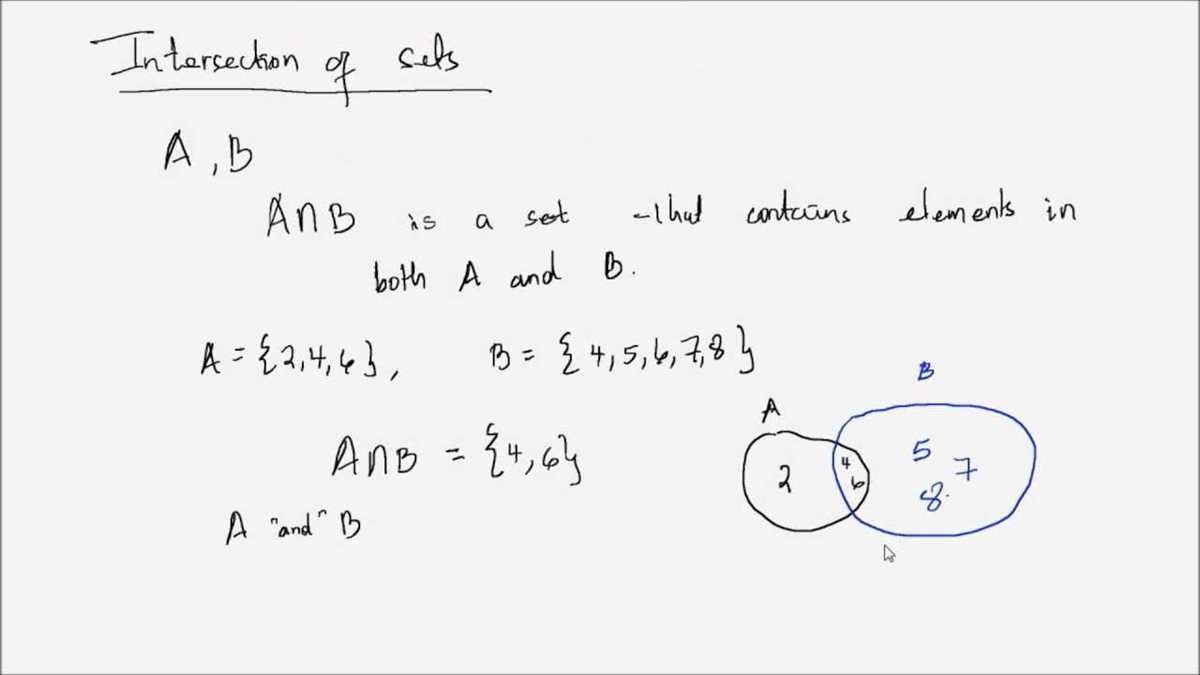
Probability Theory: Probability theory is a cornerstone of actuarial science and is heavily tested on the exam. You should have a strong understanding of basic probability concepts such as conditional probability, independence, and random variables. Be sure to also review topics such as probability distributions, expected value, and variance.
Multivariate Distributions: Exam P often includes questions that require knowledge of multivariate distributions, particularly the bivariate normal distribution. Make sure you understand how to calculate joint probabilities and conditional probabilities for bivariate distributions. Additionally, be familiar with concepts like correlation and covariance.
Survival Models: Another important topic to focus on is survival models. This includes understanding the basics of survival analysis, such as hazard functions and survivor functions. It’s also important to be familiar with survival models such as the exponential distribution, the Weibull distribution, and the log-normal distribution.
Markov Chains: Markov chains are frequently tested on the exam and require a solid understanding of transition probabilities and steady-state probabilities. Be sure to review concepts such as absorbing and non-absorbing states, as well as the fundamental matrix and expected hitting times.
Loss Models: Loss models, specifically the compound Poisson distribution and the compound binomial distribution, are often tested on the exam. Make sure you understand how to calculate aggregate losses and the probability of ruin.
Actuarial Mathematics: Lastly, it’s important to have a good grasp of actuarial mathematics. This includes topics such as life contingencies, annuities, and reserves. Be comfortable with calculating present values, future values, and annuity payments.
- Probability Theory
- Multivariate Distributions
- Survival Models
- Markov Chains
- Loss Models
- Actuarial Mathematics
By focusing your studying efforts on these key topics, you’ll be better prepared for the actuary exam P and increase your chances of success.
Recommended Study Resources

When preparing for the Exam P Actuary, it is important to have access to comprehensive and reliable study resources. Below are some highly recommended study materials that will help you enhance your understanding of the exam topics and improve your chances of success.
1. Textbooks
Textbooks are an essential resource for studying the exam material in-depth. The most popular textbook used for Exam P preparation is “Probability for Risk Management” by Matthew Hassett, Keith Ord, and Timothy Donnelly. This textbook provides a comprehensive coverage of the key concepts, formulas, and techniques required for the exam. It also includes numerous practice problems and exercises to reinforce your understanding.
2. Online Courses
Online courses offer a flexible and interactive way to study for the exam. Actuarial websites such as Exam P Online Coaching and Coaching Actuaries offer comprehensive online courses specifically tailored for the Exam P Actuary. These courses typically include video lectures, practice problems, quizzes, and mock exams to help you reinforce your understanding and test your knowledge.
3. Study Manuals
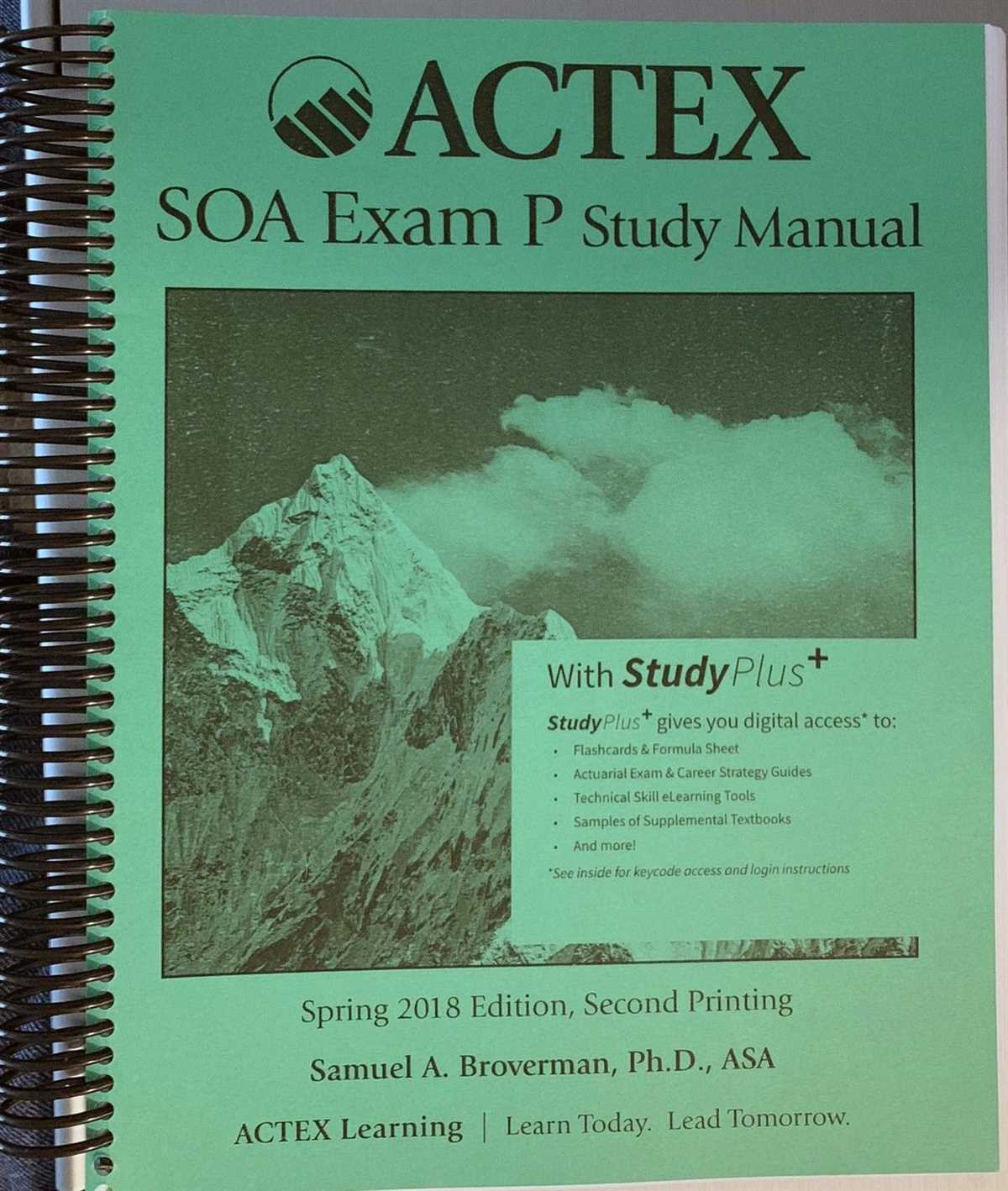
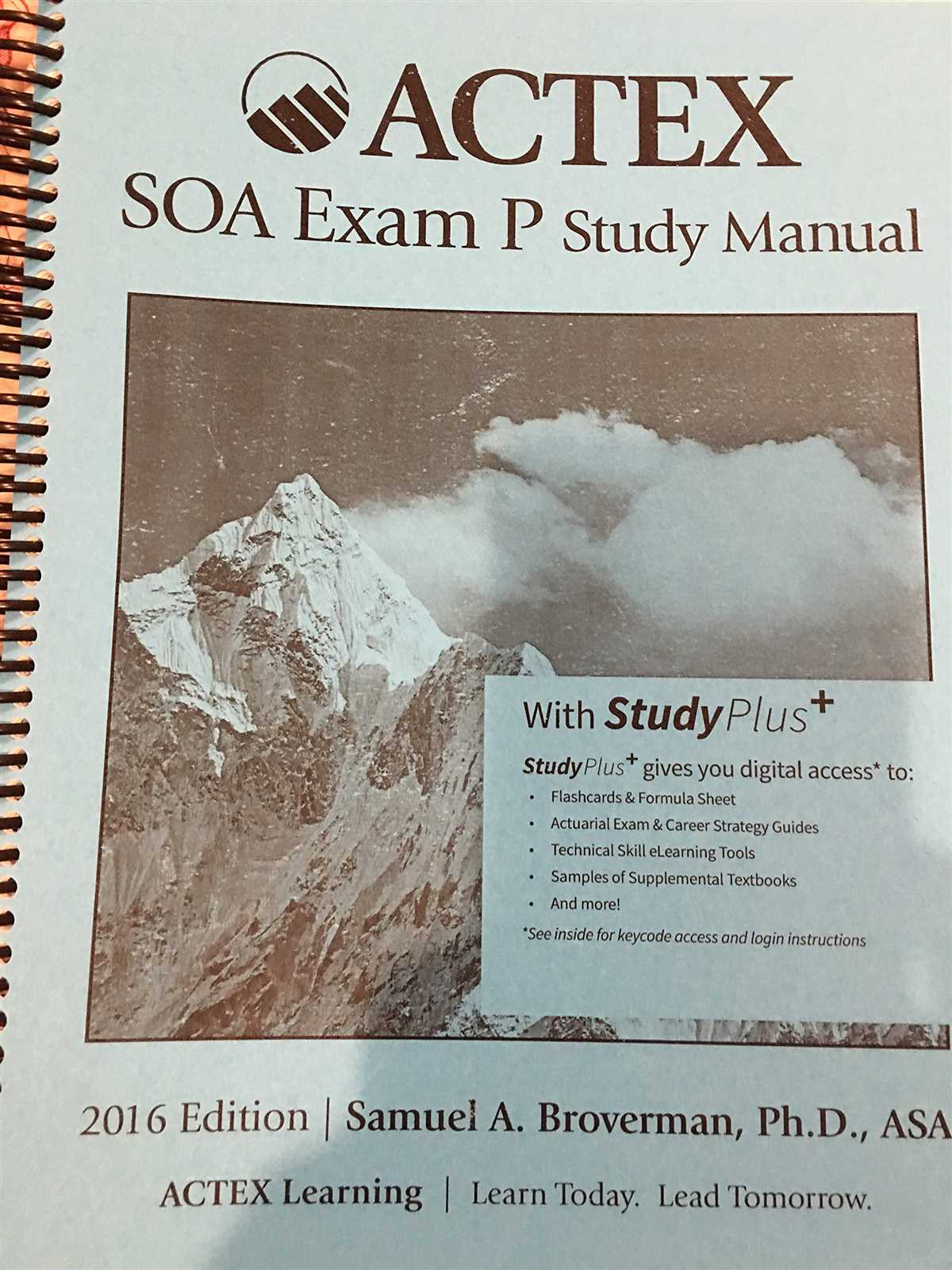
Study manuals are condensed study materials that summarize the key concepts and formulas needed for the exam. They are often written by experienced actuaries and are designed to help you quickly grasp the exam material. Some popular study manuals for Exam P include “ASM Study Manual for Exam P” and “Actex Study Manual for the SOA Exam P and CAS Exam 1”. These study manuals provide comprehensive coverage of the exam syllabus, along with practice problems and solutions.
4. Practice Exams and Questions
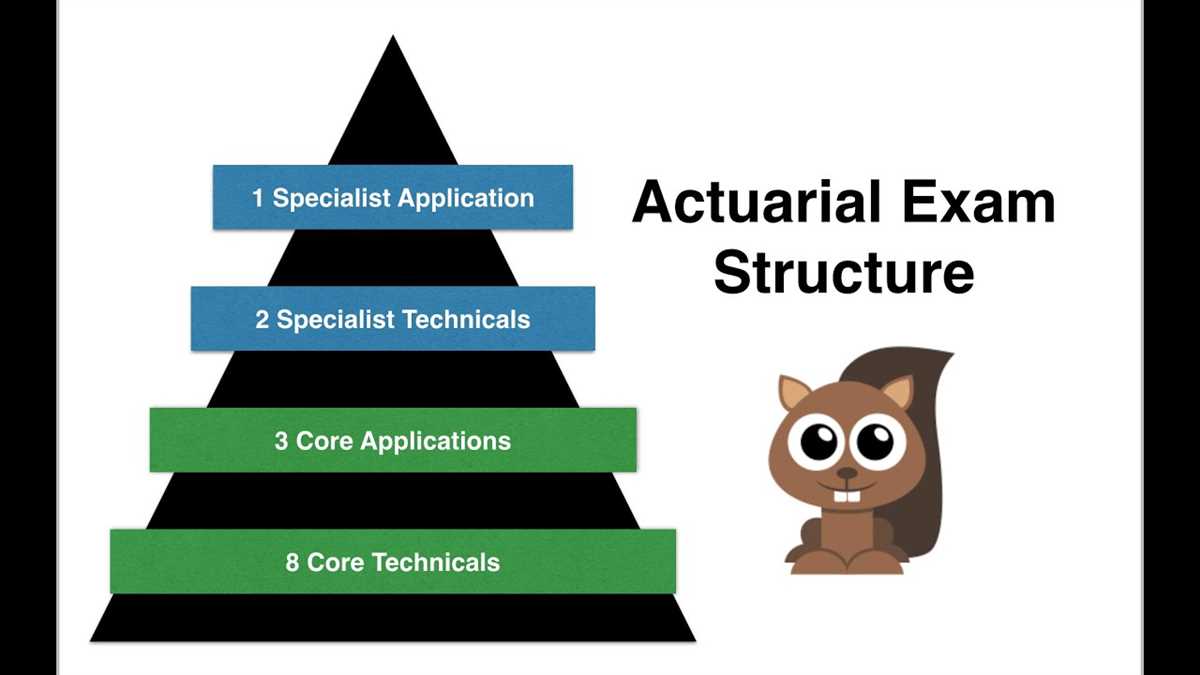
Practice exams and questions are crucial for gaining familiarity with the exam format and testing your knowledge. The Society of Actuaries (SOA) offers sample exams and past exam questions, which can be a valuable resource for practicing under exam-like conditions. Coaching Actuaries also provides an extensive question bank with detailed solutions and explanations, allowing you to practice solving a variety of problems and strengthen your problem-solving skills.
5. Study Groups and Forums

Joining study groups or online forums can provide an opportunity to discuss exam topics with fellow candidates and gain insights from their experiences. Actuarial Outpost and Reddit’s r/actuary are popular online communities where aspiring actuaries share study strategies, ask questions, and discuss exam-related topics. These platforms can be a valuable source of support and guidance throughout your exam preparation journey.
By utilizing these recommended study resources, you can ensure a well-rounded and comprehensive preparation for the Exam P Actuary. Remember to allocate sufficient time for studying, practice regularly, and seek clarification on any challenging topics to maximize your chances of success.
Effective Study Techniques
Studying for exams can be a daunting task, especially when preparing for a challenging exam like the Actuary Exam P. However, with the right study techniques, you can optimize your learning and increase your chances of success. Here are some effective study techniques to help you excel in your exam preparation.
1. Create a Study Schedule: Planning your study sessions in advance can help you stay organized and allocate enough time for each topic. Break your study material into smaller, manageable sections and assign specific time slots for each. Stick to your schedule to ensure thorough coverage of all topics.
- 2. Use Active Learning Strategies: Passive reading and memorization may not be sufficient for a complex exam like Actuary Exam P. Instead, engage in active learning strategies like problem-solving, explaining concepts to yourself or others, and teaching the material to enhance retention and understanding.
- 3. Practice with Past Exam Questions: Familiarize yourself with the exam format and types of questions by practicing with past exam papers. This will not only help you understand the question patterns but also identify areas where you need to improve.
- 4. Seek Clarification: If you come across any challenging concepts or topics while studying, don’t hesitate to seek clarification from your peers, professors, or online resources. Understanding the material thoroughly will boost your confidence and improve your problem-solving skills.
- 5. Take Breaks: While it’s important to dedicate sufficient time to your studies, taking regular breaks is equally crucial. Breaks help you relax and rejuvenate, preventing burnout and maximizing your overall productivity.
By implementing these effective study techniques, you can enhance your exam preparation for Actuary Exam P. Remember to stay organized, engage in active learning, practice with past exam questions, seek clarification when needed, and take regular breaks. Good luck with your exam preparation!
Taking Practice Exams and Analyzing Results

When preparing for the Exam P actuarial exam, taking practice exams is an essential part of your study routine. Practice exams not only help you become familiar with the format and structure of the actual exam, but they also allow you to identify your strengths and weaknesses in the different areas of the syllabus. By analyzing the results of your practice exams, you can focus your study efforts on the areas that require more attention.
The importance of taking practice exams
Taking practice exams is crucial for several reasons. First, it helps you get accustomed to the time pressure and the format of the real exam. By simulating exam conditions during your practice sessions, you can train yourself to manage your time effectively and get used to the types of questions you are likely to encounter.
Second, practice exams provide valuable feedback on your performance. By reviewing your answers, you can identify the topics and concepts that you need to review or clarify further. This allows you to focus your study efforts on the areas that require more attention.
Finally, taking practice exams boosts your confidence. By regularly testing your knowledge and skills, you become more comfortable with the material and gain confidence in your ability to tackle the actual exam. This mental preparation can significantly improve your performance on the day of the exam.
How to analyze practice exam results
When analyzing your practice exam results, start by identifying the topics or sections where you scored the lowest. These areas indicate your weaknesses and should be the focus of your additional study efforts. Use your study materials and resources to revisit these topics, review the underlying concepts, and practice solving related problems.
Additionally, pay attention to the types of mistakes you made during the practice exam. Were they due to a lack of understanding of the underlying concepts, careless errors, or time pressure? Identifying the root causes of your mistakes will help you develop strategies to avoid them in the future.
Keep track of your progress by periodically retaking practice exams. This way, you can measure your improvement over time and identify any remaining weak areas that require more attention. As you continue practicing, focus on refining your problem-solving techniques and ensuring a solid understanding of the underlying theories and formulas.
In conclusion
Taking practice exams and analyzing the results are essential steps in your preparation for the Exam P actuarial exam. Through practice, you can become familiar with the exam format, identify your weaknesses, and build confidence in your knowledge and skills. By analyzing your results, you can focus your study efforts on the areas that require more attention, ultimately increasing your chances of success on the actual exam.