The Art of Conveying Molecular Structures: Mastering the Condensed Structural Formula
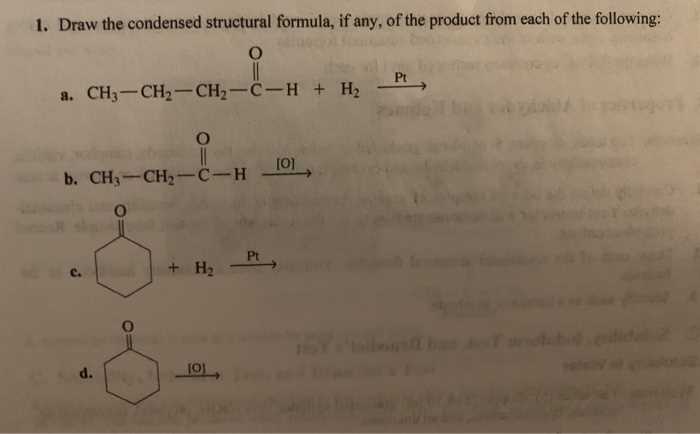
In organic chemistry, a condensed structural formula is a way of representing a molecule using a minimal amount of information. It shows the connectivity of atoms within a molecule and also provides information about the functional groups present.
Condensed structural formulas are often used to represent complex organic molecules, as they allow chemists to quickly and easily interpret and compare the structures of different compounds. They are also useful for showing the specific arrangement of atoms within a molecule, including any double or triple bonds and stereochemistry.
To express your answer as a condensed structural formula, you need to identify the main chain of carbon atoms in the molecule and any functional groups attached to it. The carbon atoms are represented by the symbol C, and other atoms (such as hydrogen, oxygen, or nitrogen) are written adjacent to the carbon atom they are bonded to.
Functional groups, such as alcohols (-OH), carboxylic acids (-COOH), or amines (-NH2) are indicated by specific symbols or abbreviations. The condensed structural formula should also include any double or triple bonds between carbon atoms, represented by the symbols = or ≡, respectively.
What is a Condensed Structural Formula?
A condensed structural formula is a way to represent the structure of a molecule using a minimal number of characters. It provides information about the types of atoms present in the molecule, as well as their connectivity and any functional groups that may be present. This type of formula is commonly used in organic chemistry to quickly and effectively communicate the structure of a compound.
In a condensed structural formula, atoms are represented by their elemental symbols and are written in a consecutive sequence to indicate their connectivity. The bonds between atoms are not explicitly shown, but are assumed based on the connectivity of the atoms. For example, the condensed structural formula for ethane, CH3CH3, represents two carbon atoms connected by a single bond, with each carbon atom bonded to three hydrogen atoms.
Functional groups, which are specific combinations of atoms that determine the chemical reactivity of a molecule, can also be indicated in a condensed structural formula. For example, the condensed structural formula for ethanol, CH3CH2OH, includes the functional group -OH, which indicates the presence of an alcohol moiety.
Condensed structural formulas are concise and straightforward, making them useful for representing complex molecules in a simplified manner. However, they may not provide detailed information about the three-dimensional arrangement of atoms in a molecule. In such cases, other representations, such as 3D models or line-angle formulas, may be more appropriate.
Understanding the Basics

Before delving into the complex world of chemistry, it is important to grasp the basics. By understanding fundamental concepts, you lay a solid foundation for further learning and exploration in this scientific field.
The Atom: The Building Block of Matter
At the heart of chemistry lies the atom. An atom is the smallest unit of matter that retains the properties of an element. It consists of a nucleus, composed of protons and neutrons, surrounded by electrons. Each element is characterized by the number of protons in its nucleus, also known as its atomic number. The periodic table provides a comprehensive list of elements, organized by their atomic numbers.
Bonding: Coming Together
Bonding is the process by which atoms come together to form molecules or compounds. There are two main types of chemical bonds: ionic bonds and covalent bonds. Ionic bonds occur when one atom transfers electrons to another, resulting in the formation of ions. Covalent bonds, on the other hand, involve the sharing of electrons between atoms. The type of bonding greatly affects the properties of substances, such as their melting points and solubility.
Chemical Reactions: The Transformation of Matter
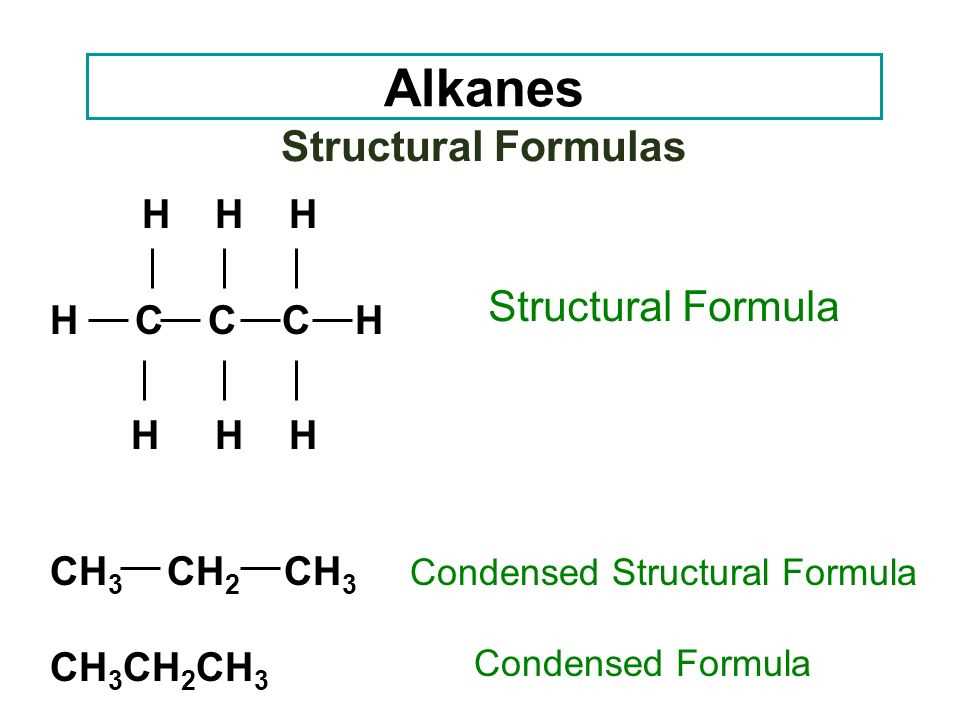
Chemical reactions occur when substances undergo a transformation, resulting in the formation of new substances. These reactions involve breaking and forming chemical bonds. Reactants are the substances that undergo the transformation, while products are the new substances formed. Chemical equations are used to represent these reactions, with the reactants on the left side and the products on the right side.
Key Concepts and Terminology
As you explore the world of chemistry, you will encounter various key concepts and terminology. Some important terms to familiarize yourself with include elements, compounds, mixtures, acids, bases, and pH. Additionally, understanding concepts like stoichiometry, equilibrium, and thermodynamics will be crucial to gaining a deeper understanding of chemical processes and reactions.
How to Write a Condensed Structural Formula
When it comes to representing organic compounds, condensed structural formulas are commonly used. These formulas provide a concise and efficient way of expressing the molecular structure of a compound. In a condensed structural formula, the individual atoms and their connections are indicated using a combination of letters, numbers, and symbols.
Step 1: Identify the Atoms
The first step in writing a condensed structural formula is to identify the atoms present in the compound. This can be done by analyzing its chemical formula or by drawing a Lewis structure. Each atom is represented by its chemical symbol (e.g., C for carbon, H for hydrogen, O for oxygen).
Step 2: Determine the Bonding
Next, determine how the atoms are bonded to each other. This can be done by examining the Lewis structure or by using knowledge of common bonding patterns. Bonds between atoms are represented by lines, with each line indicating a single bond. Multiple bonds (double or triple) can be indicated by using multiple lines.
Step 3: Condense the Formula
Once the atoms and their connections are determined, the condensed structural formula can be written. Start by writing the chemical symbols of each atom in the order they appear in the formula. Then, indicate the bonding between atoms using lines. If there are multiple bonds, use the appropriate number of lines (e.g., two lines for a double bond).
- Example:
- The compound ethene (C2H4) can be represented by the condensed structural formula CH2=CH2. Here, the two carbon atoms are connected by a double bond, and each carbon atom is bonded to two hydrogen atoms.
Overall, writing a condensed structural formula involves identifying the atoms, determining the bonding, and condensing the information into a concise representation. With practice, it becomes easier to quickly write condensed structural formulas for various organic compounds.
Expressing a Chemical Formula with Condensed Structural Formula
When discussing chemical compounds, it is important to accurately represent their structure in a concise and clear manner. One common method of expressing a chemical formula is through the use of condensed structural formulas. This notation allows us to represent the atoms and bonds in a compound without explicitly drawing out each individual atom.
The condensed structural formula uses a combination of symbols and numbers to represent the atoms and bonds in a compound. The symbols represent the element and the numbers represent the number of atoms of each element. For example, the condensed structural formula for water (H2O) would be written as H-O-H, with the hyphens representing the bonds between the atoms.
Using condensed structural formulas can be particularly useful when dealing with complicated organic compounds. Instead of drawing out each individual atom and bond, chemists can use condensed structural formulas to quickly convey the essential information about the compound. This allows for greater efficiency when communicating about chemical structures and reactions.
Condensed structural formulas also provide a way to easily identify functional groups within a compound. Functional groups are specific arrangements of atoms that determine the chemical properties and reactivity of a compound. By using condensed structural formulas, chemists can quickly recognize and analyze the functional groups present in a compound.
Overall, expressing a chemical formula with a condensed structural formula is an effective and efficient way to represent the structure of a compound. It allows for clear communication and easy identification of functional groups. Whether describing a simple compound like water or a complex organic molecule, the condensed structural formula provides a useful tool for chemists to convey information about chemical structure and reactivity.
Advantages of Using Condensed Structural Formula
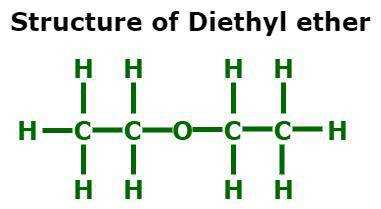
Condensed structural formula is a simplified way of representing organic compounds, which provides several advantages over other structural representations. Here are some of the key advantages of using condensed structural formula:
1. Compact and Clear Representation
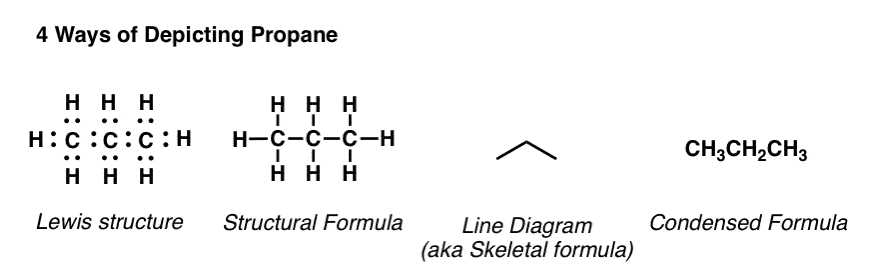
Condensed structural formula allows for a compact and clear representation of organic compounds. It uses a minimal number of characters to represent the structure, making it easier to read and understand. This is particularly useful when dealing with complex compounds or when trying to convey information quickly.
2. Retains Important Functional Groups
With condensed structural formula, important functional groups in organic compounds can be easily identified and retained. Functional groups are specific arrangements of atoms that determine the chemical properties and reactivity of a molecule. By using condensed structural formula, these functional groups can be highlighted, helping chemists analyze the compound and predict its behavior.
3. Facilitates Synthesis and Reactions
Condensed structural formula is particularly useful in planning chemical synthesis and predicting reactions. It allows chemists to quickly identify key functional groups and make connections between different parts of a molecule. This can help in designing efficient synthetic routes and understanding the potential reactivity of a compound.
4. Saves Space and Time
Condensed structural formula saves space and time in written or printed materials. It requires fewer characters, which is advantageous when representing large numbers of compounds or when writing chemical equations. Additionally, condensed structural formula can be easily converted into other structural representations, such as Lewis structures or line-bond structures, if more detailed information is needed.
In conclusion, the use of condensed structural formula offers several advantages for representing organic compounds. It provides a compact and clear representation, retains important functional groups, facilitates synthesis and reactions, and saves space and time. These advantages make condensed structural formula a valuable tool in the field of organic chemistry.
Common Mistakes to Avoid when Writing a Condensed Structural Formula
Writing a condensed structural formula can be challenging, especially for those who are new to organic chemistry. It is important to avoid common mistakes that can lead to confusion or inaccuracies in your formula. Here are some common mistakes to avoid:
- Omitting Hydrogen Atoms: One of the most common mistakes is forgetting to include hydrogen atoms in your condensed structural formula. Remember that hydrogen atoms are always present and should be included unless specifically stated that they are not.
- Incorrect Placement of Functional Groups: Another mistake to avoid is placing functional groups in the wrong position. Functional groups should be placed at the appropriate carbon atom and their connectivity should be clearly indicated.
- Missing Double Bonds: Double bonds are often overlooked in condensed structural formulas. It is important to accurately represent the presence of double bonds by using appropriate symbols or notations.
- Confusing Isomers: Isomers are compounds with the same molecular formula but different structural arrangements. Avoid confusing isomers by clearly indicating the connectivity of atoms in your condensed structural formula.
- Improper Use of Parentheses: Parentheses are commonly used to indicate repeating units or substituents in a condensed structural formula. However, it is important to use parentheses correctly and avoid unnecessary or ambiguous use.
Avoiding these common mistakes will help ensure the accuracy and clarity of your condensed structural formula. Remember to double-check your work and consult reliable sources or textbooks for guidance if you are unsure. Practice and familiarity with organic chemistry will also help improve your skills in writing condensed structural formulas.
Q&A:
What is a condensed structural formula?
A condensed structural formula is a way to represent the structure of a molecule using minimal symbols and structural information.
What are some common mistakes to avoid when writing a condensed structural formula?
Some common mistakes to avoid include omitting important functional groups, failing to indicate the correct number of atoms in a group, and not properly indicating the connectivity between atoms.
Why is it important to avoid these mistakes?
It is important to avoid these mistakes because a condensed structural formula should accurately represent the structure of a molecule. Any inaccuracies can lead to misconceptions about the molecule’s properties and behavior.
How can I avoid omitting important functional groups?
To avoid omitting important functional groups, it is crucial to have a good understanding of organic chemistry and to carefully review the molecule’s structure before writing the condensed structural formula. It may also be helpful to consult reference materials or use software programs that can assist in accurately depicting organic structures.
How can I ensure that the connectivity between atoms is properly indicated?
To properly indicate the connectivity between atoms, it is helpful to pay attention to the order in which the atoms are listed in the formula. The connectivity should follow the natural bonding patterns of the atoms, and any coordination bonds or double/triple bonds should be clearly indicated.
What are some common mistakes to avoid when writing a condensed structural formula?
Some common mistakes to avoid when writing a condensed structural formula include forgetting to show all the bonds and atoms, not properly indicating the stereochemistry of molecules, and neglecting to use parentheses when necessary.
Why is it important to avoid these mistakes when writing a condensed structural formula?
It is important to avoid these mistakes when writing a condensed structural formula because a condensed structural formula provides important information about the connectivity and arrangement of atoms in a molecule. Failing to accurately depict the structure can lead to misunderstandings and incorrect interpretations of the molecule’s properties and behaviors.