10 Mind-Boggling Genius Puzzles with Answers to Challenge Your Thinking

If you enjoy challenging yourself and teasing your brain, then genius puzzles are the perfect way to test your problem-solving skills. These puzzles are designed to make you think outside the box and come up with creative solutions. They require you to use logical reasoning, attention to detail, and sometimes even a bit of lateral thinking.
Genius puzzles come in various forms, from riddles and brain teasers to mathematical problems and visual puzzles. They can be solved by anyone, regardless of age or educational background. The best part is that solving these puzzles not only gives you a sense of achievement but also helps to improve your cognitive abilities and boost your brainpower.
Whether you’re looking to challenge yourself, entertain your friends, or simply pass the time, genius puzzles are a great way to exercise your brain and have fun. From deciphering cryptic codes to solving complex mathematical equations, these puzzles never fail to provide an intellectual challenge. So, grab a pen and paper, and get ready to test your mental prowess with these mind-boggling genius puzzles!
Genius Puzzles with Answers
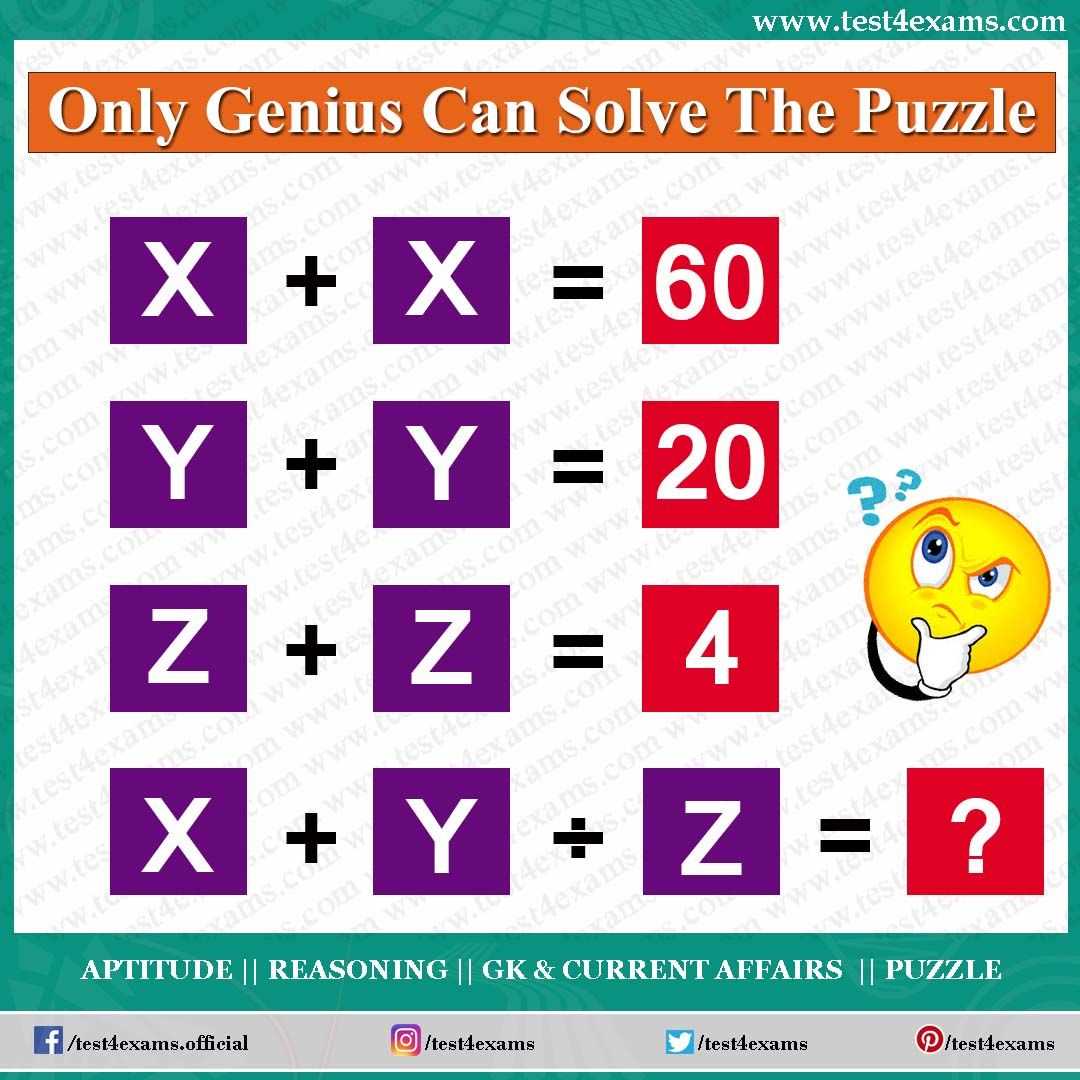
Genius puzzles are a great way to challenge your critical thinking skills and have fun at the same time. With their tricky questions and mind-bending concepts, these puzzles are sure to keep you entertained for hours.
One example of a genius puzzle is the “Einstein’s Riddle”, which is a logic puzzle that requires you to use deductive reasoning to determine the identities and characteristics of a group of people. This puzzle is so difficult that it is said that only 2% of the population can solve it!
Another popular genius puzzle is the “Tower of Hanoi”. This puzzle consists of three rods and a number of disks of different sizes, which can be moved from one rod to another following a set of rules. The objective of the puzzle is to move the entire stack of disks to another rod, with the constraint that a larger disk cannot be placed on top of a smaller disk. This puzzle may seem simple at first, but it requires careful planning and strategic thinking to solve.
If you’re looking for a more visual puzzle, the “Rubik’s Cube” is a classic genius puzzle that has been challenging people for decades. With its six different colored sides and numerous combinations, solving the Rubik’s Cube requires not only logic and strategy, but also spatial awareness and dexterity.
Whether you prefer logic puzzles, strategy games, or visual challenges, there is a genius puzzle out there for everyone. These puzzles are not only a great way to pass the time, but also an excellent way to exercise your brain and improve your problem-solving skills. So why not give them a try and see if you have what it takes to solve these genius puzzles?
What are Genius Puzzles?

Genius puzzles are brain-teasing challenges that require critical thinking, problem-solving skills, and creativity to solve. These puzzles are designed to test your intelligence and help exercise your brain. They often involve logical reasoning, lateral thinking, and mathematical concepts. Genius puzzles can be found in various forms, such as riddles, optical illusions, number puzzles, and word games.
One popular type of genius puzzle is the riddle. Riddles are short and cleverly worded questions or statements that require you to think outside the box to find the solution. They often rely on wordplay, double meanings, and lateral thinking. For example, a riddle might ask: “I speak without a mouth and hear without ears. I have no body, but I come alive with wind. What am I?” The answer to this riddle is “an echo.”
Another form of genius puzzle is the optical illusion. These puzzles utilize visual tricks to deceive the eyes and challenge your perception. Optical illusions can make you see things that are not there or distort objects in unexpected ways. They require careful observation and analysis to understand the hidden elements or patterns. A famous example of an optical illusion is the “Rubin’s vase,” which can be interpreted both as a vase or two facing profiles, depending on how you perceive it.
Genius puzzles offer an entertaining and stimulating way to challenge your brain and improve your cognitive abilities. By engaging in these puzzles, you can enhance your problem-solving skills, boost your creativity, and sharpen your logical thinking. They provide a fun and educational activity that can be enjoyed by people of all ages. So if you’re looking to challenge yourself and have some fun while exercising your brain, try solving some genius puzzles!
Benefits of Solving Genius Puzzles

Solving genius puzzles can provide several benefits for individuals of all ages. These challenging puzzles require critical thinking, problem-solving skills, and the ability to think outside the box. By engaging in puzzle-solving activities, individuals can improve their cognitive abilities and enhance their overall mental sharpness.
1. Enhanced Brain Function
Solving genius puzzles requires individuals to use their brainpower to analyze and evaluate different scenarios. This helps in stimulating neural connections in the brain, which leads to improved cognitive function. Regular engagement in puzzle-solving activities has been shown to enhance memory, concentration, and logical reasoning skills.
2. Improved Problem-Solving Skills
Genius puzzles often present complex problems that require individuals to think critically and come up with creative solutions. By regularly challenging themselves with these puzzles, individuals can sharpen their problem-solving skills and learn to approach problems from different angles. This can be beneficial in various aspects of life, such as work tasks, academic assignments, and everyday decision-making.
3. Boost in Self-Confidence
Solving genius puzzles can be quite challenging, especially when faced with difficult or seemingly unsolvable problems. However, successfully finding solutions to these puzzles can boost self-confidence and provide a sense of accomplishment. The satisfaction of overcoming a difficult challenge can motivate individuals to take on new and more complex puzzles, fostering a growth mindset and a belief in their own abilities.
4. Stress Relief and Relaxation
Engaging in puzzle-solving activities, such as crosswords, riddles, or Sudoku, can provide a sense of relaxation and stress relief. Solving puzzles can help individuals disconnect from their daily routines, focus their attention on a single task, and enter a state of flow. This can promote mindfulness and contribute to overall mental well-being.
5. Fun and Entertainment
In addition to the cognitive benefits, solving genius puzzles can be a fun and entertaining pastime. It offers a break from routine activities and provides an opportunity to challenge oneself intellectually. Whether solving puzzles alone or with others, it can be an enjoyable way to spend leisure time and engage in a mentally stimulating activity.
In conclusion, solving genius puzzles can have numerous benefits for individuals, including enhanced brain function, improved problem-solving skills, increased self-confidence, stress relief, and entertainment. So, next time you come across a challenging puzzle, embrace it as an opportunity to exercise your mind and reap these benefits.
Types of Genius Puzzles
Genius puzzles are a great way to challenge your brain and test your problem-solving skills. They come in different forms and formats, each with its own unique set of rules and challenges. Here are some types of genius puzzles that you can try:
Logic Puzzles:

Logic puzzles require you to think logically and deduce conclusions based on the given information. These puzzles often involve solving a series of interconnected clues to find the solution. Sudoku is a popular example of a logic puzzle, where you have to fill in numbers in a grid according to specific rules and constraints.
Math Puzzles:
Math puzzles involve using mathematical concepts and operations to solve a problem or reach a solution. These puzzles can range from simple arithmetic problems to complex equations that require advanced mathematical skills. A popular example of a math puzzle is the “Four 4s” puzzle, where you have to use four 4s and various operations to create different numbers.
Word Puzzles:

Word puzzles require you to manipulate and arrange letters or words to form meaningful patterns or solutions. These puzzles often test your vocabulary, language skills, and creativity. Crossword puzzles, anagrams, and word searches are some common examples of word puzzles. An example of a word puzzle is a cryptogram, where you have to decode a secret message by substituting letters with other letters.
Visual Puzzles:
Visual puzzles involve interpreting and analyzing visual information to solve a problem or find the hidden pattern. These puzzles can include optical illusions, mazes, pattern recognition, and spatial reasoning tasks. One example of a visual puzzle is the “Spot the Difference” puzzle, where you have to find the subtle differences between two seemingly identical images.
Riddle Puzzles:

Riddle puzzles are brain teasers that require creative and critical thinking to solve. These puzzles often involve using lateral thinking and finding unconventional solutions to tricky questions. They can range from simple riddles with straightforward answers to complex riddles that require careful consideration. One example of a riddle puzzle is the “What am I?” riddle, where you have to guess the answer based on a series of clues and descriptions.
- Logic puzzles
- Math puzzles
- Word puzzles
- Visual puzzles
- Riddle puzzles
How to Solve Genius Puzzles
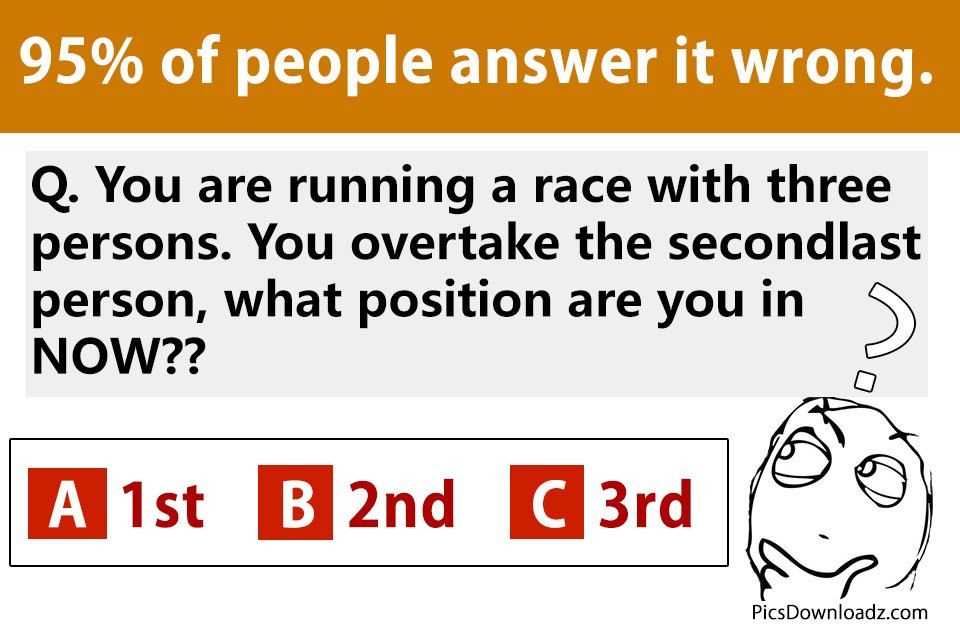
To solve genius puzzles, it’s important to approach them with a strategic mindset and think outside the box. These puzzles are designed to challenge your problem-solving skills and test your creativity. Here are some tips to help you crack the code and find the answers:
- Read the instructions carefully: Before diving into the puzzle, make sure you understand the rules and objectives. Pay attention to any clues or hints provided.
- Break it down: Instead of trying to solve the puzzle as a whole, break it down into smaller parts. Analyze each component separately and look for patterns or connections between them.
- Think logically: Logical reasoning is crucial when solving genius puzzles. Use deductive and inductive reasoning to eliminate possibilities and narrow down your options.
- Be creative: Genius puzzles often require thinking outside the box. Don’t limit yourself to conventional solutions. Explore different perspectives and find alternative approaches to the problem.
- Take notes: Keep track of any important information or observations. Writing things down can help you organize your thoughts and spot patterns that might not be immediately apparent.
- Use trial and error: If you’re stuck and unsure of the next step, don’t be afraid to try different strategies or combinations. Sometimes, the only way to find the right solution is through trial and error.
- Collaborate: If you’re tackling a genius puzzle with friends or colleagues, consider working together. Two heads are often better than one, and pooling your collective knowledge and perspectives can lead to breakthroughs.
- Stay persistent: Genius puzzles can be challenging and frustrating at times. However, don’t give up easily. Stay persistent and keep trying different approaches. Remember, the satisfaction of solving a difficult puzzle is worth the effort.
By following these tips and strategies, you can enhance your problem-solving skills and improve your chances of solving even the most genius puzzles. Remember to stay patient, persevere, and enjoy the process of unraveling the mysteries hidden within these mind-bending challenges.
Famous Genius Puzzles
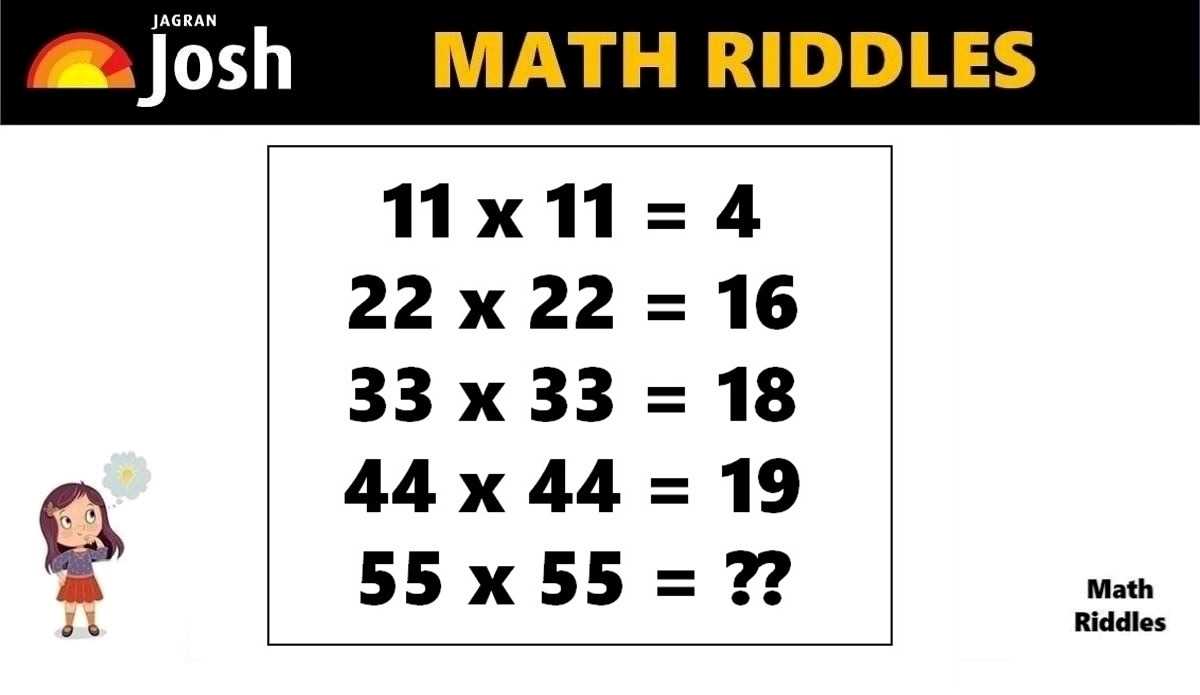
Genius puzzles have been a popular form of entertainment and brain exercise for centuries. These puzzles, often created by brilliant minds, require creative and analytical thinking to solve. Some of the most famous genius puzzles have challenged even the brightest minds and continue to be used as a test of intelligence and problem-solving abilities.
One of the most well-known genius puzzles is the Riddle of the Sphinx. In Greek mythology, the Sphinx was a mythical creature with the head of a human and the body of a lion. The Sphinx would pose a riddle to travelers, and if they couldn’t answer correctly, it would devour them. The famous riddle asked by the Sphinx is, “What has one voice and walks on four legs in the morning, two legs at noon, and three legs in the evening?” The answer is “Man,” as humans crawl on all fours as babies, walk on two legs as adults, and use a cane in old age.
Another famous genius puzzle is the Tower of Hanoi. This puzzle consists of three rods and a number of disks of different sizes. The objective is to move the entire stack of disks from one rod to another, following certain rules. The puzzle is named after the city of Hanoi in Vietnam, where a legend says that monks are working on solving it. The Tower of Hanoi puzzle is an excellent exercise for logical thinking and problem-solving skills.
Genius puzzles like the Riddle of the Sphinx and the Tower of Hanoi have captured the imagination of people for generations. They challenge our thinking and force us to approach problems from different angles. Solving these puzzles can be incredibly rewarding and can help improve cognitive abilities. So next time you’re looking for a mental challenge, try your hand at a famous genius puzzle!
Challenge Yourself with Genius Puzzles
Stimulate your brain and put your problem-solving skills to the test with genius puzzles. These mind-boggling challenges will not only entertain you but also help improve your critical thinking and logic. Whether you’re a fan of crosswords, riddles, or math problems, there’s a genius puzzle out there for everyone.
Genius puzzles come in a variety of forms and difficulty levels, making them suitable for all ages and skill sets. From lateral thinking problems that require you to think outside the box to numeric sequences that test your mathematical abilities, there’s always a new puzzle waiting to be solved.
One of the great things about genius puzzles is that they often have unexpected answers. They force you to think creatively and consider alternative perspectives, which can be a valuable skill in many aspects of life. By challenging yourself with genius puzzles, you’re not only exercising your brain but also honing your problem-solving and analytical skills.
Furthermore, solving genius puzzles can be a fun and engaging way to spend your free time. Whether you enjoy solving them alone or with friends, they provide a sense of accomplishment and satisfaction when you finally crack the code or find the solution. In addition, they offer a break from daily routines and stimulate your mind in a different way.
So, if you’re looking for a mental workout and a way to expand your thinking abilities, challenge yourself with genius puzzles. They offer an exciting and rewarding experience that will keep you entertained for hours on end. Get ready to put your brain to the test and unlock your inner genius!