The Hidden Relationship: Unveiling the Power of Geology in Soil Formation
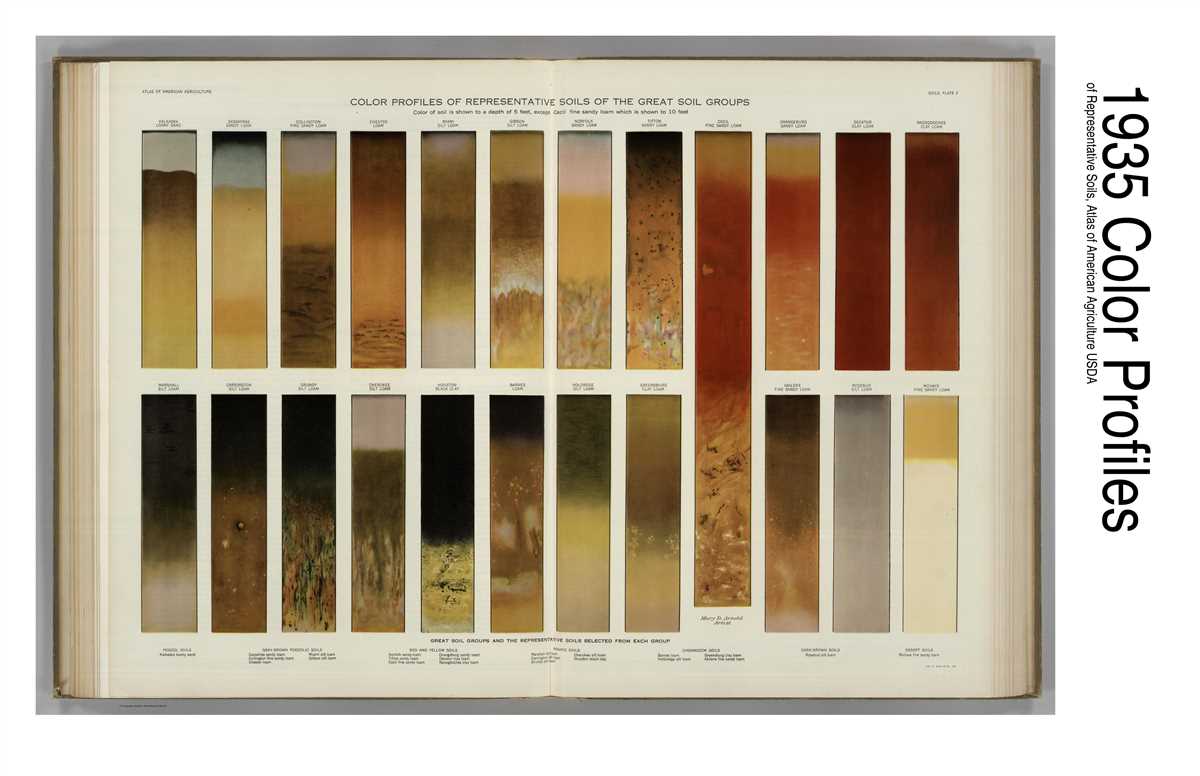
Geology plays a significant role in the formation and development of soil, making it a key factor in determining the characteristics of a particular area’s soil. As the study of the Earth’s physical structure, composition, and history, geology helps us understand the processes that shape our planet’s surface, including soil formation. From the type of rocks and minerals present in an area to the movement of tectonic plates, geology influences the chemical and physical properties of the soil.
One of the main ways in which geology affects soil building is through the weathering of rocks. Over time, the forces of weathering, such as wind, water, and ice, break down rocks into smaller particles. These particles, along with organic matter, form the basis of soil. The type of rocks and minerals present in an area determines the composition of the soil, influencing its fertility, drainage, and pH levels.
In addition to weathering, geology also influences soil formation through geological processes such as erosion and deposition. Erosion can remove the top layers of soil, exposing the underlying geology and affecting the fertility of the land. On the other hand, deposition of sediments can contribute to the build-up of soil, enriching it with nutrients and organic matter.
Furthermore, geology plays a role in determining the availability of certain minerals and nutrients in the soil. Different types of rocks contain varying amounts of essential elements, which can be released into the soil through weathering. Thus, the geology of an area can affect the nutrient content of the soil and ultimately impact the growth and health of plants and ecosystems.
Overall, geology is a crucial factor in soil building, shaping the characteristics of soil through weathering, erosion, and deposition. Understanding the geological processes at work in a particular area can provide valuable insights into the composition, fertility, and suitability of the soil for various uses, from agriculture to construction. By studying the geology of a region, scientists and land managers can make informed decisions about soil management and conservation to ensure the long-term sustainability of our ecosystem.
Formation of Soil

The formation of soil is a complex process that occurs over long periods of time. Geology plays a crucial role in the formation of soil, as it provides the parent material from which soil is derived. The type of rock or sediment that makes up the parent material greatly influences the properties of the resulting soil.
Weathering, the process by which rocks break down into smaller fragments, is an important step in soil formation. There are three main types of weathering: physical weathering, chemical weathering, and biological weathering. Physical weathering, such as freeze-thaw cycles or the actions of roots, causes rocks to break into smaller pieces. Chemical weathering occurs when rocks interact with water, air, or other chemicals, leading to changes in the composition of the rock. Biological weathering involves the activities of plants, animals, and microorganisms, which can break down rocks through their physical or chemical actions.
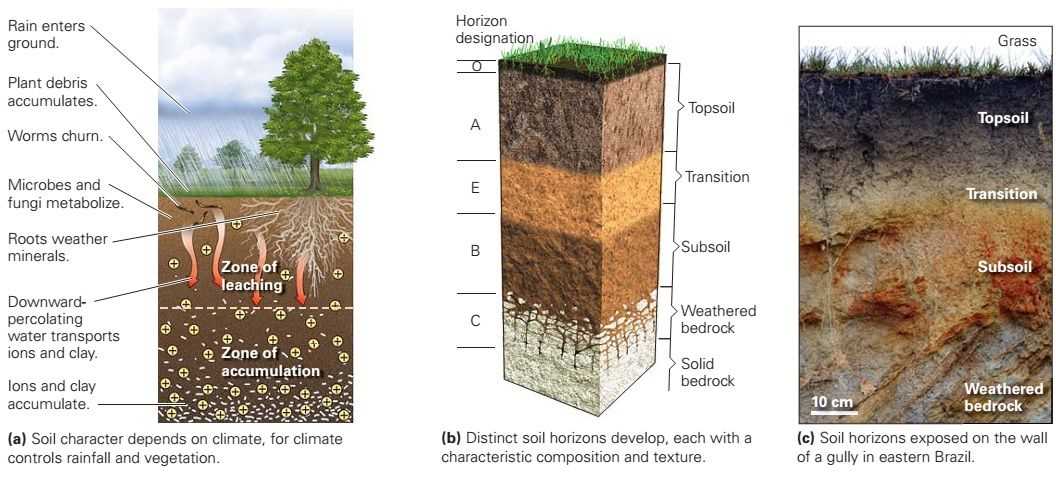
Once the parent material has undergone weathering, the process of soil formation continues through the actions of other factors, such as climate, topography, organisms, and time. Climate affects soil formation through the amount and distribution of rainfall, temperature, and the presence of organic materials. Temperature and moisture levels influence the rate of weathering and the decomposition of organic matter. Topography, or the slope of the land, affects the movement of water and nutrients through the soil. Organisms, including plants, animals, and microorganisms, contribute to soil formation through their activities, such as the breakdown of organic matter, the creation of pores in the soil, and the cycling of nutrients. Finally, time is a crucial factor in soil formation, as it allows for the accumulation of organic matter and the development of distinct soil horizons.
In summary, the formation of soil is influenced by geology, weathering, climate, topography, organisms, and time. Geology provides the parent material, while weathering breaks down rocks into smaller fragments. Climate, topography, organisms, and time further shape the soil by influencing factors such as moisture, nutrient availability, and organic matter content. Understanding these processes is essential for studying and managing soils for various purposes, such as agriculture, forestry, and urban development.
The Impact of Geology on Soil Composition
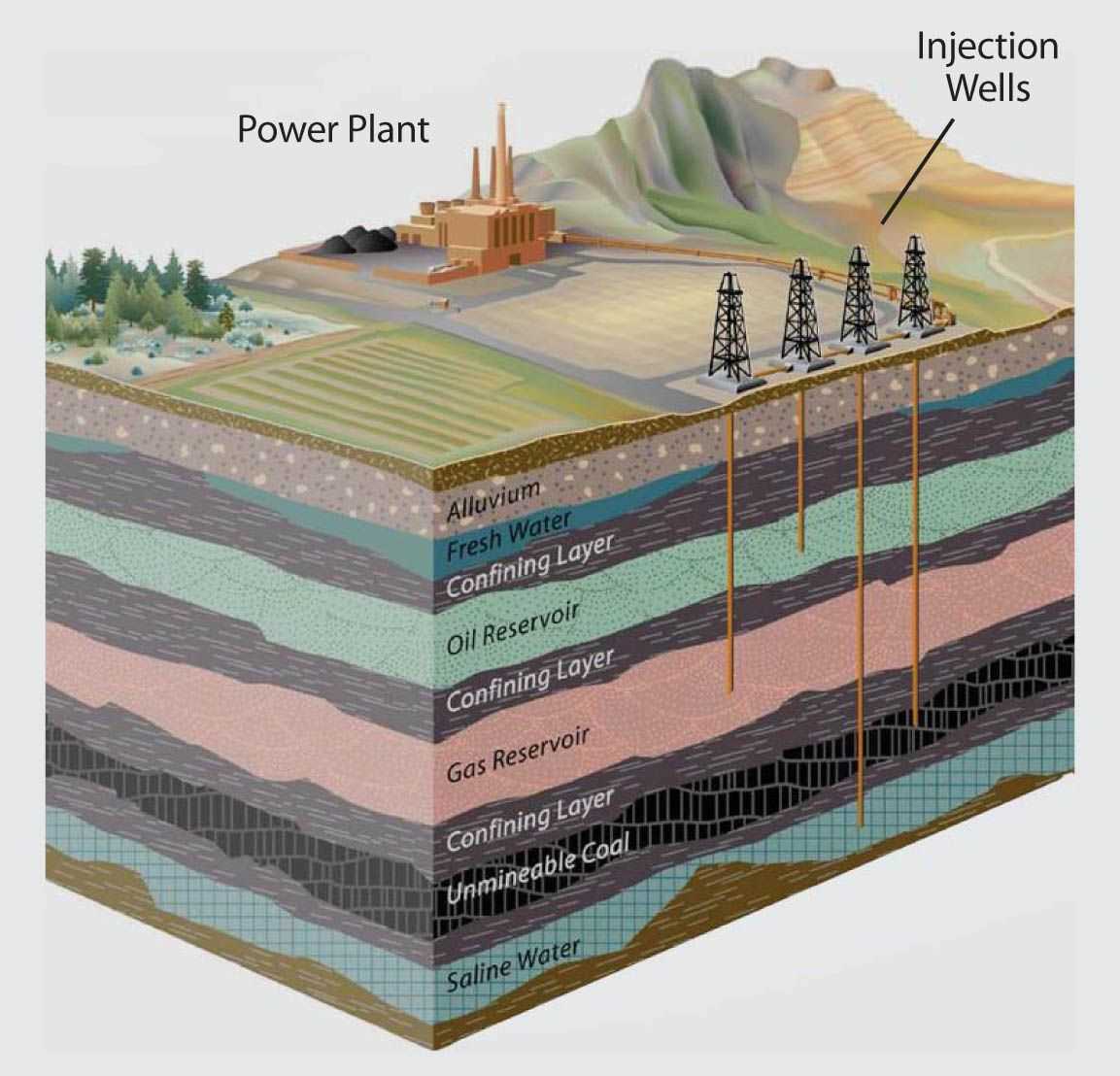
The geological structure of an area plays a crucial role in determining the composition of its soil. The type of rock present, the age and weathering of those rocks, and the processes that have shaped the landscape over time all contribute to the formation and characteristics of the soil.
One of the key factors influenced by geology is the mineral content of the soil. Different types of rocks contain varying amounts and types of minerals, which are gradually weathered and broken down over time. These minerals become an integral part of the soil, providing essential nutrients for plant growth. For example, volcanic rocks tend to release rich concentrations of minerals like potassium, calcium, and magnesium, which can create fertile soils conducive to agricultural activities. In contrast, areas with granite or sandstone geology may have less mineral-rich soil, resulting in different agricultural capabilities.
Geology also influences the physical properties of soil. The types and sizes of particles present in the soil, such as sand, silt, and clay, are often determined by the underlying rock types. For instance, soils derived from granite typically have larger, coarse particles, while those derived from limestone may have smaller, finer particles. Geology can also impact the soil’s ability to hold water. Soils formed from highly weathered rocks, such as shale, tend to have a higher clay content, making them more capable of retaining water and providing a favorable environment for plant growth. On the other hand, sandy soils, often derived from sandstone geology, have larger particles and are prone to faster drainage.
In conclusion, geology has a significant influence on soil composition. The type of rock, its mineral content, and the geological processes that have shaped the landscape all contribute to the formation and characteristics of the soil. Understanding the geological factors at play is crucial for land management and agricultural practices, as different soil compositions can have varying nutrient content, water-holding capacity, and overall suitability for plant growth.
Geological Processes and Soil Formation
The formation of soil is a complex process that is greatly influenced by geological processes. Geology refers to the study of the Earth’s rocks, minerals, and the processes that shape the Earth’s surface. These processes have a significant effect on soil building, as they determine the types of parent materials from which soils are formed.
One of the key geological processes that contributes to soil formation is weathering. Weathering is the breakdown and alteration of rocks and minerals at or near the Earth’s surface. It can occur through physical, chemical, or biological means. Physical weathering, such as freeze-thaw cycles and the action of wind and water, breaks down rocks into smaller particles. Chemical weathering, on the other hand, involves the reaction of rocks and minerals with water, oxygen, and other chemicals, leading to the formation of new minerals and the release of nutrients. Biological weathering refers to the decomposition of rocks and minerals by organisms, such as plants and microorganisms.
The type of parent material resulting from weathering processes greatly influences soil properties. For example, soils derived from volcanic materials tend to be rich in minerals and nutrients, while soils derived from limestone are often alkaline and have high calcium content. The composition of parent materials affects the fertility, texture, and pH of the soil, which in turn determine its ability to support plant growth.
In addition to weathering, other geological processes such as erosion and deposition also play a role in soil formation. Erosion refers to the wearing away and removal of soil and rock materials by water, wind, or ice. It can lead to the transportation and deposition of sediments in new locations, contributing to the formation of different types of soils. Deposition occurs when eroded materials settle and accumulate in a new location, forming layers or sedimentary deposits. These deposited materials can later undergo weathering processes and become the basis for new soil formation.
In conclusion, geological processes such as weathering, erosion, and deposition have a profound effect on soil formation. These processes determine the type of parent materials, their composition, and the physical and chemical properties of the resulting soil. Understanding the geological factors influencing soil formation is essential for managing soil resources and ensuring sustainable agriculture and land use practices.
Types of Rocks and Soil Characteristics
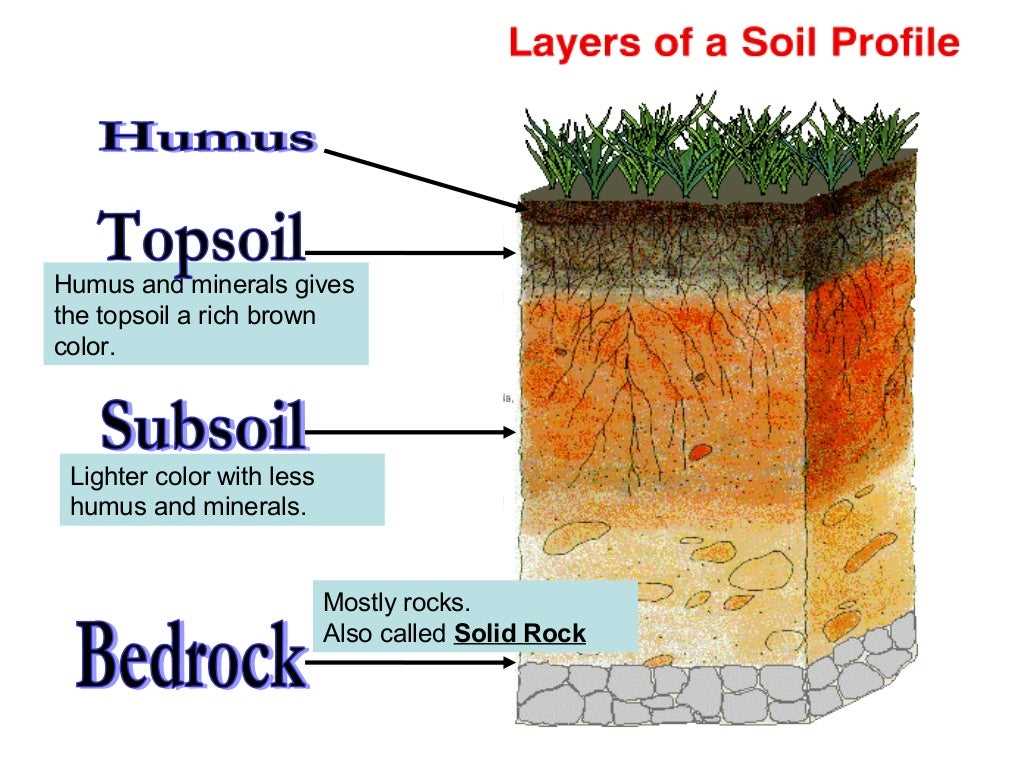
One of the primary factors influencing soil building is the type of rocks present in a particular area. Rocks can be classified into three main types: igneous, sedimentary, and metamorphic. Each of these rock types has distinct characteristics that can significantly impact the properties of the soil.
Igneous rocks are formed by the cooling and solidification of molten magma or lava. They are typically hard, dense, and have interlocking mineral crystals. Igneous rocks can range from light-colored rocks like granite to dark-colored rocks like basalt. These rocks weather slowly and tend to form coarse-textured soils with good drainage. The mineral composition of igneous rocks can also influence the fertility of the soil.
Sedimentary rocks are formed from the accumulation of sediments, such as particles of sand, silt, clay, and organic matter, over time. They can be further classified into three types: clastic, chemical, and organic sedimentary rocks. Clastic rocks, like sandstone and shale, are composed of compacted and cemented sediment particles. Chemical rocks, like limestone and gypsum, are formed from the precipitation of minerals from water. Organic rocks, like coal, are made up of plant and animal remains. Sedimentary rocks weather more easily than igneous rocks and can contribute to the formation of fertile soils. Their texture varies depending on the composition of the sediments.
Metamorphic rocks are rocks that have undergone intense heat and pressure, causing them to change their original form. Common examples of metamorphic rocks include marble, slate, and quartzite. Metamorphic rocks can have a wide range of textures, from foliated to non-foliated. The weathering and erosion of metamorphic rocks contribute to the formation of different soil types, depending on their mineral composition.
In conclusion, the type of rocks present in an area plays a crucial role in determining the characteristics of the soil. Whether it is the slow weathering of igneous rocks, the deposition of sediments in sedimentary rocks, or the transformation of rocks in metamorphic processes, each type of rock has a unique influence on soil building. Understanding these relationships can help geologists and soil scientists to better assess and manage soil resources for various applications, such as agriculture, construction, and environmental conservation.
Influence of Geologic Features on Soil Properties

Geologic features play a crucial role in the formation and properties of soil. Through various processes such as weathering, erosion, and deposition, geology has a profound effect on the development of different soil types and their characteristics. Understanding the influence of geologic features on soil properties is essential for numerous applications, including agriculture, construction, and environmental management.
Parent material: The parent material refers to the rock or sediment that is weathered to form the soil. Different types of parent materials, such as granite, limestone, and sandstone, have distinct mineral compositions, which contribute to variations in soil properties. For example, soils derived from granite are generally rich in nutrients and have good drainage, while soils formed from limestone are highly alkaline and have high calcium content.
Topography: The shape and slope of the land, or topography, strongly affect soil development. Steep slopes may lead to erosion, resulting in shallow, rocky soils. In contrast, flat or gently sloping terrains allow for the accumulation of organic matter and precipitation, leading to the formation of deeper, more fertile soils. Additionally, topography influences the distribution of water on the land, affecting soil moisture content and drainage.
Climate: Climate has a significant impact on soil formation through the processes of weathering and erosion. Temperature and precipitation patterns influence the rate at which rocks break down into smaller particles, as well as the transportation and deposition of sediment. For instance, in arid regions, soils can exhibit high salinity due to limited precipitation and excessive evaporation, while in humid areas, soil leaching may occur, leading to nutrient depletion.
Time: The length of time that geologic processes have been occurring plays a vital role in soil development. Soil properties change over centuries and millennia as weathering, erosion, and deposition gradually transform the parent material. Older soils tend to be more weathered, with a greater accumulation of organic matter and well-developed horizons. Conversely, younger soils may still retain features of their parent material and exhibit less distinct layering.
In conclusion, the influence of geologic features on soil properties cannot be overstated. From the type of parent material to the topography, climate, and the passage of time, numerous factors interact to shape the characteristics of soil. To effectively manage and utilize soils for various purposes, understanding the relationship between geology and soil properties is of utmost importance.