The Ultimate Guide to Passing Your Hairstyling Exam with Flying Colors
Hairstyling is an important aspect of personal grooming and self-expression. People spend a lot of time and effort on their hair to achieve a desired look or to reflect their personality. Whether it’s for a special occasion or everyday styling, hairstylists play a crucial role in helping individuals achieve their desired hair goals. And, to become a professional hairstylist, one must pass a hairstyling exam.
The hairstyling exam is a comprehensive test that assesses a candidate’s knowledge, skills, and expertise in various hair styling techniques. It covers a wide range of topics, including cutting, coloring, and styling different hair types and textures. The exam also evaluates the candidate’s understanding of hair care, hygiene, and safety protocols. It is designed to ensure that hairstylists have the necessary skills and knowledge to meet the unique needs of their clients.
Preparing for a hairstyling exam requires dedication, practice, and a deep understanding of the fundamentals of hairstyling. Candidates must have a thorough knowledge of different cutting techniques, such as layering, texturizing, and razor cutting. They should also be familiar with various coloring methods, including foiling, balayage, and highlights. Additionally, candidates need to demonstrate their ability to style hair for different occasions, whether it’s a classic updo or a trendy braided look.
Passing a hairstyling exam is not only a testament to a candidate’s skills and expertise but also opens up doors to various career opportunities. Successful candidates can pursue a career as professional hairstylists in salons, spas, or even start their own freelance business. With the rising demand for personalized hairstyling services, individuals who excel in the hairstyling exam have the potential to build a successful and fulfilling career in the beauty industry.
What to Expect in a Hairstyling Exam
Preparing for a hairstyling exam can be an exciting and nerve-wracking experience. Whether you are an aspiring hairstylist or already working in the industry, it’s important to know what to expect during the exam. This will help you adequately prepare and perform your best on the day of the exam.
First and foremost, you should anticipate a written portion of the exam. This typically involves multiple-choice questions, fill-in-the-blank questions, and short-answer questions. The written portion assesses your knowledge of various hairstyling techniques, tools, products, and safety procedures. It’s essential to review and study the theoretical aspects of hairstyling to excel in this section.
Another key component of the hairstyling exam is the practical demonstration. You will be required to showcase your skills by performing specific hairstyles or techniques on a model or mannequin head. This could include anything from basic cuts and styling to advanced coloring and updos. The practical demonstration tests your ability to apply your knowledge and techniques in a hands-on setting.
During the exam, it’s important to stay calm and focused. Time management is crucial, as you will be given a specific amount of time to complete each section. Make sure to read and understand all instructions thoroughly before starting any task. Pay attention to details, such as cleanliness, precision, and creativity, as these factors can greatly impact your overall score. Lastly, remember to bring your own hairstyling tools and products, as these may not be provided at the exam venue.
In conclusion, a hairstyling exam typically consists of a written portion and a practical demonstration. By thoroughly studying the theoretical aspects, practicing your skills, and staying calm during the exam, you can increase your chances of success and demonstrate your proficiency in the world of hairstyling.
The Importance of Hairstyling Certification
Earning a hairstyling certification is a crucial step for anyone pursuing a career in the beauty industry. Not only does it demonstrate a commitment to professionalism and expertise, but it also opens up a world of opportunities for hairstylists. Whether you’re just starting out or looking to advance your career, obtaining a certification will give you the necessary skills and knowledge to succeed.
A hairstyling certification provides validation and credibility to your skills and abilities as a hairstylist. It shows potential employers and clients that you have received proper training and have met industry standards. This can be particularly valuable when starting out in the industry, as it can help you stand out from the competition and enhance your chances of securing employment in reputable salons or even starting your own business.
In addition to gaining recognition and credibility, obtaining a hairstyling certification equips you with a wide range of technical skills and techniques. These skills include haircutting, hair coloring, styling, and chemical treatments. Through comprehensive training and hands-on experience, you’ll learn the latest trends, tools, and products in the industry. This knowledge will not only enable you to provide high-quality services to your clients, but it will also give you the confidence to experiment and push the boundaries of hairstyling.
A hairstyling certification also emphasizes the importance of professionalism and ethical practices in the beauty industry. You’ll learn about hygiene and sanitation standards, as well as client communication and consultation skills. These elements are vital for building and maintaining a strong client base, as they contribute to a positive and enjoyable experience for clients. Overall, a certification ensures that you are well-rounded and equipped with the skills necessary to exceed client expectations.
In conclusion, a hairstyling certification is essential for individuals pursuing a career in the beauty industry. It not only validates your skills and abilities, but it also provides you with a comprehensive set of technical skills and knowledge. Additionally, it emphasizes professionalism and ethical practices, ensuring that you can deliver exceptional service to your clients. So, if you’re serious about establishing a successful career in hairstyling, obtaining a certification should be a top priority.
Understanding the Exam Structure
The hairstyling exam is an important step in obtaining a hairstyling license. It is designed to assess the candidate’s knowledge and practical skills in various aspects of hairstyling. To be successful in the exam, it is crucial to understand the structure and format of the exam.
The exam is typically divided into two main components: written and practical. The written portion of the exam evaluates the candidate’s theoretical knowledge of hairstyling techniques, tools, and products. It may include multiple-choice questions, fill-in-the-blank questions, or short answer questions. The practical component, on the other hand, assesses the candidate’s ability to perform different hairstyling tasks, such as cutting, coloring, and styling hair.
Written Exam

The written exam is an opportunity for candidates to demonstrate their understanding of the fundamental concepts and principles of hairstyling. It tests their knowledge of various hairstyling techniques, such as basic haircuts, perms, and hair coloring. Candidates may also be required to answer questions related to the proper use of hairstyling tools and products, as well as the importance of maintaining a clean and sanitary work environment.
To prepare for the written exam, candidates should study a comprehensive range of hairstyling textbooks, reference guides, and online resources. It is essential to review the material thoroughly and understand the key concepts and terminology. Practicing sample questions and taking mock exams can also help candidates familiarize themselves with the format and timing of the exam.
Practical Exam
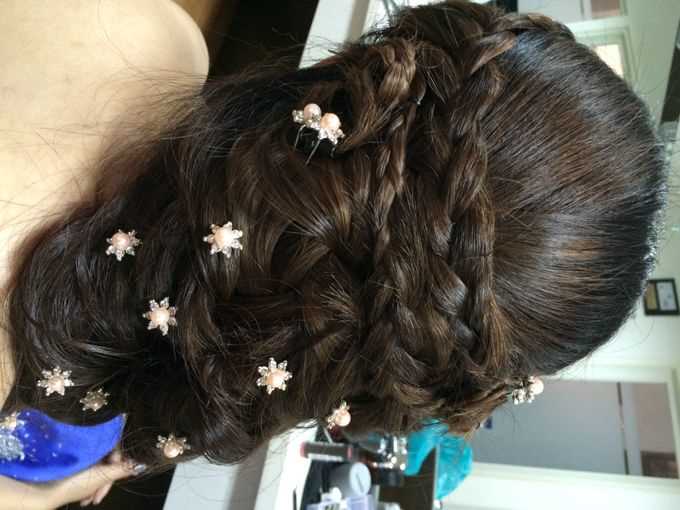
The practical exam assesses the candidate’s ability to apply their knowledge of hairstyling techniques in a real-world setting. During the exam, candidates are usually given a set of specific hairstyling tasks to complete within a designated time frame. These tasks may include cutting and styling different hair lengths and textures, applying color or highlights, and creating various updos or braided styles.
To succeed in the practical exam, candidates must practice their hairstyling skills extensively. It is important to become proficient in using hairstyling tools, such as scissors, clippers, and curling irons. Candidates should also develop a solid understanding of different hair types and textures, and how to work with them effectively. Additionally, time management and attention to detail are crucial skills to master in order to complete the tasks within the given time limit.
Essential Skills Tested in the Exam

When taking the hairstyling exam, candidates are required to demonstrate a range of essential skills. These skills encompass various aspects of hairstyling, including cutting, coloring, and styling hair. Achieving proficiency in these skills is crucial for success in the exam and for becoming a professional hairstylist.
Cutting Techniques: One of the key skills tested in the hairstyling exam is the ability to execute precise and accurate cutting techniques. This involves the knowledge of different cutting methods, such as layering, texturizing, and graduation. Candidates must be able to demonstrate their understanding of various tools, such as scissors and clippers, and their proficiency in using them to create different styles and finishes.
Coloring and Highlighting: Another important skill that is assessed in the hairstyling exam is the candidate’s ability to apply color and highlights effectively. This includes the knowledge of different coloring techniques, such as foiling, balayage, and ombre. Candidates must be able to mix and apply hair color accurately, while considering factors such as the client’s skin tone, hair type, and desired outcome. They should also be proficient in sectioning and foiling techniques to achieve precise and even color distribution.
Styling and Finishing: A hairstylist’s ability to create a polished and finished look is also evaluated in the exam. Candidates must demonstrate their skills in blow-drying, setting, and styling hair using various tools, such as brushes, curling irons, and straighteners. They should be able to create a range of hairstyles, from sleek and straight to curled and textured, while considering factors such as the client’s face shape, hair type, and desired style.
Communication and Consultation: In addition to technical skills, the hairstyling exam also assesses the candidate’s ability to communicate effectively with clients and conduct thorough consultations. Candidates must be able to listen attentively to their clients’ preferences and needs, and provide appropriate suggestions and recommendations. They should also be able to explain the process, manage client expectations, and ensure client satisfaction throughout the hairstyling experience.
Overall, the hairstyling exam tests candidates on a range of essential skills required to excel in the field. By demonstrating proficiency in cutting, coloring, styling, and communication, candidates can prove their readiness to become professional hairstylists.
Tips for Effective Exam Preparation
Preparing for a hairstyling exam requires careful planning and organization. By following these tips, you can maximize your chances of success:
1. Understand the Exam Format and Content:
Start by familiarizing yourself with the exam format and content. This will help you focus your studying efforts and create a study plan. Review the exam syllabus, study guides, and any sample questions available.
2. Create a Study Schedule:

Divide your study time into manageable chunks and create a study schedule. Allocate specific time slots for each topic or section of the exam. Be sure to include regular breaks to avoid burnout.
3. Gather Study Materials:
Collect all the necessary study materials, such as textbooks, class notes, and online resources. Organize them in a way that makes it easy for you to access and review the content. Consider using visual aids, like diagrams and charts, to enhance your understanding.
4. Practice with Past Papers:
Obtain past exam papers or practice questions and use them to test your knowledge and understanding. This will help you familiarize yourself with the types of questions you may encounter and improve your time management skills.
5. Seek Assistance if Needed:
If you’re struggling with a particular topic or concept, don’t hesitate to seek assistance from your instructor or classmates. They can provide clarification and offer additional resources or study tips.
6. Stay Organized:
Keep your study area tidy and organized. Have all your study materials, including notebooks, pens, and highlighters, within reach. Minimize distractions, such as turning off your phone or finding a quiet study space.
7. Review and Revise Regularly:

Make sure to review and revise the material regularly, rather than cramming a few days before the exam. Space out your studying to allow for better retention of information and a deeper understanding of the topics.
8. Practice Time Management:
During the actual exam, time management plays a crucial role. Practice answering questions within the allotted time frame to build your speed and accuracy. If allowed, use a timer during your practice sessions.
By incorporating these tips into your exam preparation routine, you can approach your hairstyling exam with confidence and increase your chances of achieving a successful outcome.
Common Mistakes to Avoid in the Hairstyling Exam
When preparing for a hairstyling exam, it is important to be aware of common mistakes that candidates often make. These mistakes can significantly impact your final score and potentially cost you the opportunity to pass the exam. By avoiding these common errors, you can increase your chances of achieving success in the hairstyling exam.
1. Poor Time Management
One of the most common mistakes candidates make is poor time management. It is crucial to allocate your time effectively and ensure that you complete each task within the allocated time frame. Plan your steps in advance, set realistic goals, and make sure to pace yourself accordingly. This will help you stay on track and prevent you from rushing or leaving tasks unfinished.
2. Inaccurate Sectioning
Proper sectioning is fundamental in hairstyling, and inaccuracies in this aspect can significantly affect the overall result. Take the time to understand and plan your sectioning strategy before starting the styling process. Ensure that your sections are clean, even, and proportionate to achieve a balanced and professional look. Pay attention to the natural fall of the hair and adjust your sectioning accordingly to enhance the final outcome.
3. Lack of Attention to Detail
Attention to detail is crucial in the hairstyling exam, as assessors will closely examine every aspect of your work. Be meticulous in your execution and strive for perfection in every detail, from the precision of your cuts to the smoothness of your styling. Avoid rushing or taking shortcuts that may compromise the quality of your work. Instead, focus on achieving a flawless and polished final result.
4. Neglecting Communication with the Client
Effective communication with your client is essential in hairstyling, as it allows you to understand their needs, preferences, and any limitations. Neglecting this aspect can lead to misunderstandings and unsatisfactory results. Take the time to consult with your client, ask for their input, and offer suggestions where appropriate. Clear and open communication will not only ensure client satisfaction but also demonstrate your professionalism and ability to work as a hairstylist.
Avoiding these common mistakes requires practice, preparation, and attention to detail. By addressing these areas, you can increase your chances of success in the hairstyling exam and showcase your skills and knowledge to the assessors.
What Happens After the Exam?
After taking the hairstyling exam, there are several possible outcomes and next steps for aspiring hairstylists.
Firstly, if the exam is passed successfully, the individual will receive their hairstyling license. This license is a proof of their skills and knowledge in the field, allowing them to legally practice hairstyling professionally. With this license, they can apply for jobs at hair salons, start their own freelance hairstyling business, or even work in the entertainment industry.
On the other hand, if the exam is not passed, it does not mean the end of the road for the aspiring hairstylist. It is simply an opportunity to identify areas of improvement and gain more experience. They can re-apply for the exam after refining their skills and knowledge in the areas they struggled with. Additionally, they can seek further education or apprenticeships to enhance their hairstyling abilities.
Regardless of the outcome, the hairstyling exam is an important milestone in a hairstylist’s career. It serves as a benchmark for their skills and knowledge, and acts as a stepping stone towards professional growth and success in the industry.