The Untold Stories within the Holocaust and Auschwitz Webquest: Uncovering the Answer Key
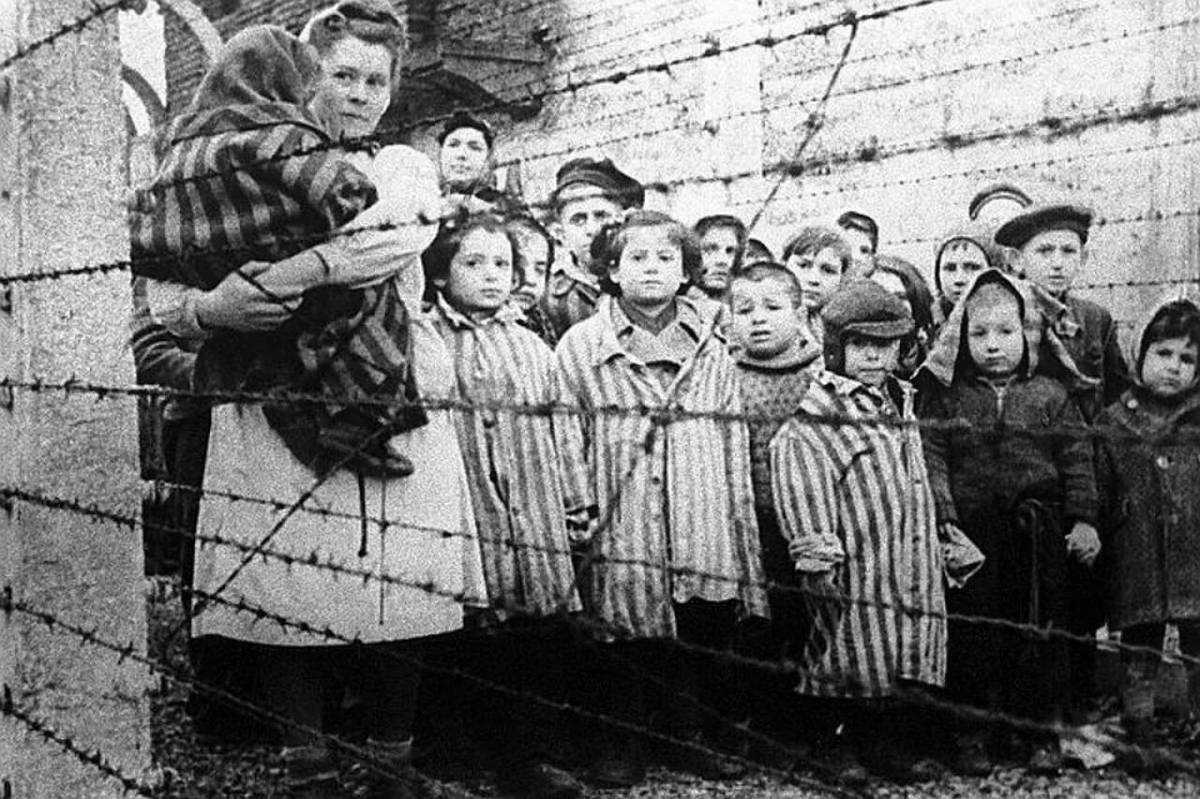
The Holocaust was one of the darkest periods in human history. It was the systematic persecution and extermination of millions of Jews, as well as other minority groups, by the Nazi regime during World War II. The largest and most notorious concentration camp during this time was Auschwitz, located in present-day Poland. Auschwitz has become a symbol of the Holocaust and the atrocities committed against innocent people.
During the Holocaust, millions of Jews were rounded up from their homes and transported to concentration camps like Auschwitz. Once they arrived, they were stripped of their identities, separated from their families, and subjected to horrific conditions. Many were forced into hard labor, while others were subjected to medical experiments, starvation, and brutal violence.
Auschwitz had several main sections, including the Auschwitz I main camp, the Auschwitz II-Birkenau extermination camp, and Auschwitz III-Monowitz. Birkenau was the largest section and the primary site of the extermination of Jews. Over a million people, mostly Jews, were murdered at Birkenau alone. The Nazis used gas chambers and mass shootings to carry out these killings.
Despite the horrors of Auschwitz and the Holocaust, it is important to remember and educate future generations about these events. By learning about the past and understanding the consequences of hatred and discrimination, we can strive to create a better and more inclusive future. The memory of the Holocaust serves as a reminder of the importance of human rights, tolerance, and peace.
Holocaust and Auschwitz Webquest Answer Key
In this webquest, we explored the Holocaust, one of the most horrific events in human history, and specifically looked at Auschwitz, one of the largest and deadliest concentration camps established by the Nazis during World War II. The webquest provided us with a series of questions and prompts to guide our research, and through our findings, we gained a deeper understanding of the Holocaust and the atrocities committed at Auschwitz.
One of the questions in the webquest asked about the purpose of Auschwitz. Auschwitz was originally built as a concentration camp in 1940 and later expanded into a complex of several camps. Its primary purpose was the systematic extermination of Jews, as well as the extermination of other targeted groups such as Romani people, Soviet prisoners of war, and political prisoners. The Nazis used Auschwitz as a center for their genocidal operations, implementing mass shootings, gas chambers, and crematoria to carry out the mass murder of millions of innocent people.
Key Findings:
- Auschwitz was responsible for the deaths of approximately 1.1 million people, the majority of whom were Jews.
- The camp was divided into three main sections: Auschwitz I, Auschwitz II (Birkenau), and Auschwitz III (Monowitz).
- Auschwitz was a place of intense suffering, where prisoners endured starvation, forced labor, medical experiments, and inhumane living conditions.
- The infamous Dr. Josef Mengele, also known as the “Angel of Death,” conducted medical experiments on prisoners, often resulting in the death or severe harm of his subjects.
- Auschwitz was liberated by Soviet forces in January 1945, but the horrors and trauma endured by the survivors can never be erased.
Through this webquest, we have gained a deeper understanding of the Holocaust and the atrocities committed at Auschwitz. It is crucial that we continue to educate ourselves and others about the Holocaust to ensure that such a horrific event is never repeated in history.
Understanding the Holocaust
The Holocaust was a state-sponsored genocide during World War II, where approximately six million Jews, along with millions of others, were systematically murdered by Adolf Hitler’s Nazi regime. It is important to understand the causes, impact, and lessons that can be learned from this tragic event in human history.
Causes of the Holocaust: The roots of the Holocaust can be traced back to the rise of Adolf Hitler and the Nazi Party in Germany. The Nazis propagated an ideology of extreme nationalism and anti-Semitism, blaming Jews for Germany’s economic and social problems. Hitler believed in the superiority of the Aryan race and sought to create a racially pure society. The economic instability and political unrest in Germany after World War I provided fertile ground for the Nazi Party to gain power.
The Holocaust in Auschwitz: Auschwitz was one of the most notorious concentration and extermination camps established by the Nazis during the Holocaust. It is estimated that more than one million people, primarily Jews, were killed at Auschwitz. The prisoners endured inhumane living conditions, forced labor, medical experiments, and mass executions in gas chambers. Auschwitz serves as a grim reminder of the horrors that took place during the Holocaust and stands as a symbol of the systematic dehumanization and extermination of millions of innocent lives.
Impact of the Holocaust:
- Loss of Human Lives: The Holocaust resulted in the murder of approximately six million Jews, along with millions of other victims, including Romani people, disabled individuals, Polish citizens, Soviet prisoners of war, and political opponents of the Nazis. The loss of human lives was staggering and had a profound impact on families, communities, and the world at large.
- Deep Psychological Wounds: The survivors of the Holocaust and their descendants have carried deep psychological scars from the atrocities they experienced or learned about from their families. The trauma of the Holocaust continues to impact individuals and communities to this day.
- Lessons Learned: The Holocaust serves as a reminder of the dangers of prejudice, discrimination, and hatred. It teaches us the importance of promoting tolerance, understanding, and respect for all individuals, regardless of their race, religion, or nationality. By studying and understanding the Holocaust, we can strive to prevent such atrocities from happening again in the future.
In conclusion, the Holocaust was a horrific event in human history that must be remembered and understood to prevent its recurrence. By examining the causes, impact, and lessons learned from the Holocaust, we can work towards creating a world where such atrocities are prevented, and all individuals are treated with dignity and respect.
The Significance of Auschwitz
Auschwitz, also known as Auschwitz-Birkenau, is arguably one of the most infamous concentration and extermination camps established by Nazi Germany during the Holocaust. It played a significant role in the systematic genocide of approximately six million Jews, along with other targeted groups such as the Romani people, Poles, and Soviet prisoners of war.
The significance of Auschwitz lies not only in its sheer scale and the number of lives lost within its walls but also in the horrifying methods of mass murder that were employed there. The camp was divided into three main sections: Auschwitz I, Auschwitz II-Birkenau, and Auschwitz III-Monowitz. Auschwitz II-Birkenau, located just a few kilometers away from Auschwitz I, is particularly significant as it was the main site for extermination operations. The gas chambers and crematoria at Birkenau were used to systematically murder millions of innocent men, women, and children in an industrialized and highly efficient manner.
Furthermore, Auschwitz serves as a chilling reminder of the depths of human cruelty and the potential for unchecked hatred and discrimination. The horrific acts committed within the camp represent the darkest chapter in human history, where millions of lives were extinguished simply because of their race, religion, or ethnicity. The existence of Auschwitz serves as a solemn reminder of the atrocities that can occur when prejudice and bigotry are allowed to dominate society.
Moreover, Auschwitz has become an enduring symbol of resistance and resilience. Despite the overwhelming odds and the unimaginable horrors they faced, many prisoners at Auschwitz displayed incredible acts of bravery and defiance. From organizing secret education and cultural activities to participating in acts of sabotage, the prisoners of Auschwitz demonstrated the indomitable spirit of the human soul even in the face of extreme adversity.
In conclusion, the significance of Auschwitz cannot be overstated. It stands as a powerful testament to the atrocities committed during the Holocaust, a reminder of the potential for human cruelty, and a symbol of resistance and resilience in the face of adversity. It serves as a somber memorial, urging future generations to never forget the horrors of the past and to strive for a world free from hatred, discrimination, and genocide.
Historical Background of the Holocaust
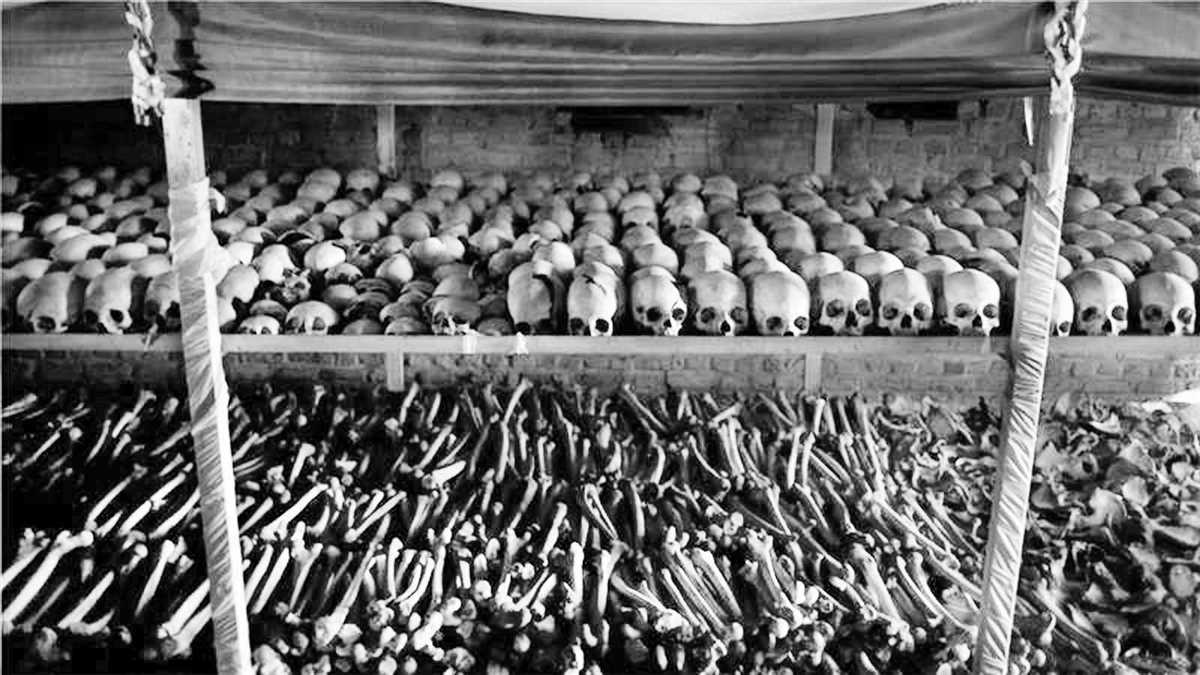
The Holocaust, also known as the Shoah, was a systematic genocide orchestrated by Nazi Germany during World War II. It resulted in the murder of approximately six million Jews, along with millions of other individuals, including Roma, people with disabilities, homosexuals, political dissidents, and Soviet prisoners of war. This atrocity was carried out with meticulous planning and execution, and remains one of the darkest chapters in human history.
The roots of the Holocaust can be traced back to the rise of Adolf Hitler and his National Socialist German Workers’ Party (Nazi Party) in the 1930s. Hitler’s extreme anti-Semitic ideology, fueled by propaganda and the belief in Aryan racial superiority, laid the foundation for the systematic persecution of Jews and other “undesirable” populations. The Nazis implemented a series of discriminatory laws that stripped Jews of their rights and livelihoods, isolating and marginalizing them from society.
The turning point came in 1941 with the invasion of the Soviet Union, when the Nazis began mass shootings and deportations of Jews to eastern European ghettos and concentration camps. However, it was not until the implementation of the Final Solution in 1942 that the systematic extermination of Jews in gas chambers became the primary method of annihilation.
One of the most infamous concentration camps associated with the Holocaust is Auschwitz, located in Nazi-occupied Poland. It initially served as a labor camp, but later expanded to include a death camp where over one million Jews were murdered, along with thousands of others. Auschwitz symbolizes the industrialized nature of the Holocaust, with its efficient killing machinery and extensive use of forced labor.
The Holocaust stands as a stark reminder of the dangers of hatred, prejudice, and indifference. It serves as a call to honor the memory of the millions who perished by understanding the historical context and the factors that allowed such a tragedy to occur, in order to prevent its repetition in the future.
Key Events During the Holocaust
The Holocaust, which took place during World War II, was a systematic genocide perpetrated by the Nazis against Jews and other minority groups. It is important to understand the key events that occurred during this dark period of history in order to remember and learn from the horrors that transpired.
1. Rise of the Nazis
The Nazi Party, led by Adolf Hitler, rose to power in Germany in the early 1930s. Hitler and his followers believed in a fanatical ideology that promoted Aryan supremacy and the elimination of perceived racial impurities. This ideology laid the groundwork for the persecution and eventual genocide of millions of innocent people.
2. Kristallnacht
On November 9, 1938, a night of violence and destruction known as Kristallnacht (Night of Broken Glass) occurred throughout Nazi Germany. Jewish homes, businesses, and synagogues were attacked and vandalized. This event marked a significant escalation in anti-Semitic violence and set the stage for the future persecution of Jews during the Holocaust.
3. The Ghettos
As the Nazi regime intensified its persecution of Jews, they were forcibly relocated to segregated areas known as ghettos. These ghettos were overcrowded and had atrocious living conditions. The establishment of ghettos was part of the Nazi plan to isolate and control the Jewish population before the implementation of mass deportations and extermination.
4. Final Solution and Extermination Camps
The Final Solution was the Nazi plan to systematically murder millions of Jews. As part of this plan, extermination camps, such as Auschwitz, were established. These camps were designed to efficiently kill large numbers of people using gas chambers and other brutal methods. Millions of innocent men, women, and children lost their lives in these camps as part of the Nazi’s genocidal efforts.
5. Liberation and Aftermath
The Holocaust finally came to an end with the liberation of concentration and extermination camps by Allied forces in 1945. The true extent of the atrocities committed became apparent, and the world was forced to confront the horrors of the Holocaust. The aftermath of the Holocaust involved the pursuit of justice through war crimes trials, the establishment of Israel as a Jewish homeland, and ongoing efforts to remember and commemorate the victims.
Auschwitz Concentration Camp
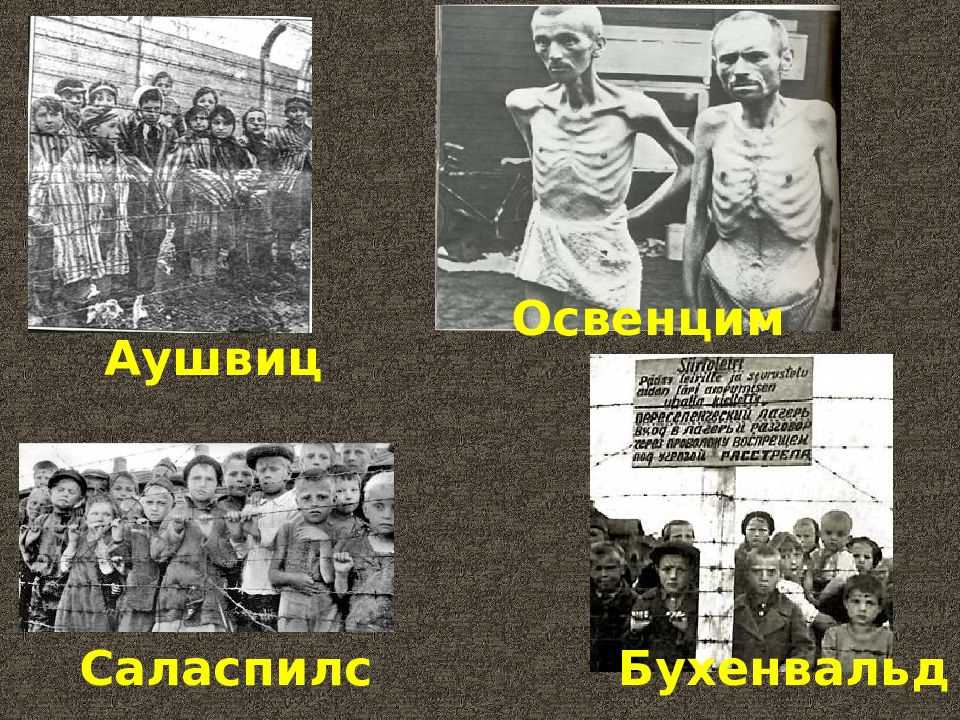
The Auschwitz Concentration Camp was a complex of Nazi German concentration camps and extermination camps during World War II. It was located in the outskirts of the town of Oswiecim in German-occupied Poland.
Auschwitz was one of the largest Nazi concentration camps, consisting of three main camps and numerous sub-camps. The most infamous part of Auschwitz was Auschwitz II-Birkenau, which was built to accommodate the mass extermination of Jews and other prisoners through gas chambers and crematoriums.
In total, it is estimated that around 1.1 million people, including approximately 1 million Jews, were murdered at Auschwitz. The camp was operated by the Third Reich’s Hauptamt SS-Gestapo, also known as the SS State Police, and was a key site of the Holocaust, a systematic genocide of approximately six million Jews by the Nazis.
An Inhumane Environment
Life in Auschwitz was characterized by extreme brutality, harsh living conditions, and forced labor. Prisoners faced overcrowded, unsanitary living quarters, insufficient food, and constant fear of selection for the gas chambers.
Medical experiments were also conducted on prisoners against their will. These experiments included testing the effects of various substances, diseases, and surgeries without anesthesia.
Resistance and Liberation
Despite the horrific conditions, there were instances of resistance within Auschwitz. Prisoners organized acts of sabotage, created clandestine education programs, and even attempted escapes. However, the vast majority of prisoners were unable to resist effectively due to the overwhelming power of the SS guards and the threat of death.
Auschwitz was liberated by Soviet forces on January 27, 1945. The camp serves as a haunting reminder of the atrocities committed during the Holocaust and stands as a symbol of the importance of remembrance and education to prevent such horrors from happening again.
Teaching Holocaust Awareness
The Holocaust is undoubtedly one of the darkest and most tragic events in human history. It is essential that we teach the Holocaust in our schools to ensure that future generations are aware of the horrors of this genocide and the importance of tolerance, empathy, and respect for all individuals.
Why teach the Holocaust?
By teaching the Holocaust, we can provide students with an understanding of the consequences of unchecked hatred and discrimination. It allows them to comprehend the devastating effects of prejudice, racism, and intolerance. Through studying this period, students can develop critical thinking skills, empathy, and a sense of responsibility towards creating a more inclusive world.
How to approach teaching the Holocaust?
When teaching the Holocaust, it is crucial to approach the subject matter with sensitivity and respect. Here are a few considerations:
- Age-appropriate content: Tailor the content to the students’ age and maturity level while ensuring that they understand the gravity of the Holocaust.
- Primary and secondary sources: Utilize a variety of primary and secondary sources, such as survivor testimonies, photographs, and historical documents, to provide a comprehensive understanding of the Holocaust.
- Interactive and engaging activities: Incorporate interactive activities, such as role-playing, discussions, and group projects, to encourage student participation and critical thinking.
- Holocaust memorial visits: Whenever possible, organize trips to Holocaust memorials or invite survivors to share their experiences firsthand.
The impact of teaching the Holocaust
Teaching the Holocaust not only raises awareness of the atrocities committed during this period but also instills important values in students. It promotes tolerance, empathy, and a commitment to fighting discrimination in any form. By learning about the Holocaust, students can become not only informed citizens but also active agents of change in their communities and beyond.
In conclusion, teaching the Holocaust is an essential aspect of education. It equips students with historical knowledge, critical thinking skills, and the empathy needed to create a more inclusive and tolerant society. By understanding the past, we can work towards a better future.