The 10 Must-Ask HR Business Partner Interview Questions (With Expert Answers)

As an HR Business Partner, it is your responsibility to bridge the gap between the human resources department and the rest of the organization. You act as a strategic partner and advisor to the management team, ensuring that HR policies and strategies align with the overall business goals. To excel in this role, it is essential to have a strong understanding of both HR principles and the company’s specific needs.
During the interview process for an HR Business Partner position, you can expect to be asked a range of questions. These questions will assess your knowledge and experience, as well as your ability to think strategically and contribute to the organization’s success. In this article, we will explore some common HR Business Partner interview questions and provide tips and sample answers to help you prepare.
One of the key questions that may come up in an HR Business Partner interview is your experience in developing and implementing HR policies. The interviewer wants to know how you have contributed to creating a positive work environment and ensuring compliance with employment laws. When answering this question, emphasize your ability to analyze the organization’s needs, communicate policy changes effectively, and ensure fair and consistent implementation. Provide specific examples of policies you have developed or improved in your previous roles, and the positive impact they had on the organization.
What is the role of an HR business partner?

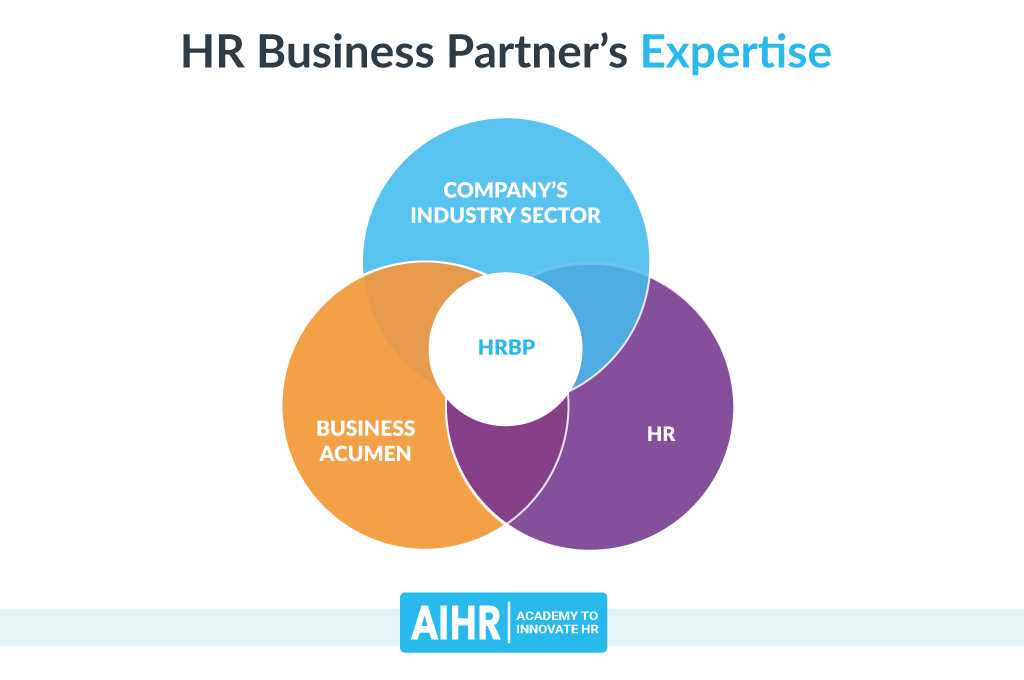
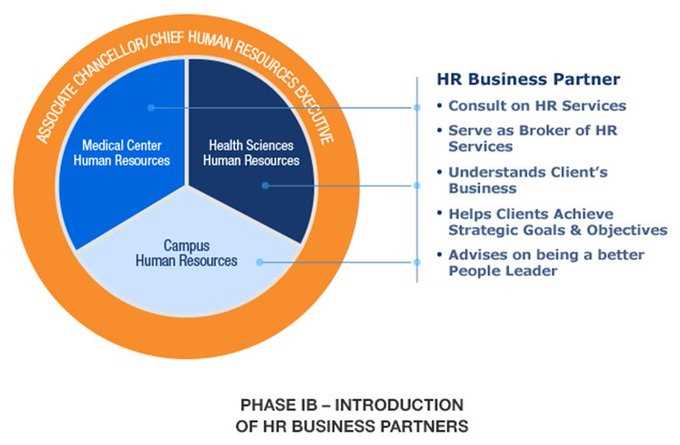
An HR business partner is a crucial role within an organization that combines HR expertise with business acumen. They work closely with senior leaders and managers to align HR strategies and initiatives with the overall business objectives. Their main focus is to provide strategic HR guidance and support, ensuring that the organization has the right talent, skills, and culture to achieve its goals.
In order to fulfill their role effectively, an HR business partner needs to have a deep understanding of the business and industry they operate in. They need to be able to analyze data and market trends to anticipate future HR needs and proactively develop strategies to address them. They also need to have strong interpersonal skills and the ability to build relationships and collaborate with stakeholders at all levels.
- Talent management: An HR business partner is responsible for ensuring that the organization has the right people in the right roles. They oversee the entire talent life cycle, from recruitment and onboarding to performance management and career development.
- Organizational development: HR business partners play a key role in shaping and supporting organizational change and development initiatives. They work closely with leaders to identify areas for improvement, design and implement strategies, and monitor the impact of change on employees and the business.
- Employee relations: HR business partners are responsible for maintaining positive employee relations and addressing any issues or conflicts that may arise. They act as a trusted advisor to both employees and managers, providing guidance and support in areas such as performance management, employee engagement, and employee benefits.
- HR analytics: An HR business partner uses data and analytics to monitor HR metrics and trends, identify areas of improvement, and make data-driven decisions. They may conduct surveys, analyze employee data, and create reports to support HR initiatives and demonstrate the value of HR to the business.
Overall, an HR business partner plays a critical role in driving organizational success by aligning HR strategies with business objectives and ensuring that the organization has the right talent and capabilities to thrive in a competitive market.
How do you align HR strategy with overall business goals?

Aligning HR strategy with overall business goals is essential for the success of any organization. As an HR business partner, it is important to understand the company’s objectives and develop HR initiatives and programs that support and align with those goals.
One way to align HR strategy with overall business goals is by conducting a thorough analysis of the organization’s current workforce and identifying the skills and competencies needed to achieve the desired business outcomes. This includes evaluating the gaps between the existing workforce and the desired future state and developing a plan to bridge those gaps.
Another important aspect of aligning HR strategy with overall business goals is ensuring that HR policies and procedures are designed to support the organization’s objectives. This involves reviewing and updating HR policies to ensure they are in line with current business practices and compliance requirements.
Furthermore, HR business partners should collaborate closely with senior leaders and department heads to understand their specific needs and requirements. By having an open line of communication and regularly meeting with key stakeholders, HR can better understand the business goals and identify opportunities to align HR initiatives and programs accordingly.
In addition, HR business partners should monitor and measure the impact of HR initiatives on overall business performance. This can be done through the use of key performance indicators (KPIs) and regular reporting. By tracking and analyzing data, HR can make informed decisions and adjust strategies as needed to ensure they are effectively supporting the organization’s goals.
In summary, aligning HR strategy with overall business goals involves conducting workforce analysis, updating policies and procedures, collaborating with key stakeholders, and monitoring the impact of HR initiatives. By aligning HR with the overall business strategy, organizations can maximize their human capital and drive success.
Can you give an example of a successful HR initiative you implemented?
As an HR business partner, one of the successful initiatives I implemented was the introduction of a mentoring program within the company. Recognizing the importance of employee development and growth, I worked closely with the leadership team to design and launch a structured mentoring program that paired experienced employees with those who were new or looking to enhance their skills in a particular area.
To ensure the success of the program, I created guidelines and criteria for both mentors and mentees, outlining their roles and responsibilities. I also designed a training session for mentors, equipping them with the necessary skills and knowledge to effectively support and guide their mentees. Additionally, I developed a feedback mechanism to continuously assess the progress and impact of the program, allowing for adjustments and improvements as needed.
The mentoring program proved to be highly successful in fostering employee development, knowledge sharing, and career advancement within the organization. It not only facilitated the transfer of valuable skills and expertise but also created a sense of belonging and support among employees. The program received positive feedback from participants, with mentees reporting significant growth in their skills and confidence, and mentors expressing satisfaction in being able to contribute to the development of their colleagues.
In conclusion, the implementation of the mentoring program was a successful HR initiative that positively impacted employee development and engagement within the company. It is a testament to the effectiveness of strategic HR initiatives in supporting the growth and success of both individuals and the organization as a whole.
How do you handle conflicts between employees or departments?

As an HR business partner, one of my primary roles is resolving conflicts between employees or departments to maintain a harmonious work environment. To address conflicts effectively, I follow a systematic approach:
- Identify the root cause: I start by gathering information from all parties involved to understand the underlying issues causing the conflict. This involves listening carefully to each person’s perspective and conducting interviews if necessary.
- Facilitate communication: Once I have a clear understanding of the conflict, I create a safe space for open communication between the parties. I encourage them to express their concerns, actively listen to each other, and ask clarifying questions to foster understanding.
- Mediate a resolution: As a neutral party, I work towards finding a mutually agreeable solution that meets the interests of all parties involved. This may involve brainstorming alternative solutions, facilitating compromises, or suggesting ways to address underlying issues.
- Develop a plan: After reaching a resolution, I help develop a plan of action to address the conflict and prevent similar issues in the future. This may include setting expectations, providing training, or implementing changes to policies or procedures.
- Follow-up: It is crucial to follow up with the individuals involved and monitor the situation to ensure the resolution is effective. I stay in touch with the employees or departments to address any lingering concerns and provide ongoing support if necessary.
By following this approach, I aim to facilitate constructive dialogue, promote understanding, and ultimately resolve conflicts in a way that fosters collaboration and a positive work environment.
What metrics do you track to measure the effectiveness of HR programs?

As an HR business partner, it is crucial to track and measure the effectiveness of HR programs to ensure their success and impact. Here are some key metrics that I would track:
- Employee Engagement: Measuring employee engagement through surveys and feedback mechanisms can provide insights into the effectiveness of HR programs. Higher engagement levels indicate that employees are satisfied with the initiatives implemented.
- Retention Rate: Monitoring the retention rate can help assess the effectiveness of HR programs in improving employee satisfaction and reducing turnover. A lower retention rate may indicate that the programs are not meeting the needs of employees.
- Time-to-Fill: Tracking the time it takes to fill open positions can indicate the efficiency of HR programs in recruiting and hiring new talent. If the time-to-fill metric is consistently high, it may signal the need for adjustments in recruitment strategies.
- Training and Development ROI: Analyzing the return on investment (ROI) of training and development programs can assess their effectiveness in upskilling employees and driving performance improvements. This can be measured by comparing the cost of training to the subsequent increase in productivity or revenue.
Evaluating these metrics on an ongoing basis allows HR business partners to gauge the impact of their programs and make data-driven decisions to enhance effectiveness.
Conclusion:

In conclusion, staying updated on HR trends and best practices is crucial for HR business partners to effectively navigate the ever-evolving HR landscape. By regularly engaging in continuous learning and professional development opportunities, HR professionals can ensure they remain knowledgeable about the latest industry trends, regulations, and strategies.
Some effective ways to stay updated on HR trends and best practices include:
- Attending conferences and workshops: Participating in industry-specific conferences and workshops can provide valuable insights and networking opportunities with other HR professionals.
- Joining professional associations and communities: Membership in HR-related associations and online communities can provide access to relevant resources, discussions, and forums where professionals can share knowledge and learn from each other.
- Subscribing to industry publications and newsletters: Keeping up with HR-focused publications, newsletters, and blogs can provide timely updates on emerging trends, best practices, and case studies.
- Engaging in online courses and webinars: Taking advantage of online courses and webinars can allow HR professionals to gain new skills and knowledge from industry experts without the need for travel.
- Networking with other HR professionals: Connecting with other HR professionals through social media platforms, professional events, and mentorship programs can provide opportunities to exchange ideas and learn from each other’s experiences.
By proactively investing in their professional development and staying updated on HR trends and best practices, HR business partners can position themselves as strategic partners within their organizations, driving positive change and contributing to the overall success of their company.