Unlocking Clues: A Detective’s Perspective on Analyzing a Crime Scene

Imagine stepping into a dimly-lit room, the eerie silence broken only by the faint sound of your footsteps. As a detective, it is your duty to piece together the fragments of evidence left behind and decipher the truth hidden within the chaos. Crime scene investigation requires a keen eye for detail, sharp deductive skills, and an insatiable thirst for justice. In this article, we will delve into the mind of a detective as they examine a crime scene, highlighting the challenges they face and the techniques they employ to crack the case.
As you survey the area, your senses are heightened. Your trained eyes scan the room, taking in the scene before you like a puzzle waiting to be solved. Every detail matters – the position of a chair, the smudge on the window, the faint smell of gasoline. Each clue holds a key to unlocking the truth and bringing the perpetrator to justice. The room becomes a collage of evidence, and it is your job to decipher the hidden story within.
With gloved hands, you carefully collect samples, meticulously documenting each step of the process. DNA, fingerprints, fibers – all potential links to the person responsible for the crime. The evidence must be handled with utmost care, as a single misstep could compromise both the investigation and the pursuit of justice. A detective must exercise caution and precision in their work, navigating the delicate balance between preserving evidence and chasing leads.
Assessing the Crime Scene
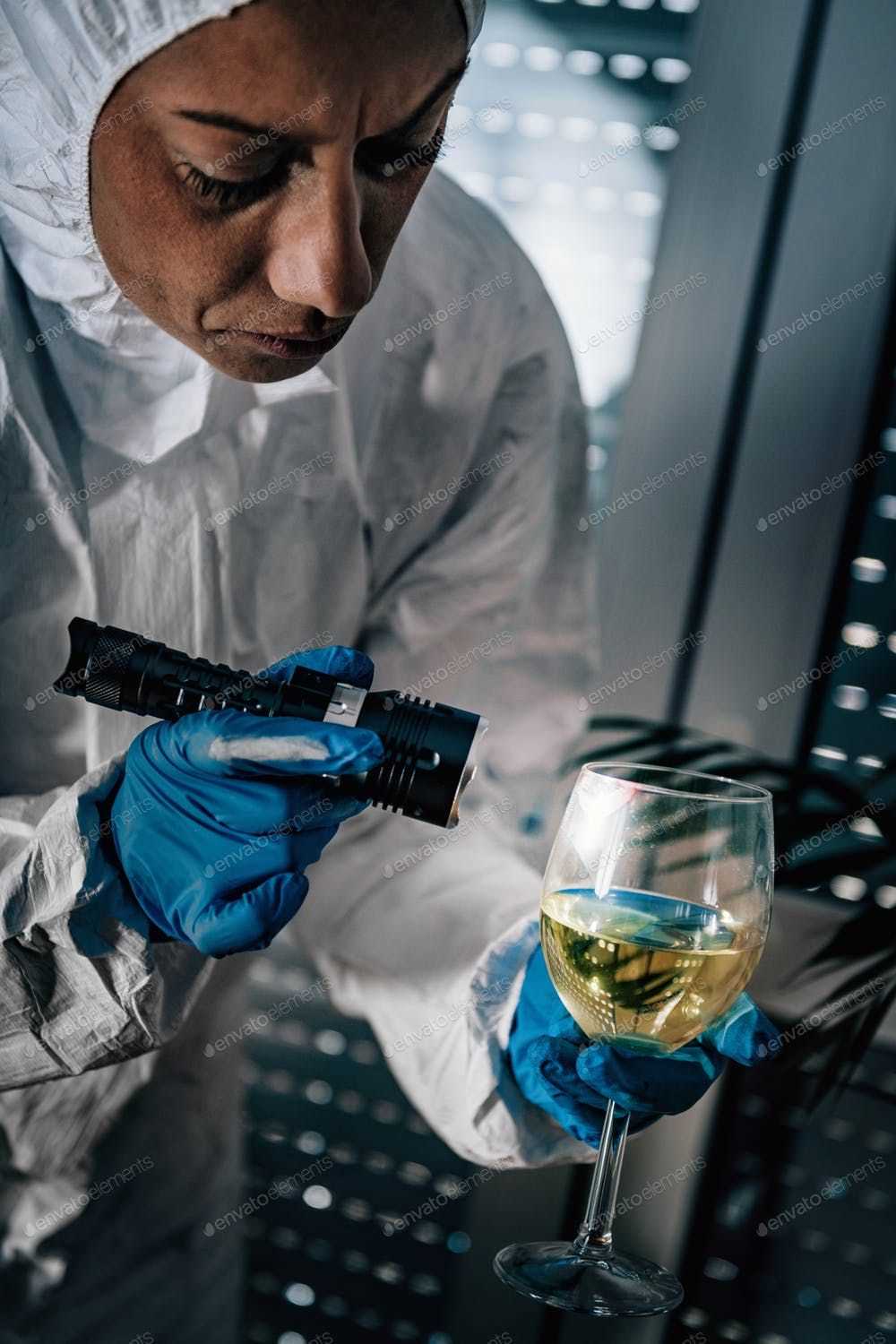
As a detective examining a crime scene, the first crucial step is to assess the area thoroughly. This involves carefully observing and documenting the surroundings, noting any potential evidence or clues that may aid in solving the crime. To ensure a systematic approach, it is essential to divide the crime scene into specific zones and thoroughly search each one.
The exterior zone: This zone includes the area outside the immediate crime scene perimeter. It is crucial to document any signs of forced entry, such as broken windows or doors. Additionally, footprints or tire tracks leading to or from the scene should be examined and photographed. Any potential witnesses or neighbors should also be interviewed for possible information regarding the incident.
The entrance zone: Once inside the crime scene, attention should be given to the entrance itself. Any signs of forced entry, such as damaged locks or broken hinges, should be carefully documented. Fingerprints or DNA samples may be collected from these areas, as they could provide vital clues about the perpetrator.
Tip: It is essential to be thorough but cautious during the assessment process. Each use of evidence collection techniques should follow proper protocol to avoid contamination or destruction of potential evidence. Always wear appropriate gloves and use sterile tools when handling any items.
- In the next step, we’ll move on to the main zone of the crime scene, where the actual crime occurred.
- After that, we’ll inspect any adjacent zones that may contain evidence related to the crime.
- Finally, we’ll conduct a meticulous search for any hidden or overlooked areas that may hold crucial pieces of evidence.
Gathering Physical Evidence

As a detective examining a crime scene, gathering physical evidence is crucial to solving the case. Physical evidence can provide valuable clues and help establish a timeline of events. It is important to approach the collection of physical evidence with meticulousness and attention to detail.
Searching for Trace Evidence: One of the first steps in gathering physical evidence is searching for trace evidence. This includes objects or materials that may have been left behind by the perpetrator or victims. It can range from fingerprints and footprints to hair, fibers, and DNA samples. These small pieces of evidence can often reveal crucial information about the individuals involved.
- Collecting Fingerprints: Fingerprints are one of the most common types of physical evidence found at a crime scene. They can be collected using fingerprint dusting powder and lifting tape. By carefully collecting and preserving fingerprints, detectives can potentially match them to a suspect or eliminate innocent individuals from the investigation.
- Preserving Bloodstains: Bloodstains can provide valuable information about the nature of the crime and the individuals involved. Detectives use specialized techniques to collect and preserve bloodstains, such as swabbing the stains with sterile cotton swabs or using absorbent paper. Blood samples can then be analyzed for DNA, which can help identify potential suspects.
- Documenting and Photographing: Documenting and photographing the crime scene is essential to preserve physical evidence. This includes taking detailed notes about the location of evidence, measurements, and any other relevant information. Photographs should be taken from various angles and distances to accurately capture the scene and any potential evidence.
Packaging and Transporting: Once physical evidence has been collected and documented, it needs to be properly packaged and transported to the forensic laboratory for analysis. Each piece of evidence should be placed in a separate, labeled container to prevent cross-contamination. It is important to use appropriate packaging materials, such as paper bags for items with moisture and breathable containers for items that may contain biological material.
Overall, gathering physical evidence is a meticulous process that requires attention to detail and adherence to proper protocols. By carefully collecting, preserving, and analyzing physical evidence, detectives can uncover crucial information that may help solve the case.
Interviewing Witnesses
As a detective examining a crime scene, one of the crucial tasks is to gather information from witnesses who may have observed the incident. Interviewing witnesses is a significant part of the investigation process, as their testimonies can provide valuable insights and help piece together the sequence of events. It is essential to approach witness interviews with professionalism, empathy, and attention to detail, ensuring that all relevant information is obtained.
1. Establishing Rapport: During witness interviews, it is essential to establish a rapport with the individuals in order to create a comfortable and trusting environment. By showing empathy and actively listening to their statements, witnesses may feel more inclined to provide accurate and detailed information. Building rapport also involves respecting their privacy and cultural differences to ensure cooperation.
2. Asking Open-Ended Questions: When conducting witness interviews, it is crucial to ask open-ended questions to encourage witnesses to provide detailed responses. Instead of asking leading questions that may unintentionally influence their answers, it is better to ask questions like “Can you describe what you saw?” or “Tell me everything you remember about the incident.” Such questions allow witnesses to provide their own recollections without any bias.
- 3. Taking Notes: Throughout the witness interview, it is vital for the detective to take detailed notes. These notes should include the witness’s contact information, their exact statements, and any additional details about their observations. By documenting the information accurately, detectives can refer back to it during the investigation and cross-reference it with other testimonies.
- 4. Evaluating Credibility: While interviewing witnesses, detectives must assess the credibility of their statements. This involves paying attention to their demeanour, body language, and consistency in their stories. Detectives may also need to corroborate their testimonies with other evidence at the crime scene or through further investigation.
- 5. Following up: After conducting witness interviews, it is crucial for detectives to follow up with witnesses as needed. This may involve clarifying information, obtaining additional details, or requesting their presence for further questioning or court proceedings. Regular communication with witnesses helps maintain their cooperation and ensures that all necessary information is obtained.
In conclusion, interviewing witnesses is an integral part of examining a crime scene. By establishing rapport, asking open-ended questions, taking detailed notes, evaluating credibility, and following up, detectives can gather crucial information that contributes to solving the case.
Analyzing Clues and Deductive Reasoning
As a detective examining a crime scene, one of the most important skills is the ability to analyze clues and use deductive reasoning to piece together the puzzle. Every crime scene presents a multitude of clues, each potentially playing a crucial role in solving the case. This requires a meticulous approach, carefully examining each clue and considering its significance.
Physical evidence is often the most valuable clue in a crime scene investigation. This can include fingerprints, footprints, DNA samples, or any trace left behind by the perpetrator. Analyzing physical evidence requires attention to detail and expertise in forensic science. In order to accurately interpret the evidence, a detective must carefully collect and preserve it, ensuring that it is not contaminated or destroyed.
Witness testimony is another important aspect of analyzing clues. Interviewing witnesses and gathering their accounts of what they saw or heard can provide valuable insights into the crime. However, it is essential to evaluate the credibility of the witnesses and cross-reference their testimonies with other evidence. Discrepancies or inconsistencies in their stories may indicate potential falsehoods or omitted details.
- Another crucial aspect of analyzing clues is crime scene reconstruction. This involves using the available evidence to recreate the events that took place during the crime. By examining the placement of objects, bloodstain patterns, or any other physical evidence, a detective can develop a more accurate understanding of how the crime unfolded.
- Motive and opportunity also play a significant role in analyzing clues and deductive reasoning. Identifying potential suspects and understanding their motives can provide valuable insights into their involvement in the crime. Additionally, determining whether they had the opportunity to commit the crime is essential for building a strong case.
- Finally, cooperation with experts from different fields, such as forensic scientists or pathologists, is crucial in analyzing and interpreting complex clues. Their expertise can provide valuable insights and help uncover hidden details that may have been overlooked.
In conclusion, analyzing clues and using deductive reasoning is a fundamental aspect of being a successful detective. By carefully examining physical evidence, evaluating witness testimony, reconstructing the crime scene, and considering motive and opportunity, a detective can make sense of the clues and ultimately solve the case.
Building a Case and Identifying the Culprit
After thoroughly examining the crime scene, collecting evidence, and interviewing witnesses, the detective begins the process of building a case and identifying the culprit. This is a crucial step in bringing justice to the victim and ensuring that the responsible party is held accountable for their actions.
Evaluating the Evidence: The detective carefully reviews all the evidence collected from the crime scene. This includes fingerprints, DNA samples, footprints, and any other physical evidence that may provide clues about the identity of the perpetrator. Each piece of evidence is meticulously analyzed, compared with existing records, and evaluated for its relevance to the case.
Interviewing Suspects: Based on the evidence gathered, the detective identifies potential suspects and conducts interviews. This is a critical aspect of the investigation, as it allows the detective to gather more information about the individuals involved and their possible motives. During these interviews, the detective looks for inconsistencies in alibis, behavior, or statements that may help identify the culprit.
Building a Timeline: The detective creates a timeline of events leading up to and following the crime. This helps establish the sequence of events, identify any patterns or connections, and provides a clearer picture of the circumstances surrounding the crime. By reconstructing the timeline, the detective can narrow down the list of potential suspects and focus on those who had the means and opportunity to commit the crime.
Analyzing Patterns and Motives: To uncover the identity of the culprit, the detective looks for patterns and motives that may link the crime to a specific individual. This involves exploring any personal or professional relationships that could have influenced the crime, investigating prior criminal records or history, and identifying any potential hidden agendas or conflicts that may have played a role.
Conclusively Identifying the Culprit: Through a combination of evidence evaluation, suspect interviews, timeline analysis, and motive exploration, the detective eventually reaches a point where they can conclusively identify the culprit. This identification is backed by solid evidence, witness statements, and a clear understanding of the circumstances surrounding the crime.
Conclusion: Building a case and identifying the culprit is a complex process that requires meticulous attention to detail, logical reasoning, and a deep understanding of human behavior. It is the culmination of the detective’s efforts to bring justice to the victim and provide closure to the case. By following a systematic approach and utilizing all available resources, the detective is able to bring the responsible party to justice and ensure that the truth prevails.