Mastering the Foundations: A Comprehensive Study Guide for Intro to Psychology Exam 1

If you are currently studying for your first exam in an Intro to Psychology course, you have come to the right place. This study guide will provide you with a comprehensive overview of the key concepts and topics that you should focus on in your preparation. Psychology is the scientific study of the human mind and behavior, and this introductory course will cover a wide range of fascinating subjects.
One of the fundamental concepts in psychology is the nature vs. nurture debate, which explores the extent to which genetics and environmental factors shape human behavior. Understanding this debate will help you grasp the different perspectives within the field and the ongoing discussion about how nature and nurture interact.
Another important topic you will encounter on your exam is the history of psychology. Familiarizing yourself with influential figures such as Sigmund Freud, B.F. Skinner, and Carl Rogers will provide you with a foundation for understanding the development of psychological theories and perspectives throughout history.
Furthermore, this study guide will delve into various branches of psychology, such as cognitive psychology, behavioral psychology, and social psychology. Exploring these branches will allow you to gain insight into the different ways psychologists approach and analyze human behavior and mental processes.
What to Know for Your Intro to Psychology Exam 1
Preparing for your introductory psychology exam can feel overwhelming, but with the right study strategies, you can feel confident on test day. Here are some key concepts and topics you should know for your exam:
- Introduction to Psychology: Understand the basic definition and goals of psychology, including the study of behavior and mental processes.
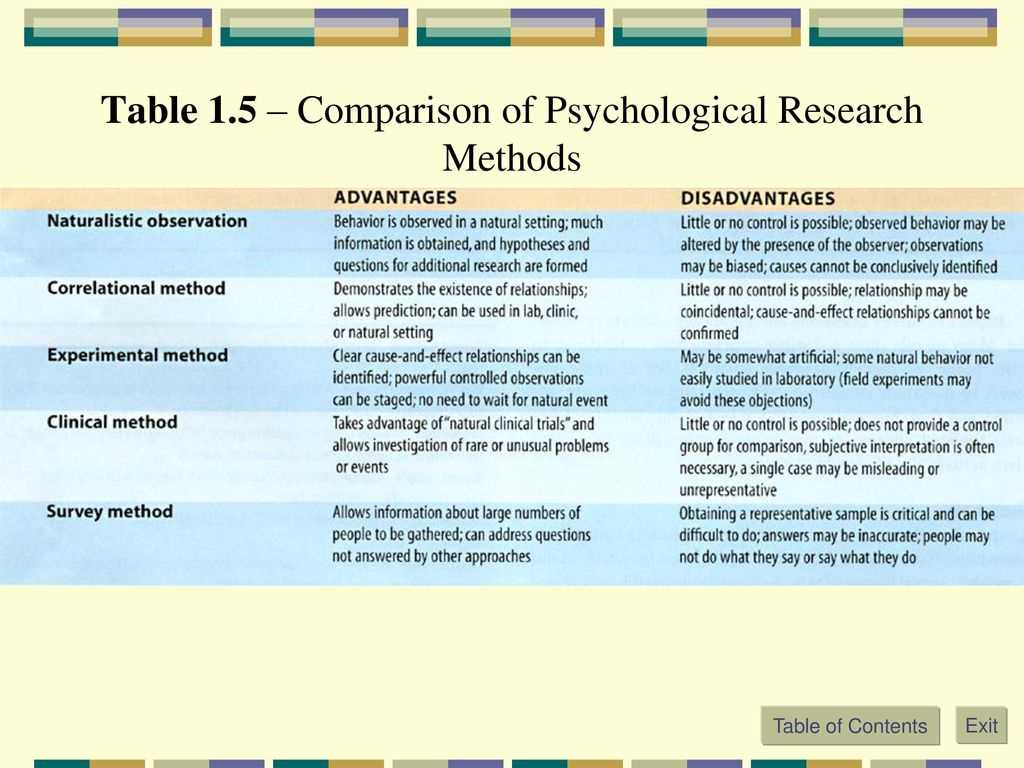
- Research Methods: Familiarize yourself with different research methods used in psychology, such as experiments, surveys, and case studies. Know the advantages and disadvantages of each method.
- Biological Basis of Behavior: Learn about the structure and functions of the nervous system, including neurons and neurotransmitters. Understand how the brain and other biological factors influence behavior.
- Sensation and Perception: Gain an understanding of how we perceive the world through our senses. Know the difference between sensation and perception and learn about processes like vision, hearing, and touch.
- States of Consciousness: Explore different states of consciousness, such as sleep, dreams, and altered states. Learn about the stages of sleep and the effects of sleep deprivation.
- Learning and Memory: Understand the basics of classical and operant conditioning, as well as different types of memory. Familiarize yourself with concepts like encoding, storage, and retrieval.
- Cognitive Processes: Study cognitive processes like thinking, problem-solving, and decision making. Learn about cognitive biases and the role of language and intelligence in cognition.
- Developmental Psychology: Learn about the processes of human development from infancy to adulthood. Understand concepts like nature vs. nurture, attachment, and cognitive development.
- Personality: Study different theories of personality, including psychodynamic, humanistic, and trait perspectives. Familiarize yourself with key concepts like self-esteem and defense mechanisms.
- Psychological Disorders: Understand common psychological disorders, such as anxiety disorders, mood disorders, and schizophrenia. Learn about symptoms, causes, and treatment options.
These are just some of the important topics you should be familiar with for your intro to psychology exam. Remember to review your class notes, textbook readings, and any additional study materials provided by your professor. Good luck!
Understanding Psychology Basics
Psychology is the scientific study of the mind and behavior. It seeks to understand how individuals perceive and interpret the world around them, as well as how they behave and interact with others. By studying psychology, we can gain insight into the underlying processes that drive human behavior, thoughts, and emotions.
One of the key areas of focus in psychology is understanding the basic processes of the mind. This includes topics such as sensation and perception, cognition, and learning. Sensation and perception involve how we receive and interpret information from our environment, while cognition refers to the mental processes involved in thinking, reasoning, and problem-solving. Learning, on the other hand, explores how our experiences shape our behavior and knowledge.
Additionally, psychology examines the various factors that influence human behavior. These factors can include genetic and biological influences, as well as the impact of the social environment and culture. By understanding these influences, psychologists can better understand why individuals behave the way they do and develop interventions and treatments to address behavioral and mental health issues.
Psychology also explores the different ways in which individuals differ from one another. This can include variations in personality, intelligence, and mental health. Through studying these individual differences, psychologists can develop a better understanding of the full range of human behavior and identify strategies to help individuals thrive.
Overall, understanding the basics of psychology can provide valuable insights into the complexities of the mind and behavior. It allows us to explore the fundamental processes underlying human cognition, perception, and behavior, as well as the factors that shape individual differences. By applying this knowledge, we can make informed decisions, develop meaningful relationships, and lead happier, more fulfilling lives.
The History of Psychology
Psychology is the scientific study of behavior and mental processes. It is a relatively new field of study that has grown and evolved over the past centuries. In order to understand the current state of psychology, it is important to examine its history and the key figures who have contributed to its development.
One of the earliest figures in the history of psychology was Wilhelm Wundt, who is often referred to as the father of psychology. In the late 19th century, Wundt established the first experimental psychology laboratory in Leipzig, Germany. He believed that psychology should be studied as a science and focused on understanding conscious experience through introspection. Wundt’s work laid the foundation for the emergence of psychology as a distinct field of study.
The field of psychology continued to develop with the work of other influential figures, such as Sigmund Freud and B.F. Skinner. Freud, known for his psychoanalytic theory, believed that unconscious conflicts and desires played a significant role in shaping human behavior. Skinner, on the other hand, focused on the role of environmental factors in determining behavior and introduced the concept of operant conditioning.
As psychology progressed, different schools of thought emerged, each with its own approach and emphasis. For example, the behaviorist school of thought, led by Skinner, focused on observable behavior and rejected the study of mental processes. In contrast, the cognitive school of thought, led by figures like Jean Piaget and Ulric Neisser, emphasized the study of mental processes, such as thinking and memory.
Today, psychology is a multifaceted field with various subfields and areas of specialization. It encompasses the study of topics such as abnormal behavior, cognition, emotions, social interactions, and development. Psychologists use a range of research methods, including experiments, surveys, and observations, to gain insight into human behavior and help individuals improve their mental health and well-being.
Key Theories and Approaches in Psychology
In the field of psychology, there are several key theories and approaches that have been developed to understand the human mind and behavior. These theories and approaches provide insight into different aspects of psychological processes and help psychologists in their research and practice.
1. Psychoanalysis: Developed by Sigmund Freud, psychoanalysis focuses on the unconscious mind and its influence on behavior. According to this theory, our thoughts, emotions, and behaviors are determined by unconscious desires and conflicts. Psychoanalysis uses techniques such as dream analysis, free association, and transference to explore the unconscious and bring repressed thoughts and emotions into conscious awareness.
2. Behaviorism: Behaviorism, pioneered by B.F. Skinner and John B. Watson, emphasizes the role of observable behavior in understanding and predicting human actions. According to this approach, behavior is learned through conditioning, where environmental stimuli shape and reinforce particular responses. Behaviorists believe that behavior can be studied objectively and that human actions can be controlled and manipulated through rewards and punishments.
3. Cognitive Psychology: Cognitive psychology examines mental processes such as perception, memory, and problem-solving. It focuses on how individuals acquire, process, and use information, and how these processes influence thinking and behavior. Cognitive psychologists use experimental methods to study mental processes and develop theories about cognition, including areas such as attention, language, and decision-making.
4. Humanistic Psychology: Humanistic psychology emphasizes the role of personal growth, self-actualization, and subjective experience in understanding human behavior. This approach, developed by Carl Rogers and Abraham Maslow, emphasizes the importance of individual choice, personal responsibility, and the need for positive human qualities such as empathy and self-esteem. Humanistic psychologists aim to help individuals fulfill their potential and experience personal growth.
5. Sociocultural Perspective: The sociocultural perspective focuses on the influence of cultural, social, and historical factors on human behavior. This approach recognizes that individuals are shaped by their social environment and cultural norms. It examines how cultural beliefs, values, and practices influence cognition, emotion, and behavior. Sociocultural psychologists study topics such as socialization, social influence, and cultural differences in psychological processes.
6. Biological Perspective: The biological perspective investigates the relationship between biological processes and psychological phenomena. It explores how the brain, genetics, and physiological systems contribute to behavior, thoughts, and emotions. This approach encompasses areas such as neuroscience, genetics, and psychopharmacology to understand the biological basis of mental processes and disorders.
These key theories and approaches provide psychologists with different lenses through which to study and understand human behavior, thoughts, and emotions. Each approach offers unique insights and perspectives, contributing to the diverse field of psychology and enriching our understanding of the human mind.
Research Methods in Psychology
Research methods in psychology involve a systematic approach to gathering and analyzing data to better understand human behavior and mental processes. These methods help psychologists make evidence-based conclusions and develop theories about why people think, feel, and behave the way they do. There are several common research methods used in psychology, including experimental, correlational, and observational studies.
An experimental study involves manipulating one or more variables to observe their effect on another variable. This method allows researchers to establish cause-and-effect relationships and determine the impact of specific interventions or treatments. In an experimental study, participants are randomly assigned to different groups, with one group receiving the manipulation and the other serving as a control group. The researcher then measures and compares the outcomes of the two groups.
A correlational study examines the relationship between two or more variables without manipulating them. This method is used to determine whether there is a statistical association between variables, but it does not establish causation. Correlational studies often involve collecting data through surveys or questionnaires and analyzing it using statistical techniques to identify patterns and relationships.
Observational studies involve observing and recording behavior in its natural setting without any intervention or manipulation. This method allows researchers to study behavior in real-life situations and can provide valuable insights into how people behave in natural environments. Observational studies can be conducted through direct observation or by using video or audio recordings to capture behavior.
In addition to these methods, psychologists may also use qualitative research methods, such as interviews or focus groups, to gain a deeper understanding of subjective experiences and perspectives. They may also use archival research, which involves analyzing existing data, such as historical documents or medical records, to study behavior and mental processes.
Overall, the choice of research method in psychology depends on the research question and the nature of the phenomenon being studied. By using a combination of different methods, psychologists can gain a comprehensive understanding of human behavior and mental processes.
Memory and Learning
In the field of psychology, memory and learning are closely related processes that help individuals acquire, store, and retrieve information. Memory can be defined as the ability to encode, store, and retrieve past experiences and knowledge. It is an essential cognitive function that plays a crucial role in our day-to-day lives. Learning, on the other hand, refers to the process of acquiring new information or skills through experience, instruction, or study.
There are different types of memory that play distinct roles in the learning process:
- Short-term memory (STM): Also known as working memory, STM is responsible for temporarily holding and manipulating information. It has limited capacity and duration, typically ranging from a few seconds to a minute. STM is crucial for tasks such as problem-solving, decision-making, and comprehension.
- Long-term memory (LTM): LTM is the storage system for information that is encoded and retained over a prolonged period. It has a relatively unlimited capacity and can store vast amounts of information indefinitely. LTM is further divided into explicit (conscious) and implicit (unconscious) memory.
- Explicit memory: Also known as declarative memory, explicit memory involves conscious recollection and can be further divided into episodic and semantic memory. Episodic memory pertains to memories of specific events and experiences, while semantic memory relates to general knowledge and facts.
- Implicit memory: Implicit memory refers to non-conscious memory that influences behavior without deliberate effort. This includes procedural memory, which refers to the recall of learned skills and procedures, and priming, which is the activation of previous experiences to influence subsequent behavior and perception.
Learning involves processes such as attention, encoding, consolidation, and retrieval, all of which contribute to the formation and storage of memories. Attention is the process of selectively focusing on certain stimuli, encoding is the process of transforming information into a mental representation that can be stored, consolidation is the process of stabilizing and strengthening the encoded information, and retrieval is the process of accessing and utilizing stored information when needed.
Understanding memory and learning is essential in various fields, including education, therapy, and neuroscience. By studying these processes, psychologists can develop strategies to enhance memory and learning, improve educational practices, and understand the underlying mechanisms of memory-related disorders.
Mental Health and Psychological Disorders
Mental health refers to a person’s emotional, psychological, and social well-being. It affects how people think, feel, and act. Good mental health allows individuals to cope with the normal stresses of life, work productively, and contribute to their community. On the other hand, psychological disorders are conditions characterized by abnormal thoughts, feelings, and behaviors that cause distress and interfere with daily functioning.
Types of Psychological Disorders:
- Depressive disorders, such as major depressive disorder and dysthymia, involve persistent feelings of sadness, hopelessness, and loss of interest in activities.
- Anxiety disorders, such as generalized anxiety disorder, panic disorder, and social anxiety disorder, are characterized by excessive worrying, fear, and panic attacks.
- Schizophrenia is a severe mental disorder that affects a person’s ability to think, feel, and behave clearly. It may include delusions, hallucinations, and disorganized speech.
- Eating disorders, such as anorexia nervosa and bulimia nervosa, involve abnormal eating habits and body image issues.
- Substance use disorders occur when a person develops a dependence on alcohol or drugs, leading to negative consequences on their physical and mental health.
Treatment and Support for Mental Health:
There are various treatments available for individuals with mental health problems and psychological disorders. These include therapy, medication, self-help strategies, and support from friends, family, and mental health professionals. It is essential to seek help and support to improve mental well-being and address any underlying issues that may contribute to psychological distress.
Conclusion:
Mental health and psychological disorders are crucial aspects of human well-being. Understanding these conditions helps us identify and support individuals who may be struggling with mental health issues. By destigmatizing mental health problems, providing access to appropriate care, and promoting overall well-being, society can strive towards a more mentally healthy population.