Unraveling the Mystery: The Process of Ionization in Atoms Explained

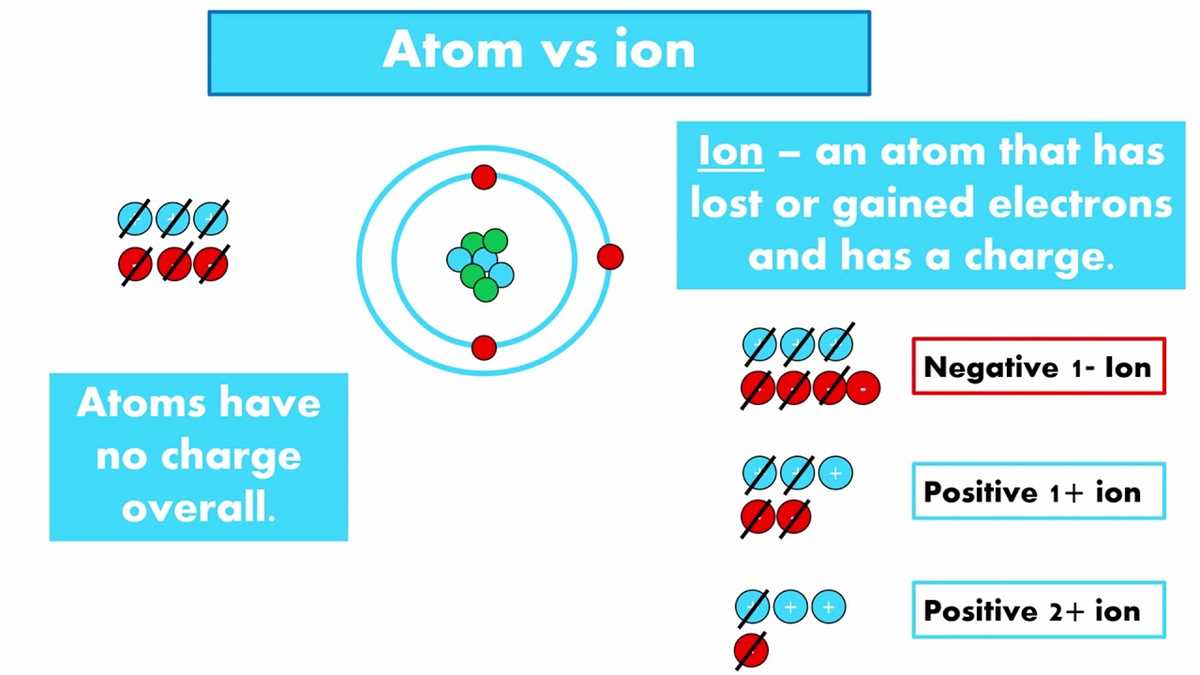
Ions are atoms or molecules that have gained or lost electrons, resulting in a positive or negative charge. This process, known as ionization, is essential in many chemical reactions and plays a crucial role in various fields, such as physics, chemistry, and biology.
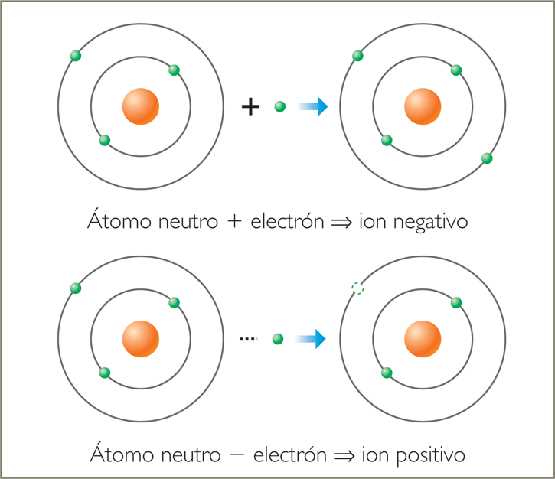
So how are ions made from neutral atoms? There are several ways in which neutral atoms can become ions. One common method is through the process of electron transfer. In electron transfer, an atom can gain or lose electrons to achieve a stable electron configuration and become an ion. For example, if an atom loses one or more electrons, it becomes a positively charged ion, or cation. Conversely, if an atom gains one or more electrons, it becomes a negatively charged ion, or anion.
Another way in which ions can be formed is through the process of ionization by radiation. This occurs when an atom or molecule is exposed to high-energy radiation, such as X-rays or ultraviolet light. The energy from the radiation can remove one or more electrons from the atom or molecule, creating ions. This method of ionization is commonly used in analytical techniques, such as mass spectrometry, to identify and quantify different substances.
In some cases, ions can also be formed through chemical reactions. For example, when a metal reacts with a non-metal, such as sodium reacting with chlorine to form table salt (sodium chloride), the metal atom loses an electron to become a cation, while the non-metal atom gains an electron to become an anion. This process, known as ionic bonding, results in the formation of a compound composed of positively and negatively charged ions.
In conclusion, ions are formed from neutral atoms through processes such as electron transfer, ionization by radiation, and chemical reactions. Understanding how ions are made and their properties is crucial for a wide range of scientific disciplines and practical applications.
What are ions and how are they formed?
Ions are electrically charged particles that are formed by gaining or losing electrons. Atoms are normally neutral, meaning they have an equal number of protons and electrons. However, under certain conditions, atoms can gain or lose electrons, resulting in the formation of ions.
There are two types of ions: cations and anions. Cations are positively charged ions that are formed when an atom loses one or more electrons. Anions, on the other hand, are negatively charged ions that are formed when an atom gains one or more electrons.
Ions are formed through various processes, including ionization, which involves the removal or addition of an electron to an atom or molecule. This can occur through chemical reactions, such as when atoms of different elements combine to form compounds. In these reactions, atoms may transfer or share electrons, resulting in the formation of ions.
Ions play important roles in many chemical and biological processes. They are involved in the conduction of electricity in solutions, the formation of salts, and the transmission of nerve impulses in the human body, among other functions. Understanding how ions are formed and their properties is essential in many fields, including chemistry, physics, and biology.
Understanding the basics of ions

Ions are electrically charged particles that are formed when neutral atoms gain or lose electrons. This process of gaining or losing electrons allows atoms to achieve a stable electron configuration, which is typically the electron configuration of a noble gas. By gaining or losing electrons, atoms can either acquire a positive charge, known as a cation, or a negative charge, known as an anion.
When atoms lose electrons, they become positively charged cations. This happens because the number of protons in the nucleus remains the same while the number of electrons decreases. For example, if a sodium atom with 11 protons and 11 electrons loses one electron, it becomes a sodium ion with a charge of +1, as it now has 11 protons and 10 electrons.
Similarly, when atoms gain electrons, they become negatively charged anions. This occurs because the number of protons in the nucleus remains the same while the number of electrons increases. For instance, if a chlorine atom with 17 protons and 17 electrons gains one electron, it becomes a chloride ion with a charge of -1, as it now has 17 protons and 18 electrons.
In summary, ions are created when neutral atoms gain or lose electrons to achieve a stable electron configuration. These charged particles can either have a positive charge, called cations, or a negative charge, called anions. Understanding the basics of ions is essential in various fields, such as chemistry, physics, and biology, as ions play crucial roles in chemical reactions, electrical conductivity, and biological processes.
How do neutral atoms become ions?

Neutral atoms can become ions through the process of gaining or losing electrons. An ion is an atom or a molecule that has gained or lost one or more electrons, resulting in an electric charge. This charge can be positive or negative, depending on whether the atom has gained or lost electrons.
When a neutral atom gains electrons, it becomes negatively charged and forms a negative ion, or an anion. This happens when the atom has a higher affinity for electrons than its surroundings, causing it to attract and accept electrons from other atoms or molecules. The extra electrons give the atom a negative charge, and it becomes an anion.
Conversely, when a neutral atom loses electrons, it becomes positively charged and forms a positive ion, or a cation. This occurs when the atom has a lower affinity for electrons and loses them to other atoms or molecules that have a higher electron affinity. The loss of electrons leaves the atom with a positive charge, and it becomes a cation.
The process of ionization can occur through various mechanisms, such as chemical reactions, exposure to high temperatures or radiation, or electrical currents. In these processes, the neutral atoms interact with other atoms, molecules, or energy sources that cause them to gain or lose electrons, transforming them into ions.
Once an atom has become an ion, it exhibits different properties and behaviors than its neutral counterpart. These charged particles play important roles in many biological, chemical, and physical processes, and their formation from neutral atoms is a fundamental aspect of understanding the behavior and interactions of matter.
The role of electron gain and loss in ion formation
In the process of ion formation, neutral atoms undergo a transformation by either gaining or losing electrons. This exchange of electrons is crucial for the creation of ions, which are charged particles with an unequal number of protons and electrons. The gaining or loss of electrons occurs due to the difference in electronegativity between atoms, which determines their tendency to attract or donate electrons.
When an atom has a higher electronegativity, it attracts the shared electrons in a chemical bond more strongly. In such cases, if the atom gains an electron from another atom, it becomes negatively charged and forms an anion. Anions are ions with a net negative charge due to an excess of electrons. This process is known as electron gain or reduction and is usually observed in non-metal elements.
- Electron gain formation example: Chlorine (Cl) has a higher electronegativity compared to sodium (Na). So, when a chlorine atom reacts with a sodium atom, the chlorine gains one electron from the sodium, forming a chloride ion (Cl-) with a net negative charge.
Conversely, when an atom has a lower electronegativity, it tends to lose electrons and forms a cation. Cations are ions with a net positive charge due to a deficiency of electrons. This process is called electron loss or oxidation and is usually observed in metal elements.
- Electron loss formation example: Sodium (Na) has a lower electronegativity compared to chlorine (Cl). So, when a sodium atom reacts with a chlorine atom, the sodium loses one electron to the chlorine, forming a sodium ion (Na+) with a net positive charge.
In conclusion, the exchange of electrons through electron gain or loss is a fundamental process in ion formation. The difference in electronegativity between atoms determines which atom will gain and which will lose electrons, leading to the creation of anions and cations, respectively. This electron exchange plays a crucial role in various chemical reactions and bonding processes.
Exploring the concept of ionization energy
The concept of ionization energy refers to the amount of energy required to remove an electron from an atom or ion. It plays a crucial role in understanding the formation of ions from neutral atoms. By understanding ionization energy, we can unravel the processes that lead to the creation of ions and the subsequent behavior of these charged particles.
Ionization energy is influenced by several factors, including atomic size, electron shielding, and nuclear charge. Larger atoms generally have lower ionization energies due to the increased distance between the nucleus and the outermost electrons. This greater distance weakens the attraction between the nucleus and the electron, making it easier to remove. Additionally, electron shielding, which occurs when inner electrons repel the outer electrons, reduces the effective nuclear charge experienced by the outermost electrons, further lowering the ionization energy.
In contrast, smaller atoms have higher ionization energies because the electrons are closer to the nucleus and experience a stronger attraction. Removing an electron from a small atom requires more energy since it is bound more tightly. Additionally, as the nuclear charge increases, the attraction between the nucleus and the electrons also strengthens, leading to higher ionization energies.
Selecting the appropriate energy source is crucial in inducing ionization. Different elements require different amounts of energy to remove an electron, so understanding ionization energy allows us to tailor the energy source to the specific atom or ion we wish to ionize. This knowledge is invaluable in various fields, such as chemistry, physics, and materials science, where the manipulation of ions is crucial for controlling chemical reactions, creating new materials, and studying atomic behavior.
Overall, the concept of ionization energy provides a foundational understanding of the formation and behavior of ions. By studying the factors that affect ionization energy and carefully selecting energy sources, scientists can manipulate and control ions for various applications, leading to advancements in numerous fields.
Factors that influence the formation of ions
Ions are formed when neutral atoms gain or lose electrons. The process of ion formation is influenced by several factors. One of the key factors is the electronegativity of the atoms involved. Electronegativity is a measure of an atom’s ability to attract electrons towards itself. When atoms with high electronegativity interact with atoms with low electronegativity, the high electronegative atom tends to attract electrons from the low electronegative atom, resulting in the formation of ions.
Another factor that influences the formation of ions is the ionization energy of the atoms. Ionization energy refers to the amount of energy required to remove an electron from an atom. Atoms with low ionization energy are more likely to lose electrons and form positive ions, while atoms with high ionization energy are less likely to lose electrons and tend to form negative ions.
The nature of the bonding between atoms also plays a role in ion formation. Ionic bonding occurs between atoms with a large difference in electronegativity, leading to the transfer of electrons and the formation of ions. On the other hand, covalent bonding involves the sharing of electrons between atoms, resulting in the formation of neutral molecules rather than ions.
The presence of other ions or molecules in the vicinity can also affect the formation of ions. For example, the presence of an ion with a charge opposite to that of an atom can attract electrons towards the atom, resulting in the formation of ions. Additionally, the presence of solvents or other substances can affect the stability and reactivity of ions.
In summary, the formation of ions is influenced by factors such as electronegativity, ionization energy, bonding nature, and the presence of other ions or molecules. Understanding these factors is crucial in explaining the formation of ions and their role in various chemical processes.
Applications and Importance of Ions in Various Fields
Ions play a crucial role in a wide range of applications across different fields. Their unique electrical properties make them essential in many scientific, technological, and industrial processes.
1. Medicine and Healthcare
Ions are used in various medical procedures and treatments. In the field of diagnostics, ions, such as calcium and potassium, are widely measured to assess the overall health of an individual. They are also used in electrolytes and saline solutions for intravenous fluids to help restore electrolyte balance in the body. Furthermore, ions are used in certain medications and drugs to enhance their effectiveness or improve their solubility.
2. Energy and Environmental Sciences
Ions play a crucial role in the field of energy and environmental sciences. In batteries and fuel cells, ions facilitate the flow of electricity by shuttling between the positive and negative electrodes. Moreover, ions are critical in the purification and desalination of water. They help remove impurities and enable the separation of valuable metals from wastewater. Additionally, ions are used in air pollution control and wastewater treatment processes.
3. Material Science and Nanotechnology
Ions have widespread applications in material science and nanotechnology. They are used in the synthesis of nanoparticles with specific characteristics and sizes, which can be used in various technological and biomedical applications. Ions can also be incorporated into materials to modify their properties, such as conductivity, magnetism, and catalytic activity. This enables the development of advanced materials with improved performance.
4. Industrial Processes
Ions are extensively used in industrial processes across various sectors. For example, in metallurgy, ions are used to purify metals and control the properties of alloys. In the textile industry, ions are utilized in dyeing processes to improve color absorption and fixation. Moreover, ions are used in electroplating to create a uniform and protective coating on metal surfaces. They are also employed in the production of fertilizers and agricultural chemicals.
Conclusion
From medicine and healthcare to energy and environmental sciences, ions have widespread applications and are of utmost importance in various fields. They enable essential processes, enhance material properties, and contribute to technological advancements. Understanding the production and behavior of ions is crucial for harnessing their potential in different industries and improving our daily lives.