Analyzing the Impact: Keystone Exams Delayed Reveals Potential Setbacks in Education

The Keystone Exams, a series of standardized tests in Pennsylvania, have been delayed due to the ongoing COVID-19 pandemic. These exams are typically administered to high school students to measure their proficiency in subjects such as Algebra, Biology, and English Literature. However, the Pennsylvania Department of Education has announced that they will not be held as scheduled this year.
The decision to delay the Keystone Exams comes as many schools in the state continue to operate in a remote or hybrid learning model. With the challenges posed by the pandemic, administering these exams in a fair and equitable manner has become increasingly difficult. Some students may not have access to the necessary resources or technological support to take the exams online, while others may be facing additional stress and anxiety due to the disruption of their normal learning environment.
As a result, the Pennsylvania Department of Education has decided to postpone the Keystone Exams until a later date, when it is deemed safe and practical to hold them. This delay will allow educators and administrators to better prepare for the exams and ensure that all students have the opportunity to demonstrate their knowledge and skills without being hindered by the challenges posed by the pandemic.
Why are the Keystone exams being delayed?
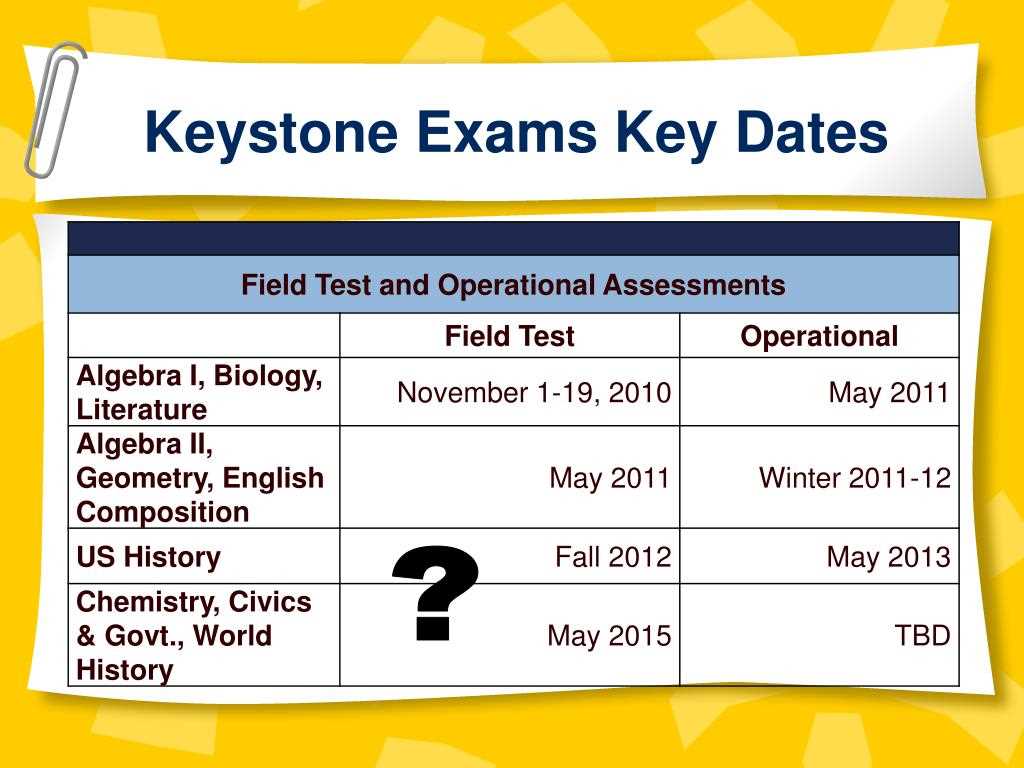
The Keystone exams, which are standardized tests administered to students in Pennsylvania, have been delayed for several reasons. One of the main factors contributing to the delay is the ongoing COVID-19 pandemic. The pandemic has disrupted the regular school year, causing closures and remote learning, making it difficult to administer the exams in a fair and equitable manner.
Another reason for the delay is the need to address concerns about the validity and reliability of the exams. The Keystone exams have faced criticism in the past for being too focused on high-stakes testing, with some arguing that they do not adequately measure a student’s overall knowledge and abilities. As a result, there has been a push to reassess the purpose and design of the exams, leading to delays in their administration.
Additionally, there has been a shift in educational priorities and policies in Pennsylvania. The state has been working towards a more holistic approach to student assessment, recognizing the importance of factors such as project-based learning, critical thinking, and problem-solving skills. This shift has prompted a reevaluation of the Keystone exams and their role in supporting these broader educational goals, resulting in delays as officials work to implement necessary changes.
In conclusion, the delay in administering the Keystone exams can be attributed to a combination of factors, including the COVID-19 pandemic, concerns about the validity and reliability of the exams, and a shift in educational priorities. These delays are aimed at ensuring that students are assessed fairly and that the exams align with current educational objectives and practices.
The impact of the Keystone exams delay on students
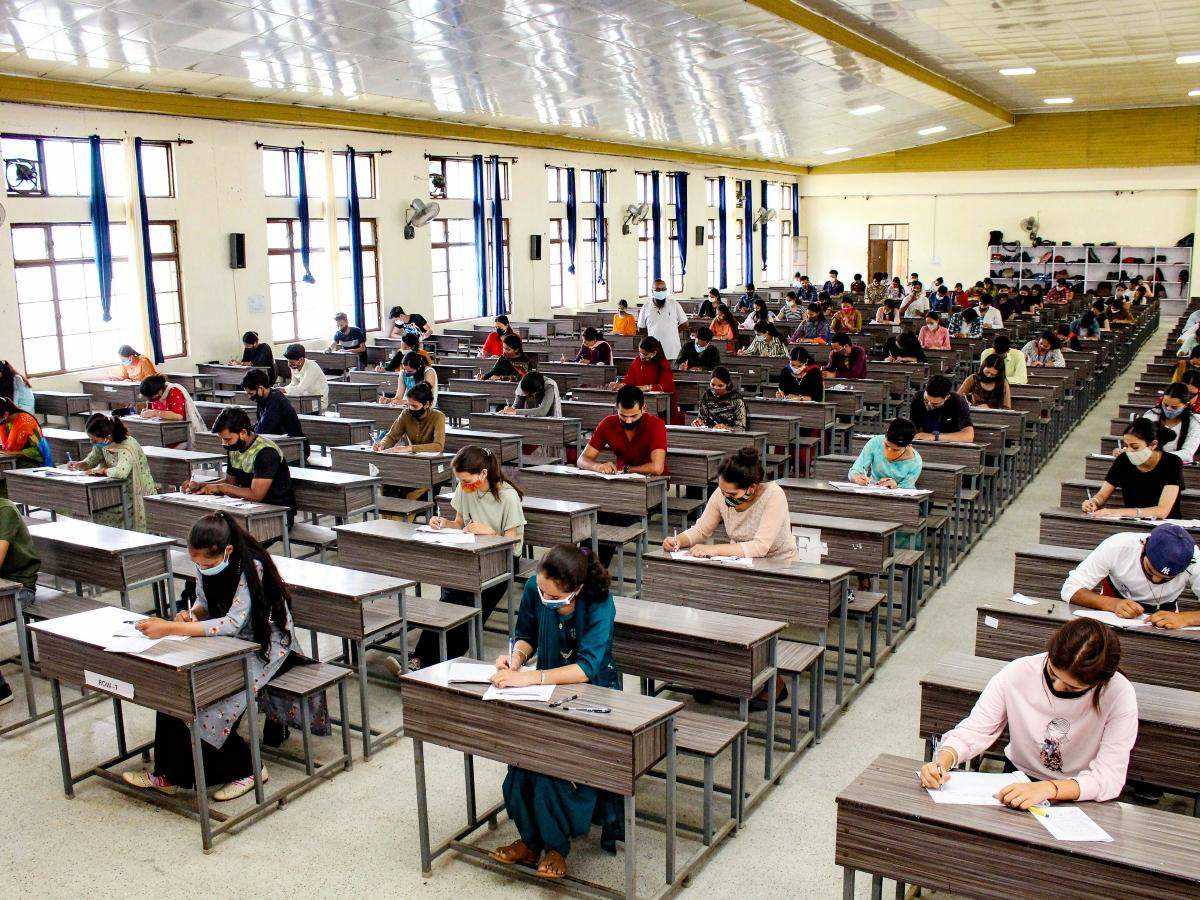
The delay in conducting the Keystone exams has had a significant impact on students’ academic progress and overall educational experience. These exams serve as a crucial measure of a student’s knowledge and understanding in core subjects such as math, English, science, and social studies. By delaying these exams, students are left in limbo, unsure of their academic standing and unable to demonstrate their abilities to potential colleges or employers.
One of the immediate consequences of the Keystone exams delay is the added stress and anxiety it places on students. Many students spend months preparing for these exams, putting in countless hours of studying and review. The delay disrupts their carefully planned study schedules and can lead to a loss of motivation and focus. The constant uncertainty of when these exams will be administered further exacerbates these feelings of anxiety and can hinder a student’s ability to perform at their best.
The delay also impacts students’ future opportunities. The Keystone exams play a vital role in college admissions processes, as they provide an objective measure of a student’s academic abilities. Without these standardized exams, colleges and universities may have to rely on other, potentially less reliable, methods of assessing a student’s readiness for higher education. This can put students at a disadvantage when competing for college admissions and scholarship opportunities.
The delay in the Keystone exams also poses challenges for school districts and educators. These exams provide valuable data on student performance and help inform instructional practices and curriculum development. With the delay, educators are left without crucial information about their students’ strengths and weaknesses, making it more difficult to tailor their instruction to meet individual student needs. This lack of data can also hinder efforts to identify and address educational disparities and inequities.
In conclusion, the delay in conducting the Keystone exams has wide-ranging consequences for students, including increased stress and anxiety, limited future opportunities, and challenges for educators. It is crucial that steps are taken to minimize these impacts and ensure that students can resume their educational journey with the necessary support and resources.
How will the Keystone exams delay affect graduation requirements?

The delay in administering the Keystone exams will have significant implications for graduation requirements for students in Pennsylvania schools. The Keystone exams are a series of standardized tests that students are required to pass in order to graduate from high school. They measure proficiency in various subjects, including Algebra, Biology, and Literature. With the delay in administering these exams, students may face challenges in meeting the necessary graduation requirements.
One major concern is that the delay will cause a disruption in the regular timeline for students to complete the necessary coursework and exams. Many students plan their academic schedule based on the expectation of when they will take the Keystone exams. The delay may result in a compressed timeline for students to complete their coursework and adequately prepare for the exams, potentially leading to increased stress and difficulty in meeting the graduation requirements.
Furthermore, the delay in the Keystone exams may also have implications for students who need to retake these exams. In Pennsylvania, students have multiple opportunities to retake the Keystone exams if they do not initially pass. However, the delay may limit the number of opportunities for students to retake the exams before graduation, putting additional pressure on them to pass on their first attempt.
In conclusion, the delay in administering the Keystone exams will likely have a significant impact on graduation requirements for students in Pennsylvania. It may disrupt the regular timeline for completing coursework, increase stress levels, and limit opportunities for retaking the exams. Schools and policymakers will need to consider alternative ways to assess student proficiency and ensure that graduation requirements are fair and achievable during this challenging time.
Potential Consequences of the Keystone Exams Delay
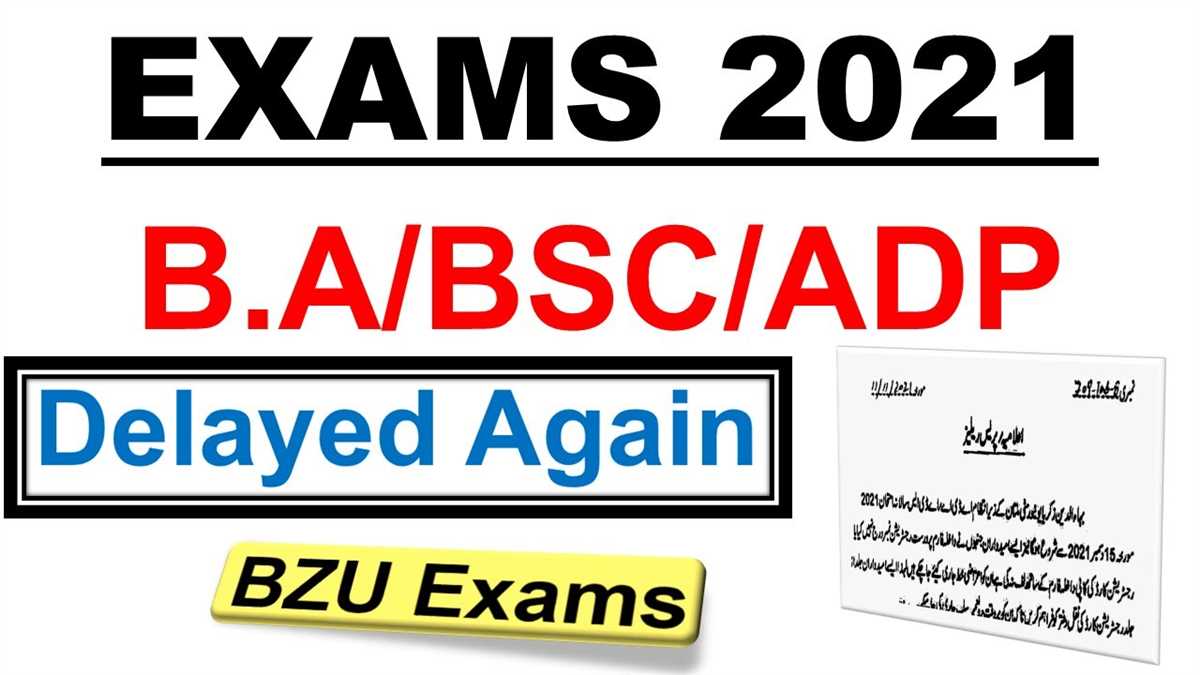
The delay in administering the Keystone exams can have a range of potential consequences for students, educators, and the education system as a whole. Here are some of the potential implications:
1. Delayed student progress: One of the immediate consequences is that students will be unable to demonstrate their proficiency in core subjects, which may hinder their academic progress. The Keystone exams serve as a measure of a student’s mastery of key concepts, and the delay can result in a gap in their learning.
2. Inconsistent standards: With the delay in the administration of the Keystone exams, there may be inconsistencies in the standards and expectations for students across different schools and districts. This can lead to disparities in the education provided and may pose challenges when it comes to comparing academic achievements.
3. Uncertainty for educators: The postponement of the exams can create uncertainty for educators who rely on the results to assess student performance and tailor their instruction accordingly. Without the exam data, teachers may struggle to accurately identify areas of improvement or provide targeted support to their students.
4. Impact on college admissions: The Keystone exams are often used as a criterion for college admissions and can play a role in determining a student’s eligibility for certain programs or scholarships. The delay may affect students’ college application process, as they may need to submit their applications without the required test scores.
5. Financial implications: The delay in administering the Keystone exams can also have financial implications for schools and districts. The exams may have been budgeted for, and a postponement can disrupt the financial planning of educational institutions, potentially diverting resources away from other areas of need.
Overall, the delay in the Keystone exams can impact student progress, create inconsistencies in standards, cause uncertainty for educators, affect college admissions, and have financial implications for schools. It is essential for stakeholders to address these potential consequences and develop strategies to mitigate the negative effects of the delay.
Actions taken by the Department of Education to address the Keystone exams delay

The Department of Education has recognized the significant delay in administering the Keystone exams and has taken several actions to address the issue. One of the key actions taken is the implementation of an expedited testing process, which aims to minimize the delay for students and ensure timely completion of the exams. The department has worked closely with schools and testing centers to streamline the testing process and reduce any unnecessary delays.
Furthermore, the Department of Education has provided additional resources and support to schools and educators to help them manage the Keystone exams delay. This includes providing guidance and clear instructions on the steps to be taken to address the delay and ensure that students are not disadvantaged as a result. The department has also offered training sessions for educators to help them adapt their teaching plans and schedules to accommodate the delayed exams.
To ensure transparency and keep all stakeholders informed, the Department of Education has regularly communicated updates regarding the Keystone exams delay. These updates include information on the progress made in addressing the delay, any changes to the testing schedule, and resources available to students and educators. The department has utilized various communication channels, such as email, online platforms, and meetings, to reach out to schools, students, and their families.
In addition, the Department of Education has partnered with external organizations and experts to explore alternative options and solutions to mitigate the impact of the Keystone exams delay. This includes examining the possibility of remote testing or online options, as well as exploring potential changes to the testing format and requirements. These collaborative efforts aim to find innovative solutions that can ensure the validity and reliability of the exams while minimizing the delay for students.
Conclusion:
During the Keystone exams delay, students and parents can take advantage of the extra time and focus on various productive activities. While waiting for the exams to be rescheduled, there are several options to consider to ensure that this delay does not go to waste.
Firstly, students can utilize this time to review and revise their study materials. They can go over their notes, textbooks, and previous assignments to reinforce their understanding of the subjects covered by the Keystone exams. Additionally, they can utilize online resources, such as practice tests and educational websites, to further enhance their knowledge and skills.
Secondly, students can take this opportunity to engage in extracurricular activities or pursue their hobbies. Whether it is joining a sports team, participating in a community service project, or developing creative skills, these activities can help students broaden their horizons and develop essential life skills beyond academics.
- Students can also use this time to explore career and college options. They can research different career paths, connect with professionals in their areas of interest, or visit colleges and universities to gain insights into potential future endeavors.
- Furthermore, parents can play a crucial role during this delay by providing support and guidance to their children. They can help create a conducive study environment at home, offer assistance in understanding challenging concepts, and motivate their children to stay focused and disciplined during this period.
In conclusion, the Keystone exams delay should not be seen as a setback but rather an opportunity for students and parents to make the most out of the extra time. By utilizing this time effectively and engaging in productive activities, students can enhance their knowledge, skills, and overall personal development.