Expert Insights: Interpreting Lab Report for Antimicrobial Susceptibility Testing

In the modern world, the rapid increase in antimicrobial resistance has become a major concern for healthcare providers and researchers alike. Antimicrobial susceptibility testing is a critical tool in monitoring and managing the spread of antimicrobial-resistant bacteria. This lab report details the findings of a study that aimed to determine the susceptibility of various bacterial isolates to different antibiotics.
The study utilized the standardized method of disk diffusion, also known as the Kirby-Bauer method, to test the organisms’ susceptibility to antibiotics. This method involves using filter paper disks impregnated with different antibiotics and placing them on an agar plate inoculated with the bacterial isolate. After incubation, the zone of inhibition around each disk is measured and compared to established interpretive criteria to determine susceptibility.
The report includes the results of susceptibility testing for a range of antibiotics, including those commonly used in clinical practice. These findings are essential for guiding clinicians in selecting appropriate antimicrobial therapy for patients with bacterial infections. Additionally, the data gathered can contribute to surveillance efforts to monitor trends in antimicrobial resistance and guide public health interventions to mitigate its impact.
Methodology of Antimicrobial Susceptibility Testing
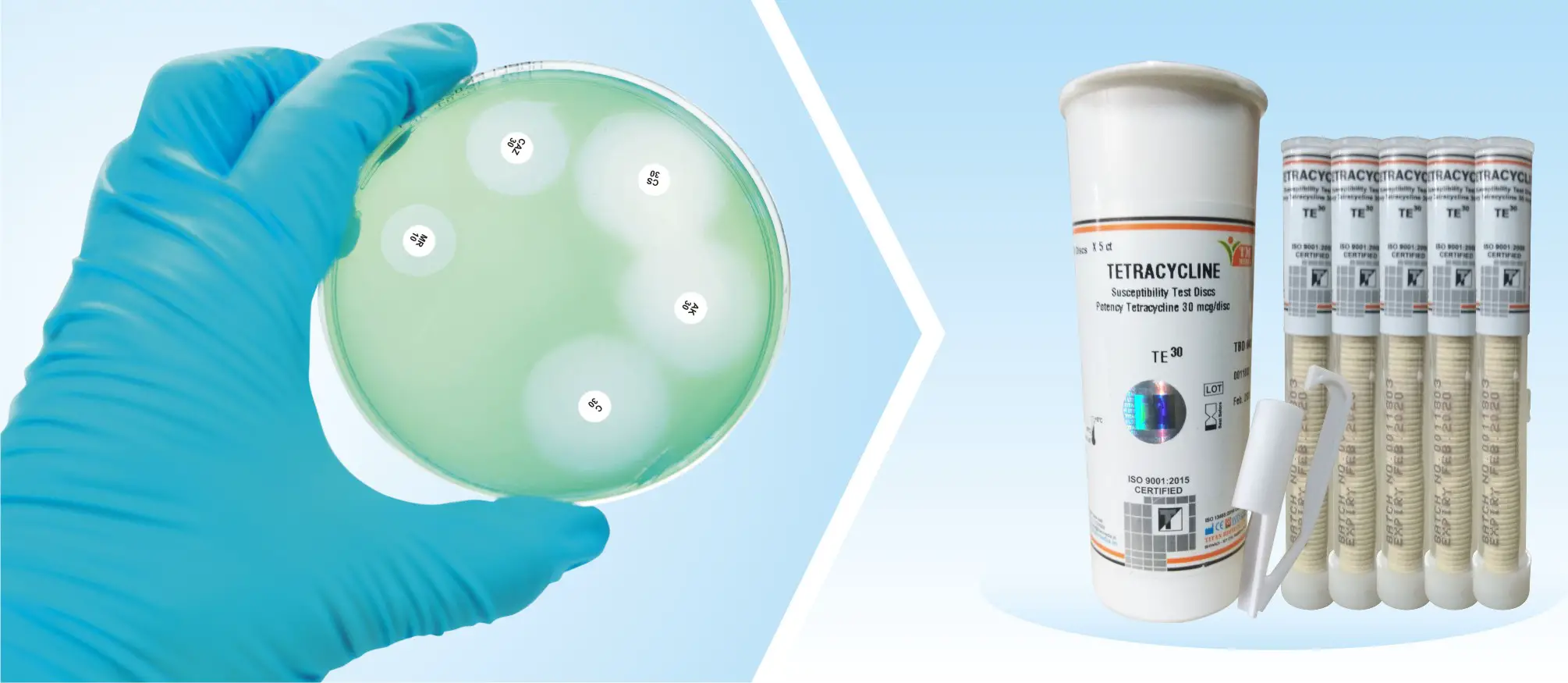
Antimicrobial susceptibility testing is a crucial step in determining the effectiveness of antimicrobial agents against specific microorganisms. It provides valuable information on the susceptibility patterns of bacteria, allowing for the selection of the most appropriate treatment options.
The methodology of antimicrobial susceptibility testing involves several steps. First, the bacterial isolates are obtained from clinical samples, such as blood, urine, or wound swabs. These isolates are then cultured on agar plates to obtain pure bacterial colonies. The colonies are then suspended in a saline solution to obtain a standardized bacterial suspension.
Next, the standardized bacterial suspension is inoculated onto agar plates containing antimicrobial agents. The plates are incubated for a specific period under controlled conditions to allow the bacteria to grow. After incubation, the growth of bacterial colonies is observed, and the diameter of inhibition zones surrounding the antimicrobial disks is measured.
The diameter of the inhibition zones is then compared to established interpretative criteria to determine the susceptibility or resistance of the bacteria to the tested antimicrobial agents. The results are interpreted as sensitive, intermediate, or resistant, depending on the size of the inhibition zones.
The methodology of antimicrobial susceptibility testing may vary depending on the specific technique used, such as disk diffusion, broth microdilution, or E-test. Each technique has its advantages and limitations, and the choice of method depends on factors such as the type of microorganism being tested, laboratory resources, and guidelines from regulatory bodies.
In conclusion, antimicrobial susceptibility testing plays a crucial role in guiding the selection of appropriate antimicrobial therapy. The methodology involves obtaining bacterial isolates, preparing standardized bacterial suspensions, inoculating onto agar plates with antimicrobial agents, incubation, and interpretation of results. Standardized techniques and interpretative criteria are essential for accurate and reliable susceptibility testing.
Collection and Preparation of Specimens

The collection and preparation of specimens are vital steps in antimicrobial susceptibility testing, as accurate and representative samples are crucial for obtaining reliable results. The process involves careful collection techniques and proper handling to minimize contamination and ensure the integrity of the specimen.
Collection Techniques
Specimens for antimicrobial susceptibility testing can be collected from various sources, including blood, urine, sputum, wound swabs, and other body fluids. Each specimen requires specific collection techniques to obtain an adequate sample for testing.
- Blood samples: These are usually collected through venipuncture and are important for evaluating bloodstream infections.
- Urine samples: Clean-catch midstream urine samples are commonly used for testing urinary tract infections. The patient is instructed on proper hygiene practices and is provided with a sterile container for specimen collection.
- Sputum samples: Deep cough samples are collected from patients with respiratory infections. It is crucial to ensure that the sample is representative of the lower respiratory tract, as contamination from the oral cavity can affect the test results.
- Wound swabs: Swabs are used to collect samples from infected wounds. Proper technique involves swabbing the wound surface, avoiding healthy tissues, and ensuring an adequate amount of material is collected.
- Body fluid samples: Samples such as cerebrospinal fluid, pleural fluid, and synovial fluid may be collected through specific procedures, such as lumbar puncture or aspiration, to diagnose infections involving these fluids.
Specimen Handling and Storage

After collection, specimens must be handled and stored appropriately to maintain their integrity. Proper labeling with patient information and collection date is crucial for tracking and identification purposes. Specimens should be transported promptly to the laboratory to minimize degradation or contamination.
Depending on the nature of the specimen, different storage conditions may be required. For example, urine samples may need refrigeration to prevent bacterial growth, while blood samples may require anticoagulants to maintain integrity. Proper storage temperature and conditions should be followed as specified by the laboratory protocols and guidelines.
Inoculation and Incubation

Inoculation is a crucial step in the antimicrobial susceptibility testing process. It involves transferring a specified amount of bacteria to a solid medium such as agar, which serves as a growth platform for the microorganisms. The goal of inoculation is to create a standardized and representative sample of the bacterial population for testing.
Before inoculation, the bacteria are first grown in a liquid culture to achieve the desired density. The culture is then adjusted to a specific turbidity using a spectrophotometer or a standardized reference tube, ensuring a consistent concentration of bacteria for each test. This step helps to reduce variations in the test results caused by differences in bacterial growth rates.
Once the culture is prepared, the inoculum is applied to the agar plate using a sterile loop or a calibrated wire loop. The loop is streaked over the surface of the agar, spreading the bacteria evenly. Multiple streaks are made in different directions to increase the chances of isolating individual colonies for further analysis.
After inoculation, the agar plates are then incubated at a predetermined temperature and time. Incubation promotes bacterial growth and allows the microorganisms to form distinct colonies, which can be easily observed and analyzed. The temperature and duration of incubation depend on the type of bacteria being tested, as different organisms have varying growth requirements.
Preparation of Antimicrobial Susceptibility Plates
The preparation of antimicrobial susceptibility plates is a critical step in conducting antimicrobial susceptibility testing in the laboratory. These plates are essential for determining the effectiveness of various antibiotics against different bacterial strains.
To prepare the antimicrobial susceptibility plates, a sterile agar medium is first prepared. This agar medium is typically enriched with nutrients necessary for bacterial growth and contains a standardized concentration of the antibiotic being tested. The agar is melted and poured into petri dishes or other suitable containers to solidify.
Next, the bacterial strain to be tested is inoculated onto the agar using a sterile loop or swab. This is done by streaking the agar surface in a specific pattern to ensure uniform distribution of the bacteria. Multiple plates may be prepared simultaneously, each containing a different antibiotic.
Once the plates are inoculated, they are left to dry and then placed in an incubator set at the appropriate temperature and conditions for bacterial growth. The bacteria will then begin to grow and form visible colonies on the surface of the agar. The size and appearance of these colonies can provide valuable information about the susceptibility of the bacteria to the antibiotic being tested.
After the specified incubation period, the plates are examined, and the zones of inhibition are measured. The zones of inhibition are areas around the antibiotic disks where the bacteria have been unable to grow. The size of these zones can indicate the effectiveness of the antibiotic against the bacterial strain.
The preparation of antimicrobial susceptibility plates is a meticulous process that requires sterile technique and attention to detail. The accuracy of the results obtained from these plates can significantly impact patient treatment options and contribute to the ongoing efforts in controlling antimicrobial resistance.
Interpretation and Reporting of Antimicrobial Susceptibility Testing Results

Interpretation and reporting of antimicrobial susceptibility testing results are crucial steps in determining the effectiveness of antimicrobial agents against different pathogens. The results provide valuable information regarding the susceptibility or resistance of a particular pathogen to specific antimicrobial agents, guiding healthcare professionals in the selection of appropriate treatment options.
In the laboratory, antimicrobial susceptibility testing is typically conducted using standardized methods, such as the disk diffusion method or broth microdilution method. The results are then interpreted based on established criteria, such as Clinical and Laboratory Standards Institute (CLSI) guidelines. These guidelines provide interpretive criteria, including breakpoints, to categorize isolates as susceptible, intermediate, or resistant to different antimicrobial agents.
The interpretation of susceptibility testing results relies on several key factors:
- Isolate identification: Accurate identification of the isolate is essential for proper interpretation as susceptibility patterns can vary among different species or strains.
- Breakpoints: The breakpoints specified in the CLSI guidelines help classify isolates as susceptible, intermediate, or resistant based on the zone diameter or minimum inhibitory concentration (MIC) values.
- Clinical correlation: The interpretation of susceptibility testing results should always be considered in the context of the clinical condition of the patient. Other factors, such as the site of infection, host immune status, and pharmacokinetic properties of the antimicrobial agent, should also be taken into account.
After interpreting the susceptibility testing results, the final step is to report them in a clear and concise manner. The report typically includes the microbial identification, the antimicrobial agents tested, the interpretive categories (susceptible, intermediate, or resistant), and any additional comments or recommendations based on the results. This information helps guide clinicians in the selection of appropriate antimicrobial therapy for their patients.
In conclusion, the interpretation and reporting of antimicrobial susceptibility testing results play a crucial role in guiding appropriate treatment decisions. Accurate identification of the isolate, utilization of established breakpoints, consideration of clinical correlation, and clear reporting are essential for effective antimicrobial therapy and the prevention of antimicrobial resistance.
Quality Control in Antimicrobial Susceptibility Testing
Quality control is an essential aspect of antimicrobial susceptibility testing (AST) as it ensures the reliability and accuracy of the results. By implementing quality control measures, laboratories can identify and minimize potential errors, improve the consistency of testing, and maintain high standards of patient care.
1. External Quality Control:
External quality control involves the participation of laboratories in proficiency testing programs organized by external agencies. These programs assess the laboratory’s performance by providing blind samples for testing. Participating in these programs allows laboratories to compare their results with other laboratories and verify the accuracy of their testing procedures.
2. Internal Quality Control:
Internal quality control includes regular monitoring of laboratory procedures to ensure they meet predefined quality standards. This involves the use of control strains with known susceptibility patterns, validating the performance of antimicrobial disks, and monitoring the growth and inhibition zones using standardized measurements. Any inconsistencies or deviations from expected results should be thoroughly investigated and addressed.
Overall, quality control in AST is crucial for maintaining the accuracy and reliability of antimicrobial susceptibility results. By implementing both external and internal quality control measures, laboratories can ensure the validity of their testing procedures and provide reliable information for clinical decision-making.