The Key to Success: Unlocking Lesson 4.4’s Answer Key
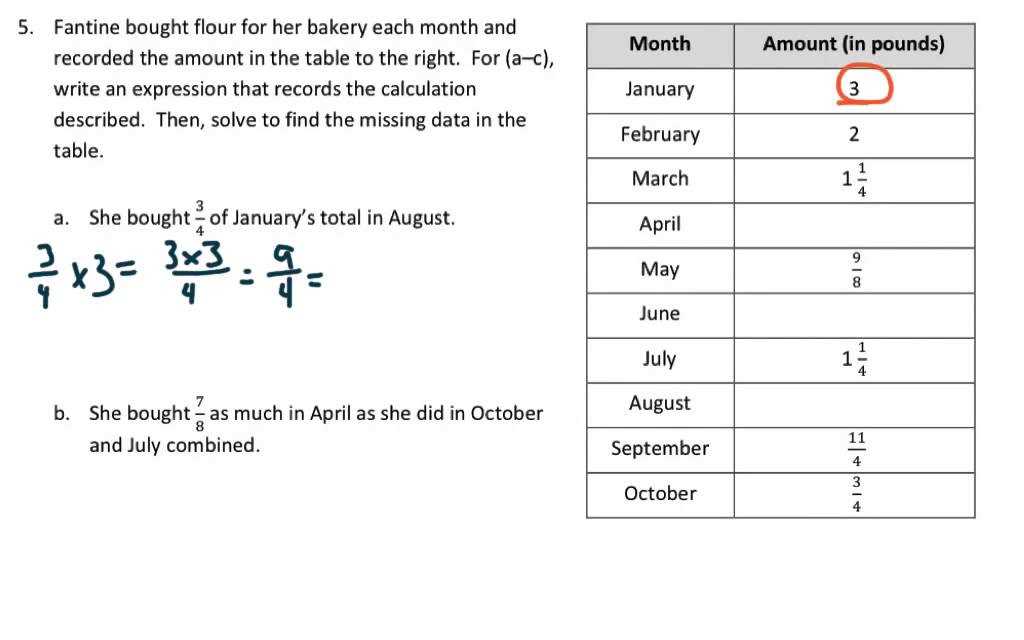
Lesson 4.4 Answer Key is a crucial tool for both teachers and students to assess their understanding of the lesson material. This answer key provides the correct answers to the exercises and questions in Lesson 4.4, allowing students to study and review their work.
With the Lesson 4.4 Answer Key, students can easily check their answers and identify any areas where they need further practice or clarification. It serves as a valuable resource for students to gauge their progress and ensure they have grasped the concepts covered in the lesson.
In addition to helping students, the Lesson 4.4 Answer Key is also beneficial for teachers. It allows teachers to quickly grade assignments and evaluate students’ comprehension of the lesson. This answer key saves time and effort for teachers, enabling them to provide timely feedback to their students and adjust their teaching strategies accordingly.
What is Lesson 4.4?
Lesson 4.4 is a lesson in a learning module or curriculum that focuses on a specific topic or concept. It is designed to provide students with the knowledge and skills they need to understand and apply the content covered in the lesson. Lesson 4.4 can be part of a larger unit or sequence of lessons that build upon each other, helping students to develop a deeper understanding of the subject matter.In Lesson 4.4, students typically learn about a specific topic or concept related to the subject they are studying. This could include new vocabulary terms, mathematical equations, historical events, scientific theories, or literary analysis techniques, among many other possibilities. Lesson 4.4 often includes a combination of instruction, practice, and assessment activities to help students engage with and master the content.
The content of Lesson 4.4 may be presented in different formats, depending on the educational setting and resources available. It could be presented through a video lecture, a reading assignment, an interactive online module, a hands-on laboratory experiment, or a combination of these and other methods. The goal of Lesson 4.4 is to provide students with a clear and comprehensive understanding of the topic being covered, allowing them to apply their learning in real-world situations or to further their study in more advanced courses or units.
The definition of Lesson 4.4
In Lesson 4.4, we delve into the concepts of algorithms and computational thinking. An algorithm is a step-by-step procedure for solving a problem or completing a task. It is a set of instructions that can be followed in order to achieve a desired outcome. Computational thinking, on the other hand, is a problem-solving approach that involves breaking down complex problems into simpler, more manageable parts.
Lesson 4.4 explores different aspects of algorithms and computational thinking. It introduces students to the idea of decomposition, which is the process of breaking a problem down into smaller, more manageable sub-problems. Students learn how to identify patterns and generalize solutions, allowing them to apply their problem-solving skills to a wide range of situations.
The lesson also covers the importance of algorithms in computer programming. Algorithms serve as the foundation of programming languages, providing a systematic approach to writing code. By understanding algorithms, students gain a deeper understanding of how computers process information and execute tasks.
Throughout Lesson 4.4, students will engage in various activities and exercises to reinforce their understanding of algorithms and computational thinking. They will learn how to analyze problems, design algorithms, and evaluate their effectiveness. By the end of the lesson, students will have a solid foundation in algorithmic thinking and be better prepared to tackle complex problems in the field of computer science.
Importance of Lesson 4.4
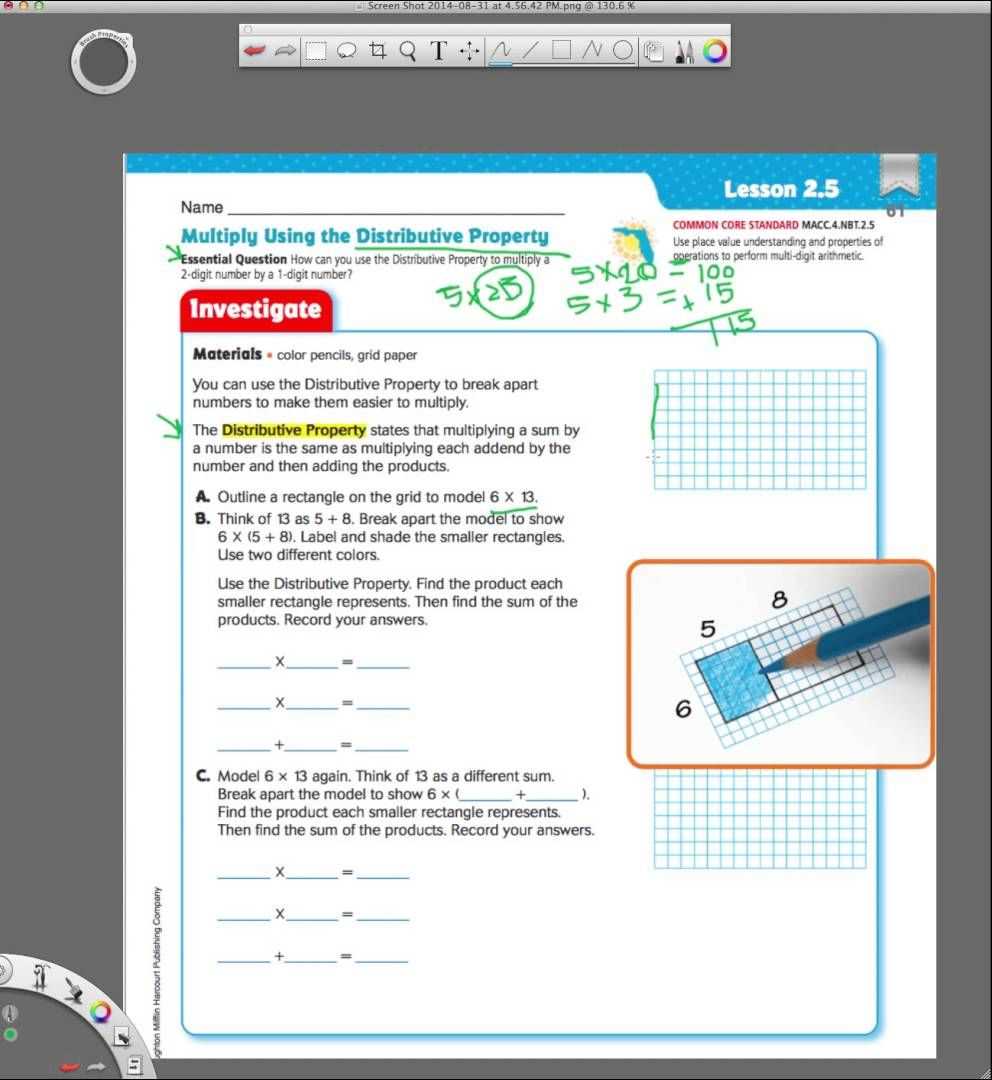
Lesson 4.4 is of great importance as it covers essential concepts that are crucial for understanding and mastering the subject matter. This lesson focuses on important topics such as problem-solving strategies and critical thinking skills, which are essential for success in various fields.
One of the key takeaways from Lesson 4.4 is the importance of problem-solving strategies. Problem-solving is a fundamental skill that is applicable in our daily lives and professional careers. In this lesson, students are introduced to different problem-solving techniques and are encouraged to think analytically and critically when faced with challenging situations.
Furthermore, Lesson 4.4 emphasizes the significance of critical thinking skills. These skills help individuals analyze information, make informed decisions, and solve complex problems. In this lesson, students learn how to evaluate arguments, identify logical fallacies, and think critically about different perspectives. These skills are essential for academic success and for making sound judgments in life.
In addition, Lesson 4.4 provides practical examples and exercises that allow students to apply their problem-solving and critical-thinking skills in real-world scenarios. By engaging in hands-on activities and solving complex problems, students can develop a deeper understanding of the subject matter and gain confidence in their abilities.
To summarize, Lesson 4.4 plays a significant role in developing problem-solving strategies and critical thinking skills. These skills are not only essential for academic success but also for personal and professional growth. By mastering the concepts covered in this lesson, students are equipped with the necessary tools to approach challenges with confidence and think critically to find effective solutions.
Key concepts covered in Lesson 4.4
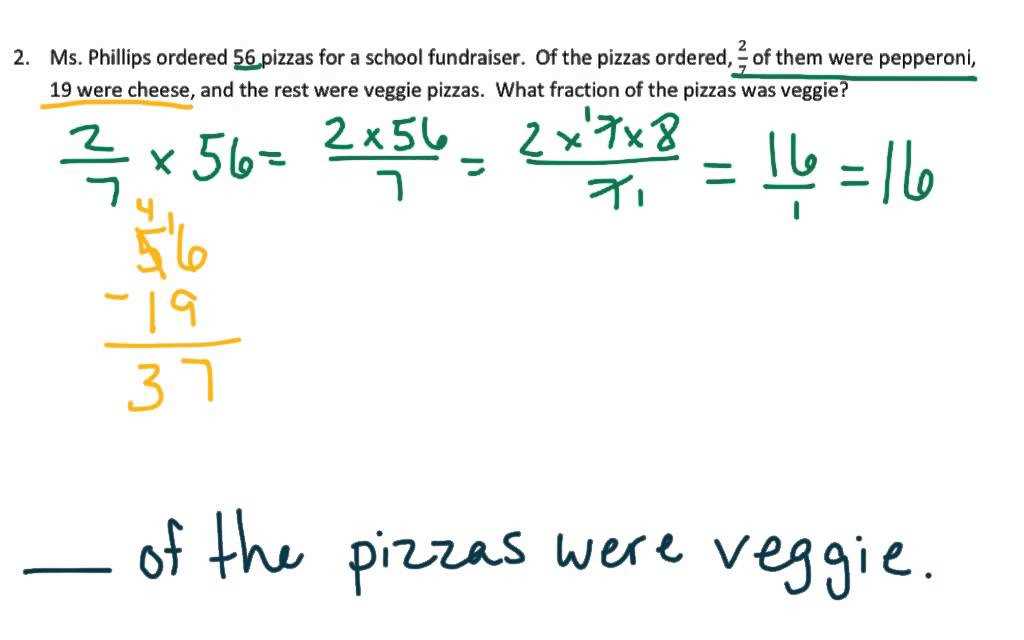
In Lesson 4.4, we learned about a variety of key concepts that are essential for understanding the topic at hand. These concepts include:
- Arrays: We explored how arrays can be used to store multiple values of the same type in a single variable. We learned about the different ways to declare and initialize arrays and how to access and modify their elements.
- Looping through an array: We discussed various methods for looping through the elements of an array, such as using a for loop or a while loop. We explored how to access each element of the array and perform operations on them.
- Array methods: We covered several built-in array methods that can be used to manipulate arrays, such as push, pop, shift, and unshift. These methods allow us to add or remove elements from the start or end of an array.
- Multidimensional arrays: We introduced the concept of multidimensional arrays, which are arrays that contain other arrays as elements. We learned how to access and modify elements in a multidimensional array using nested loops.
- Sorting arrays: We explored different sorting algorithms that can be used to sort the elements of an array in ascending or descending order. We discussed the built-in array method sort and how it can be customized to sort elements based on specific criteria.
By understanding these key concepts, we are able to effectively work with arrays and perform various operations on them. This knowledge is crucial in many programming tasks, as arrays are a fundamental data structure used in everyday programming.
Concept 1
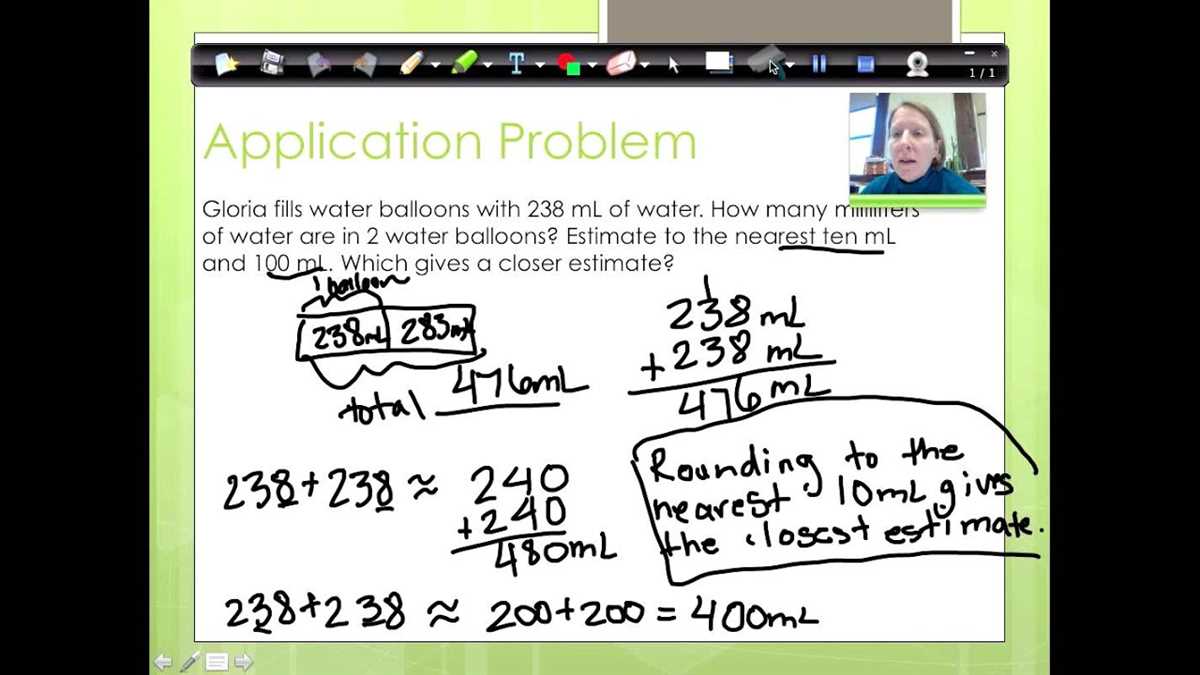
Concept 1 focuses on understanding the importance of core concepts in a specific topic. It emphasizes the need to grasp these foundational ideas in order to build a solid understanding of the subject matter.
Key Phrases:
- Core concepts
- Foundational ideas
- Building a solid understanding
In any field of study, there are certain core concepts that serve as the building blocks of knowledge. These concepts act as the foundation upon which more complex ideas are built. Without a thorough understanding of these foundational ideas, it becomes challenging to grasp the more advanced concepts and theories that emerge later on.
An analogy can be drawn between this concept and constructing a house. Just as a house needs a strong foundation to support its structure, a solid understanding of core concepts provides the necessary support for further learning and exploration. Without this solid foundation, the structure of knowledge becomes shaky and unstable.
Therefore, it is crucial to invest time and effort into comprehending and internalizing these core concepts. This can be done through active engagement with the material, asking questions, seeking clarification, and connecting new information to existing knowledge. By doing so, learners can establish a firm foundation of understanding upon which they can build their knowledge and skills.
Concept 2: Accuracy and Precision

In the field of science and measurement, accuracy and precision are two important concepts that are frequently used to evaluate the quality of experimental results.
Accuracy refers to how close a measured value is to the true value or the accepted value. It is a measure of how well an experiment or measurement represents the real world. In other words, accuracy indicates the absence of systematic errors in an experiment. The closer the measured value is to the true value, the more accurate the measurement is considered to be.
Precision, on the other hand, refers to the consistency or reproducibility of a set of measurements. It is a measure of how closely the individual measurements agree with each other. Precision indicates the absence of random errors in an experiment. A precise measurement is one that yields very similar or identical results when repeated multiple times.
One way to visualize the difference between accuracy and precision is through a target analogy. Imagine a target with a bullseye in the center. If you shoot an arrow and it lands near the bullseye, but not exactly in the center, your shot can be considered accurate but not precise. If you shoot multiple arrows and they all land in a tight cluster near the bullseye, your shots are both accurate and precise. If the arrows are scattered all over the target, your shots are neither accurate nor precise.
In scientific experiments, it is ideal to have both accuracy and precision. However, it is possible to have one without the other. For example, you could have a measurement that is very precise but not accurate, meaning that the measured values are consistent but do not reflect the true value. On the other hand, you could have a measurement that is accurate but not precise, meaning that the measured values are close to the true value but highly scattered.
- Factors Affecting Accuracy:
- Systematic errors
- Misaligned instruments
- Flaws in experimental techniques
- Factors Affecting Precision:
- Random errors
- Instrument imperfections
- Inconsistent experimental conditions
In summary, accuracy and precision are two essential criteria for evaluating the quality of experimental measurements. Accuracy refers to how close a measurement is to the true value, while precision refers to the consistency or reproducibility of a set of measurements. Understanding and achieving both accuracy and precision are crucial for obtaining reliable and valid scientific results.
Practical applications of Lesson 4.4
The concepts and techniques covered in Lesson 4.4 can be applied in various practical scenarios to solve real-world problems.
One practical application is in the field of data analysis and statistics. By understanding the principles of probability, students can analyze and interpret data sets more effectively. They can make informed decisions based on the likelihood of certain events or outcomes, which is especially valuable in fields such as finance, insurance, and market research. For example, a data analyst can use probability to calculate the probability of a customer churn or to predict the likelihood of a certain stock price movement.
Another practical application is in the field of machine learning and artificial intelligence. Probability theory is a fundamental component of many machine learning algorithms. By understanding probability, students can better grasp concepts like Bayesian inference, which is widely used in machine learning for pattern recognition and predictive modeling. By applying the concepts learned in Lesson 4.4, individuals can build more accurate and robust machine learning models that can make better predictions and decisions.
In the field of decision-making and risk management, probability theory is crucial. By understanding probability, individuals can assess risks and make more informed decisions. For example, in project management, probability theory can help project managers estimate the likelihood of project delays or cost overruns, enabling them to make contingency plans and allocate resources more effectively. Additionally, in the field of medicine, doctors can use probability to assess the likelihood of certain diseases or conditions in order to make accurate diagnoses and recommend appropriate treatments.
Overall, the concepts and techniques covered in Lesson 4.4 have numerous practical applications across various industries and fields. Understanding and applying probability theory can lead to more accurate data analysis, better predictions, and informed decision-making.
Common challenges faced in Lesson 4.4
In Lesson 4.4, there are several common challenges that students may face. These challenges include:
- Difficulty understanding the concept: Some students may find it challenging to grasp the concept being taught in Lesson 4.4. This could be due to various factors such as complexity of the subject matter, lack of prior knowledge, or unclear explanations. It is important for students to seek clarification from their teacher or peers if they are having trouble understanding the concept.
- Lack of practice: Another common challenge is the lack of practice. Lesson 4.4 may introduce new concepts or skills that require practice to master. It is important for students to allocate sufficient time and effort to practice the concept on their own. This can be done through exercises, assignments, or additional study materials provided by the teacher.
- Difficulty applying the concept: Some students may face challenges in applying the concept learned in Lesson 4.4 to real-life scenarios or problem-solving tasks. This could be due to a lack of critical thinking skills or the inability to connect the concept with practical situations. To overcome this challenge, students can try to relate the concept to everyday examples or seek guidance from their teacher on how to apply the concept effectively.
Overall, Lesson 4.4 may present some challenges for students. However, with the right mindset, effort, and support from teachers and peers, these challenges can be overcome. It is important for students to stay motivated, seek help when needed, and practice regularly to succeed in Lesson 4.4 and beyond.
Q&A:
What are some common challenges faced in Lesson 4.4?
Some common challenges faced in Lesson 4.4 include understanding complex concepts, applying new knowledge to practical problems, overcoming language barriers, and managing time effectively.
How can I overcome the challenge of understanding complex concepts in Lesson 4.4?
To overcome the challenge of understanding complex concepts in Lesson 4.4, you can break down the concepts into smaller parts, ask for clarification from your instructor or peers, and practice applying the concepts to real-world examples.
What can I do to apply new knowledge to practical problems in Lesson 4.4?
To apply new knowledge to practical problems in Lesson 4.4, you can practice solving similar problems, seek feedback from your instructor or peers, and look for real-world examples or case studies that demonstrate the application of the concepts.
How do I overcome language barriers in Lesson 4.4?
To overcome language barriers in Lesson 4.4, you can use online translation tools or dictionaries to understand unfamiliar terms or concepts, ask for clarification in your native language if available, and practice reading and listening to English materials related to the lesson.