Exploring the Themes and Symbolism of Lord of the Flies Chapter 2: Discussion Questions and Answers
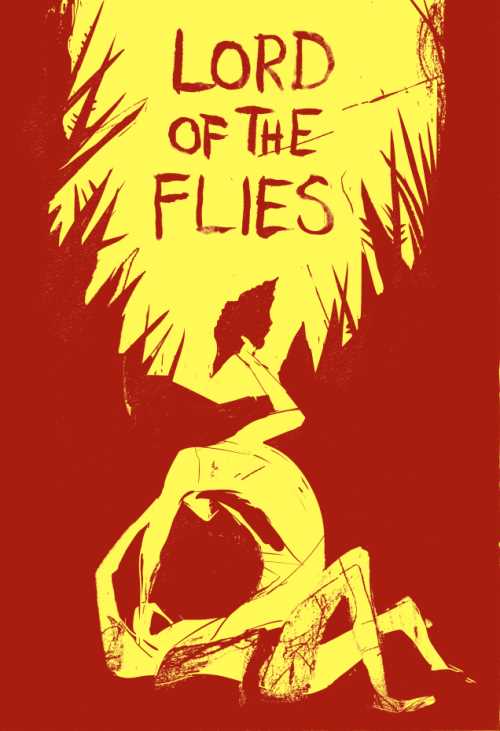
Chapter 2 of William Golding’s novel “Lord of the Flies” delves deeper into the struggles and conflicts that arise among a group of boys stranded on a deserted island. As the initial excitement of their new surroundings fades away, the boys begin to grapple with the challenges of survival and the formation of a new society.
One of the major themes in this chapter is the tension between order and chaos. The boys attempt to establish some semblance of order by electing a chief and organizing a system of rules. However, this quickly descends into chaos as the boys struggle to maintain discipline and follow the rules they have set for themselves.
Another important theme explored in this chapter is the primal instincts and savagery that lie within each individual. As the boys’ sense of civilization crumbles, their true natures start to emerge. This is evident in the hunting scene, where they become consumed by the thrill of the hunt and the desire to exert power over others.
Throughout the chapter, there are several thought-provoking questions that arise, offering insights into the characters and the broader messages of the novel. Some of these questions include:
- How does the struggle for power and leadership affect the dynamics of the group?
- What does the hunting scene reveal about the boys’ transformation into savages?
- Why do some of the boys adhere to the rules while others become increasingly rebellious?
In order to fully understand and analyze the events in Chapter 2 of “Lord of the Flies”, it is important to explore these questions and their implications. By delving into the nuances of the text, readers can gain a deeper understanding of the themes and messages that William Golding is trying to convey.
Lord of the Flies Chapter 2 Discussion Questions and Answers
In Chapter 2 of Lord of the Flies, the boys find themselves on a deserted island and begin to establish a sense of order and leadership. However, tensions arise as power struggles emerge and conflicts develop among the group. The following are some discussion questions and answers to help understand the events of this chapter:
1. What is the significance of the conch shell in this chapter?
The conch shell represents order and authority on the island. It is used to call meetings and whoever holds the conch shell has the right to speak. In this chapter, the conch shell is blown to gather all the boys and establish rules and order.
2. How does Jack’s desire for power become evident in this chapter?
Jack’s desire for power is evident in his eagerness to lead the hunting party and his attempts to undermine Ralph’s authority. He shows a disregard for rules and a desire to satisfy his own thirst for control, which eventually leads to a split in the group.
- Question: What are some instances where Jack challenges Ralph’s authority?
- Answer: Jack challenges Ralph’s authority by questioning his decisions, such as choosing to prioritize building shelters instead of hunting. He also tries to gather support from the other boys by promising them the thrill of hunting and fun.
| Question: | Answer: |
|---|---|
| What role does Simon play in this chapter? | Simon remains calm and quiet, observing the conflicts and tensions within the group. He also volunteers to go into the jungle alone to find out if there is a beast and tries to reason with the boys about their fears. |
Overall, Chapter 2 delves deeper into the dynamics of power and the fragility of order within the group. It sets the stage for further conflicts and challenges as the boys struggle to survive on the deserted island.
Significance of the boys’ decision to make rules on the island
The boys’ decision to make rules on the island is significant in several ways. First and foremost, it demonstrates their attempt to establish a sense of order and structure in their newly formed society. With no adult supervision, the boys realize the importance of creating rules to govern their behavior and maintain social cohesion. By putting in place rules, they hope to avoid chaos and ensure their survival on the island.
Furthermore, the decision to make rules also highlights the boys’ desire to create a democratic system of governance. Through the election of a leader, they establish a form of leadership that is based on consensus and representation. This allows each boy to have a voice and a say in the decision-making process. By implementing rules and electing leaders, the boys are beginning to establish a social hierarchy and a system of authority, which is essential for maintaining order and stability.
The boys’ decision to make rules also reveals their understanding of the need for discipline and self-control. They recognize that without rules, their natural instincts and impulses might take over, leading to destructive and violent behavior. By creating guidelines for their actions, they hope to curb any violent tendencies and maintain a peaceful and harmonious environment on the island.
In summary, the boys’ decision to make rules on the island is significant as it demonstrates their desire for order, their attempts to establish a democratic system, and their recognition of the importance of discipline and self-control. These rules become essential for maintaining social cohesion, preventing chaos, and ensuring their survival on the island.
How does Jack’s behavior change from the first chapter to the second chapter?
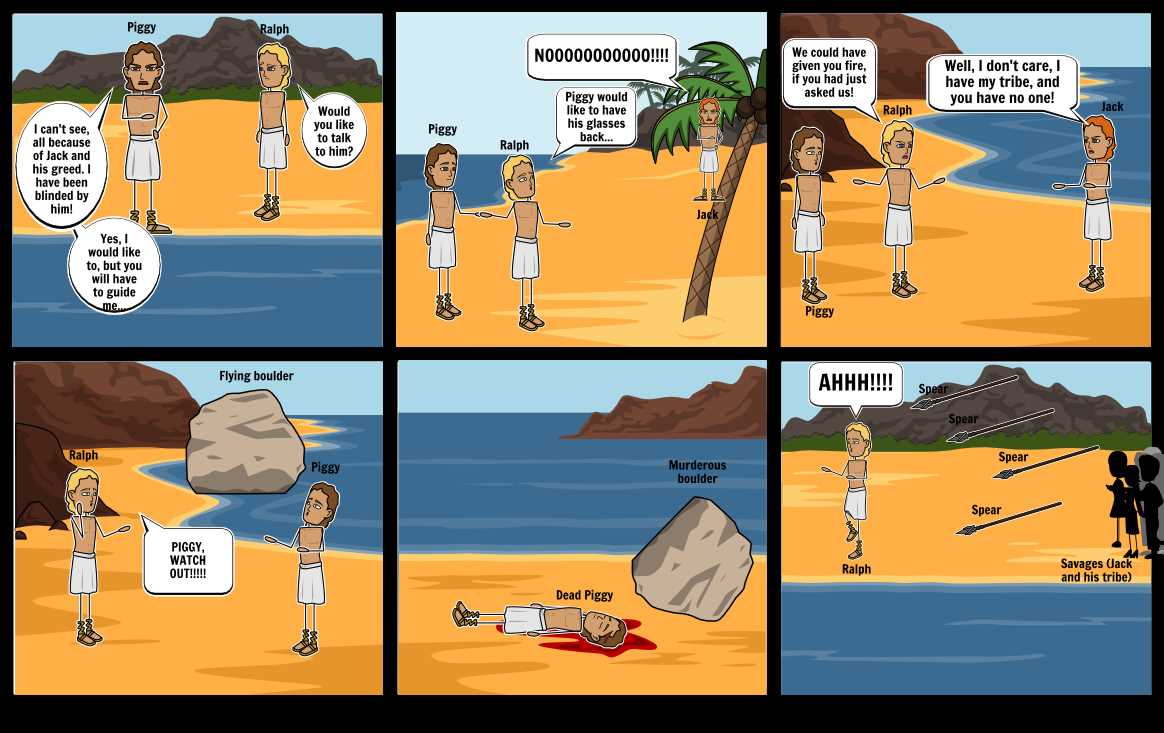
Jack’s behavior undergoes a significant transformation from the first chapter to the second chapter of “Lord of the Flies”. In the initial chapters, Jack appears as a confident and charismatic leader, displaying impressive organizing skills when he takes charge of the choir and creates an efficient system for their march. However, as the story progresses, his behavior shifts towards a more aggressive and power-hungry nature.
At first, Jack is keen on establishing order and following rules. He takes pride in his position as the leader of the choir and values the importance of discipline. However, as the boys begin to explore the island and a sense of freedom takes hold, Jack’s desire for power becomes more apparent. In the second chapter, we witness his increasing obsession with hunting and the desire to exert control over others.
- Jack’s obsession with hunting and the need to prove his dominance over nature and the other boys becomes evident in the second chapter.
- He becomes ruthless and barbaric, even resorting to violence when the boys stumble upon a pig during their expedition.
- Furthermore, his desire for dominance is manifested in his challenging of Ralph’s authority, as Jack exhibits a stubborn refusal to follow Ralph’s rules and challenges his decisions.
- Jack’s behavior shifts from a leadership based on order and discipline to a dictatorial style rooted in fear and aggression.
Overall, Jack’s behavior undergoes a significant transformation from a charismatic and organized leader to a power-hungry and aggressive figure. His obsession with hunting and dominance not only undermines the sense of unity among the boys but also sets the stage for conflict and chaos that will unfold throughout the novel.
What role does fear play in the boys’ actions in Chapter 2?
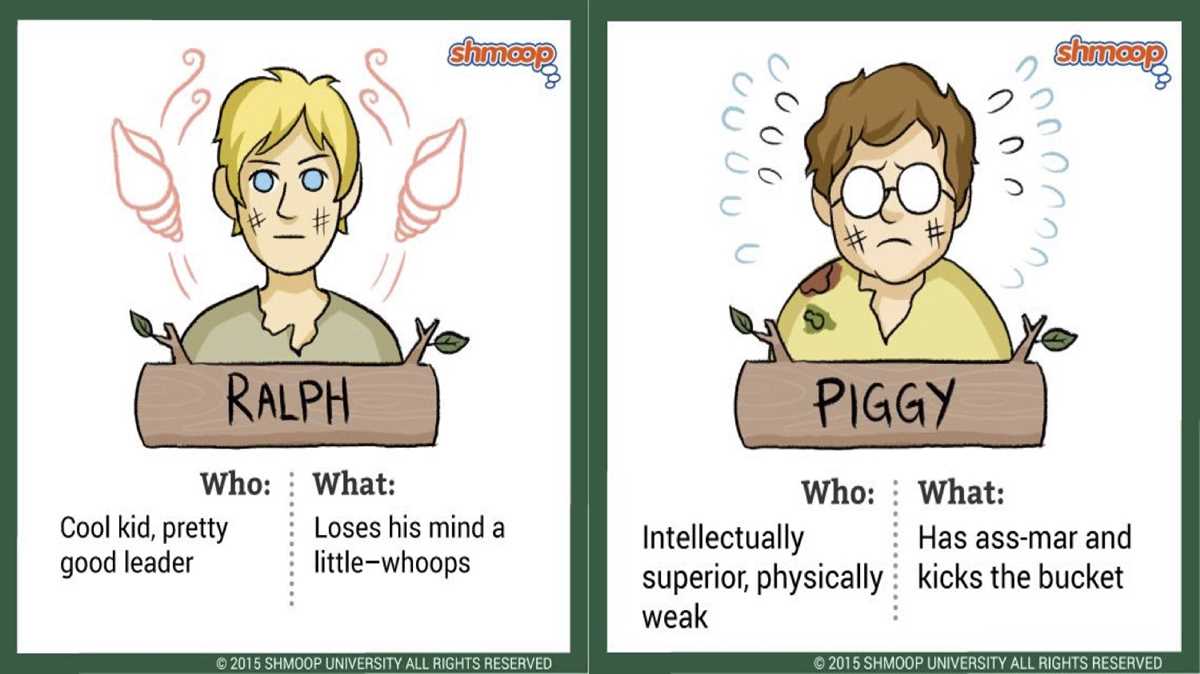
In Chapter 2 of “Lord of the Flies,” fear plays a significant role in shaping the actions and decisions of the boys. As they start to realize the gravity of their situation, fear begins to creep into their minds, influencing their behavior and interactions with each other. The fear of the unknown, the fear of the beast, and the fear of losing control guide their actions throughout the chapter.
One example of fear’s impact can be seen in the boys’ decision to explore the island. Initially, they feel a sense of excitement and adventure, but as they venture deeper into the island, their fear of the unknown starts to grow. The unfamiliar surroundings, strange sounds, and lurking shadows make them increasingly nervous, and they begin to question whether they should have come to this unknown place. The fear of the unknown ultimately leads them to rush back to the safety of their camp, seeking comfort and reassurance.
An even stronger manifestation of fear is the boys’ belief in the existence of a mythical beast on the island. This fear takes hold of their imaginations and fuels their sense of terror. They become consumed by the idea that there is a monster lurking in the shadows, ready to attack them at any moment. This fear not only affects their psychological well-being but also their ability to make rational decisions. They start to see threats where there are none, and their paranoia begins to fracture their sense of unity and trust within the group.
Lastly, fear plays a role in the boys’ actions as they fight to maintain control and assert their dominance. As fear starts to grip them, they look for ways to exert their power over one another, attempting to establish a sense of order and security. This fear-driven power struggle leads to conflicts and arguments among the boys, as they try to establish their own authority and protect themselves from the growing sense of fear and uncertainty surrounding them.
In summary, fear holds significant sway over the boys’ actions and decisions in Chapter 2 of “Lord of the Flies.” It influences their exploration, their belief in the existence of a beast, and their struggle for power and control. As fear continues to escalate, it becomes clear that it will play a pivotal role in shaping the boys’ fate on the deserted island.
How does the meeting at the beach in Chapter 2 highlight the boys’ struggle for power?
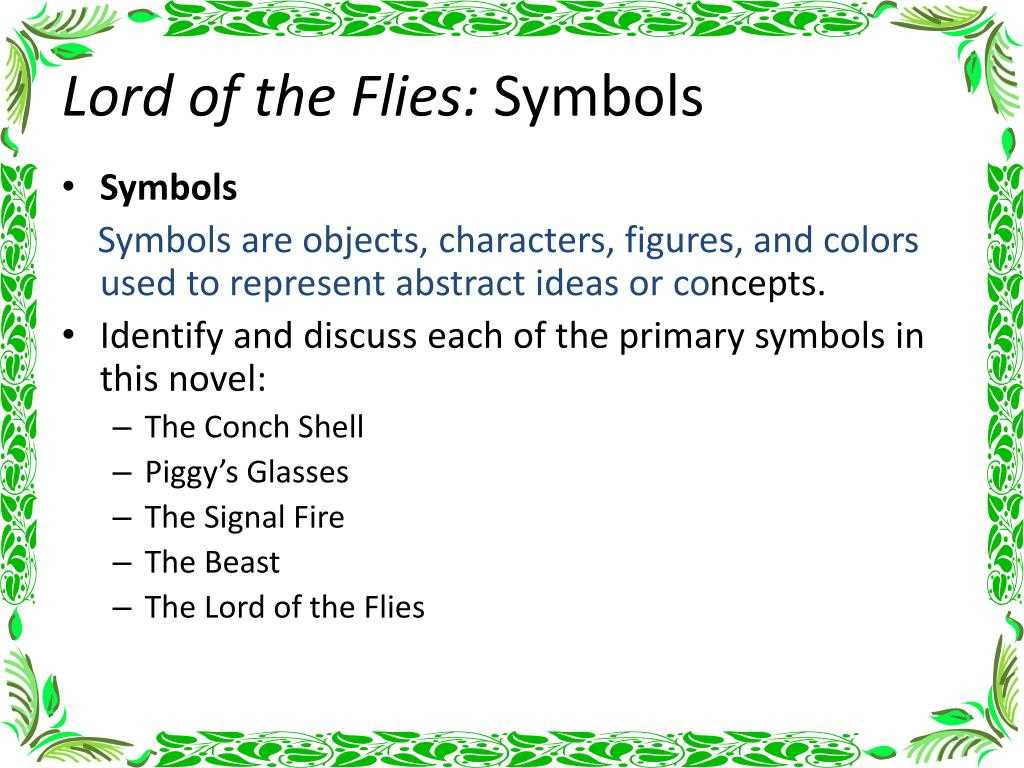
In Chapter 2 of Lord of the Flies, the meeting at the beach serves as a pivotal moment that highlights the boys’ ongoing struggle for power on the island. As the boys gather together, it becomes evident that there is a growing divide between Ralph, the elected leader, and Jack, the head of the choir.
Ralph, with the conch shell, tries to establish order and create rules for the group. He emphasizes the importance of building shelters, maintaining a signal fire, and keeping the signal fire going in case a passing ship might see it and rescue them. However, Jack, driven by a desire for power and control, challenges Ralph’s authority and suggests that hunting should be their immediate priority.
- This disagreement between Ralph and Jack symbolizes their contrasting beliefs and approaches to leadership, with Ralph representing democracy and reason, while Jack represents a more authoritarian and impulsive style of leadership.
- The meeting at the beach also reveals the power dynamics among the boys, with Ralph struggling to maintain control and order as more boys begin to side with Jack’s persuasive rhetoric and promises of adventure through hunting.
- Furthermore, the presence of the conch shell, which acts as a symbol of authority, gives Ralph a temporary advantage in the struggle for power. However, as the story progresses, the significance of the conch shell diminishes, paralleling the weakening of Ralph’s leadership and the rise of Jack’s savage instincts.
Overall, the meeting at the beach in Chapter 2 highlights the boys’ struggle for power, showcasing the clash between Ralph’s democratic leadership and Jack’s desire for dominance. This power struggle becomes a recurring theme throughout the novel, ultimately leading to the disintegration of civilization and the descent into savagery.
Implications of the boys setting fire to the mountain in Chapter 2
The act of setting fire to the mountain in Chapter 2 of Lord of the Flies holds significant implications for the boys on the island. As the fire becomes a recurring motif throughout the novel, its initial symbolism represents hope, rescue, and civilization. The fire serves as a signal to any passing ships or airplanes that there are survivors on the island in need of rescue. However, the boys’ carelessness and lack of organization result in their failure to keep the fire under control, leading to disastrous consequences.
Firstly, the implications of setting fire to the mountain highlight the boys’ growing detachment from civilization and their gradual descent into savagery. The fire, initially intended as a symbol of hope and rescue, becomes a symbol of destruction. The lack of rules and order on the island allows the fire to get out of control, leading to an uncontrollable blaze that destroys a large part of the island’s vegetation. This loss of control not only indicates the boys’ inability to maintain civilized behavior but also foreshadows the violent and destructive nature they will develop as the story progresses.
Furthermore, the boys’ inability to properly tend to the fire reflects their failure to establish an effective system of governance and organization. The fire symbolizes their collective responsibility and cooperation, as it requires everyone’s participation to keep it going and ensure its success as a rescue signal. However, the boys’ lack of leadership and their increasing focus on individual desires and fears prevent them from effectively managing the fire. This failure to maintain the fire signals the breakdown of their attempts at establishing a functioning society and highlights their descent into chaos and anarchy.
In conclusion, the implications of the boys setting fire to the mountain in Chapter 2 go beyond the literal act of starting a fire. It represents their detachment from civilization, their lack of control, and their failure to establish order and organization. The fire becomes a symbol of destruction and chaos, foreshadowing the boys’ descent into savagery and further highlighting the themes of loss of innocence and the breakdown of civilization throughout the novel.
Conclusion
The events in Chapter 2 of “Lord of the Flies” foreshadow the conflicts and challenges the boys will face on the island. The chapter highlights the gradual breakdown of order and the emergence of power struggles among the boys.
Firstly, the disagreements and tensions that arise during the assembly foreshadow the conflicts that will later escalate. The boys already struggle to establish a system of governance and to agree on important decisions. This lack of unity and the growing divisions among the boys will lead to further conflicts and challenges as they try to survive on the island.
Secondly, the death of the young boy with the birthmark and the ensuing panic and guilt experienced by some of the boys foreshadow the moral and emotional challenges they will face. The accidental killing symbolizes the loss of innocence and the destructive nature that can emerge in a survival situation. It also sets the stage for the internal struggle between civilization and savagery that will plague the boys throughout the novel.
Overall, Chapter 2 serves as a preview of the conflicts and challenges the boys will encounter on the island. It sets the tone for the deterioration of order, the emergence of power struggles, and the moral dilemmas they will face. Through these events, the novel explores the darker aspects of human nature and the struggle for survival in a hostile environment.