Unraveling the Mysteries: Lord of the Flies Chapter 9 Questions and Answers

In the ninth chapter of the classic novel “Lord of the Flies” by William Golding, the remaining boys on the island face their darkest hour yet. As the power struggle between Ralph, Jack, and their respective followers intensifies, the boys descend further into savagery and madness. In this chapter, many questions arise about the human nature, morality, and the thin line between civilization and barbarism.
One of the most pressing questions in Chapter 9 is the nature of evil and how it can consume individuals and societies. As the boys’ civilization crumbles, Jack and his hunters become increasingly ruthless and violent, engaging in acts of brutality and even murder. This raises the question of whether evil is inherent in human nature or if it is a result of external circumstances.
Additionally, Chapter 9 explores the theme of fear and its effect on human behavior. As the boys’ fear of the beast grows, they seek solace in rituals and sacrifices to appease their imagined monster. This raises questions about the power of fear to shape and control individuals, as well as the dangers of irrationality and superstition.
The chapter also raises questions about the role of leadership and the limits of authority. Ralph, who has been the democratic leader of the group, struggles to maintain control as Jack’s faction gains strength. This leads to a power struggle that raises questions about the nature of leadership, the qualities necessary for effective governance, and the potential for corruption and abuse of power.
Frequently Asked Questions about Chapter 9 in “Lord of the Flies”
Q: What happens in Chapter 9 of “Lord of the Flies”?
A: In Chapter 9, the boys on the island, who have descended into a state of savagery, kill Simon, mistaking him for the “beast.” They are in a frenzy and their actions symbolize the loss of civilization and the triumph of primitive instincts on the island.
Q: Why do the boys kill Simon?
A: The boys mistake Simon for the “beast” in their heightened state of fear and frenzy. They believe that by killing the “beast,” they will be safe from its threat. However, their killing of Simon is a tragic mistake and reflects their descent into savagery.
Q: How does the author convey the brutality of Simon’s death?
A: The author, William Golding, uses vivid and disturbing imagery to depict Simon’s death. He describes the boys’ frenzied actions, the darkness of the night, and the stormy weather to create a sense of terror and brutality. The scene is also filled with sensory details, such as the sound of thunder and the smell of blood, which add to the intensity of the moment.
Q: What is the significance of Simon’s death in the story?
A: Simon’s death is a pivotal moment in the story that represents the complete breakdown of civilization on the island. It symbolizes the triumph of the boys’ primal instincts and the loss of their humanity. Simon, who possesses a deep understanding of the “beast” and the true nature of evil, becomes a scapegoat for the boys’ fear and aggression.
- Q: What are some important themes in Chapter 9?
- A: Some important themes explored in Chapter 9 include the loss of civilization, the power of fear, the destructive nature of mob mentality, and the thin line between civilization and savagery.
Q: How does Chapter 9 contribute to the overall message of the novel?
A: Chapter 9 serves as a turning point in the novel, driving home the message that without the constraints of society, human beings are capable of descending into savagery. It reinforces the theme of the inherent darkness within humanity and raises questions about the nature of evil and the fragility of civilization.
What happens in Chapter 9 of “Lord of the Flies”?
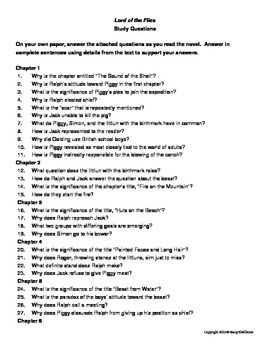
In Chapter 9 of “Lord of the Flies,” the boys on the island experience a terrifying storm that brings destruction and chaos. The chapter begins with the boys taking shelter from the storm in the abandoned fort. As the thunder rolls and the winds howl, the boys are terrified and seek comfort and reassurance from one another.
Amidst the chaos of the storm, the boys’ fear and paranoia reach new heights. The tension between Ralph and Jack escalates as they argue over the existence of the beast. Ralph desperately tries to maintain order and keep the boys focused on the goal of rescue, while Jack uses the storm as an opportunity to challenge Ralph’s leadership and further establish his own control over the group.
- The thunder sends the boys into a frenzy, with some of them crying and screaming.
- Simon, who has been wandering alone in the forest, stumbles upon the lifeless body of the parachutist, which has been mistaken for the beast. In his shock and confusion, Simon comes to a realization about the true nature of the beast that has been haunting the boys.
- Meanwhile, the storm destroys their makeshift shelter and blows away the signal fire, symbolizing the loss of hope and civilization.
Chapter 9 of “Lord of the Flies” is a pivotal moment in the novel, as it marks the further descent of the boys into savagery and the distortion of their perception of reality. The storm serves as a metaphor for the internal struggle within the boys, reflecting their deteriorating mental and moral state.
How does Chapter 9 contribute to the overall narrative?
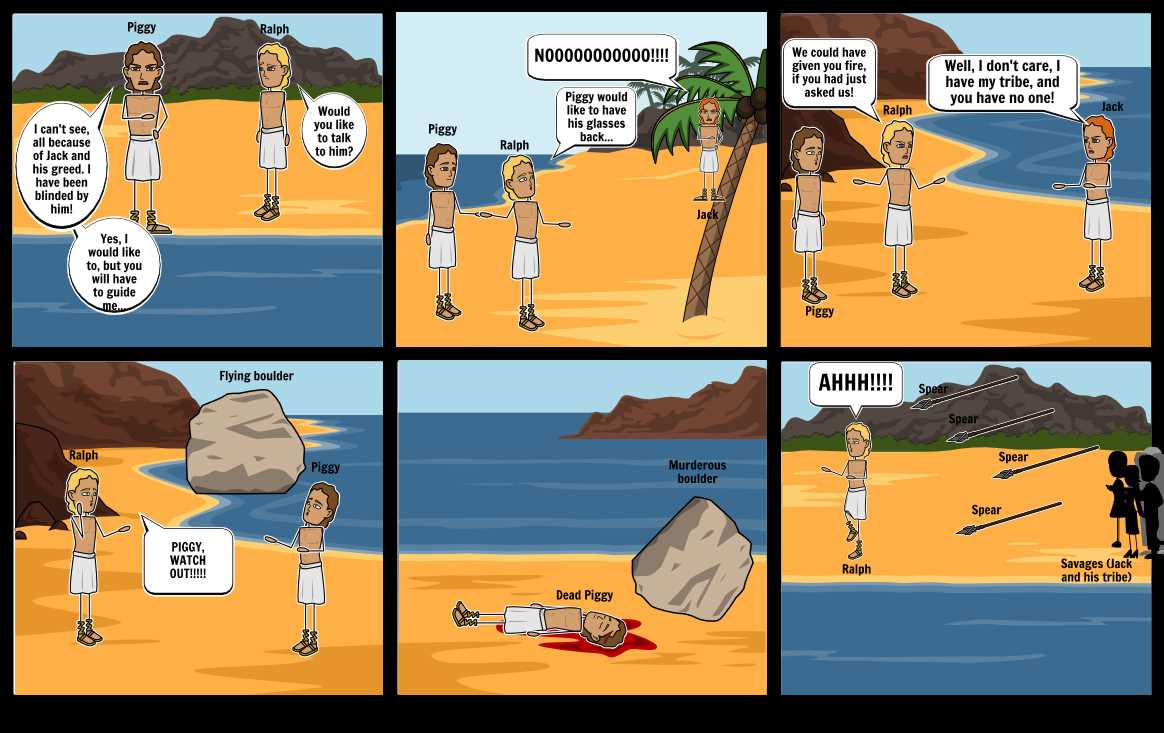
Chapter 9 of “Lord of the Flies” serves as a turning point in the overall narrative of the story. It signifies a major shift in the dynamics among the boys and further explores the themes of fear, power, and civilization versus savagery. The chapter begins with the discovery of the dead pilot, which heightens the boys’ fear and paranoia. This event serves as a catalyst for the escalation of violence and brutality on the island.
Furthermore, Chapter 9 explores the disintegration of the boys’ society and the loss of their previous sense of order and civilization. The once-elected leader, Ralph, is now struggling to maintain control and cohesion among the group, as Jack and his followers become more aggressive and dominant. The chapter highlights the corrupting influence of power and the erosion of moral values as the boys descend further into savagery.
The events in Chapter 9 also foreshadow the ultimate climax and resolution of the story. It sets the stage for the final confrontation between Ralph and Jack, as their opposing ideologies and leadership styles clash. Additionally, the chapter hints at the consequences of the boys’ actions, as the island becomes engulfed in a destructive fire that results in the death of one of the characters.
In summary, Chapter 9 of “Lord of the Flies” is a pivotal chapter that contributes to the overall narrative by delving deeper into the themes of fear, power, and civilization versus savagery. It marks a significant shift in the dynamics among the boys and foreshadows the ultimate climax of the story, as well as the consequences of their actions.
Significance of the Title of Chapter 9 in “Lord of the Flies”
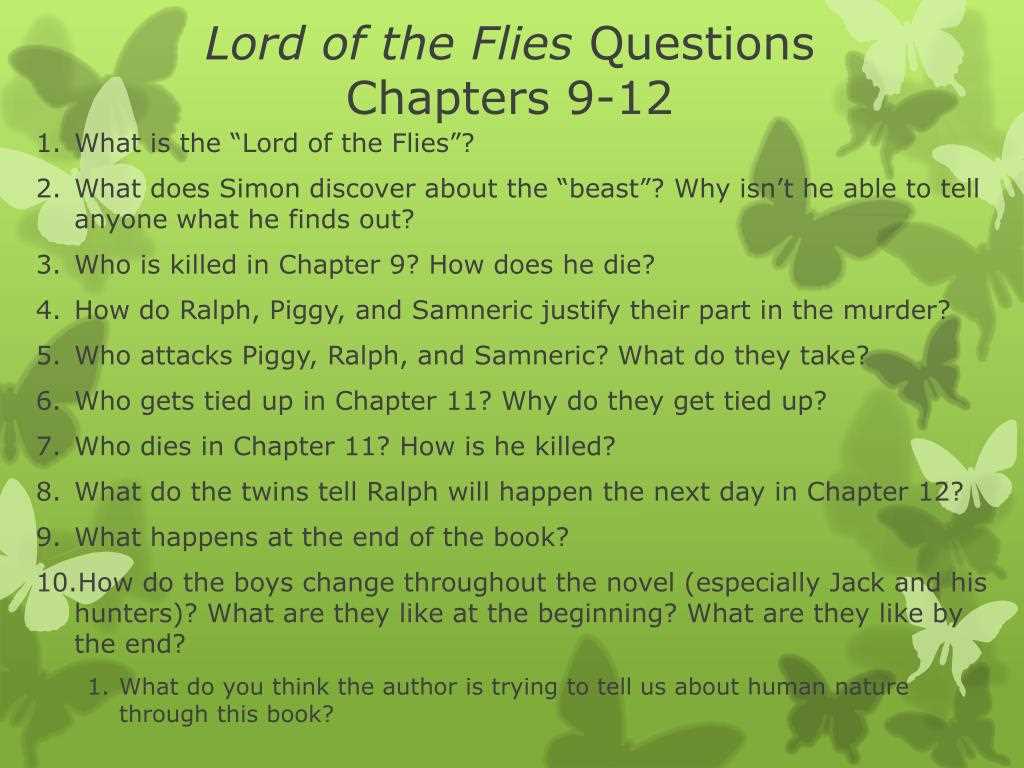
The title of Chapter 9 in Lord of the Flies holds great significance as it reflects the deteriorating civilization and the escalating chaos on the island. The chapter is titled “A View to a Death,” which immediately creates a sense of foreshadowing and suspense. The phrase “A View to a Death” suggests that death is not only looming but also inevitable, and it sets the tone for the dark events that unfold.
The title of the chapter can also be interpreted as a metaphor for the boys’ descent into savagery. The word “view” implies a perspective or observation, suggesting that the events in this chapter will provide insight into the characters’ true nature and the consequences of their actions. The word “death” symbolizes the loss of innocence and the transformation of the boys into ruthless beings capable of violence and cruelty.
In the chapter itself, the title becomes manifest as Simon, a character associated with purity and spirituality, is brutally killed by the other boys. The scene is depicted with vivid and grotesque imagery, emphasizing the loss of humanity and the triumph of savagery. This tragic event marks a turning point in the novel, highlighting the complete breakdown of order and the domination of primal instincts.
The title of Chapter 9 underscores the dark themes of the novel, such as the inherent evil within human nature and the destructive power of fear and violence. It serves as a reminder that even in the face of impending death, the boys fail to recognize the consequences of their actions, further reinforcing the overarching message of the novel.
The Major Themes Explored in Chapter 9

In Chapter 9 of Lord of the Flies, several major themes are further explored, highlighting the depths of the boys’ descent into savagery and the loss of their civilized behavior.
1. The Loss of Innocence:
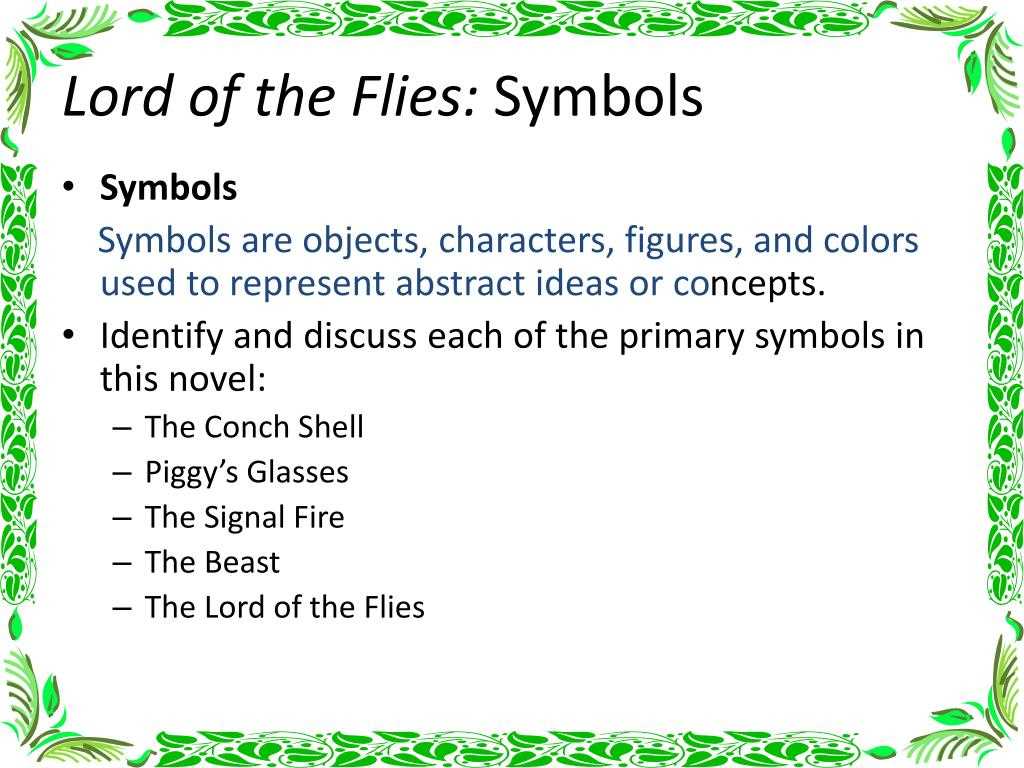
The theme of the loss of innocence is prevalent throughout Chapter 9. As the boys become more detached from civilization, their actions become increasingly violent and cruel. In this chapter, the boys brutally murder Simon in a frenzied state, mistaking him for the beast. This event is a turning point for the boys, symbolizing the complete loss of their innocence and their transformation into savage beings.
2. Fear and Paranoia:
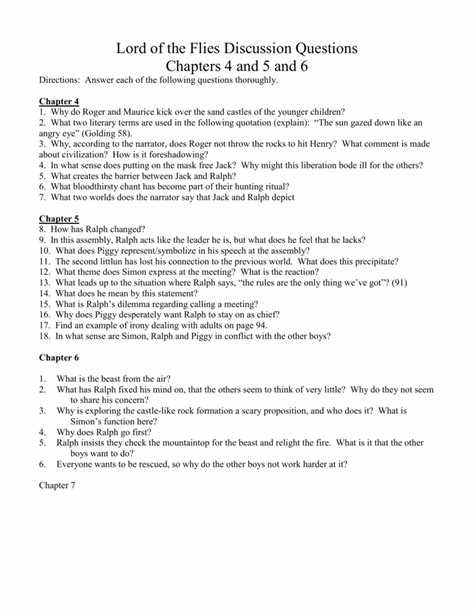
Fear and paranoia continue to consume the boys in Chapter 9. They are haunted by the presence of the beast, which they believe lurks in the darkness of the jungle. The fear of the unknown drives their actions and leads to irrational behavior. The boys’ fear eventually reaches its peak during the brutal murder of Simon, as their paranoia takes control and they succumb to their savage instincts.
3. Mob Mentality and the Power of the Group:
The chapter also explores the theme of mob mentality and the influence of the group. When the boys mistake Simon for the beast, their collective fear and hysteria fuel their actions, leading to the horrific outcome. This highlights the power of the group and how easily individuals can be swayed by the emotions and actions of those around them. The boys lose their individual identities and become a single entity driven by fear and irrationality.
4. The Darkness of Human Nature:
The darkness of human nature is a constant theme in Lord of the Flies, and Chapter 9 delves deeper into this aspect. The boys’ savage actions and their descent into brutality showcase the innate evil that exists within all individuals. The murder of Simon serves as a reminder of the dark impulses that can arise when society and civilization crumble, revealing the true nature of human beings.
In Chapter 9 of Lord of the Flies, the themes of the loss of innocence, fear and paranoia, mob mentality, and the darkness of human nature are further explored, painting a bleak picture of the boys’ descent into savagery.
What role does fear play in Chapter 9?
Fear is a key theme in Chapter 9 of “Lord of the Flies” by William Golding. The boys’ fear intensifies as the tension on the island rises and the situation becomes increasingly dangerous.
One way fear manifests itself in this chapter is through the boys’ belief in the existence of the beast. The boys, particularly those in Jack’s tribe, are convinced that there is a frightening creature haunting the island. This fear drives them to perform ritualistic and violent acts, such as sacrificing a pig’s head to the beast. The fear of the unknown and the perceived threat of the beast leads the boys to descend into savagery and abandon their moral values.
Moreover, fear also fuels the conflict between Ralph and Jack. As the boys become more fearful, they start to lose trust in Ralph’s leadership and turn towards Jack’s more authoritarian rule. Jack takes advantage of their fear, using it to manipulate the other boys and establish his power. His ability to tap into their deepest fears and insecurities gives him an advantage over Ralph, who relies more on reason and fairness.
Overall, fear plays a significant role in Chapter 9 of “Lord of the Flies.” It drives the boys to act irrationally, abandon their moral compass, and follow the strongest leader. Golding explores the destructive power of fear and its ability to corrupt individuals and societies, ultimately leading to chaos and violence.
Character Developments in Chapter 9 of “Lord of the Flies”
Chapter 9 of “Lord of the Flies” showcases significant character developments as the boys on the island descend further into savagery. The following key developments highlight the deterioration of the boys’ moral and ethical values:
-
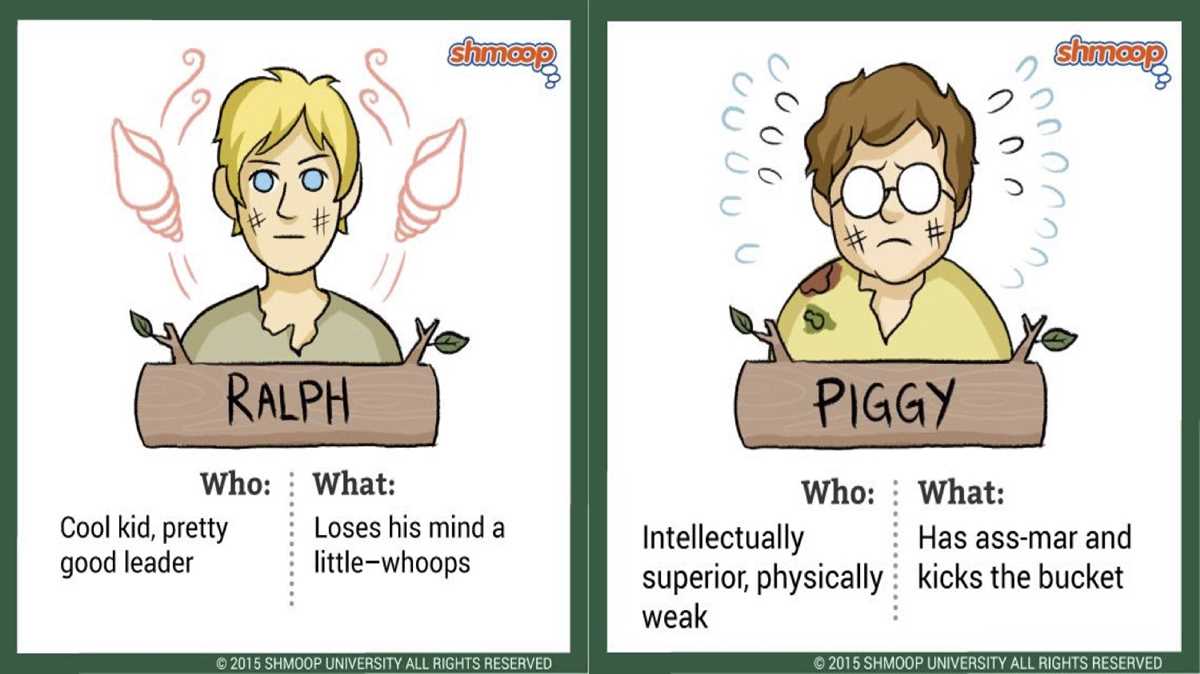
Ralph: Ralph, who represented order and civilization in the beginning, struggles to maintain control and continue his role as the leader. In this chapter, he becomes overwhelmed by the chaos and his own fear, losing sight of their original goal to be rescued. He becomes a symbol of the loss of innocence and the breakdown of society.
-
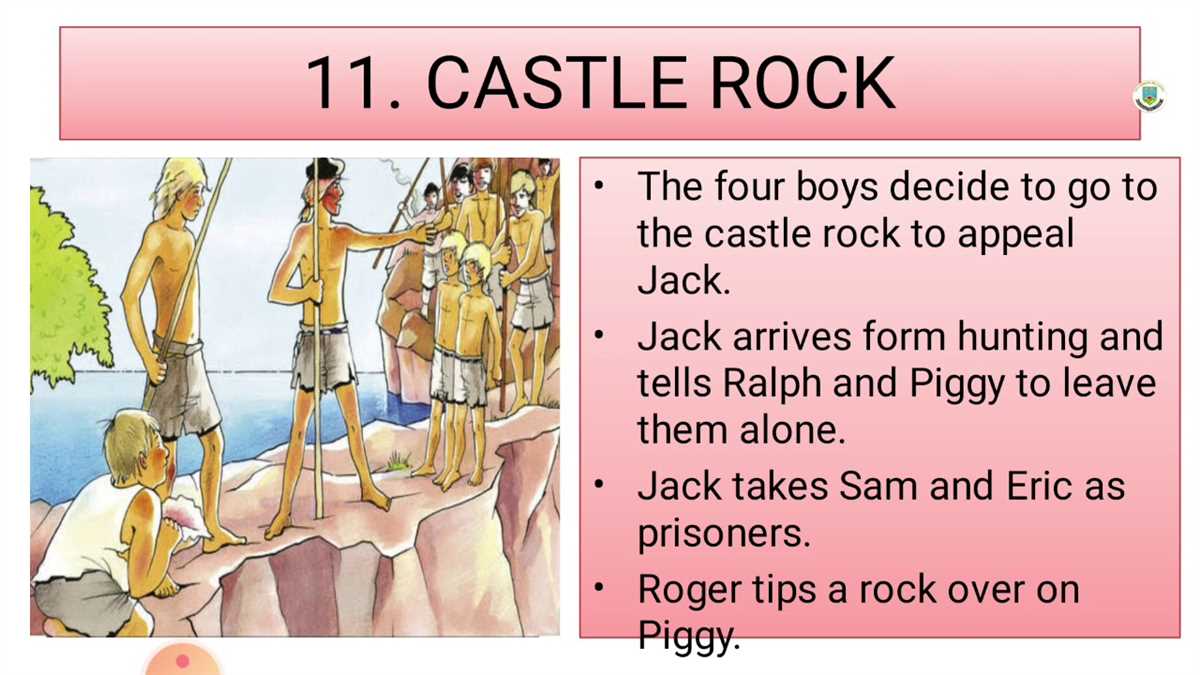
Jack: Jack further embraces his primal instincts and abandons any remaining remnants of civilization. He establishes his own tribe and becomes a symbol of tyranny and anarchy on the island. His obsession with hunting and his lust for power drive him to commit more violent and heinous acts in this chapter.
-
Piggy: Piggy, the voice of reason and intelligence, becomes increasingly marginalized and ignored by the other boys. He continues to represent logic and rationality, but his significance diminishes as the boys lean towards savagery. Piggy’s vulnerability and physical weakness make him an easy target for the more aggressive boys.
-
Simon: Simon, the most spiritually and morally grounded character, experiences a profound vision in this chapter. He hallucinates and believes he is conversing with the pig’s head on a stick, also known as the “Lord of the Flies.” This encounter signifies his confrontation with the evil within themselves and the island. Simon’s subsequent fate highlights the tragic consequences of his attempt to expose the truth.
Overall, Chapter 9 of “Lord of the Flies” portrays the gradual erosion of civilization and morality within the boys. The character developments of Ralph, Jack, Piggy, and Simon illustrate the destructive power of fear, greed, and the innate evil that exists within individuals when removed from society.
Q&A:
What are some key character developments in Chapter 9?
In Chapter 9, one key character development is that the protagonist realizes the importance of friendship and starts to value the relationships they have with others.
What are some key character developments in Chapter 9?
Another key character development in Chapter 9 is that the antagonist begins to question their actions and consider the harm they have caused to others.
What are some key character developments in Chapter 9?
In Chapter 9, a supporting character experiences a personal growth and learns to overcome their fears and insecurities.
What are some key character developments in Chapter 9?
During Chapter 9, a minor character undergoes a transformation and becomes more self-assured and confident.
What are some key character developments in Chapter 9?
One of the key character developments in Chapter 9 is that the protagonist learns a valuable life lesson that changes their perspective and behavior for the better.
What are some key character developments in Chapter 9?
In Chapter 9, several key character developments occur. First, the protagonist experiences a profound realization about his own strengths and weaknesses. This self-awareness leads to a significant change in his behavior and perspective. Additionally, a secondary character undergoes a transformation as well, overcoming their internal conflict and demonstrating growth in their actions and beliefs.