Unraveling the Enigmatic Universe of Lord of the Flies: A Deep Dive into Chapter 9’s Questions and Answers (PDF Included)

The novel “Lord of the Flies” by William Golding is a classic tale of survival and the descent into savagery. In chapter 9, tensions are high as the boys on the island struggle to maintain order and control. This chapter is filled with significant events and moments of reflection that delve into the darker aspects of human nature.
One of the key events in chapter 9 is the death of Simon, one of the more innocent and compassionate boys on the island. His murder is a pivotal moment that reveals the true extent of the boys’ descent into savagery. After his death, the boys face a moral crisis, grappling with feelings of guilt and remorse.
The chapter also raises important questions about the nature of evil and the inherent darkness within all human beings. As the boys lose their connection to civilization and the rules that govern society, they succumb to their primal instincts and engage in violent and destructive behavior.
This chapter is undoubtedly one of the most thought-provoking and impactful in the novel. It prompts readers to reflect on the fragile nature of civilization and the fine line between order and chaos. The questions and answers provided in this PDF will help readers delve deeper into the themes and symbolism in chapter 9 of “Lord of the Flies”.
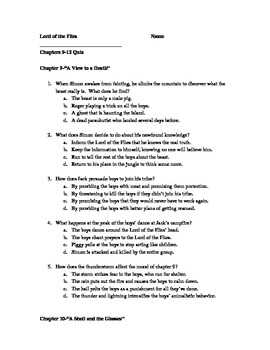
Chapter 9 Questions and Answers from “Lord of the Flies” in PDF Format
In Chapter 9 of “Lord of the Flies,” the boys on the island are faced with the growing fear of the unknown beast and the diminishing hope of rescue. This chapter raises important questions about human nature and the fragility of civilization. Here are some of the key questions and answers from Chapter 9:
1. What is the significance of the “beast” in this chapter?
In this chapter, the boys’ fear of the “beast” becomes more intense as they start to believe that it is a tangible threat lurking in the darkness. The “beast” symbolizes the boys’ inner savagery, their fear of the unknown, and their loss of civilization. It represents the growing darkness within them and the disintegration of their society.
2. How does the hunt for the beast reflect the boys’ descent into savagery?
The hunt for the beast shows the boys’ increasing obsession with violence and destruction. They become more ruthless and brutal as they search for the creature, showing no mercy even to each other. This reflects their descent into savagery and their abandonment of the values and rules of civilization.
3. What role does Simon play in this chapter?
Simon, the most intuitive and insightful of the boys, tries to convey the truth about the “beast” to the others. However, his attempts are met with rejection and violence. Simon’s encounter with the “Lord of the Flies” symbolizes his deep understanding of the evil within each person. His brutal murder by the other boys signifies the triumph of darkness and savagery over reason and compassion.
4. How does the ending of the chapter foreshadow future events?
The ending of the chapter, with Ralph and Piggy being the only ones left on the beach, foreshadows the further disintegration of the boys’ society. It suggests that the rule of law and order no longer exists and that chaos and violence will prevail. This sets the stage for the tragic events that occur in the following chapters.
This chapter raises important questions about the nature of humanity, the fragility of civilization, and the capacity for both good and evil within each person. It serves as a turning point in the novel, marking the point of no return for the boys’ descent into darkness.
Exploring Chapter 9 of “Lord of the Flies”: Key Points
In chapter 9 of “Lord of the Flies,” titled “A View to a Death,” the intensity of the boys’ situation on the island reaches a new level. The chapter opens with the arrival of a parachutist, mistakenly thought to be the Beast, which further fuels the fear and paranoia among the boys.
The key points in this chapter include:
- The boys’ increasing savagery: As fear grips the boys, they become more prone to violence and irrational behavior. The killing of the parachutist, who they believe to be the Beast, highlights their descent into barbarity.
- The power struggle between Ralph and Jack: The tension between Ralph and Jack intensifies in this chapter, with Jack openly challenging Ralph’s leadership and gaining more followers.
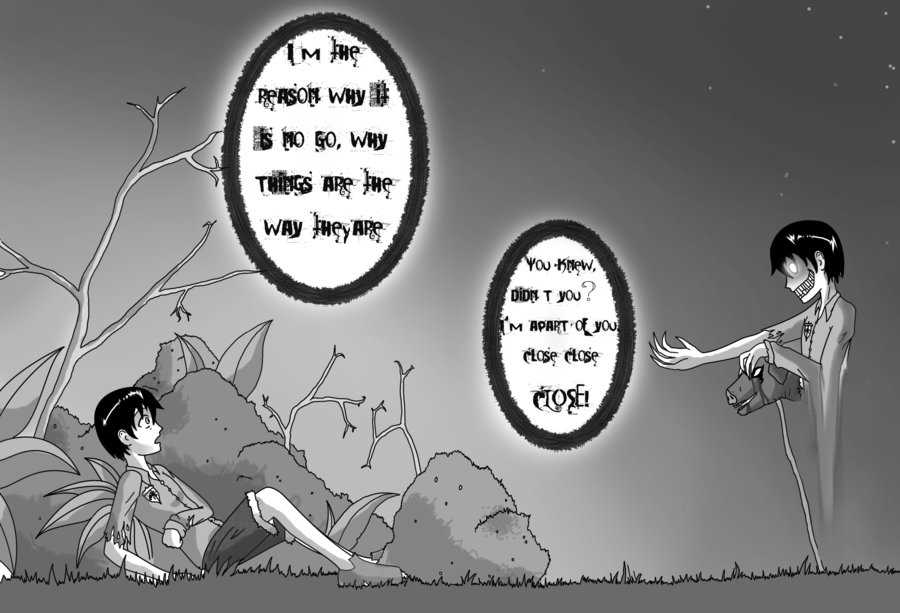
- Simon’s encounter with the Lord of the Flies: In a hallucinatory moment, Simon confronts the severed pig’s head, referred to as the Lord of the Flies. This haunting encounter reveals the savage nature lurking within the boys.
- The loss of civilization: The boys’ actions in this chapter further demonstrate their detachment from the rules and norms of society. The killing of the parachutist and the brutal attack on Simon signify their descent into savagery.
- The fading hope: As the story progresses, hope for rescue and a return to civilization diminishes. The boys are becoming more resigned to their new, primal existence on the island.
This chapter serves as a turning point in the novel, as the boys’ savage tendencies become more pronounced and the struggle for power between Ralph and Jack intensifies. The arrival of the parachutist adds a new layer of fear and uncertainty, pushing the boys closer to their breaking point.
Understanding the Themes Explored in Chapter 9 of “Lord of the Flies”
In Chapter 9 of “Lord of the Flies” by William Golding, the themes of power and civilization are further explored as the boys on the island continue to descend into chaos and savagery. The chapter opens with the boys still under the influence of their violent dance, highlighting the loss of control and the primal instincts that have taken hold of them. The power struggle between Jack and Ralph becomes more pronounced as Jack and his followers become increasingly ruthless and violent, while Ralph struggles to maintain order and civilization.
One of the main themes in this chapter is the corrupting nature of power. As Jack gains more control over the boys, he becomes more tyrannical and dictatorial. He uses fear and intimidation to assert his authority and manipulates the other boys into following his every command. This reflects the destructive potential of power and how it can corrupt even those who initially had good intentions. The contrast between Ralph’s democratic approach and Jack’s autocratic rule further emphasizes the theme of power and its consequences.
Another theme explored in this chapter is the fragility of civilization. As the boys become more savage and lose touch with their civilized selves, the remnants of their former society begin to crumble. The conch, which once symbolized order and democracy, is now disregarded and mocked by the boys. This symbolizes the breakdown of civilization and the triumph of chaos. The boys’ inability to maintain order and establish a collective sense of responsibility underscores the theme of civilization’s fragility.
Overall, Chapter 9 of “Lord of the Flies” delves deeper into the themes of power and civilization. It presents a chilling portrayal of how power can corrupt and destroy, and how easily civilization can unravel in the face of primal instincts and the absence of authority. Golding uses this chapter to remind us of the importance of maintaining order and the dangers of unchecked power.
Analyzing Character Development in Chapter 9 of “Lord of the Flies”
In the ninth chapter of “Lord of the Flies,” the characters’ development takes a dark and drastic turn. As the boys descend further into savagery, their true natures become increasingly apparent. The chapter begins with the boys gathered around the fire, while Ralph tries to maintain order and focus on the hope of rescue. However, as tensions rise, the boys’ true selves are revealed.
One of the most significant character developments in Chapter 9 is the transformation of Jack. Previously, Jack had been a charismatic and ambitious leader, eager to assert his authority and gain power. However, in this chapter, his desire for power becomes even more pronounced, as he forms his own tribe and encourages the boys to join him in rebellion against Ralph’s leadership. This demonstrates Jack’s descent into savagery and his willingness to abandon the morals and rules of civilization.
Additionally, the character of Roger also undergoes a significant development in this chapter. Previously portrayed as a quiet and obedient follower, Roger demonstrates his true sadistic nature in this chapter. He takes pleasure in tormenting and torturing the helpless and defenseless Piggy, ultimately leading to his death. This transformation highlights the extent to which the boys have abandoned their moral compasses and embraced their savage instincts.
The character of Ralph, however, remains steadfast in his determination to maintain order and focus on rescue. Despite the growing chaos and violence around him, Ralph continues to assert his authority and strive for unity among the boys. However, his efforts are met with resistance and betrayal, as the other boys choose to follow Jack’s savage leadership instead. This highlights the tragic irony of Ralph’s character, as he represents the remnants of civilization in a world consumed by savagery.
In conclusion, Chapter 9 of “Lord of the Flies” provides a compelling analysis of character development. Through the transformations of Jack, Roger, and Ralph, the author showcases the dark and destructive consequences of human nature when stripped of the restraints of society. The chapter serves as a poignant reminder of the thin veneer of civilization and the beast that lurks within each of us.
Examining the Symbolism in Chapter 9 of “Lord of the Flies”

In Chapter 9 of William Golding’s novel “Lord of the Flies,” the symbolism becomes even more prevalent as the boys continue their descent into savagery. As they struggle to maintain order and civilization, the symbols in the novel reflect their gradual loss of humanity and the disintegration of their society.
One of the key symbols in this chapter is the fire. The fire, which initially represented hope and the possibility of rescue, now serves as a destructive force. The boys, in their obsession with hunting and violence, allow the signal fire to go out, symbolizing their abandonment of civilization and their descent into chaos. The extinguished fire also foreshadows the arrival of the naval officer and the boys’ return to the adult world, where they will face the consequences of their actions.
Another symbol in this chapter is the sow’s head, also known as the “Lord of the Flies.” This grotesque and decaying head represents the inherent evil within humanity and the boys’ own inner savagery. It taunts Simon, who is the only boy to fully comprehend the darkness within themselves, and serves as a reminder of the brutal and inhumane actions they have committed. The “Lord of the Flies” also foreshadows the violent death of Simon, as he is brutally murdered by the other boys in a frenzied state of fear and savagery.
Additionally, the storm that engulfs the island in this chapter symbolizes the increasing chaos and turmoil among the boys. The storm symbolizes their internal struggle between their remaining shreds of humanity and their growing desire for violence and power. The violent weather reflects their own inner turmoil and foreshadows the impending turmoil within their society, which culminates in Simon’s death and the arrival of the naval officer.
In conclusion, Chapter 9 of “Lord of the Flies” is rich in symbolism, depicting the boys’ descent into savagery and the disintegration of their society. The fire, the sow’s head, and the storm all serve as powerful symbols, representing the loss of civilization, the inherent evil within humanity, and the increasing chaos and turmoil among the boys. Through these symbols, Golding explores the dark and primal instincts that can take hold of even the most civilized individuals when placed in extreme circumstances.
Discussing the Importance of Chapter 9 in the Overall Narrative of “Lord of the Flies”
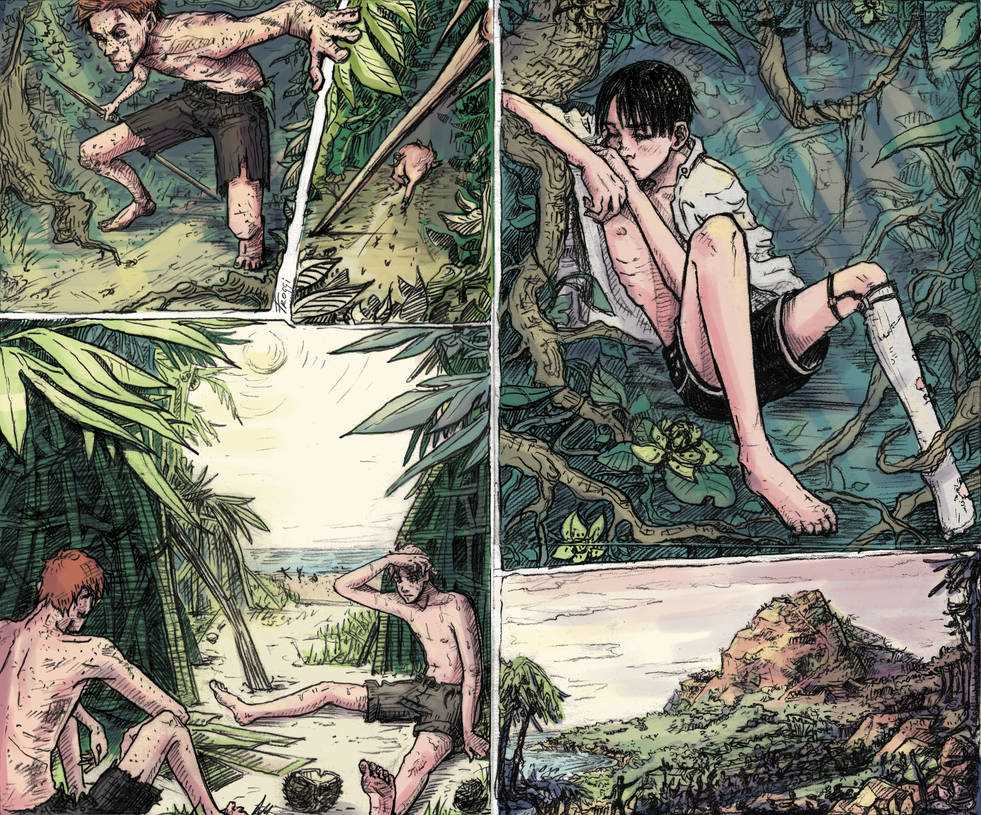
Chapter 9 of “Lord of the Flies” plays a crucial role in the overall narrative, as it marks a pivotal turning point in the boys’ descent into savagery and the loss of civilization. This chapter is significant as it demonstrates the complete breakdown of order and the dominance of fear and violence among the boys on the island.
One of the key events in Chapter 9 is the murder of Simon, the only character who fully grasps the true nature of the “beast.” As Simon stumbles upon the dead pilot and has an epiphany about the “beast” being within themselves, he decides to go to the boys and convey the truth. However, in their frenzied state, the boys mistake Simon for the beast and brutally murder him. This brutal act symbolizes the complete loss of innocence and the triumph of darkness and chaos. It also foreshadows the tragic events that follow in the subsequent chapters.
This chapter also highlights the growing division and power struggle among the boys. Ralph and Piggy become increasingly marginalized as Jack and his hunters gain more control and influence over the group. The boys’ irrational fear and obsession with the beast enable Jack to manipulate them, thus enabling his ascent to power. This power shift sets the stage for the intensified conflict between Ralph and Jack in the later chapters, leading to the ultimate destruction of the conch and the eruption of violence.
Additionally, Chapter 9 further explores the theme of the inherent darkness and evil within human nature. It delves deeper into the psychological and emotional deterioration of the boys, showcasing their descent into savagery. The savage rituals and frenzied dancing around the fire symbolize the loss of their humanity and the dominance of their primal instincts. This dark exploration of human nature serves as a haunting reminder of the potential for violence and destruction in all individuals.
In conclusion, Chapter 9 of “Lord of the Flies” is a pivotal chapter that drives the narrative towards its tragic climax. It highlights the complete breakdown of order and morality, the struggle for power, and the exploration of the inherent darkness in human nature. This chapter leaves readers with a sense of urgency and anticipation as they witness the boys’ relentless journey towards their inevitable downfall.
Answering Common Questions about Chapter 9 of “Lord of the Flies”
Chapter 9 of “Lord of the Flies” is a pivotal moment in the novel, as it marks the violent climax of the boys’ descent into savagery. It raises several important questions about human nature and the consequences of unchecked power. In this section, we will answer some common questions that readers may have about this chapter.
1. What is the significance of the title “A View to a Death”?
The title “A View to a Death” foreshadows the violent events that occur in this chapter. It suggests that death is imminent and that the boys will witness it firsthand.
2. Why does Simon confront the beast alone?
Simon, who possesses an understanding of the true nature of the “beast,” ventures into the forest alone to confirm his suspicions. He is driven by a desire to reveal the truth to the others and to restore order to the group.
3. What does Simon’s encounter with the Lord of the Flies symbolize?
Simon’s encounter with the Lord of the Flies represents his confrontation with the evil within himself and within the other boys. It symbolizes the dark and primal instincts that have taken hold of them and led to their descent into savagery.
4. Why do the boys mistake Simon for the beast?
The boys mistake Simon for the beast because they are in a frenzied and paranoid state. They are blinded by fear and unable to distinguish between reality and their own distorted perceptions.
5. What is the significance of Simon’s death?
Simon’s death serves as a tragic reminder of the destructive power of fear and savagery. It further emphasizes the loss of innocence and the complete breakdown of society on the island.
6. How does the chapter end?
The chapter ends with Simon’s lifeless body being swept away by the ocean. The boys, in their frenzied state, mistake his lifeless corpse for the beast and continue their savage ritualistic dance.
In conclusion, chapter 9 of “Lord of the Flies” explores the darkest aspects of human nature and the devastating consequences of unchecked power. It raises thought-provoking questions about the capacity for evil within all individuals and the fragile nature of society. The events in this chapter serve as a turning point in the novel and set the stage for the tragic climax that follows.