The Deeper Meanings: Unveiling Insights from Matthew Chapter 1-10
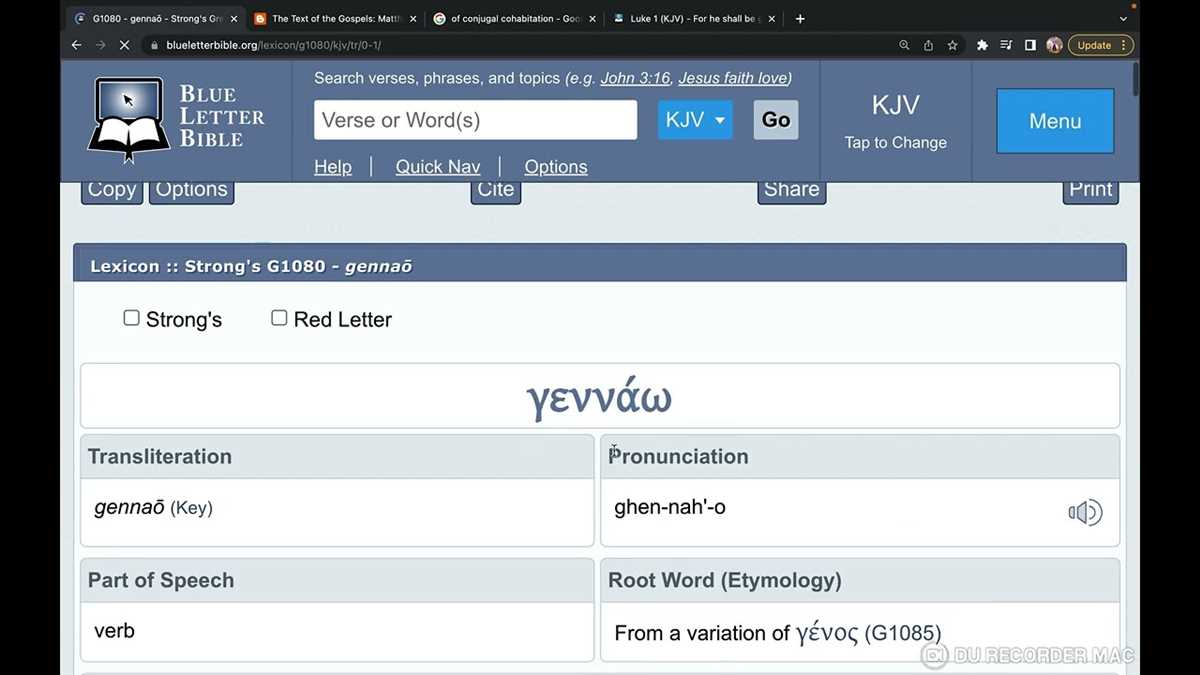
The Gospel of Matthew is the first book of the New Testament and is widely regarded as one of the most important texts in Christianity. It tells the story of the life and teachings of Jesus Christ, and is a valuable resource for those looking to understand the foundations of the Christian faith. Chapters 1-10 of Matthew’s Gospel contain a wealth of information, and raise many thought-provoking questions.
One of the main themes in these chapters is the genealogy of Jesus Christ. Matthew begins his Gospel by listing the genealogy of Jesus, tracing his lineage back to Abraham. This raises the question of why Matthew placed such importance on Jesus’ lineage, and what it signifies for his identity as the Messiah.
Another important theme in these chapters is the role of the disciples. Jesus calls his disciples to follow him and be his witnesses to the world. This raises the question of what it means to be a disciple of Jesus, and how we can apply the lessons learned from the disciples’ experiences to our own lives.
Furthermore, chapters 1-10 of Matthew’s Gospel contain some of Jesus’ most famous teachings, such as the Sermon on the Mount. This raises questions about the nature of Jesus’ teachings and their relevance to our lives today. What can we learn from Jesus’ teachings, and how can we apply them to our own lives?
In this article, we will delve into these questions and more, exploring the rich teachings and stories found in Matthew chapters 1-10. By gaining a deeper understanding of this text, we can gain insight into the life and teachings of Jesus Christ and their significance for our lives today.
Chapter 1 Questions and Answers
In Chapter 1 of the book of Matthew, there are several important questions and answers that shed light on the lineage of Jesus and the circumstances surrounding his birth. Here are some questions and their corresponding answers:
Question 1: Who were the ancestors of Jesus according to the genealogy in Matthew?
The answer to this question can be found in Matthew 1:1-17, where the genealogy of Jesus is presented. It traces Jesus’ ancestry back to Abraham through the lineage of David. The list includes several notable figures such as Solomon, Boaz, and Rahab.
Question 2: What was Joseph’s initial reaction to Mary’s pregnancy?
This question is addressed in Matthew 1:19. Joseph, who was engaged to Mary, discovered that she was pregnant before they came together as husband and wife. Initially, he planned to divorce her quietly to avoid exposing her to public disgrace.
Question 3: How did Joseph come to accept Mary’s pregnancy?
The answer to this question is provided in Matthew 1:20-24. An angel appeared to Joseph in a dream and explained that Mary’s child was conceived through the Holy Spirit. The angel reassured Joseph that he should not be afraid to take Mary as his wife and that the child would be a son named Jesus.
Question 4: What prophecy did the birth of Jesus fulfill?
This question is addressed in Matthew 1:22-23. The birth of Jesus fulfilled the prophecy spoken by Isaiah, which stated that a virgin would conceive and give birth to a son who would be called Immanuel, meaning “God with us.”
Question 5: Who visited Jesus after his birth?
In Matthew 2:1-12, it is revealed that wise men from the east came to Jerusalem and asked about the whereabouts of the newborn king of the Jews. They followed a star that led them to Jesus, and they presented him with gifts of gold, frankincense, and myrrh.
Question 6: How did Joseph protect Jesus from Herod’s wrath?
The answer can be found in Matthew 2:13-15. In order to protect Jesus from King Herod, who sought to kill him, Joseph was warned in a dream to flee to Egypt with his family. They stayed there until Herod’s death, fulfilling another prophecy that stated, “Out of Egypt I called my son.”
Purpose of Matthew Chapter 1

Matthew chapter 1 serves as the introduction to the Gospel of Matthew and is often referred to as the genealogy of Jesus Christ. This chapter emphasizes the fulfillment of Old Testament prophecies regarding the lineage of the Messiah, as it traces the genealogy of Jesus back to Abraham and David.
The purpose of Matthew chapter 1 is to establish Jesus’ legal and royal credentials as the promised Messiah. The genealogy presented in this chapter demonstrates that Jesus is the rightful heir to the throne of David, as well as the descendant of Abraham, fulfilling the promises made to them by God.
This chapter also highlights the inclusion of various individuals in Jesus’ genealogy who were considered outsiders or had questionable reputations. This emphasizes Jesus’ mission to reach all people, regardless of their background or past, and to bring salvation to everyone.
Overall, the purpose of Matthew chapter 1 is to establish the legitimacy and significance of Jesus as the long-awaited Messiah, who fulfills the Old Testament prophecies and brings salvation to all. It sets the foundation for the rest of the Gospel, highlighting Jesus’ role in God’s redemptive plan for humanity.
Who are the key characters in Matthew chapter 1?
In Matthew chapter 1, several key characters play important roles in the genealogy of Jesus Christ. These characters are mentioned in the opening verses of the chapter and are crucial in establishing the lineage of Jesus.
1. Abraham: The chapter begins with the mention of Abraham, who is considered the father of the nation of Israel. He is an important figure in the Old Testament and plays a significant role in God’s plan for salvation.
2. David: King David, the great warrior and ruler of Israel, is another significant character mentioned in Matthew chapter 1. His lineage is traced back to Abraham, and it is through David’s line that the Messiah, Jesus, is prophesied to come.
3. Joseph: Joseph, the earthly father of Jesus, is also a central character in this chapter. Although not a biological father, Joseph is included in Jesus’ genealogy because he played a vital role in raising and nurturing Jesus during his time on earth.
4. Mary: While not explicitly mentioned in the genealogy in Matthew chapter 1, Mary, the mother of Jesus, is an essential character in the story of Jesus’ birth. She is a key figure in the fulfillment of Old Testament prophecies regarding the birth of the Messiah.
5. Jesus: The most crucial character in Matthew chapter 1 is Jesus himself. The genealogy leads up to his birth and establishes his lineage as the descendant of Abraham and the rightful heir to the throne of David. Jesus is the central figure in the New Testament and the focal point of God’s redemptive plan for humanity.
In summary, the key characters in Matthew chapter 1 are Abraham, David, Joseph, Mary, and Jesus. Each character plays a unique role in the genealogy and birth of Jesus Christ, highlighting the fulfillment of Old Testament prophecies and God’s plan for salvation.
The Significance of the Genealogy in Matthew Chapter 1
The genealogy presented in Matthew chapter 1 holds significant importance in understanding the lineage of Jesus Christ. It serves as a historical record and validation of Jesus’ ancestry, establishing his rightful place as the Messiah and fulfilling Old Testament prophecies.
Validation of Jesus’ Messianic Claim: Throughout the genealogy, Matthew highlights key figures, such as Abraham and David, who played crucial roles in God’s plan for salvation. By tracing Jesus’ lineage back to these revered ancestors, Matthew establishes his Messianic claim and connects him to the promises made in the Old Testament.
“…the son of Abraham, the son of David” (Matthew 1:1) affirms Jesus’ direct lineage to these significant figures and sets the stage for his ultimate fulfillment of the Messianic prophecies.
Fulfillment of Old Testament Prophecies: The genealogy in Matthew chapter 1 demonstrates how Jesus fulfills the numerous prophecies concerning the coming Messiah. One notable example is the prophecy found in 2 Samuel 7:12-13, where God promises to establish the throne of David forever.
The genealogy clearly shows Jesus’ descent from David, thus fulfilling this specific prophecy and affirming his rightful place as the long-awaited Messiah.
Emphasis on God’s Plan: The genealogy in Matthew chapter 1 also emphasizes God’s sovereignty and his meticulous plan for salvation. It includes both significant figures and individuals with questionable backgrounds, highlighting God’s ability to work through imperfect human history to bring about his ultimate purpose.
The inclusion of women like Tamar, Rahab, and Bathsheba showcases God’s ability to redeem and use individuals from all walks of life in his plan. It serves as a reminder that Jesus came to save all people, regardless of their past or social standing.
Conclusion: In conclusion, the genealogy in Matthew chapter 1 holds great significance as it validates Jesus’ Messianic claim, fulfills Old Testament prophecies, and emphasizes God’s overarching plan of redemption. It provides a historical and spiritual context for Jesus’ ministry and underscores his rightful place as the long-awaited Savior.
Chapter 2 Questions and Answers
1. Who visited Jesus after his birth?
The Magi, also known as the Wise Men or Three Kings, visited Jesus after his birth. They came from the east, guided by a star, and brought gifts of gold, frankincense, and myrrh.
2. Where did the Magi find Jesus?
The Magi found Jesus in Bethlehem. The star that guided them stopped over the place where Jesus was with Mary, his mother.
3. Why did the Magi bring gifts to Jesus?
The Magi brought gifts to Jesus as a way to honor and worship him. The gifts of gold, frankincense, and myrrh were valuable and symbolic, representing Jesus’ kingship, divinity, and future sacrifice.
4. How did Herod react when he heard about the birth of Jesus?
Herod was troubled when he heard about the birth of Jesus. He saw Jesus as a potential threat to his own power and authority, so he devised a plan to find and kill him. He asked the Magi to inform him of Jesus’ whereabouts, but they were warned in a dream not to return to Herod.
5. How did Joseph and his family escape from Herod?
When Joseph was warned in a dream about Herod’s plan, he took Mary and Jesus and fled to Egypt. They stayed there until Herod died, and then they returned to Israel.
6. What was the prophecy that was fulfilled in the escape to Egypt?
The escape to Egypt fulfilled the prophecy that was spoken by the prophet Hosea: “Out of Egypt I called my son.” This prophecy referred to the Messiah, who would come out of Egypt just as the Israelites did during the Exodus.
- Overall, Chapter 2 of Matthew provides important details about the birth of Jesus and the events that followed.
- The visit of the Magi signifies the recognition of Jesus as the King of the Jews by outsiders.
- Herod’s reaction highlights the threat that Jesus posed to those in power, leading to his attempt to eliminate him.
- Joseph’s obedience to the divine warning ensured the safety of his family and fulfilled prophecies from the Old Testament.
Through these events, Matthew establishes Jesus’ identity as the long-awaited Messiah and shows how his birth and life were intertwined with ancient prophecies and the fulfillment of God’s plan.
What events take place in Matthew chapter 2?
In Matthew chapter 2, several significant events occur that are foundational to the story of Jesus’ birth and early life. Here is a summary of these events:
The visit of the Magi: The chapter begins with the arrival of a group of magi from the East in Jerusalem. They have seen a star that signifies the birth of a king and have come to worship him. King Herod, upon hearing this news, is troubled and consults with the religious experts to determine where the Messiah is to be born. The magi are directed to Bethlehem and continue their journey.
The star leads the way: As the magi travel to Bethlehem, the star they had seen rises ahead of them and leads them to the exact location of the child Jesus. They are overjoyed and present him with gifts of gold, frankincense, and myrrh. In a dream, they are warned not to return to Herod, so they depart for their own country by another route.
The escape to Egypt: An angel appears to Joseph in a dream, instructing him to flee to Egypt with Mary and the child Jesus. They stay there until Herod’s death, fulfilling the prophecy that Jesus would be called out of Egypt. This event is known as the Flight into Egypt.
The massacre of the infants: When Herod realizes that the magi will not return to him, he becomes furious and orders the massacre of all male children in Bethlehem and its vicinity who are two years old and younger. This tragic event fulfills the prophecy of Jeremiah, and it highlights the threat that Jesus’ birth poses to the existing political powers.
The return to Nazareth: After Herod’s death, an angel once again appears to Joseph in a dream, instructing him to return to the land of Israel. Joseph and his family settle in the town of Nazareth in Galilee, fulfilling yet another prophecy that Jesus would be called a Nazarene.
In Matthew chapter 2, we see the fulfillment of ancient prophecies, the arrival of the wise men, the flight to Egypt, the tragic massacre of the infants, and the establishment of Jesus’ childhood home in Nazareth. These events set the stage for the unfolding of Jesus’ ministry and the fulfillment of God’s plan for salvation.
How does Matthew chapter 2 fulfill Old Testament prophecy?
Matthew chapter 2 is significant because it shows how the events surrounding the birth of Jesus fulfill Old Testament prophecies. One of the main prophecies it fulfills is the prophecy found in Micah 5:2, which states that the Messiah will be born in Bethlehem.
In Matthew 2:1-6, the wise men from the East come to Jerusalem seeking the one who has been born King of the Jews. When King Herod asks the religious leaders where the Messiah is supposed to be born, they quote Micah 5:2, saying that the Messiah will be born in Bethlehem. This prophecy is then fulfilled when Jesus is born in Bethlehem, as stated in Matthew 2:1-2.
- Matthew 2 also fulfills the prophecy found in Hosea 11:1, which states that God will call his son out of Egypt.
- After the visit of the wise men, an angel appears to Joseph in a dream and tells him to take Jesus and his mother and escape to Egypt. This fulfills the prophecy in Hosea 11:1, as stated in Matthew 2:13-15.
- Matthew 2:16-18 also fulfills the prophecy found in Jeremiah 31:15, which describes the grief that would come upon the people of Bethlehem because of King Herod’s massacre of the children.
In conclusion, Matthew chapter 2 shows how the events surrounding the birth of Jesus fulfill Old Testament prophecies, specifically the prophecies of the Messiah being born in Bethlehem (Micah 5:2), the Messiah being called out of Egypt (Hosea 11:1), and the grief that would come upon Bethlehem (Jeremiah 31:15). These fulfillments serve as further evidence of Jesus’ identity as the Messiah.
What are the main themes in Matthew chapter 2?
In Matthew chapter 2, several important themes are explored which provide insight into the story of Jesus’ birth and the events that followed. These themes include the fulfillment of prophecy, the opposition to Jesus by earthly authorities, and the recognition and worship of Jesus as the true King.
Fulfillment of Prophecy
Throughout Matthew chapter 2, the writer emphasizes the fulfillment of Old Testament prophecies regarding the birth and life of Jesus. The visit of the Magi from the east, who came to worship the newborn king, is seen as the fulfillment of prophecies in Micah 5:2 and Isaiah 60:3. The escape of Jesus and his family to Egypt to avoid Herod’s wrath is also seen as fulfilling the prophecy in Hosea 11:1. This theme highlights the divine plan and purpose behind Jesus’ birth and reinforces his identity as the long-awaited Messiah.
Opposition to Jesus by Earthly Authorities
In Matthew chapter 2, Herod, the king of Judea, feels threatened by the news of a newborn king. He sees Jesus as a rival to his own throne and seeks to eliminate him by ordering the massacre of all male infants in Bethlehem. This opposition to Jesus by a powerful earthly authority foreshadows the later conflict between Jesus and the religious and political leaders of his time. It also serves as a reminder that the arrival of Jesus challenges the established power structures and calls for a different way of life.
Recognition and Worship of Jesus as the True King
Despite the opposition, Matthew chapter 2 also highlights the recognition and worship of Jesus as the true King. The Magi, upon finding Jesus, offer him gifts and worship him as the King of the Jews. This act of worship by Gentiles emphasizes the universal significance of Jesus’ birth. Additionally, Joseph and Mary’s obedience to the angel’s instructions, as well as their reverence for Jesus as the Son of God, further affirm Jesus’ identity as the rightful King.
Overall, Matthew chapter 2 portrays the fulfillment of prophecy, the opposition to Jesus by earthly authorities, and the recognition and worship of Jesus as the main themes. These themes contribute to the narrative of Jesus’ birth and lay the foundation for his ministry and the eventual fulfillment of his mission on earth. The chapter serves as a reminder of the significance of Jesus’ birth and the profound impact he would have on the world.