The Ultimate Microbiology Final Exam Study Guide: Ace Your Test with These Proven Tips and Strategies

Microbiology is the branch of science that deals with the study of microorganisms, such as bacteria, viruses, fungi, and parasites. Understanding microbiology is essential for various fields, including medicine, agriculture, and environmental science. As the final exam approaches, it is crucial to review and consolidate your knowledge in this area to ensure success.
One key area to focus on when studying for the microbiology final exam is understanding the characteristics, classification, and identification of microorganisms. This includes knowing the different types of bacteria, viruses, fungi, and parasites, as well as their structures, life cycles, modes of transmission, and methods of cultivation. Additionally, it is important to familiarize yourself with the various techniques used in microbiology, such as staining, microscopy, and molecular biology techniques.
Another important aspect to consider when studying for the final exam is the role of microorganisms in disease and their impact on human health. This includes understanding the mechanisms of microbial pathogenesis, the immune response to infections, and the principles of antimicrobial therapy. It is also crucial to have knowledge of epidemiology and the various methods used to control and prevent the spread of infectious diseases.
Microbiology Final Exam Study Guide
Microbiology is the study of microorganisms, which include bacteria, viruses, fungi, and protozoa. These microorganisms are everywhere and play a crucial role in various ecosystems, including human health and disease. In this study guide, we will cover the key concepts and topics discussed throughout the microbiology course, helping you prepare for your final exam.
1. Cell Structure and Function: Understanding the structure and function of microbial cells is fundamental to microbiology. This topic includes studying the different components of bacterial, viral, fungal, and protozoan cells and their roles in various cellular processes.
2. Microbial Growth and Reproduction: Microorganisms have unique growth and reproduction mechanisms. This section covers topics such as bacterial growth curves, reproductive strategies of viruses, and fungal spore formation.
3. Microbial Genetics: Microorganisms have diverse genetic mechanisms, including gene transfer, mutation, and recombination. This topic explores the genetic makeup and processes that allow microorganisms to adapt and evolve.
4. Microbial Metabolism: Microbes have diverse metabolic pathways that enable them to obtain energy and nutrients from their environment. This section covers the different types of metabolism, including aerobic respiration, fermentation, and photosynthesis.
5. Host-Microbe Interactions: The interaction between microorganisms and their hosts is crucial for our understanding of infectious diseases. This topic delves into the mechanisms by which pathogens invade host cells and how the immune system responds to infections.
6. Antimicrobial Agents: Understanding the mechanisms of action and resistance of antimicrobial agents is essential for the treatment and prevention of infectious diseases. This section covers antibiotics, antiviral drugs, and antifungal agents.
- 7. Diagnostic Microbiology: Diagnostic microbiology involves the identification and characterization of microorganisms to diagnose infectious diseases. This topic covers various diagnostic techniques, including culturing, microscopy, and molecular methods.
- 8. Environmental Microbiology: Microorganisms have a significant impact on environmental processes, such as carbon and nitrogen cycling. This section explores the roles of microbes in different ecosystems, including soil, water, and air.
- 9. Industrial and Applied Microbiology: Microorganisms have various biotechnological applications, including the production of antibiotics, enzymes, and bioplastics. This topic delves into the industrial and applied aspects of microbiology.
- 10. Microbial Ecology: Microorganisms are integral to ecological systems and play key roles in nutrient cycling and community dynamics. This section examines the interactions between microorganisms and their environment, including symbiotic relationships and microbial diversity.
By studying and reviewing these key concepts, you will be well-prepared for your microbiology final exam. Good luck!
Basics of Microbiology
In the field of microbiology, the study of microorganisms such as bacteria, viruses, fungi, and parasites is conducted. These microorganisms are too small to be seen with the naked eye and require the use of microscopes for observation. Microbiology plays a crucial role in various scientific fields including medicine, agriculture, food industry, and environmental science.
Microorganisms: Microorganisms are diverse and complex, and they exist in various environments on Earth. They have evolved to adapt to different conditions, enabling them to survive in extreme environments such as hot springs, deep oceans, and even human bodies. The study of microorganisms helps us understand their interactions with humans, animals, and the environment.
Microscopy: Microscopy is an essential tool in microbiology. It enables scientists to visualize and study microorganisms at a cellular level. There are different types of microscopes, including light microscopes, electron microscopes, and fluorescence microscopes. Microscopy techniques help in the identification, classification, and characterization of microorganisms.
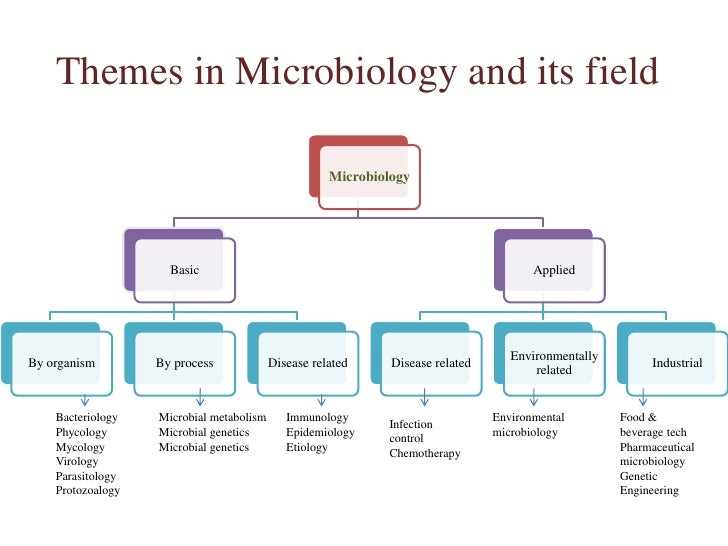
Microbiology is a vast field that encompasses various sub-disciplines, including immunology, virology, bacteriology, mycology, and parasitology. Each sub-discipline focuses on specific microorganisms and their impact on human health and the environment. Understanding the basics of microbiology is crucial for further studies and research in the field.
- Bacteriology: Study of bacteria and their roles in infectious diseases.
- Virology: Study of viruses and their interactions with host cells.
- Mycology: Study of fungi, including yeasts and molds.
- Parasitology: Study of parasites, including protozoa and helminths.
- Immunology: Study of the immune system and its response to microorganisms.
Microbial Structure and Function

Microorganisms, or microbes, are tiny life forms that are microscopic in size and can only be seen with the aid of a microscope. They come in different shapes and sizes, including bacteria, viruses, fungi, and protozoa. Despite their small size, microbes play a crucial role in various biological processes and have a significant impact on human health and the environment.
Cell Structure: Microbes have unique cell structures that differentiate them from other organisms. Bacterial cells are prokaryotic, lacking a nucleus and membrane-bound organelles. They have a well-defined cell wall, which provides structural support and protection. Additionally, bacteria may have a capsule, flagella for movement, and pili for attachment. Viruses, on the other hand, are acellular and consist of genetic material (DNA or RNA) enclosed in a protein coat. They are obligate intracellular parasites and require a host cell to replicate and carry out their functions.
- Metabolism: Microbes have diverse metabolic capabilities. Bacteria can be classified as either autotrophs, which can produce their own energy from inorganic compounds, or heterotrophs, which obtain energy from organic sources. Some bacteria are capable of photosynthesis, converting sunlight into energy. Viruses, being non-living entities, do not possess any metabolic machinery and rely on the host cell’s metabolic processes.
- Reproduction: Microbes have various reproductive strategies. Bacteria reproduce asexually through binary fission, where a single cell divides into two identical daughter cells. Some bacteria can also transfer genetic material through horizontal gene transfer, enabling them to acquire new traits. Viruses rely on the host cell’s machinery to replicate and produce new virus particles.
- Role in the Environment: Microbes play a vital role in the environment. They are involved in nutrient recycling, decomposition of organic matter, and the production of essential compounds such as oxygen, nitrogen-fixing compounds, and enzymes. Additionally, microbes are used in various biotechnological applications, such as the production of antibiotics, biofuels, and genetically modified organisms.
In conclusion, understanding the structure and function of microbes is essential for comprehending their impact on various aspects of life. Microbes are incredibly diverse and have unique characteristics that allow them to thrive in different environments. By studying and harnessing their capabilities, we can unlock a world of possibilities in areas such as medicine, agriculture, and environmental conservation.
Microbial Growth and Reproduction

The growth and reproduction of microorganisms are essential processes in microbiology. Microbes have the ability to reproduce rapidly, allowing them to adapt and thrive in different environments. Understanding the mechanisms of microbial growth is crucial for various aspects of microbiology, including disease prevention, food safety, and biotechnology.
Cell division and binary fission: One of the primary modes of microbial reproduction is binary fission, where a single cell divides into two identical daughter cells. This process is observed in bacteria and archaea. During binary fission, the cell replicates its genetic material and then undergoes division, resulting in two genetically identical cells. This method of reproduction enables microorganisms to rapidly increase their population size.
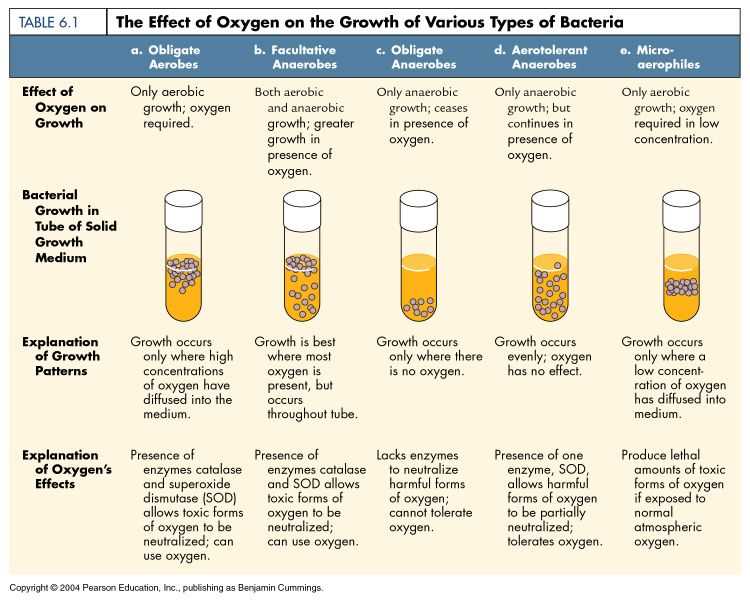
Factors affecting microbial growth: Several factors influence the growth and reproduction of microorganisms. These include temperature, pH, oxygen availability, and nutrient availability. Each microorganism has specific requirements for these factors, and an imbalance can inhibit or promote their growth. For example, some bacteria thrive in high temperatures, while others prefer cooler environments. pH levels can also impact microbial growth, with some bacteria being more tolerant of acidic conditions than others.
Methods for studying microbial growth:
- Dilution and plating techniques: In order to determine the number of viable microorganisms in a sample, dilution and plating techniques are commonly employed. Serial dilutions are made, and the diluted sample is plated on agar plates. The number of colonies that form on the plates is then counted and used to estimate the original number of microorganisms in the sample.
- Spectrophotometry: Spectrophotometry is a technique used to measure the turbidity of a microbial culture. By measuring the amount of light that passes through a culture, the density of the population can be estimated, providing an indication of growth.
- Growth curves: Growth curves track the growth of microorganisms over time. These curves typically show a lag phase, exponential growth phase, stationary phase, and death phase. By studying growth curves, researchers can understand the growth kinetics and characteristics of specific microorganisms.
Significance of microbial growth: Microbial growth and reproduction have significant implications in various fields. In medicine, understanding the growth patterns and requirements of pathogens allows for the development of effective treatments and prevention strategies. In food safety, controlling microbial growth helps prevent spoilage and the spread of foodborne illnesses. Additionally, microbial growth plays a crucial role in biotechnology, where microorganisms are utilized in the production of various products such as antibiotics, enzymes, and biofuels.
Control of Microbial Growth
Controlling the growth of microorganisms is essential in many settings, including healthcare facilities, food production, and water treatment. There are several methods available to control or inhibit microbial growth, each with its own advantages and limitations.
Physical Methods

- Heat: Heat is a common method used to control microbial growth. High temperatures can denature proteins and destroy the structure of microorganisms, leading to their death. Techniques such as boiling, pasteurization, and autoclaving are used to apply heat effectively.
- Cold: Low temperatures can also slow down or inhibit microbial growth. This is why refrigeration and freezing are used to preserve food and pharmaceutical products.
- Filtration: Filtration involves passing a liquid or gas through a filter with small pores that can trap microorganisms. This method is commonly used in water treatment and sterilization of drugs and intravenous fluids.
Chemical Methods
- Disinfectants: Disinfectants are chemical agents that are applied to inanimate objects to kill or inhibit the growth of microorganisms. Common disinfectants include alcohol, bleach, and hydrogen peroxide.
- Antiseptics: Antiseptics are similar to disinfectants but are safe to use on living tissues. They are commonly used for hand sanitization, wound cleaning, and surgical procedures.
- Preservatives: Preservatives are substances added to food, cosmetics, and pharmaceutical products to prevent microbial spoilage. Examples include salt, sugar, and chemical preservatives like benzoic acid.
It is important to note that no single method can effectively control all types of microorganisms. When determining the appropriate method for controlling microbial growth, factors such as the type of microorganism, the environment, and the desired level of control must be considered. By understanding and implementing effective control measures, we can reduce the risk of infectious diseases and ensure the safety and quality of our surroundings.
Microbial Genetics
Microbial genetics is the study of the structure, function, and regulation of genes and genomes in microorganisms. Genes are segments of DNA that code for specific proteins and other molecules essential for the survival and reproduction of microorganisms. Understanding microbial genetics is crucial for various fields, including medicine, agriculture, and biotechnology.
One key aspect of microbial genetics is the study of gene expression, which refers to the process by which the information stored in a gene is used to create a functional protein or RNA molecule. This process involves several steps, including transcription (where a copy of the gene’s DNA sequence is made into messenger RNA) and translation (where the mRNA is used as a template to synthesize a protein).
Microbial genetics also encompasses the study of genetic variation in microorganisms. Bacteria and viruses have high mutation rates, which contribute to their ability to adapt and evolve quickly. This genetic variation can lead to the development of antibiotic resistance in bacteria, making them more difficult to treat. Understanding the mechanisms of genetic variation in microorganisms is essential for finding effective strategies to combat these evolving pathogens.
Advances in microbial genetics have led to significant breakthroughs in various fields. For example, the discovery and manipulation of specific genes in bacteria have revolutionized the field of biotechnology, allowing scientists to produce valuable proteins and pharmaceuticals in large quantities. In medical microbiology, the study of microbial genetics has led to the development of more accurate diagnostic tests and targeted therapies.
In conclusion, microbial genetics plays a vital role in understanding the structure, function, and regulation of genes in microorganisms. By studying gene expression and genetic variation, scientists can gain insights into the mechanisms underlying the survival and evolution of microorganisms. This knowledge has important implications for various fields and has led to significant advancements in medicine, biotechnology, and beyond.
Microbes and the Human Body

Microbes are microscopic organisms that play a vital role in the human body. They can be found on our skin, in our gut, and in various other parts of our body. While some microbes can cause diseases, the majority of them are either harmless or beneficial to our health.
Beneficial Microbes:
- Probiotics: These are live bacteria and yeasts that are good for our health, especially our digestive system. They help to maintain a healthy balance of microorganisms in our gut and improve our immune system.
- Commensal Microbes: These are microbes that peacefully coexist with us without causing harm. They help to strengthen our immune system and protect us from harmful pathogens by competing for resources.
- Symbiotic Microbes: These are microbes that have a mutually beneficial relationship with us. They provide us with essential nutrients and help in the digestion and absorption of certain substances.
Harmful Microbes:
- Pathogens: These are disease-causing microorganisms that can cause a wide range of infections and illnesses if they enter our body and overcome our immune defenses.
- Opportunistic Pathogens: These are usually harmless microorganisms that can cause infections when our immune system is weakened or compromised.
In conclusion, microbes are an integral part of the human body and have a profound impact on our health. While some microbes can be harmful, many of them contribute to our well-being by aiding in digestion, strengthening our immune system, and providing essential nutrients. Understanding the role of microbes in the human body is crucial for maintaining good health and preventing diseases.