Cracking the Code: Mitosis Matching Worksheet Answers Revealed!
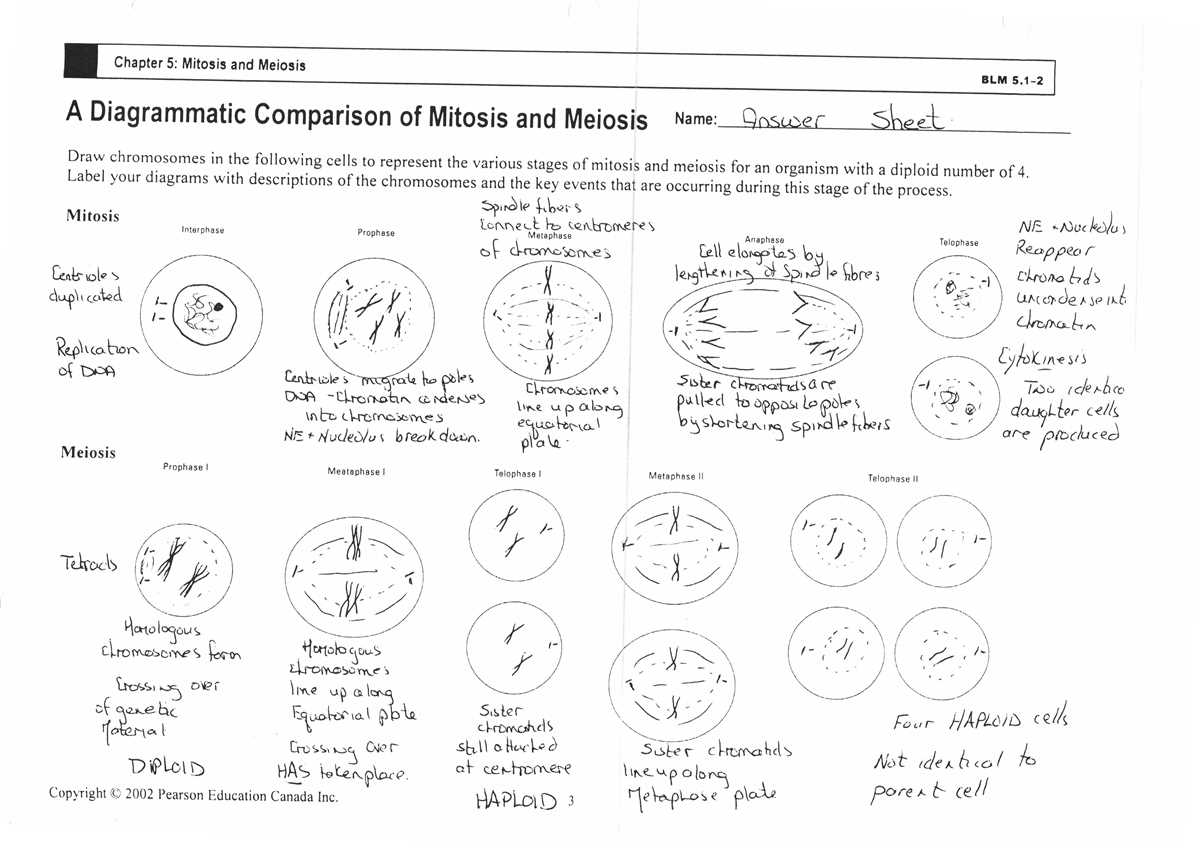
Mitosis is the process by which a single cell divides into two identical daughter cells. This division is essential for growth, repair, and the maintenance of multicellular organisms. Understanding the different stages of mitosis is crucial in comprehending how cells reproduce and develop.
A mitosis matching worksheet is a valuable tool used in biology classrooms to help students review and reinforce their understanding of the different stages of mitosis. These worksheets typically involve matching terms or descriptions with the correct phase of mitosis, such as prophase, metaphase, anaphase, and telophase.
By completing a mitosis matching worksheet, students can test their knowledge and identify any areas that may need further review or clarification. These worksheets also serve as visual aids, allowing students to visualize and sequence the different stages of mitosis, enhancing their comprehension and retention of the topic.
Mitosis Matching Worksheet Answers
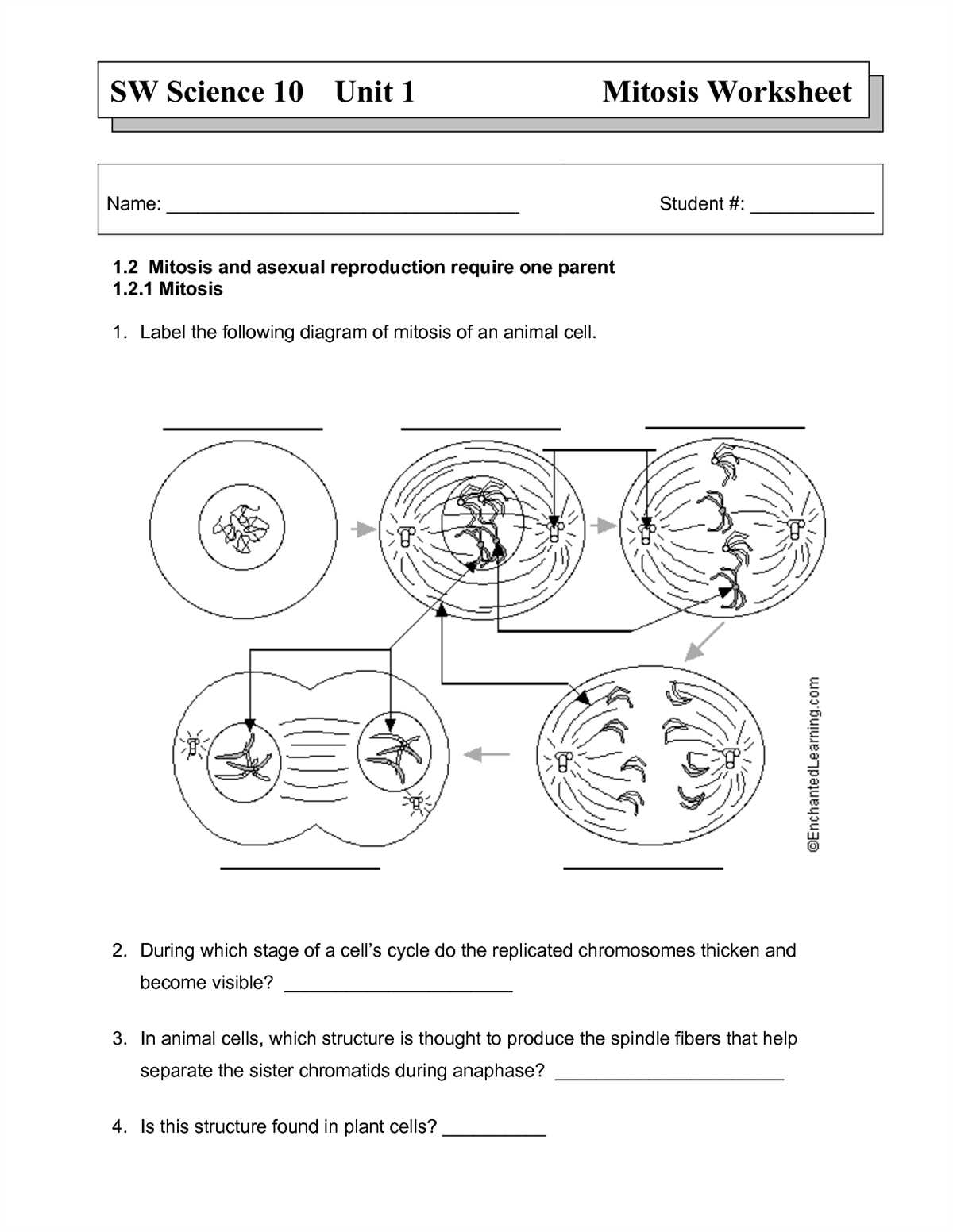
Below is a list of answers for the Mitosis Matching Worksheet:
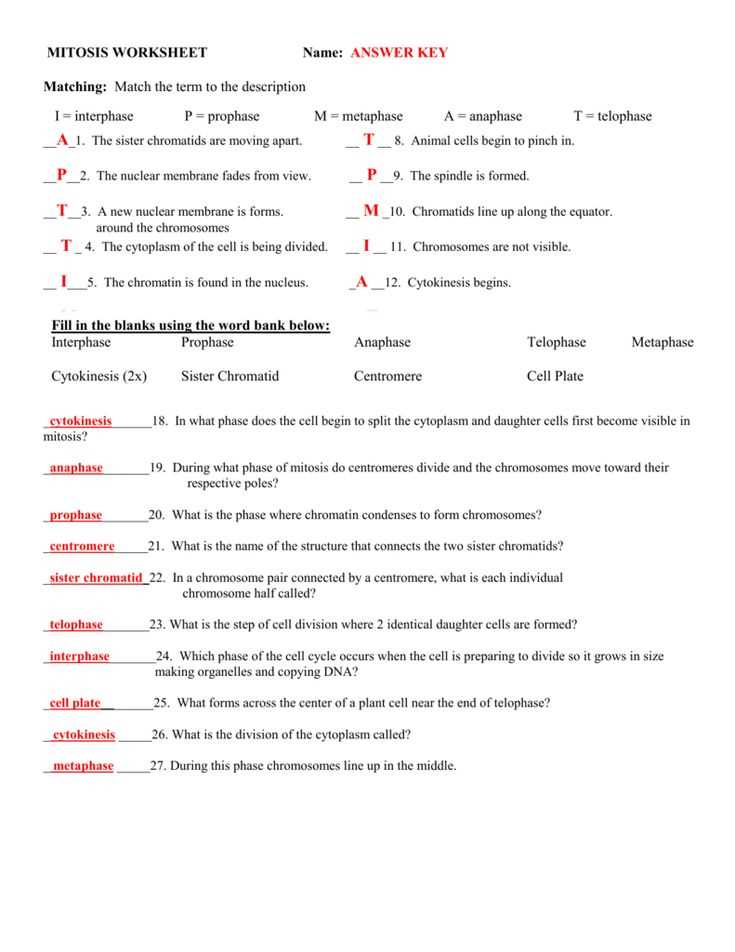
- Interphase: The phase of the cell cycle where the cell grows, replicates its DNA, and prepares for cell division.
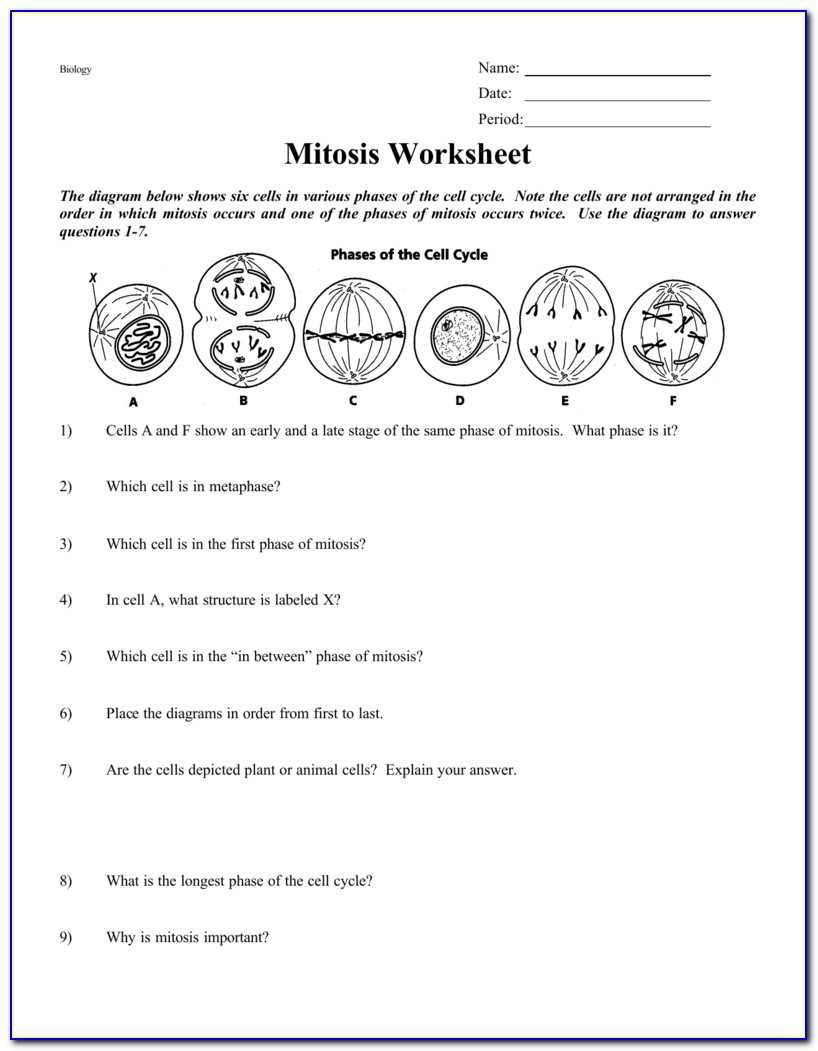
- Prophase: The first phase of mitosis, where the chromatin condenses into chromosomes, the nuclear membrane breaks down, and the spindle fibers begin to form.
- Metaphase: The second phase of mitosis, where the chromosomes line up along the equator of the cell and attach to the spindle fibers.
- Anaphase: The third phase of mitosis, where the sister chromatids separate and move towards opposite poles of the cell.
- Telophase: The fourth phase of mitosis, where the chromosomes reach the poles of the cell, the nuclear membrane reforms, and the spindle fibers disassemble.
- Cytokinesis: The final stage of cell division, where the cytoplasm divides, resulting in two daughter cells.
- Centrioles: Organelles that help organize the spindle fibers during mitosis and are only found in animal cells.
- Spindle fibers: Fibers made up of microtubules that help separate the chromosomes during mitosis.
- Chromosomes: Condensed structures made up of DNA and protein, containing the genetic information of an organism.
- Sister chromatids: Two identical copies of a chromosome that are held together by a centromere.
It is important to understand the process of mitosis and the role of each phase and structure involved. By matching the terms with their correct descriptions, students can reinforce their understanding of mitosis and the steps involved in cell division.
Overview of Mitosis and Cell Division
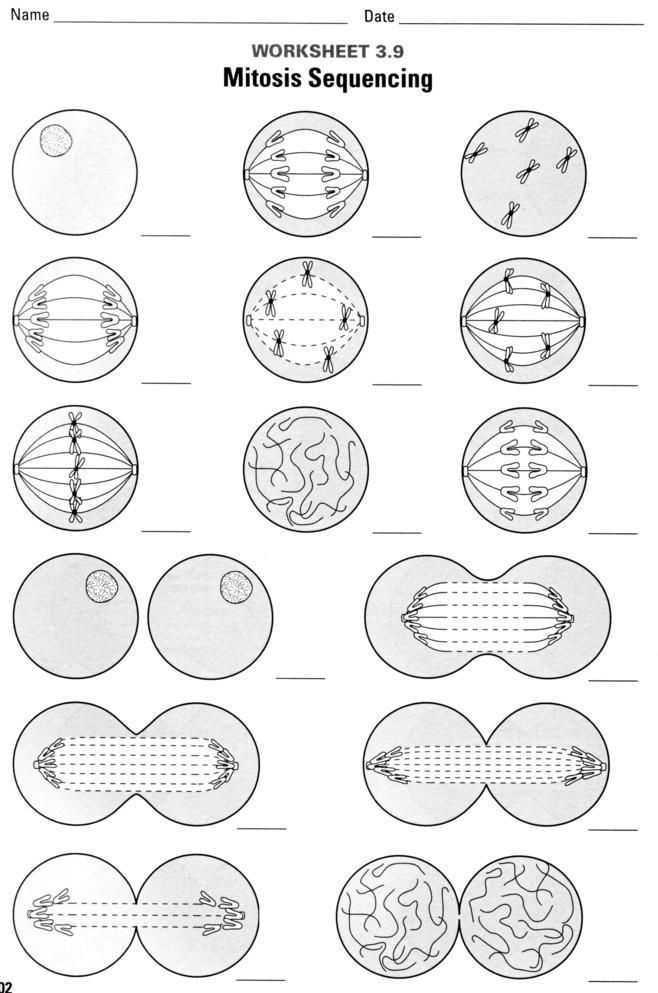
Mitosis is a crucial process in the life cycle of a cell. It is responsible for the replication and division of a cell into two identical daughter cells. This process plays a key role in growth, repair, and maintenance of multicellular organisms.
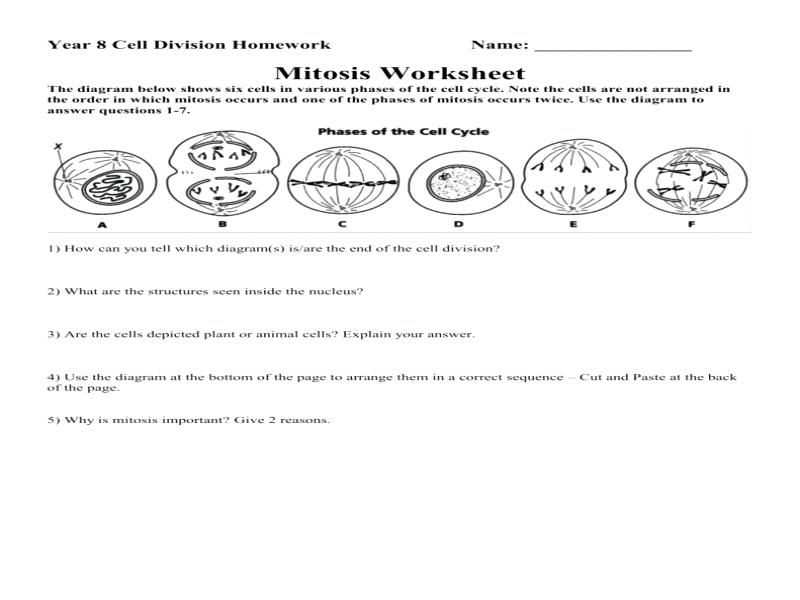
Mitosis can be divided into several distinct phases, each with its specific characteristics. These phases include interphase, prophase, metaphase, anaphase, and telophase. During interphase, the cell grows, duplicates its DNA, and prepares for division. Prophase is marked by the condensation of chromatin into distinct chromosomes. Metaphase occurs when the chromosomes align in the middle of the cell. In anaphase, the sister chromatids are pulled apart towards opposite poles of the cell. Finally, during telophase, the cell starts to reorganize and form two separate nuclei.
Cell division, which includes mitosis, is regulated by numerous proteins and checkpoints to ensure the proper distribution of genetic material. Any abnormalities or errors in mitosis can result in serious consequences, such as the formation of tumors or developmental disorders.
In conclusion, mitosis is a highly regulated and essential process that allows for the growth, repair, and maintenance of cells in multicellular organisms. Each phase of mitosis has specific characteristics and functions, ensuring the accurate division of genetic material. Understanding the intricacies of mitosis is crucial for further discoveries and advancements in the field of cell biology.
Mitosis Matching Worksheet: What is it?
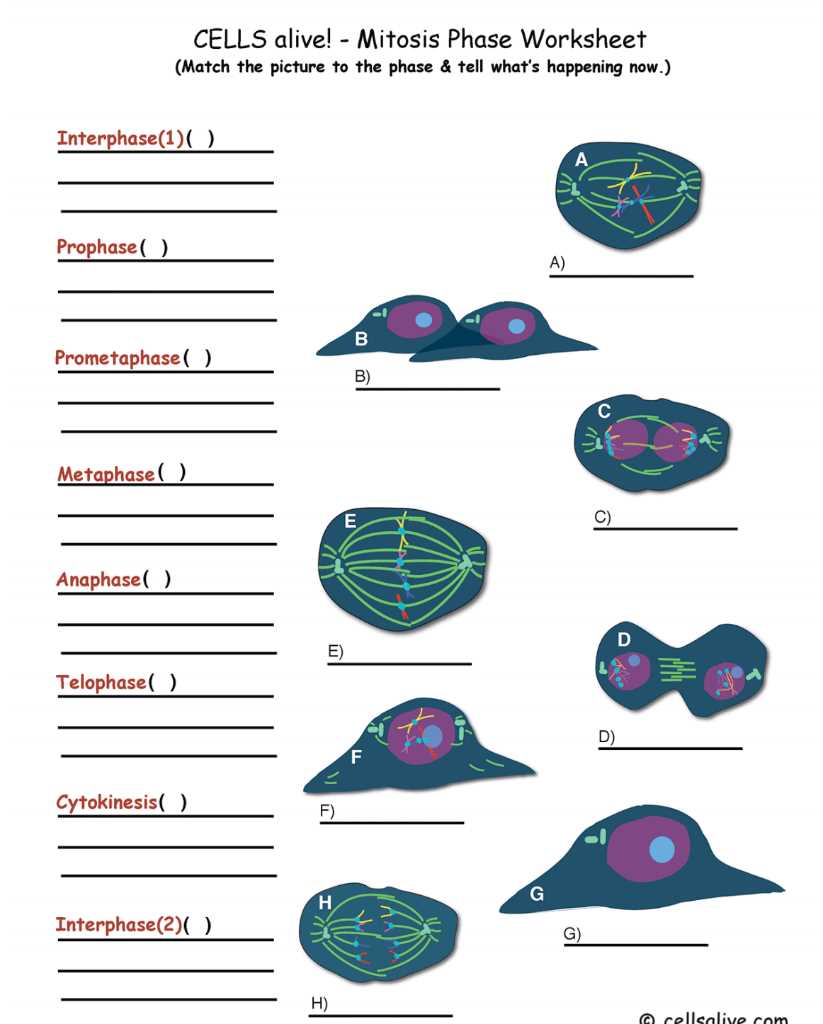
The Mitosis Matching Worksheet is an educational resource designed to help students understand the process of mitosis. Mitosis is a vital process in which a single cell divides into two identical daughter cells, each containing the same number of chromosomes as the parent cell.
The Mitosis Matching Worksheet consists of a series of statements or descriptions about the different stages of mitosis. The goal of the worksheet is for students to match each stage with the correct description, helping them reinforce their understanding of the process. The worksheet typically includes stages such as prophase, metaphase, anaphase, and telophase.
By completing the Mitosis Matching Worksheet, students are able to actively engage with the material and apply their knowledge of mitosis. This activity encourages critical thinking and problem-solving skills, as students must analyze and interpret the information provided to make accurate matches.
To successfully complete the worksheet, students must have a solid understanding of the different stages of mitosis and the key events that occur during each stage. They must also be able to identify the characteristic features and structures associated with each stage, such as the condensation of chromosomes, the alignment of chromosomes at the equator, and the separation of sister chromatids.
Overall, the Mitosis Matching Worksheet is a valuable educational tool that helps students deepen their understanding of mitosis. It allows them to actively participate in the learning process, strengthening their knowledge and retention of the material. By practicing matching the stages of mitosis with their corresponding descriptions, students can enhance their grasp of this fundamental biological process.
Importance of Mitosis Matching Worksheet
The mitosis matching worksheet is an essential tool for biology students to understand and learn about the process of mitosis. As one of the fundamental processes in cell reproduction, mitosis plays a crucial role in growth, development, and repair of living organisms. Therefore, having a comprehensive understanding of mitosis is essential for students pursuing careers in biology or related fields.
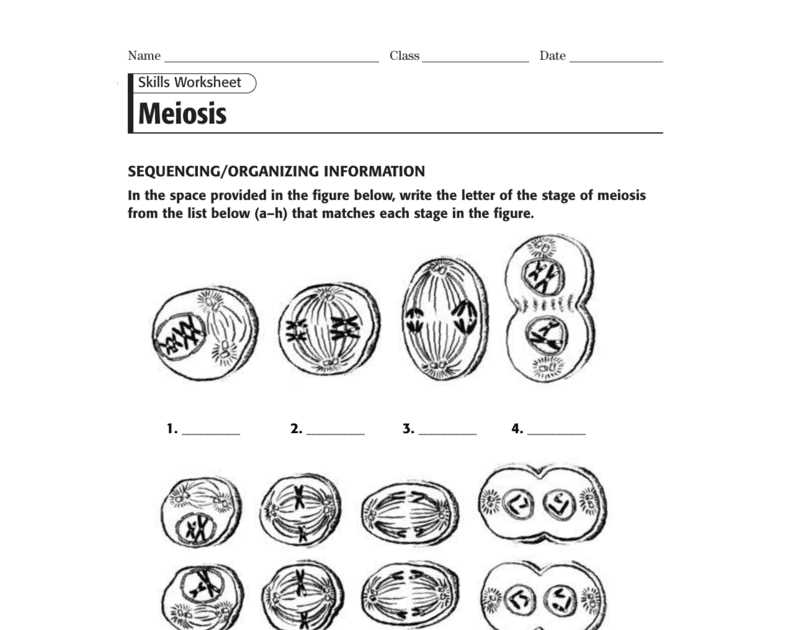
The mitosis matching worksheet provides an interactive and engaging way for students to reinforce their knowledge of mitosis. By matching different stages of mitosis with their corresponding descriptions or diagrams, students are able to visually and conceptually grasp the sequence and steps involved in this process. This hands-on activity helps students develop critical thinking skills, problem-solving abilities, and enhances their overall understanding of mitosis.
Another important aspect of the mitosis matching worksheet is that it allows students to identify and differentiate between the various stages of mitosis. This helps students recognize the distinct characteristics and events that occur during interphase, prophase, metaphase, anaphase, and telophase. By accurately matching these stages, students can effectively analyze and evaluate the differences and similarities between them, further enhancing their understanding of mitosis.
Additionally, the mitosis matching worksheet encourages active learning and student engagement. It provides a fun and interactive approach to studying mitosis, making it more enjoyable and memorable for students. The worksheet can be used in both individual and group settings, allowing for collaborative learning and discussion among students. This not only enhances knowledge retention but also promotes teamwork and communication skills.
In conclusion, the mitosis matching worksheet is a valuable educational resource that aids biology students in comprehending and mastering the process of mitosis. By utilizing this worksheet, students can enhance their knowledge, critical thinking abilities, and overall understanding of mitosis, thereby setting a strong foundation for further studies in biology.
How to Complete the Mitosis Matching Worksheet
Completing a mitosis matching worksheet can be a challenging task, especially if you are not familiar with the process of mitosis. However, with a clear understanding of the different stages of mitosis and the key events that occur during each stage, you can successfully complete the worksheet.
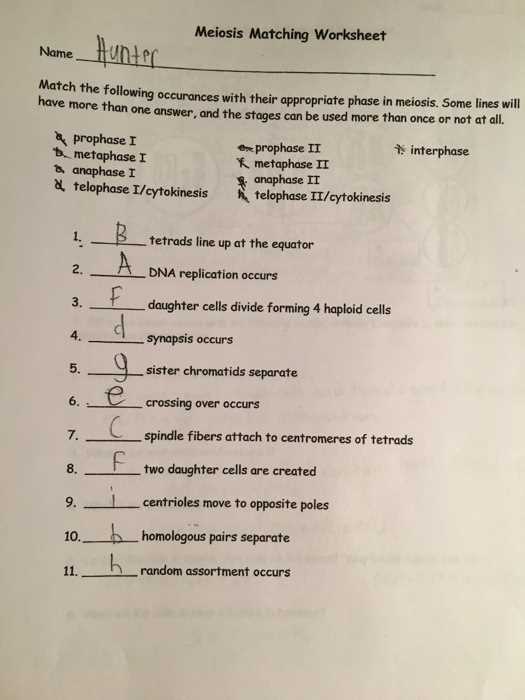
1. Review the Mitosis Process: Before starting the worksheet, it is essential to have a good grasp of the mitosis process. Take some time to review the different stages of mitosis, including prophase, metaphase, anaphase, and telophase. Familiarize yourself with the key events that occur during each stage, such as the condensation of chromosomes, alignment of chromosomes at the metaphase plate, and separation of sister chromatids during anaphase.
2. Read the Instructions Carefully: Once you understand the mitosis process, carefully read the instructions provided on the worksheet. Pay attention to any specific requirements or questions asked. Make note of any terms or concepts that are unfamiliar to you, and be prepared to look them up if necessary.
3. Begin Matching: Start by matching the different stages of mitosis with their corresponding descriptions or events. Use your knowledge of the mitosis process to accurately identify each stage. Pay attention to the specific details mentioned in the descriptions, such as the formation of the spindle apparatus or the reformation of the nuclear envelope during telophase.
4. Double-Check Your Answers: Once you have completed the matching section, take a moment to review your answers. Verify that each stage of mitosis is correctly matched with the appropriate description or event. Double-check any terms or concepts that you were unsure about to ensure accuracy.
5. Seek Help if Needed: If you encounter any difficulties or have unanswered questions while completing the worksheet, don’t hesitate to seek help. Ask your teacher or classmates for clarification or consult additional resources, such as textbooks or online tutorials. Understanding mitosis is crucial for successful completion of the worksheet and further comprehension of cell division.
By following these steps and utilizing your knowledge of mitosis, you can efficiently complete the mitosis matching worksheet and reinforce your understanding of this essential cellular process.
Common Mistakes and Tips for Success in Mitosis Matching Worksheet
Completing a mitosis matching worksheet can be a challenging task, as it requires a solid understanding of the different stages of mitosis and their corresponding descriptions. However, there are some common mistakes that students often make and some tips that can help you succeed in completing the worksheet accurately.
Common Mistakes
- Confusing the order of the stages: One of the most common mistakes is mixing up the order of the stages of mitosis. Make sure to review and memorize the correct order, starting with prophase and ending with cytokinesis.
- Misinterpreting the descriptions: Another mistake is misinterpreting the descriptions of each stage. Read the descriptions carefully and pay attention to specific details that distinguish each stage from the others.
- Skipping important steps: Some students tend to overlook important steps or sub-stages within each stage of mitosis. Take your time to fully understand and identify all the necessary details.
- Not using resources: Many resources, such as textbooks, online videos, and diagrams, can help you understand mitosis better. Make sure to use these resources to enhance your knowledge and comprehension.
Tips for Success
- Study and review: Mitosis is a complex process, so it is crucial to study and review the stages and their descriptions before attempting the worksheet. Take the time to familiarize yourself with the material.
- Practice with visuals: Visual aids, such as diagrams and videos, can greatly enhance your understanding of mitosis. Look for visual resources to practice identifying the different stages.
- Review with a partner: Partnering up with a classmate or seeking help from a teacher can be beneficial. Discussing the stages and their descriptions with others can help solidify your understanding and identify any misconceptions.
- Take your time: Mitosis matching worksheets require attention to detail, so it’s important to take your time while completing them. Rushing through the worksheet can lead to errors and confusion.
- Seek clarification: If you are unsure about any stage or description, don’t hesitate to ask for clarification. Your teacher or classmates can provide additional explanations that can clear up any confusion.
In conclusion, mastering the mitosis matching worksheet requires avoiding common mistakes and implementing effective study strategies. By being aware of the common mistakes, utilizing resources, and following the provided tips, you can improve your accuracy and success in completing the worksheet.