The Enigma of the Monkeys Paw Test: Unraveling Its Secrets and Implications
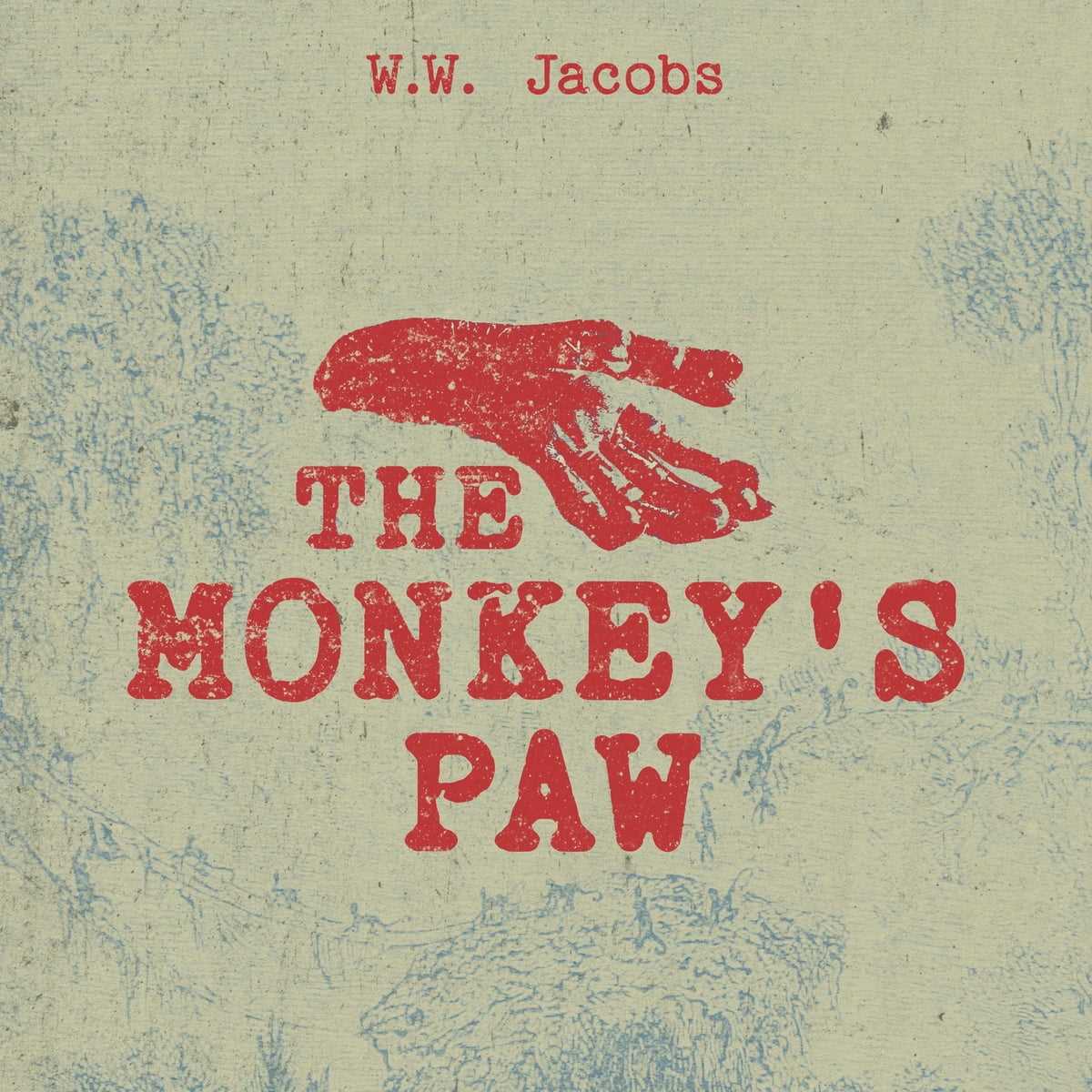
The Monkey’s Paw test is a psychological experiment used to measure decision-making and risk-taking behavior in individuals. This test is based on a well-known short story titled “The Monkey’s Paw” by W. W. Jacobs, which explores the theme of the consequences of interfering with fate.
In the story, the main character is given a monkey’s paw that grants three wishes but comes with a warning that every wish has dire consequences. Similarly, the Monkey’s Paw test presents participants with a series of hypothetical scenarios where they must make choices that involve potential risks and rewards.
Researchers use the Monkey’s Paw test to understand how individuals weigh the potential benefits against the potential risks and how they make decisions under conditions of uncertainty. This test provides valuable insights into human decision-making processes and can help in fields such as psychology, economics, and risk management.
What is the Monkey’s Paw Test?
The Monkey’s Paw Test is a concept in psychology that is used to study decision-making and the effect of uncertainty on human behavior. It is a thought experiment that involves presenting individuals with a hypothetical scenario in which they are given a choice to make, and they must weigh the potential benefits and risks associated with that choice.
The test takes its name from the short story “The Monkey’s Paw” by W.W. Jacobs, where a mystical monkey’s paw grants the owner three wishes, but each wish comes with a terrible consequence. In the story, the choices made by the characters lead to tragic outcomes, highlighting the importance of making informed decisions and considering the potential consequences.
When conducting the Monkey’s Paw Test, participants are typically presented with a scenario that involves a decision with uncertain outcomes. They are then asked to consider the possible risks and benefits of each option and make a choice. Researchers often use this test to explore how individuals weigh potential gains and losses, and how their decision-making processes are influenced by factors such as risk aversion, cognitive biases, and emotional responses.
The Monkey’s Paw Test is widely used in the field of behavioral economics and psychology to gain insights into decision-making processes and the impact of uncertainty on human behavior. It helps researchers understand the complexities of decision-making and how individuals navigate trade-offs between potential gains and losses. By studying the results of these tests, psychologists and economists can develop theories and models that explain and predict human behavior in various decision-making scenarios.
Understanding the Monkey’s Paw Test and Its Origins
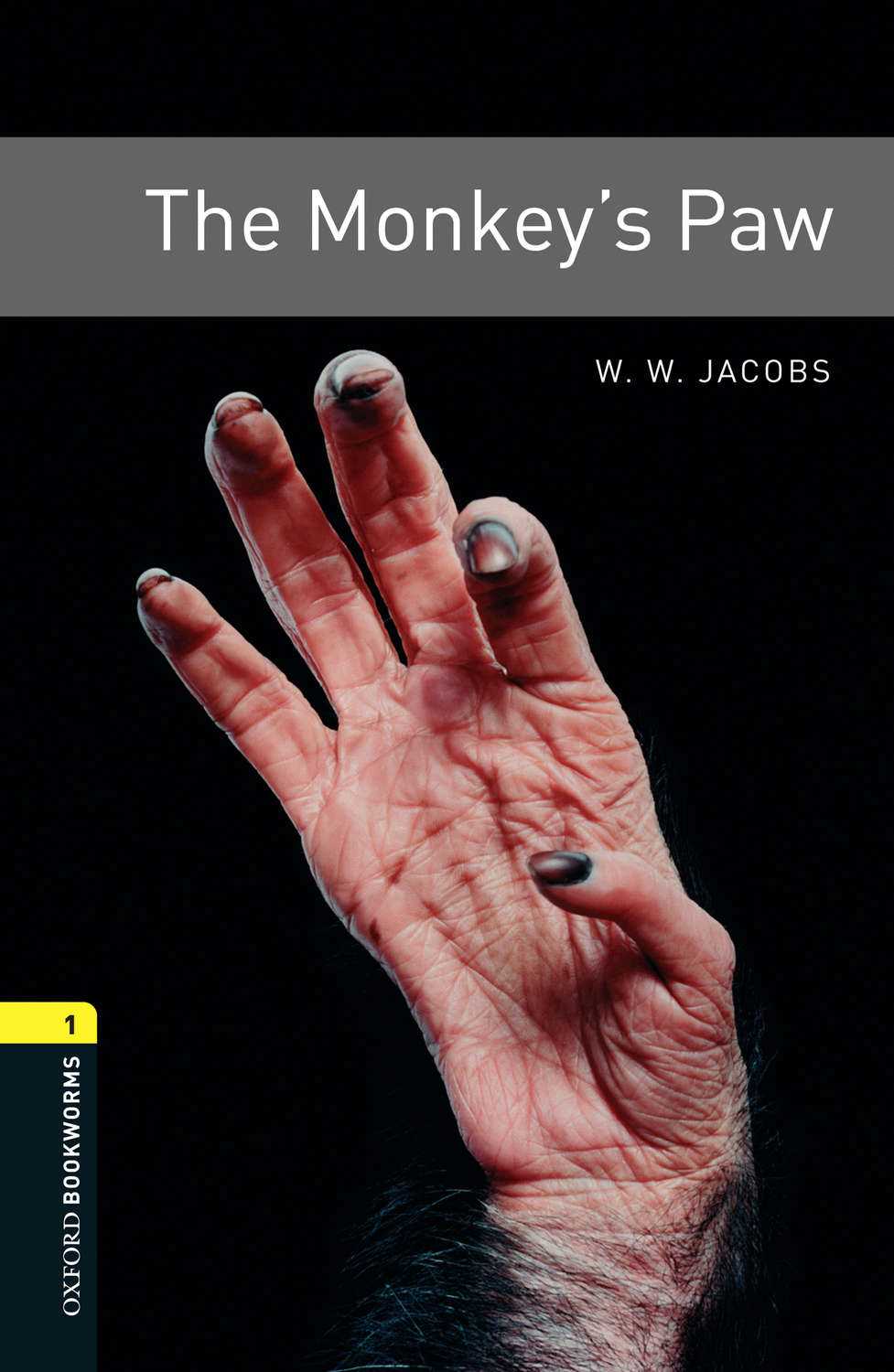
The Monkey’s Paw Test is a psychological experiment that aims to measure an individual’s decision-making process and their ability to resist temptation and desire. This test is based on the concept of the “Monkey’s Paw,” which is a famous short story written by W.W. Jacobs in 1902. The story revolves around a magical monkey’s paw that grants its possessor three wishes, but at a great cost.
In the Monkey’s Paw Test, participants are presented with a hypothetical scenario where they have the opportunity to make a wish and receive a significant reward. However, they are also informed that this wish may have unintended consequences that could potentially harm them or others. The test measures the participant’s willingness to accept the risk and make the wish, or their ability to resist the temptation and decline.
Participants are typically asked a series of questions to assess their decision-making process. These questions may include evaluating the potential benefits and drawbacks of making the wish, considering the long-term consequences, and weighing the risks involved. The Monkey’s Paw Test aims to understand how individuals balance their desires and impulses with the potential risks and negative outcomes.
This test is often used in psychology and behavioral research to gain insights into human decision-making and the factors that influence our choices. It provides a valuable tool for understanding how individuals weigh short-term gains against long-term consequences and how they navigate the complexities of decision-making when faced with tempting opportunities.
How Does the Monkey’s Paw Test Work?
The Monkey’s Paw Test is a psychological experiment that seeks to measure an individual’s decision-making skills, risk tolerance, and ability to handle uncertainty. The test takes its name from the short story “The Monkey’s Paw” by W. W. Jacobs, in which a cursed paw grants its owner three wishes, with disastrous consequences.
In the Monkey’s Paw Test, participants are presented with a series of hypothetical scenarios and asked to make choices that involve some level of risk and uncertainty. These scenarios often involve moral dilemmas, financial decisions, or situations where the participant must weigh the potential benefits against the potential drawbacks.
For example, one scenario might present the participant with the opportunity to invest in a risky business venture that could potentially yield a high return on investment, but also carries a significant chance of failure. In this case, the participant must decide whether to take the risk and potentially profit greatly, or to play it safe and avoid the possibility of losing their initial investment.
Another scenario might involve a moral dilemma, such as the participant witnessing a crime and having to decide whether to report it, potentially putting themselves at risk, or to stay silent and avoid any potential consequences. This type of scenario forces the participant to consider their personal values, the potential impact of their actions, and their willingness to take risks for the greater good.
The Monkey’s Paw Test aims to assess an individual’s decision-making processes, their willingness to take risks, and their ability to handle uncertainty. It can provide valuable insights into an individual’s cognitive biases, impulse control, and ability to consider long-term consequences.
- Overall, the Monkey’s Paw Test is a useful tool for psychologists and researchers to gain a deeper understanding of human behavior and decision-making processes.
- It can be used to examine how different factors, such as personality traits, past experiences, and cultural backgrounds, influence an individual’s decision-making strategies.
- The test can also be used to explore how people’s decision-making changes over time, as individuals gain more life experience and develop different coping mechanisms.
In summary, the Monkey’s Paw Test is an engaging and insightful experiment that delves into the complexities of human decision-making. By presenting participants with challenging scenarios, it seeks to understand the factors that drive our choices and how we navigate risk and uncertainty.
Interpreting the Results of the Monkey’s Paw Test
The Monkey’s Paw Test is a popular psychological assessment tool used to measure an individual’s ability to resist temptation and make rational decisions. This test involves presenting participants with a scenario where they are given the opportunity to use a magical monkey’s paw that grants three wishes. However, each wish comes with unintended consequences that can potentially have negative or disastrous effects.
After administering the Monkey’s Paw Test, it is essential to carefully interpret the results to gain insights into an individual’s decision-making process and overall psychological profile. One key aspect to analyze is the number of wishes a participant chooses to make. Those who make all three wishes may indicate a higher tendency to seek immediate gratification and disregard potential consequences. On the other hand, individuals who choose not to make any wishes may demonstrate a more cautious and risk-averse nature.
Another important aspect to consider is the nature of the wishes made. Participants who make selfish or materialistic wishes may exhibit a higher degree of self-interest and a lack of empathy. On the contrary, individuals who make selfless or altruistic wishes may demonstrate a more compassionate and considerate nature.
Additionally, it is crucial to assess how participants handle the unintended consequences of their wishes. Some individuals may quickly acknowledge their mistake and take responsibility for their actions, indicating a higher level of self-awareness and accountability. Others may struggle to accept their role in the negative outcomes, suggesting a potential lack of introspection or a tendency to blame external factors.
Overall, interpreting the results of the Monkey’s Paw Test can provide valuable insights into an individual’s decision-making abilities, ethical considerations, and emotional intelligence. However, it is important to remember that the test results should be considered in conjunction with other assessment tools and observations to form a comprehensive understanding of an individual’s psychological makeup.
The Monkey’s Paw Test: Pros and Cons
The Monkey’s Paw Test is a popular psychological experiment used to assess decision-making skills and risk tolerance in individuals. While it has its pros and cons, the test provides valuable insights into human behavior and decision-making processes.
Pros:
- Real-life applicability: The Monkey’s Paw Test simulates real-life decision-making scenarios, allowing researchers to observe how individuals respond to uncertainty and risk.
- Insight into risk tolerance: The test provides valuable information about an individual’s risk tolerance level, which can be useful in various contexts such as financial planning, investment decisions, or even personal relationships.
- Identification of decision biases: The test highlights common decision biases, such as loss aversion or anchoring, allowing researchers to study and understand these biases better.
- Comparison of individual responses: By administering the test to a large group of individuals, researchers can compare and analyze the different responses, leading to valuable insights into human decision-making patterns.
Cons:
- Artificial scenario: The Monkey’s Paw Test is a highly controlled and artificial scenario, which may not accurately reflect how individuals make decisions in real-world situations.
- Limited scope: The test focuses primarily on risk tolerance and decision biases, potentially neglecting other essential aspects of decision-making, such as empathy or ethical considerations.
- Lack of long-term perspective: The test measures immediate reactions and decisions, without considering the long-term consequences or outcomes of those decisions.
- Subjectivity of interpretation: While researchers can gather quantitative data from the test, interpreting the results may involve a certain degree of subjectivity, depending on the researcher’s perspective and biases.
In conclusion, the Monkey’s Paw Test offers valuable insights into decision-making processes and risk tolerance, but it also has limitations. Researchers should consider these pros and cons when using the test and interpreting its results.
Common Questions and Misconceptions About the Monkey’s Paw Test
The Monkey’s Paw Test has frequently been a topic of discussion and speculation. While many understand its significance, there are also common questions and misconceptions surrounding this test. This section aims to address some of the most frequently asked questions and debunk any misconceptions.
1. Is the Monkey’s Paw Test a real experiment?
No, the Monkey’s Paw Test is not a legitimate scientific experiment. It is a fictional concept used in literature and popular culture. It originated from the short story “The Monkey’s Paw” by W.W. Jacobs, published in 1902. The story presents a cautionary tale and explores themes of fate, consequences, and the dangers of meddling with the supernatural.
2. Can the Monkey’s Paw actually grant wishes?
No, the Monkey’s Paw is a fictional artifact and does not possess any supernatural powers. In the story, the monkey’s paw is said to have the ability to grant three wishes, but each wish comes with severe consequences. This serves as a warning against greed and the unintended consequences that could arise from making selfish requests.
3. Are there any real-life applications of the Monkey’s Paw Test?
The Monkey’s Paw Test, although fictional, serves as a metaphorical framework to explore ethical dilemmas, decision-making processes, and the potential consequences of our actions. It can be used to discuss various philosophical and moral questions. However, it does not have any direct real-life applications or scientific implications.
4. Can the Monkey’s Paw Test be used for predictive purposes?
No, the Monkey’s Paw Test is not a predictive tool. It is a literary device used to convey moral lessons and explore the human psyche. Its purpose is to provoke thought and reflection rather than provide accurate predictions or prophecies.
Conclusion:
The Monkey’s Paw Test is a fictional concept that has captivated readers and sparked discussions about the consequences of our choices. While it is not a real scientific experiment, it serves as a valuable metaphorical framework to explore ethical dilemmas, decision-making processes, and the potential ramifications of our actions. Understanding its fictional nature is crucial in appreciating its literary significance and the lessons it imparts.
Q&A:
What is the Monkey’s Paw Test?
The Monkey’s Paw Test refers to a psychological experiment conducted to examine the effects of greed and wish fulfillment on human behavior. Participants are given a monkey’s paw, said to grant three wishes, and their responses are observed.
Is the Monkey’s Paw Test real?
No, the Monkey’s Paw Test is not a real scientific experiment. It is a fictional concept from a short story called “The Monkey’s Paw” by W.W. Jacobs.
Does the Monkey’s Paw Test prove that wishes come true?
No, the Monkey’s Paw Test is a work of fiction and does not prove that wishes come true. It explores the negative consequences of making reckless or selfish wishes.
Can the Monkey’s Paw Test be applied in real life?
The Monkey’s Paw Test is a fictional concept and cannot be applied in real life. However, it serves as a cautionary tale about the dangers of greed and making impulsive decisions without considering the consequences.
Are there any real-life equivalents to the Monkey’s Paw Test?
While the Monkey’s Paw Test itself does not exist, there are psychological experiments and studies that explore similar themes of human behavior, decision-making, and the impact of wishes or desires on our well-being.