Mastering the MTA Conductor Practice Exam: Tips and Tricks for Success

Becoming a NYC subway conductor is a demanding job that requires extensive knowledge of the subway system and its operations. To ensure that candidates are well-prepared for this role, the Metropolitan Transportation Authority (MTA) offers a conductor practice exam. This practice exam is designed to test candidates’ knowledge and familiarize them with the types of questions they may encounter on the actual exam.
The MTA conductor practice exam covers various topics, including safety regulations, train operations, customer service, and emergency procedures. The questions are multiple-choice and require candidates to select the best answer from a set of options. This format allows candidates to practice their critical thinking skills and improve their ability to quickly assess and respond to different scenarios.
By taking the MTA conductor practice exam, candidates can gain a better understanding of the areas they need to focus on during their preparation. It allows them to identify any knowledge gaps and work on improving their weak areas. Additionally, the practice exam helps candidates become familiar with the format and structure of the actual exam, reducing test anxiety and improving their confidence on test day.
What to Expect on the MTA Conductor Practice Exam

Preparing for the MTA Conductor Practice Exam is essential if you want to pass the actual exam and become a conductor for the Metropolitan Transportation Authority (MTA). The practice exam is designed to assess your knowledge and skills in various areas related to train operations and customer service. It is important to understand what to expect on the exam so that you can adequately prepare.
The exam will typically cover:
- Rules and regulations of the MTA
- Emergency procedures and safety protocols
- Train operation and signaling
- Ticketing and fare collection
- Customer service and communication
During the exam, you can expect to answer multiple-choice questions that assess your understanding of these topics. It is crucial to study and familiarize yourself with the MTA’s rules and regulations, as well as the procedures for emergency situations. Additionally, knowing the basics of train operation, signaling, ticketing, and customer service will greatly benefit you during the exam.
To prepare for the exam:
- Review the MTA’s official conductor manual
- Take practice exams and quizzes
- Study relevant materials and resources
- Participate in trainings and workshops
- Seek guidance from experienced conductors
By dedicating time to study and practice, you can increase your chances of passing the MTA Conductor Practice Exam. Remember to focus on the key areas mentioned earlier and develop a solid understanding of the MTA’s rules, procedures, and customer service expectations. Good luck with your exam preparation!
Overview of the MTA Conductor Exam

The MTA Conductor Exam is a comprehensive evaluation designed to assess an individual’s knowledge and skills required to become a conductor for the Metropolitan Transportation Authority (MTA) in New York City. This exam is a crucial step in the hiring process, and successful completion is necessary to pursue a career as an MTA conductor.
The exam consists of multiple-choice questions and covers a wide range of topics related to operating trains, passenger safety, customer service, and MTA rules and regulations. The questions are specifically formulated to evaluate an applicant’s ability to handle various situations that may arise while on duty, such as emergency procedures, fare collection, and interacting with passengers.
The exam is divided into different sections, each focusing on a specific area of expertise. Some of the key areas covered in the exam include train operations, signal systems, rules and regulations, safety procedures, customer service, and problem-solving. It is important for candidates to familiarize themselves with these subjects and ensure they have a solid understanding before taking the exam.
To prepare for the MTA Conductor Exam, candidates can utilize various study materials and resources that are available. These include practice exams, study guides, online forums, and workshops. It is recommended to allocate sufficient time for studying and review all relevant materials to maximize chances of success.
Overall, the MTA Conductor Exam is a critical milestone for individuals aspiring to become MTA conductors. By demonstrating their knowledge and skills in different areas, candidates can prove their ability to perform the duties of a conductor effectively and meet the high standards set by the MTA.
Important Topics Covered on the MTA Conductor Practice Exam

The MTA Conductor Practice Exam covers a variety of important topics related to the role of a conductor in the MTA transportation system. It is essential for aspiring conductors to thoroughly understand these topics in order to successfully pass the exam and obtain a position. Below are some of the key topics covered on the MTA Conductor Practice Exam:
Train Operations
Train operations are a critical aspect of a conductor’s responsibilities. The practice exam will test candidates on their knowledge of operating procedures, signaling systems, and emergency protocols. Understanding how to safely and efficiently operate the train, as well as how to respond in emergency situations, is essential for this role.
Ticketing and Fare Collection

Another important topic covered on the MTA Conductor Practice Exam is ticketing and fare collection. Conductors are responsible for collecting fares from passengers, ensuring they have valid tickets, and handling any ticketing issues that may arise. Knowledge of fare policies, ticket types, and how to handle various fare scenarios will be tested on the practice exam.
Customer Service and Communication
Customer service and communication skills are essential for conductors, as they interact with passengers on a daily basis. The practice exam will assess candidates’ ability to effectively communicate with passengers, provide assistance, and handle difficult situations. Conductors must be able to maintain a professional and courteous demeanor while addressing passenger concerns or issues.
Rules and Regulations
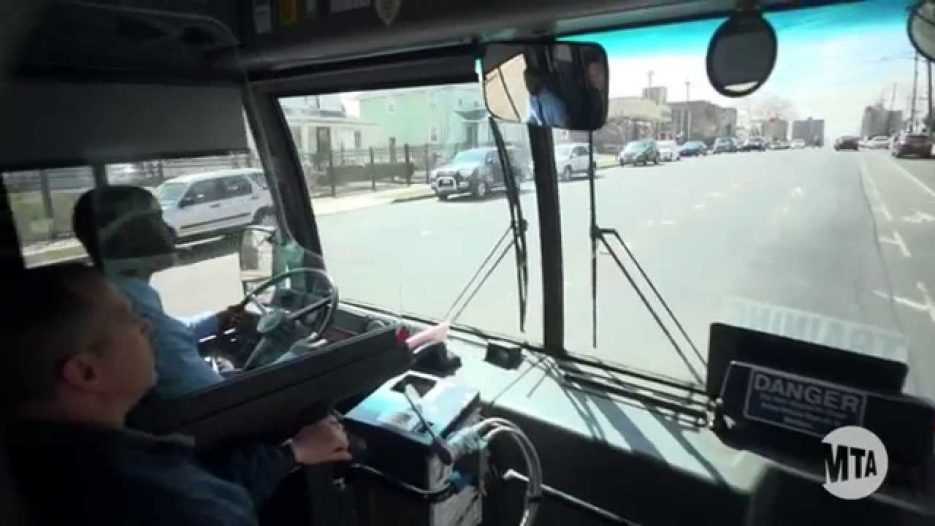
Conductors must have a thorough understanding of the rules and regulations that govern the operation of the MTA transportation system. The practice exam will test candidates on their knowledge of these rules, including safety regulations, passenger conduct rules, and employment policies. It is essential for conductors to follow these rules to ensure the safety and efficiency of the transportation system.
Timetables and Schedules
Timetables and schedules are important tools for conductors to ensure trains are running on time. The practice exam will assess candidates’ ability to read and interpret timetables, understand scheduling protocols, and make adjustments to ensure trains are running on schedule. Conductors must have a strong grasp of timetable management and be able to navigate the transportation system effectively.
These are just a few of the important topics covered on the MTA Conductor Practice Exam. It is crucial for candidates to study and prepare thoroughly for the exam to increase their chances of success in obtaining a conductor position within the MTA.
Tips for Studying and Preparing for the MTA Conductor Practice Exam
Preparing for the MTA Conductor Practice Exam can feel overwhelming, but with the right strategies and study techniques, you can increase your chances of success. Here are some tips to help you effectively prepare for the exam:
Determine the exam content: The first step is to familiarize yourself with the content and structure of the MTA Conductor Practice Exam. Understand what topics will be covered and how the questions will be formatted. This will help you create a study plan and focus your efforts on the areas that need improvement.
Review study materials: Gather relevant study materials, such as textbooks, guides, online resources, and sample questions. Use these materials to review the necessary information and practice answering exam-style questions. Pay attention to key concepts, rules, regulations, and procedures that are likely to appear on the exam.
Create a study schedule: Develop a study schedule that suits your learning style and availability. Dedicate specific time slots each day or week to study for the MTA Conductor Practice Exam. Make sure to allocate enough time for each topic and incorporate breaks to avoid burnout. Consistency and regularity are key for effective studying.
Utilize study techniques: Experiment with different study techniques to find what works best for you. Consider using flashcards, mnemonic devices, visual aids, and practice quizzes to help reinforce your understanding of the material. Actively engage with the content by summarizing information, teaching it to someone else, or creating concept maps.
Join study groups or seek guidance: Studying with peers or joining study groups can provide additional support and resources. Collaborating with others allows for discussions, clarification of doubts, and sharing of different perspectives. Alternatively, if you prefer studying independently, reach out to teachers, mentors, or subject matter experts for guidance and clarification.
Take practice exams: Practice exams are an essential component of your preparation. They help familiarize you with the format, time constraints, and types of questions you may encounter on the actual MTA Conductor Exam. Identify your weak areas and focus on improving them. Analyze your performance, learn from your mistakes, and adjust your study plan accordingly.
Stay organized and manage time effectively: Keep all your study materials, notes, and resources in one place to stay organized. Create a study calendar or checklist to track your progress and ensure that you cover all the necessary topics. Set realistic goals, break them down into manageable chunks, and prioritize your study sessions.
Take care of yourself: It’s crucial to prioritize self-care during the preparation period. Get enough sleep, eat well, and exercise regularly to maintain your physical and mental well-being. Take breaks when needed and reward yourself for achieving milestones. A healthy mind and body will enhance your ability to focus and retain information.
By following these tips and implementing effective study strategies, you’ll be well-prepared for the MTA Conductor Practice Exam. Remember to approach the exam with confidence, trust your preparation, and stay calm during the actual test.
Sample Questions and Answers for the MTA Conductor Practice Exam

If you are preparing for the MTA Conductor Practice Exam, it is important to familiarize yourself with the types of questions you may encounter. The following are some sample questions and answers to give you an idea of what to expect:
Question 1:

What is the maximum speed for a train traveling in a residential area?
Answer: The maximum speed for a train traveling in a residential area is 30 miles per hour.
Question 2:
What is the purpose of a conductor?
Answer: The purpose of a conductor is to ensure the safety and efficiency of train operations. They are responsible for collecting fares, assisting passengers, and communicating with other crew members.
Question 3:
What should a conductor do if there is an emergency situation on the train?
Answer: In case of an emergency situation on the train, a conductor should follow emergency protocols, notify the appropriate authorities, and assist passengers in evacuating the train if necessary.
Question 4:
What is the role of a conductor during train inspections?
Answer: During train inspections, a conductor is responsible for ensuring that all safety procedures and regulations are followed. They may be required to inspect tickets, check for any signs of damage or unusual behavior, and report any issues to the appropriate personnel.
These sample questions and answers are just a starting point for your preparation. It is important to study the official MTA guidelines and materials to fully prepare for the exam. Good luck!
Strategies for Success on the MTA Conductor Practice Exam
Preparing for the MTA Conductor Practice Exam requires a focused approach and solid study strategies. Here are some tips to help you succeed:
1. Familiarize Yourself with the Exam Format
Understanding the format of the MTA Conductor Practice Exam is crucial for success. Take the time to review sample questions and practice exams. Pay attention to the structure and types of questions that are commonly asked. This will help you become familiar with the exam’s layout and improve your speed and accuracy.
2. Master the Content

Thoroughly study the key topics and concepts that are covered on the exam. Start by reviewing the MTA Conductor Study Guide provided by the MTA. Make sure you understand the information related to train operations, safety regulations, customer service, and emergency procedures. Consider creating flashcards or using mnemonic devices to help you memorize important details.
3. Practice Time Management

Time management is crucial during the MTA Conductor Practice Exam. Develop strategies to complete each section within the given time limits. This could involve dividing your time equally among all the questions or tackling the easier ones first to gain momentum. Keep an eye on the clock and pace yourself accordingly.
4. Improve Your Test-Taking Skills
Refine your test-taking techniques to maximize your performance on the MTA Conductor Practice Exam. Learn how to quickly eliminate answer choices that are obviously incorrect. Use the process of elimination to narrow down your options and increase your chances of selecting the correct answer. Avoid spending too much time on difficult questions, as this can negatively impact your overall performance.
5. Seek Additional Resources

Don’t rely solely on the MTA Conductor Study Guide. Expand your resources by seeking additional study materials, such as practice exams or online courses. Join study groups or seek guidance from individuals who have successfully passed the exam. Utilize all available resources to enhance your understanding and preparation.
By following these strategies, you can increase your chances of success on the MTA Conductor Practice Exam. Stay focused, study diligently, and approach the exam with confidence. Good luck!
Final Thoughts on the MTA Conductor Practice Exam
The MTA Conductor Practice Exam is an essential tool for anyone aspiring to become a conductor with the Metropolitan Transportation Authority. This practice exam allows candidates to familiarize themselves with the format, content, and time constraint of the actual exam, giving them the confidence and readiness needed to succeed.
Through the practice exam, candidates can identify their strengths and weaknesses, allowing them to focus their studying efforts on areas that need improvement. The practice questions cover a wide range of topics, including customer service, safety procedures, and train operations, ensuring that candidates are well-prepared for any situation they may encounter on the job.
One of the main benefits of the practice exam is the opportunity to become familiar with the style and structure of the questions. This allows candidates to develop effective strategies for answering multiple-choice questions and completing the exam within the time limit. The exam also provides explanations for each answer, helping candidates understand the reasoning behind the correct choice and reinforcing their knowledge.
Additionally, the practice exam can help candidates manage their test-taking anxiety. By simulating the exam environment and providing a similar level of difficulty, candidates can gain confidence and reduce stress before taking the actual exam. This preparation can significantly improve performance and ensure a higher chance of success.
In conclusion, the MTA Conductor Practice Exam is an invaluable resource for anyone serious about pursuing a career as a conductor with the MTA. Its comprehensive content, realistic format, and helpful explanations make it an essential tool for achieving success on the actual exam. By utilizing this practice exam, candidates can maximize their preparation and increase their chances of passing the final exam with flying colors.