7 Essential Tips to Ace the MTA Conductors Exam and Secure Your Dream Job

If you’re considering a career as a conductor with the Metropolitan Transportation Authority (MTA), you may be required to take the MTA Conductors Exam. This exam is designed to test your knowledge and skills in various areas related to the role of a conductor. Whether you’re a seasoned conductor or just starting out in the industry, preparing for this exam is essential to increase your chances of success.
The MTA Conductors Exam covers a wide range of topics, including safety regulations, train operations, customer service, and emergency procedures. It assesses your ability to handle different situations that may arise during your work as a conductor and ensures that you have a thorough understanding of the MTA’s policies and procedures.
Preparing for the MTA Conductors Exam involves studying various resources, including the MTA’s official study guide. This guide provides detailed information on the topics that will be covered in the exam and offers practice questions to help you become familiar with the format and style of the test. Additionally, you may also find it beneficial to attend preparatory classes or workshops offered by professional training organizations to ensure that you’re fully prepared for the exam.
The MTA Conductors Exam: What You Need to Know
Are you interested in becoming an MTA conductor? If so, you’ll need to pass the MTA Conductors Exam. This comprehensive test is designed to assess your knowledge and skills related to operating trains, ensuring the safety of passengers, and following proper procedures. It’s an important step in the hiring process, and it’s essential that you are well-prepared.
Exam Format: The MTA Conductors Exam consists of multiple-choice questions that cover various topics, including train operations, safety regulations, emergency protocols, customer service, and more. You’ll also be tested on your ability to interpret and apply information from manuals and other written materials.
Key Topics Covered in the Exam:
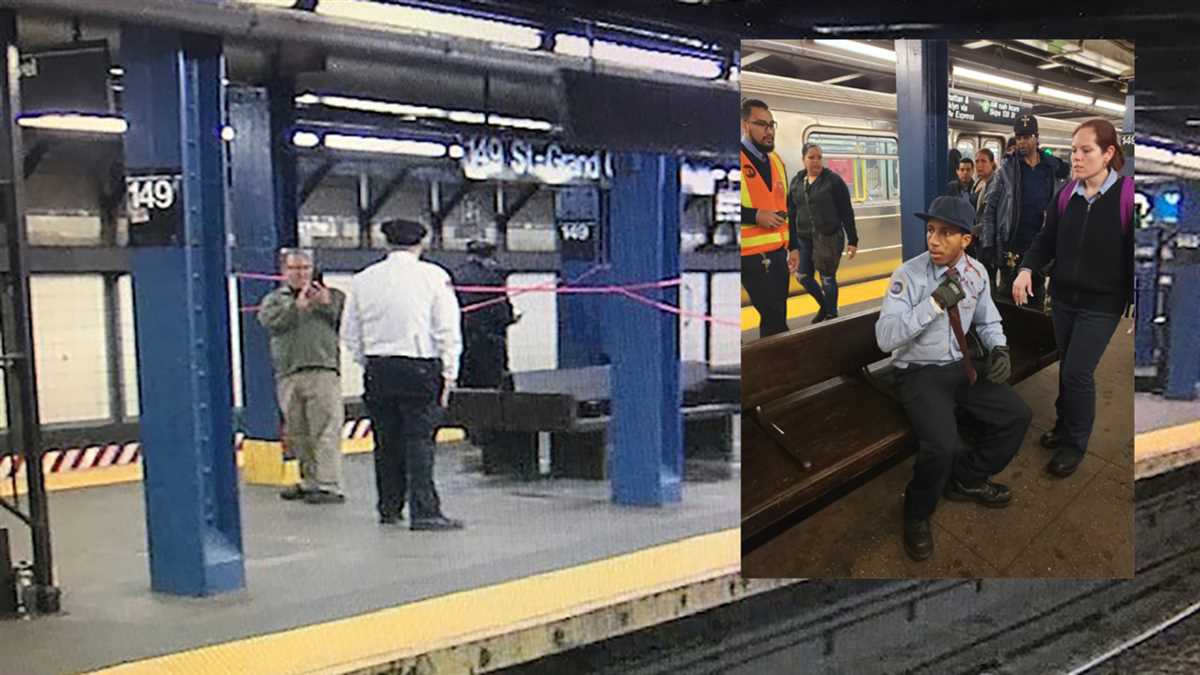
- Train operations: This includes knowledge of signaling systems, speed limits, and the proper procedures for starting, stopping, and switching trains.
- Safety regulations: You’ll need to demonstrate an understanding of safety protocols to ensure the well-being of passengers and crew, including protocols for handling emergencies and responding to hazardous conditions.
- Customer service: As a conductor, you’ll be interacting with passengers on a daily basis. The exam will assess your ability to handle customer inquiries, provide accurate information, and maintain a professional and friendly demeanor.
- Rules and regulations: You’ll need to demonstrate knowledge of the MTA’s rules and regulations, including fare collection policies, code of conduct, and procedures for dealing with rule violations.
- Communications: You’ll be tested on your ability to effectively communicate with other crew members, station personnel, and other relevant parties using both verbal and written communication methods.
Preparation Tips: To increase your chances of success on the MTA Conductors Exam, it’s important to start preparing well in advance. Familiarize yourself with the MTA’s rules and regulations, study the materials provided by the MTA, and consider taking practice exams to get a feel for the types of questions you may encounter. Additionally, make sure to review and understand any specific requirements outlined in the exam guidelines.
By dedicating time and effort to prepare for the exam, you’ll be setting yourself up for success as you pursue a career as an MTA conductor. Good luck!
Overview of the MTA Conductors Exam

The MTA Conductors Exam is a standardized test designed to assess the knowledge and skills of individuals who aspire to become conductors in the Metropolitan Transportation Authority (MTA) in New York. This exam serves as a crucial step in the hiring process, as it helps the MTA identify qualified candidates who can effectively perform the duties and responsibilities of a conductor.
The exam consists of various sections that evaluate different aspects of a candidate’s abilities. These sections typically include a written test, a customer service assessment, and a practical evaluation. The written test assesses a candidate’s knowledge of train operations, safety procedures, regulations, and other relevant topics. The customer service assessment evaluates a candidate’s interpersonal skills, ability to handle difficult situations, and commitment to providing exceptional service to passengers.
Written Test
The written test is a crucial component of the MTA Conductors Exam. It covers a wide range of topics, such as train operations, signaling systems, emergency procedures, and MTA regulations. Candidates are expected to have a solid understanding of these subjects in order to pass the exam. The written test typically consists of multiple-choice questions, and candidates must demonstrate their ability to apply their knowledge to real-world scenarios.
Customer Service Assessment

The customer service assessment section of the MTA Conductors Exam focuses on evaluating a candidate’s interpersonal and communication skills. Conductors play a vital role in interacting with passengers on a daily basis, and their ability to provide excellent customer service is essential. This section may include scenario-based questions that assess a candidate’s problem-solving abilities and attitude towards handling challenging situations. It is important for candidates to showcase their commitment to ensuring a positive passenger experience.
Practical Evaluation

The practical evaluation is another significant component of the MTA Conductors Exam. This section assesses a candidate’s ability to perform the physical tasks required of a conductor, such as safely walking and navigating through train cars, operating doors, and handling emergency equipment. Candidates may also be evaluated on their ability to effectively communicate using the train’s public address system. It is essential for candidates to showcase their physical fitness, attention to detail, and ability to handle emergency situations.
In conclusion, the MTA Conductors Exam is a comprehensive assessment that evaluates the knowledge, skills, and abilities of individuals who wish to become conductors in the MTA. By successfully passing this exam, candidates demonstrate their readiness to fulfill the responsibilities of a conductor and contribute to the safe and efficient operation of the MTA’s transportation services.
Eligibility Requirements for the MTA Conductors Exam
In order to become a conductor for the Metropolitan Transportation Authority (MTA), there are several eligibility requirements that applicants must meet. These requirements ensure that candidates are capable of performing the duties and responsibilities of a conductor.
Educational Requirements: To be eligible for the MTA Conductors Exam, applicants must have a high school diploma or a General Equivalency Diploma (GED). This educational requirement ensures that candidates have a basic level of education and knowledge necessary to succeed in the role.
Physical Fitness: Another important eligibility requirement is the ability to meet the physical demands of the job. Conductors are often required to stand for long periods of time, walk on moving vehicles, and lift heavy objects. Therefore, candidates must be physically fit and capable of performing these tasks without endangering themselves or others.
Background Check: Due to the nature of the job, all applicants must pass a thorough background check. This includes a criminal history check, verification of previous employment, and reference checks. The purpose of the background check is to ensure that candidates have a clean record and do not have any red flags that would deem them unfit for the role.
Customer Service Skills: As conductors interact with passengers on a daily basis, excellent customer service skills are essential. Candidates must demonstrate their ability to communicate effectively, remain calm under pressure, and handle difficult customers. This requirement ensures that conductors will provide a positive experience for passengers and maintain a safe and respectful environment.
Training: Once selected for the MTA Conductors Exam, candidates must successfully complete a comprehensive training program. This training covers a wide range of topics, including safety procedures, emergency protocols, fare collection, and customer service. It is designed to prepare candidates for the responsibilities and challenges they will face as an MTA conductor.
In conclusion, the eligibility requirements for the MTA Conductors Exam include a high school diploma or GED, physical fitness, a clean background check, customer service skills, and successful completion of training. Meeting these requirements ensures that candidates are qualified and capable of performing the duties of an MTA conductor.
Tips for Preparing for the MTA Conductors Exam

Preparing for the MTA Conductors Exam can be a challenging task, but with the right approach, you can increase your chances of success. Here are some useful tips to help you prepare effectively:
- Review the exam syllabus: Familiarize yourself with the topics and areas that will be covered in the exam. This will help you prioritize your study materials and focus on the most important areas.
- Create a study schedule: Set aside dedicated time each day or week specifically for exam preparation. This will help you stay organized and ensure that you cover all the necessary material before the exam.
- Practice with sample questions: Look for sample questions or previous exam papers to practice with. This will give you an idea of the types of questions that may be asked and allow you to become more comfortable with the exam format.
- Use study guides and textbooks: Utilize study guides and textbooks that are specifically designed for the MTA Conductors Exam. These resources will provide a comprehensive overview of the topics and help you gain a deeper understanding of the subject matter.
- Take mock exams: Take advantage of any mock exams or practice tests that are available. This will simulate the exam environment and allow you to assess your progress and identify any areas that require additional study.
- Join study groups or find a study partner: Collaborating with others who are also preparing for the exam can be beneficial. Discussing and explaining concepts to each other can enhance your understanding and help you remember the material more effectively.
- Stay organized: Keep your study materials, notes, and resources organized. This will save you time and make it easier to review and revise the material as needed.
- Take care of yourself: Make sure to get enough rest, eat well, and exercise during your exam preparation period. Taking care of your physical and mental well-being will help you stay focused and perform at your best on the day of the exam.
By following these tips and maintaining a consistent and dedicated study routine, you can boost your confidence and increase your chances of success in the MTA Conductors Exam. Good luck!
Study Materials for the MTA Conductors Exam

Preparing for the MTA Conductors Exam requires a thorough understanding of the duties and responsibilities of a conductor, as well as knowledge of the MTA rules and regulations. To assist candidates in their preparation, a variety of study materials are available.
Official MTA Study Guide
The official MTA Study Guide is a comprehensive resource that covers all the topics and information relevant to the Conductors Exam. It provides detailed explanations of the various rules, procedures, and regulations that conductors must follow. The guide also includes sample questions and practice tests to help candidates familiarize themselves with the format and content of the exam.
MTA Rule Book

The MTA Rule Book is an essential resource for anyone preparing for the Conductors Exam. It contains the official rules and regulations that govern the operation of the MTA, including guidelines for conductors. By studying the Rule Book, candidates can gain a deeper understanding of the MTA’s policies and procedures, which will be tested in the exam.
Online Practice Tests

Several websites offer online practice tests specifically designed for the MTA Conductors Exam. These tests simulate the actual exam and provide candidates with an opportunity to assess their knowledge and identify areas that may need further study. The questions in these practice tests are similar to the ones that will be asked in the actual exam, giving candidates a chance to become familiar with the exam format.
Additional Resources
In addition to the official study materials, candidates can also benefit from other resources such as MTA training programs, study groups, and forums. These resources provide candidates with the opportunity to discuss exam-related questions and share study strategies with fellow candidates. It is important to utilize these resources to supplement the official study materials and enhance overall preparation for the MTA Conductors Exam.
What to Expect on the MTA Conductors Exam
Preparing for the MTA Conductors Exam requires a thorough understanding of the job duties and responsibilities of a conductor. The exam is designed to assess your knowledge and skills in various areas, such as safety regulations, train operations, customer service, and emergency procedures. It is important to familiarize yourself with these topics and be well-prepared to demonstrate your competency during the exam.
One of the key areas covered in the exam is safety regulations. You will be tested on your knowledge of the rules and regulations that govern train operations, including speed limits, signal systems, and track conditions. It is crucial to study these regulations and be able to apply them in different scenarios. Additionally, you will also be evaluated on your understanding of emergency procedures, such as evacuations and emergency braking systems.
Another important aspect of the MTA Conductors Exam is customer service. As a conductor, you will be interacting with passengers on a daily basis, and it is important to provide them with excellent customer service. The exam will include questions and scenarios that assess your ability to handle customer inquiries, address their concerns, and provide accurate information about delays and service disruptions. Good communication skills and the ability to remain calm and composed under pressure are essential for this role.
To prepare for the MTA Conductors Exam, it is recommended to study relevant materials such as MTA manuals, safety regulations, and customer service guidelines. You can also find practice exams and sample questions online to familiarize yourself with the format and content of the exam. Additionally, taking part in mock interviews or role-play exercises can help improve your communication and problem-solving skills. By dedicating time and effort to your preparation, you can increase your chances of success on the MTA Conductors Exam.
Next Steps After Passing the MTA Conductors Exam
Passing the MTA Conductors Exam is a significant achievement that opens up new opportunities in the field of transportation. Once you have successfully completed the exam, there are several important next steps to take in order to begin your career as an MTA conductor.
1. Certification and Training
After passing the exam, you will need to complete the necessary certification and training requirements to become a certified MTA conductor. This typically involves attending a training program, which will provide you with the knowledge and skills necessary to perform the duties of a conductor effectively. This training may cover topics such as customer service, safety procedures, and operating MTA equipment.
2. Job Application
Once you have obtained your certification, the next step is to apply for a job as an MTA conductor. Check the MTA website or other job listing platforms for any open positions and submit your application and resume. Be sure to highlight your successful completion of the MTA Conductors Exam and any relevant training or experience you may have.
3. Interview and Selection Process

If your application is selected, you will be invited for an interview. This interview may involve questions about your qualifications, experience, and your understanding of the role of a conductor. It is important to prepare by familiarizing yourself with the responsibilities and expectations of the position.
4. On-the-Job Training
If you are successful in the interview, you will be offered a position as an MTA conductor. Upon starting your job, you will typically undergo a period of on-the-job training. This will provide you with hands-on experience and further guidance on how to perform your duties effectively and safely.
5. Career Growth and Advancement
As a certified MTA conductor, you will have the opportunity for career growth and advancement within the MTA. You may choose to specialize in a particular area, such as subway or railroad operations, or pursue further training and certification to become a supervisor or manager.
Remember, passing the MTA Conductors Exam is just the beginning of your journey as a conductor. By following these next steps, you can set yourself up for a successful and fulfilling career in the transportation industry.