The Ultimate Guide to Conducting a Comprehensive Neurologic Exam: A Step-by-Step Template

Performing a comprehensive neurologic examination is an essential skill for healthcare professionals, especially those working in neurology or primary care settings. A neurologic exam allows clinicians to assess a patient’s brain function, spinal cord function, and peripheral nerve function. It involves a systematic evaluation of the patient’s cognitive abilities, motor skills, sensory perception, and reflexes.
Having a standardized neurologic exam template is crucial to ensure consistency and accuracy in the evaluation process. A well-designed template guides the clinician through the examination, ensuring that all relevant areas are assessed and no important findings are missed. It also allows for easy documentation and comparison of exam results over time, which is vital for monitoring disease progression or treatment effectiveness.
The neurologic exam template typically includes different components that assess various aspects of neurologic function. These components may include the assessment of mental status, cranial nerves, motor function, sensory function, cerebellar function, and reflexes. Each component has specific tests or maneuvers that the clinician performs to evaluate the corresponding neurologic function accurately.
By utilizing a neurologic exam template, healthcare professionals can conduct a thorough and consistent assessment of their patients’ neurologic status. This standardized approach enhances data collection, interpretation, and communication among healthcare providers, leading to more accurate diagnoses and appropriate treatment plans. With the help of a well-structured template, clinicians ensure that no crucial aspect of the neurologic exam is overlooked, providing comprehensive and reliable healthcare services.
Neurologic Exam Template
Performing a neurologic exam is a crucial step in diagnosing and evaluating patients with neurological disorders. This standardized template provides a structured approach to assess the patient’s neurologic function and identify any abnormalities.
Cranial Nerve Assessment: Start by evaluating the patient’s cranial nerve function, which includes assessing visual acuity, pupillary response, extraocular movements, facial sensation and movement, hearing, and swallowing.
Mental Status Examination: Evaluate the patient’s mental status by assessing their orientation, attention, language, memory, and executive function. This involves asking the patient questions, testing their memory, and observing their behavior and speech.
Motor Examination: Evaluate the patient’s motor function, including muscle strength, tone, coordination, and reflexes. Assess each limb’s strength, check for any abnormal movements or rigidity, and test the patient’s reflexes using a reflex hammer.
Sensory Examination: Test the patient’s sensory function by assessing their ability to feel touch, pain, temperature, vibration, and position sense. Use a soft brush or a sharp object to evaluate their sensation in different body regions.
Coordination and Balance Tests: Assess the patient’s coordination and balance by asking them to perform specific tasks, such as finger-to-nose test, heel-to-shin test, and Romberg test. These tests help determine any abnormalities in their motor control and balance.
Gait Examination: Observe the patient’s gait and assess their ability to walk smoothly and maintain balance. Look for any abnormalities, such as limping, asymmetrical movements, or difficulty with walking in a straight line.
Reflexes and Babinski Sign: Test the patient’s deep tendon reflexes, including the biceps, triceps, brachioradialis, patellar, and Achilles reflexes. Additionally, check for the presence of the Babinski sign, which indicates an abnormal response to stimulation of the sole of the foot.
Neck Stiffness: Evaluate the patient for neck stiffness, which could indicate meningitis or other neurological conditions. Gently flex and extend the patient’s neck and assess their range of motion and any pain or discomfort.
This neurologic exam template provides a systematic approach to assess the patient’s neurologic function and helps identify any abnormalities that may require further investigation or treatment. It is essential to perform the exam carefully and document all findings accurately to assist in accurate diagnosis and management.
Preparing for the Neurologic Exam
Preparing for a neurologic exam is crucial in order to ensure accurate and thorough assessment of a patient’s neurological status. A well-prepared exam can help the healthcare provider to identify potential abnormalities, determine the underlying cause, and develop an appropriate treatment plan. Before conducting the exam, it is important to gather relevant medical history, perform a physical examination, and obtain any necessary diagnostic tests.
Gathering medical history: Before initiating the neurologic exam, it is important to gather a comprehensive medical history from the patient. This should include information about the patient’s current symptoms, any previous neurologic conditions or injuries, family history of neurologic disorders, and any medications or treatments the patient is currently receiving. Additionally, it is important to inquire about any recent changes in the patient’s cognitive or motor function, as well as any significant life events or stressors that may be relevant to their neurologic status.
Performing a physical examination: A thorough physical examination is essential prior to conducting the neurologic exam. This includes assessing the patient’s vital signs, general appearance, and mental status. The physical examination should also include evaluating the patient’s cranial nerves, motor function, sensory function, reflexes, coordination, and gait. This will help to identify any potential abnormalities or deficits that may be indicative of a neurologic disorder or injury.
Obtaining diagnostic tests: In some cases, additional diagnostic tests may be necessary to further evaluate the patient’s neurologic status. This may include imaging studies, such as magnetic resonance imaging (MRI) or computed tomography (CT) scans, to visualize the brain and spinal cord. Other diagnostic tests, such as electroencephalography (EEG) or nerve conduction studies, may be used to assess the electrical activity of the brain or peripheral nerves. These tests can provide valuable information to assist in the diagnosis and treatment of neurologic conditions.
Tips for a successful neurologic exam:

- Ensure a comfortable and quiet environment for the patient
- Clearly explain the purpose and procedures of the exam to the patient
- Use appropriate equipment, such as a neurologic hammer, cotton swabs, and tuning forks
- Document findings accurately and objectively
- Maintain a professional and empathetic demeanor throughout the exam
Overall, preparing for a neurologic exam involves gathering medical history, performing a physical examination, and obtaining any necessary diagnostic tests. By taking these steps, healthcare providers can ensure a comprehensive evaluation of a patient’s neurologic status and provide appropriate care and treatment.
Neurologic History Assessment
A neurologic history assessment is a crucial part of evaluating and diagnosing neurological conditions. It involves gathering information about the patient’s medical history, symptoms, and any relevant family history. This comprehensive assessment helps the healthcare provider determine the underlying cause of the patient’s symptoms and develop an appropriate treatment plan.
During the neurologic history assessment, the healthcare provider will ask the patient specific questions to gather information about their symptoms. These questions may include:
- When did your symptoms start? Understanding the onset of symptoms can provide valuable insights into the potential cause.
- What are the specific symptoms you are experiencing? Describing the symptoms in detail can help differentiate between various neurological conditions.
- Have you experienced any changes in your sensory perception or motor function? This question helps assess the extent of neurological involvement.
- Have you had any recent head injuries or trauma? Head injuries can often lead to neurological impairments and should be evaluated.
- Do you have a family history of neurological conditions? Certain neurological conditions may have a genetic component, and a family history can help guide the diagnostic process.
In addition to these questions, the healthcare provider will also ask about the patient’s general medical history, including any pre-existing medical conditions, medications, allergies, and lifestyle factors that may contribute to neurological symptoms. They will also inquire about any recent changes in medication or the development of other symptoms that may be potentially related.
The neurologic history assessment is a crucial part of the diagnostic process and lays the foundation for further physical examinations and tests. It helps identify potential risk factors, narrow down the differential diagnosis, and guide the selection of appropriate diagnostic tests. By gathering a comprehensive neurologic history, healthcare providers can better understand their patients’ symptoms and provide targeted care for their neurological conditions.
Observation and Physical Examination
The observation and physical examination are important components of the neurologic exam. They allow the healthcare provider to gather important information about the patient’s neurologic function and overall health. During the observation, the healthcare provider will assess the patient’s general appearance, behavior, and level of consciousness. They will look for any signs of distress, abnormal movements, or unusual postures that may indicate underlying neurologic disorders.
The physical examination involves a systematic assessment of various body systems that may be affected by neurologic conditions. The provider will start by evaluating the patient’s vital signs, including blood pressure, heart rate, respiratory rate, and temperature. They will then move on to assess the patient’s head and neck, examining the cranial nerves, checking for any abnormalities in eye movements or facial symmetry, and inspecting the throat and neck for signs of infection or inflammation.
Next, the provider will focus on the patient’s motor function, evaluating their strength, coordination, and gait. They will ask the patient to perform specific movements, such as squeezing their hands, lifting their legs, or walking in a straight line, to assess for any weakness or lack of coordination. They may also test the patient’s reflexes, using a reflex hammer to elicit responses in the deep tendon reflexes.
The sensory examination is another important component of the physical examination. The provider will assess the patient’s ability to feel touch, temperature, and pain in different areas of the body. They may use a cotton swab or a pinprick to test the patient’s sensation, starting from the distal extremities and moving towards the core. Any areas of decreased or absent sensation may indicate nerve damage or a sensory processing disorder.
In addition to the observation and physical examination, the healthcare provider may also order additional tests or imaging studies to further evaluate the patient’s neurologic function. These may include blood tests, electroencephalography (EEG), neuroimaging (such as computed tomography or magnetic resonance imaging), or specialized neurologic tests, depending on the specific symptoms and concerns.
Cranial Nerve Assessment
The cranial nerve examination is an essential part of the neurologic exam, allowing the physician to assess the function of the 12 cranial nerves and identify any abnormalities or deficits. This assessment involves a systematic evaluation of each cranial nerve’s function, including the assessment of cranial nerve reflexes, sensation, and muscle strength. It is performed using a variety of techniques and tests, each designed to evaluate a specific aspect of cranial nerve function.
During the cranial nerve examination, the physician will evaluate the function of each cranial nerve individually, starting with cranial nerve I (olfactory) and progressing to cranial nerve XII (hypoglossal). The examination involves assessing various aspects of cranial nerve function, including visual acuity, pupillary response, eye movements, facial sensation and expression, tongue movement, and hearing. The physician may use specific tests, such as the Snellen chart for visual acuity, the Weber and Rinne tests for hearing, and the finger-nose and finger-finger tests for coordination and muscle strength.
Some common findings in a cranial nerve examination may include abnormal pupillary size or reaction, facial weakness or asymmetry, hearing loss or tinnitus, changes in visual fields, and abnormal tongue movement. These findings can provide important clues to the underlying cause or location of the neurologic problem. For example, a dilated and non-reactive pupil may suggest damage to the oculomotor nerve, while abnormal tongue movement may indicate a problem with the hypoglossal nerve.
The cranial nerve examination is an integral part of the overall neurologic assessment and can help diagnose and monitor a wide range of neurologic conditions, such as stroke, brain tumors, Bell’s palsy, and multiple sclerosis. It requires the physician to have a thorough understanding of the anatomy and function of each cranial nerve and the ability to interpret the findings accurately. By performing a comprehensive cranial nerve assessment, the physician can gather essential information and provide appropriate care and treatment for their patients.
Motor System Assessment
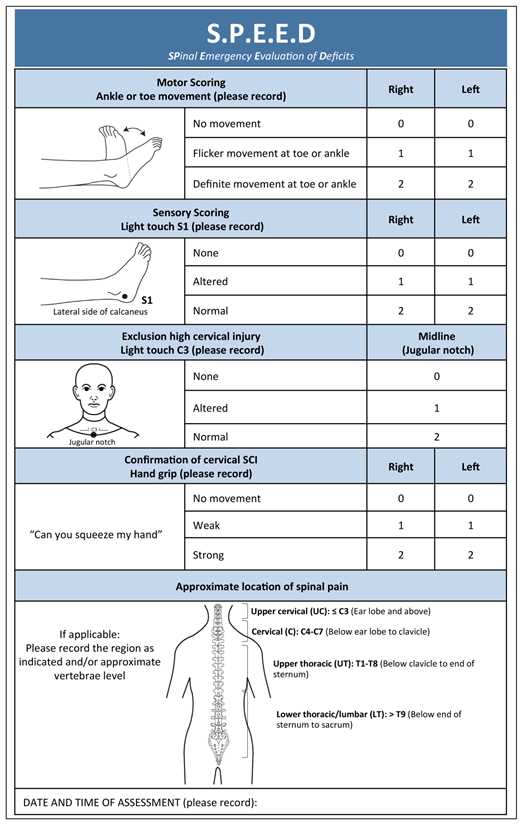
In the neurologic exam, the motor system assessment evaluates a patient’s muscle strength, tone, and coordination. This assessment helps determine if there is any dysfunction or impairment in the central or peripheral nervous system that may affect voluntary movements.
During the motor system assessment, the physician will evaluate the patient’s muscle strength in different muscle groups using the Medical Research Council (MRC) scale. The MRC scale ranges from 0 to 5, with 0 indicating no muscle contraction and 5 indicating normal strength. The physician will ask the patient to perform specific movements, such as lifting their arms or legs, and will apply resistance to assess the strength of the muscle group.
- Muscle Tone: The physician will assess the patient’s muscle tone by passively moving their limbs and evaluating for any increased resistance or stiffness. Increased muscle tone may indicate spasticity or rigidity, which can occur in conditions such as stroke or Parkinson’s disease.
- Coordination: The physician will assess the patient’s coordination by asking them to perform specific tasks that require precise movements, such as finger-to-nose or heel-to-shin tests. Any difficulty or lack of coordination may indicate dysfunction in the cerebellum or other areas involved in motor coordination.
- Reflexes: The physician will also assess the patient’s deep tendon reflexes, such as the biceps, triceps, patellar, and Achilles reflexes. The physician will use a reflex hammer to elicit these reflexes and evaluate the patient’s response.
Overall, the motor system assessment provides crucial information about the patient’s motor function and helps in the diagnosis and management of neurologic disorders. It allows the physician to identify any specific areas of dysfunction and determine the appropriate course of treatment or further evaluation.
Sensory System Assessment

The sensory system assessment is crucial in evaluating a patient’s ability to sense and interpret stimuli. It allows healthcare providers to identify any potential abnormalities or deficits in the sensory pathways. The assessment consists of various tests that evaluate the patient’s perception of touch, pain, temperature, vibration, and position sense.
Key components of a sensory system assessment include:
- Assessing touch sensation by using a soft non-threatening stimulus, such as a cotton ball, and asking the patient to identify the point of contact on their body.
- Testing pain sensation by gently applying a sharp object, such as a safety pin, to different areas of the patient’s body and asking if they feel any pain.
- Evaluating temperature sensation by using warm and cold objects and asking the patient to identify the temperature.
- Assessing vibration sense by using a tuning fork and placing it on various bony prominences, such as the distal phalanx of the finger.
- Testing position sense by asking the patient to close their eyes and identifying the position of their extremities that the examiner moves.
Through the sensory system assessment, healthcare providers can identify any abnormalities, such as hypoesthesia (diminished sensation), hyperesthesia (increased sensation), or anesthesia (loss of sensation).
Overall, the sensory system assessment is a crucial part of the neurologic examination, allowing for the detection and evaluation of any sensory deficits. It provides valuable information that can help guide further diagnostic investigations and treatment plans.