Unveiling the Secrets of NIBP Testers: How to Choose the Perfect Device for Accurate Blood Pressure Measurement
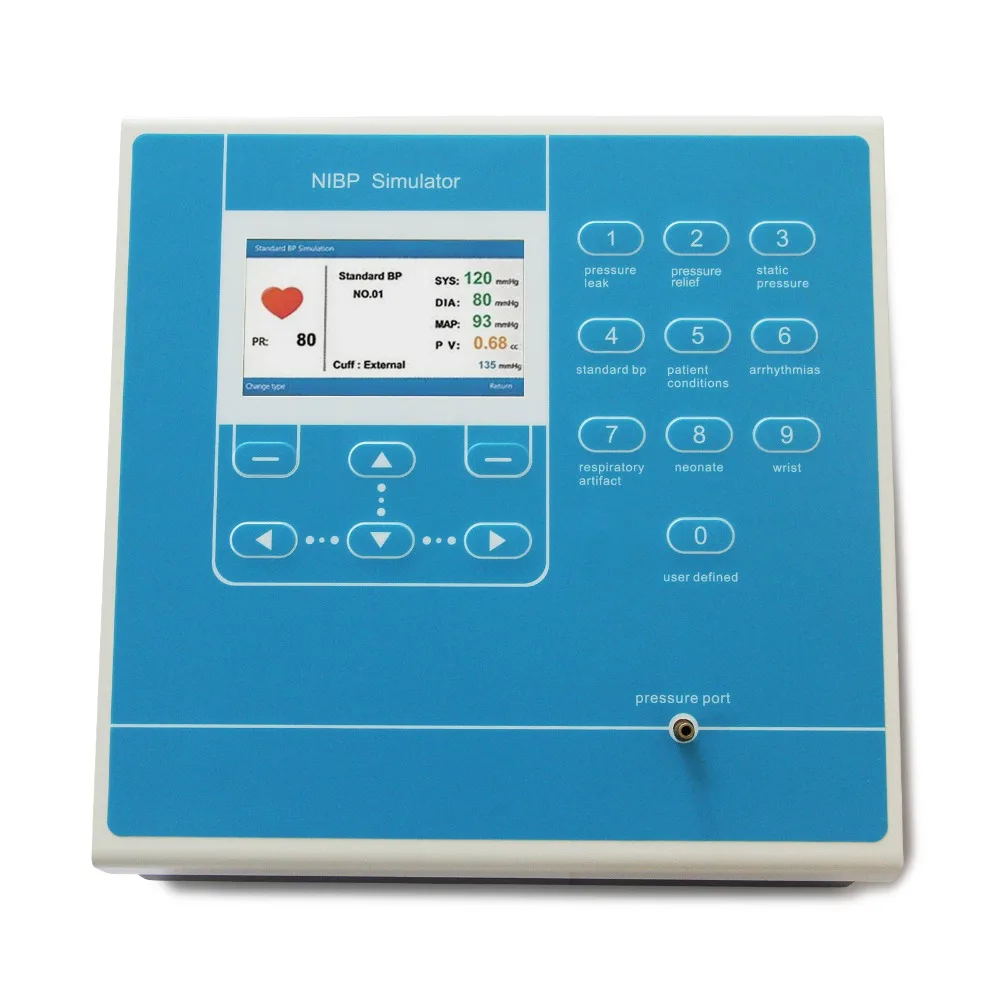
Blood pressure is a crucial vital sign used to assess a person’s overall health and detect potential cardiovascular problems. To accurately measure blood pressure, medical professionals rely on NIBP testers. This device plays a vital role in ensuring the accuracy and reliability of blood pressure readings. In this comprehensive guide, we will explore the importance of NIBP testers, their features, and their role in healthcare settings.
Firstly, NIBP stands for non-invasive blood pressure. Unlike invasive methods that require puncturing an artery, NIBP testers use cuffs placed around the upper arm or wrist to indirectly measure blood pressure. This non-invasive approach is less painful and more convenient for patients, making it widely used in healthcare facilities and home blood pressure monitoring.
NIBP testers are equipped with advanced technology to provide accurate and consistent blood pressure readings. They use an oscillometric method, which measures the changes in pressure oscillations caused by blood flow. The device then uses algorithms to calculate systolic and diastolic pressure based on these oscillations. NIBP testers also display additional information such as pulse rate, mean arterial pressure, and irregular heartbeat detection.
The Importance of NIBP Tester for Medical Equipment
Accurate blood pressure measurement is vital for the diagnosis, treatment, and monitoring of various medical conditions. Non-invasive blood pressure (NIBP) monitors are extensively used in hospitals, clinics, and homecare settings to measure blood pressure conveniently without the need for invasive methods. However, these NIBP monitors should be regularly calibrated and tested to ensure accurate and reliable readings.
A NIBP tester is a specialized device designed to evaluate the performance of NIBP monitors. It simulates the human cardiovascular system and generates specific blood pressure values for testing purposes. The NIBP tester allows healthcare professionals to verify the accuracy, consistency, and overall functionality of the NIBP monitors before using them on patients.
Regular calibration and testing of NIBP monitors with a dedicated NIBP tester are crucial for several reasons. Firstly, it helps in detecting and rectifying any inaccuracies or faults in the blood pressure measurements. This ensures that healthcare providers can rely on the readings obtained from the NIBP monitors for accurate diagnosis and treatment decisions.
Secondly, the use of a NIBP tester promotes patient safety. Inaccurate blood pressure readings can lead to incorrect diagnoses or inappropriate treatments, putting patients at risk. By regularly testing NIBP monitors, healthcare professionals can ensure that patients receive the correct medical interventions based on reliable blood pressure measurements.
Additionally, NIBP tester helps in maintaining compliance with regulatory standards and quality assurance requirements. Healthcare facilities are often subject to audits and inspections to ensure that they meet the highest standards of patient care. Regular testing and calibration of NIBP monitors with a NIBP tester demonstrate that the facility is taking the necessary steps to maintain accurate and reliable blood pressure measurements.
In conclusion, a NIBP tester plays a crucial role in ensuring the accuracy and reliability of blood pressure measurements obtained from NIBP monitors. Regular calibration and testing with a NIBP tester help in detecting errors, promoting patient safety, and maintaining compliance with regulatory standards. Healthcare providers should prioritize the use of a NIBP tester to enhance the quality of care provided to patients.
How Does a NIBP Tester Work?
A NIBP (non-invasive blood pressure) tester is a medical device used to measure and test the accuracy of blood pressure monitors and cuffs. It is an essential tool for healthcare professionals to ensure the reliability and functionality of these devices.
A NIBP tester works by mimicking the physiological process of measuring blood pressure. It consists of a pressure-generating system that simulates the pulsatile flow of blood in the arteries. The tester also includes a pressure sensor that measures the pressure generated by the system.
To test a blood pressure monitor, the tester is connected to the monitor’s cuff. The tester then generates a pulsatile pressure waveform, simulating the systolic and diastolic pressures. The pressure sensor measures the pressure exerted by the tester, and this data is compared to the readings displayed on the monitor.
The NIBP tester allows healthcare professionals to check if the blood pressure monitor is accurately detecting and displaying the patient’s blood pressure. It is important to regularly calibrate and test these devices to ensure accurate readings and patient safety. NIBP testers are used in hospitals, clinics, and other healthcare settings to validate the performance of blood pressure monitors.
Overall, a NIBP tester plays a crucial role in maintaining the accuracy and reliability of blood pressure monitors. It helps healthcare professionals deliver precise readings and ensure patient safety during blood pressure measurements. By regularly testing these devices, healthcare providers can detect and address any issues or inaccuracies, ultimately improving the quality of care provided to patients.
Key Features to Consider When Choosing a NIBP Tester
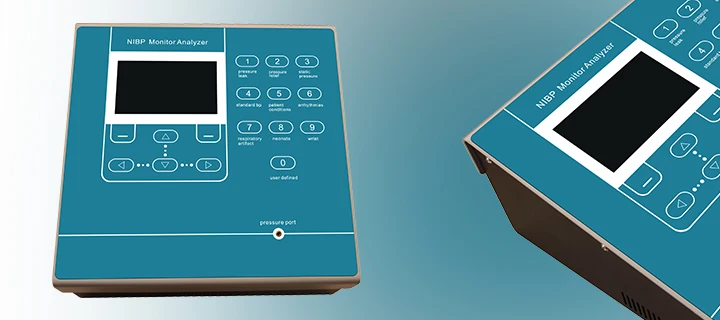
A non-invasive blood pressure (NIBP) tester is an essential device used to measure blood pressure without puncturing the skin. When selecting a NIBP tester, it is crucial to consider several key features to ensure accurate and reliable measurements.
1. Accuracy and Precision
One of the most important features to look for in a NIBP tester is accuracy and precision. The device should provide consistently accurate readings that are within the acceptable range. Look for a tester that has been validated against a standard reference to ensure reliable results.
2. Cuff Size and Compatibility
The cuff size and compatibility is another crucial factor to consider when selecting a NIBP tester. The tester should come with a range of cuff sizes to accommodate different patients, from pediatric to adult. Additionally, ensure that the tester is compatible with both standard and large adult cuff sizes for versatility.
3. Measurement Range
Make sure to choose a NIBP tester that offers a wide measurement range to cater to different patients’ needs. The tester should be able to accurately measure both systolic and diastolic pressures, as well as pulse rate. A wider measurement range will ensure that the tester can be used for a variety of patients, including those with high or low blood pressure.
4. Display and User Interface
The display and user interface of the NIBP tester are important considerations for ease of use. Look for a tester with a clear and easy-to-read display that provides real-time blood pressure readings. The user interface should be intuitive and user-friendly, allowing healthcare professionals to quickly and accurately obtain measurements.
5. Battery Life and Portability
Battery life and portability are key features to consider, especially for mobile healthcare providers. Choose a NIBP tester that has a long battery life to avoid frequent replacements. Additionally, look for a compact and lightweight tester that can be easily transported and used in various settings.
6. Data Storage and Connectivity
Consider a NIBP tester that offers data storage and connectivity features. The tester should be able to store multiple readings for future reference and analysis. It should also have options for connecting to a computer or other devices for data transfer and integration into electronic medical records systems.
By considering these key features, healthcare professionals can select a NIBP tester that meets their specific needs and provides accurate and reliable blood pressure measurements.
Step-by-Step Guide for Testing Medical Equipment with a NIBP Tester
When it comes to testing medical equipment, accuracy and reliability are crucial. One important tool for testing the performance of blood pressure monitors is a NIBP (non-invasive blood pressure) tester. This device simulates blood pressure readings and allows healthcare professionals to ensure that the equipment is functioning correctly. Here is a step-by-step guide on how to effectively test medical equipment with a NIBP tester:
Step 1: Prepare the NIBP Tester

Before starting the testing process, make sure that the NIBP tester is properly calibrated and functioning correctly. Check the device’s battery life or ensure it is properly connected to a power source. Ensure that the tubing and connectors are clean and free from obstruction. It is also important to verify that the NIBP tester’s pressure readings are accurate against a calibrated pressure meter.
Step 2: Connect and Configure the NIBP Tester
Next, connect the NIBP tester to the blood pressure monitor using the appropriate tubing and connectors. Follow the manufacturer’s instructions for proper connection. Once connected, configure the NIBP tester according to the specific settings required for the medical equipment being tested. This may include selecting the appropriate blood pressure range, adjusting the pressure increments, and setting any specific testing parameters.
Step 3: Perform the Test
With the NIBP tester properly configured, it’s time to perform the test. Place the cuff or sensor of the medical equipment on the appropriate part of the NIBP tester. Make sure it is snug and fitted correctly. Start the test by activating the NIBP tester to simulate the blood pressure readings. Observe the displayed results on both the NIBP tester and the medical equipment being tested.
Step 4: Compare and Analyze the Results

Once the test is complete, compare and analyze the results obtained from the NIBP tester and the medical equipment. Ensure that the readings recorded by the medical equipment align closely with the NIBP tester’s simulated blood pressure values. If there are significant discrepancies, further investigation may be required to identify and address any issues with the medical equipment.
By following this step-by-step guide, healthcare professionals can effectively test the performance of medical equipment using a NIBP tester. Regular testing and calibration of medical equipment are essential to ensure accurate and reliable readings, promoting the safety and well-being of patients.
Common Issues and Troubleshooting Tips for NIBP Testing
NIBP (Non-Invasive Blood Pressure) testing is an essential component of patient monitoring systems. However, there can be various issues that may arise during NIBP testing, affecting the accuracy and reliability of the measurements. Here are some common issues and troubleshooting tips to ensure accurate NIBP testing:
Inaccurate Readings
One of the most common issues during NIBP testing is inaccurate readings. This can be caused by improper sensor placement, loose or improperly connected tubing, or patient movement during the measurement.
- Troubleshooting Tip 1: Ensure that the NIBP cuff is placed properly on the patient’s arm, following the manufacturer’s guidelines. The cuff should be wrapped snugly around the upper arm, with the bladder aligned with the brachial artery.
- Troubleshooting Tip 2: Check the tubing connections and make sure they are securely fastened. Any loose connections can result in inaccurate readings.
- Troubleshooting Tip 3: Instruct the patient to remain as still as possible during the measurement to avoid any motion artifacts that can interfere with the accuracy of the readings.
Error Messages

Another common issue that may occur during NIBP testing is the appearance of error messages on the device screen. These error messages can indicate various problems, such as cuff over-inflation, under-inflation, or leakage.
- Troubleshooting Tip 1: If the device displays an over-inflation error message, make sure that the cuff is not wrapped too tightly around the patient’s arm. Adjust the cuff tension accordingly and try again.
- Troubleshooting Tip 2: In case of an under-inflation error message, check the tubing connections for any obstructions or kinks. Ensure that the cuff is properly connected to the device and the tubing is free of any obstacles.
- Troubleshooting Tip 3: If there is a leakage error message, inspect the cuff for any visible damage or wear. Replace the cuff if necessary, and ensure that all connections are secure.
By following these troubleshooting tips, healthcare professionals can address common issues that may arise during NIBP testing and ensure accurate and reliable blood pressure measurements. Regular maintenance and calibration of NIBP equipment are also essential to guarantee the accuracy of the readings.
Benefits of Regular NIBP Testing and Maintenance for Medical Facilities
Regular NIBP testing and maintenance is crucial for medical facilities to ensure the accuracy and reliability of blood pressure measurements. By performing this essential routine, healthcare providers can prevent potential issues and enhance patient safety.
Here are some key benefits of regular NIBP testing and maintenance:
- Accuracy: Regular testing and calibration of NIBP devices help maintain accurate blood pressure measurements. This ensures that healthcare professionals can rely on the data provided by these devices for making important medical decisions.
- Consistency: By regularly testing and maintaining NIBP devices, healthcare facilities can ensure consistent and reliable blood pressure readings across different devices and medical settings. This consistency is vital for accurate diagnosis and treatment.
- Patient Safety: Accurate blood pressure measurements are essential for patient safety. Regular NIBP testing helps identify any inaccuracies or abnormal readings, which can lead to prompt intervention and prevent potential patient harm.
- Device Longevity: Regular maintenance and calibration help prolong the lifespan of NIBP devices. By detecting and addressing any issues early on, medical facilities can prevent costly repairs or the need for premature replacement.
- Compliance: Regular NIBP testing ensures that medical facilities comply with regulatory standards and norms, such as those set by the International Organization for Standardization (ISO).
In conclusion, regular NIBP testing and maintenance play a critical role in ensuring accurate blood pressure measurements, enhancing patient safety, and maintaining compliance with industry standards. By prioritizing this essential routine, medical facilities can reap these significant benefits and provide the highest level of care to their patients.