The Hidden Gems of Nineteenth Century American Poetry: Unearthing the Mastery Test
Are you a lover of poetry? Do you consider yourself knowledgeable about American literature? If so, put your skills to the test with our Nineteenth Century American Poetry Mastery Test! This challenging quiz will assess your understanding and appreciation of the poetry that shaped the cultural landscape of nineteenth-century America.
The nineteenth century was a transformative period in American literature, with the emergence of influential poets who paved the way for future generations. From the introspective and romantic works of Edgar Allan Poe to the transcendentalist musings of Ralph Waldo Emerson and the groundbreaking imagery of Walt Whitman, this era produced some of the most impactful and enduring poems in American history.
In this educational and entertaining test, you will have the opportunity to explore the themes, techniques, and achievements of these renowned poets. Whether you are a seasoned literature enthusiast or simply curious about expanding your knowledge, this test will challenge and engage your understanding of the poetic works that have shaped our cultural identity.
Nineteenth Century American Poetry Mastery Test
Welcome to the Nineteenth Century American Poetry Mastery Test! This test is designed to assess your knowledge of the works of some of the most influential American poets of the 19th century. From Walt Whitman to Emily Dickinson, this test will challenge your understanding of their poetic techniques, themes, and contributions to American literature. Let’s see how much you know about these iconic poets and their masterpieces!
Instructions: Answer the following multiple-choice questions by selecting the correct option. Each question has only one correct answer. Good luck!
1. Who is known as the “Father of Free Verse” and wrote the collection “Leaves of Grass”?
- Robert Frost
- Henry Wadsworth Longfellow
- Walt Whitman (Correct answer)
- Edgar Allan Poe
2. Which poet famously wrote about themes of nature, death, and the afterlife in poems such as “Because I could not stop for Death”?
- Emily Dickinson (Correct answer)
- Langston Hughes
- Ellen Glasgow
- Edgar Allen Poe
3. Who wrote the poem “The Raven” and is known for his macabre and mysterious writing style?
- Walt Whitman
- Emily Dickinson
- Edgar Allan Poe (Correct answer)
- Henry Wadsworth Longfellow
These were just a few examples of the questions you might encounter in the Nineteenth Century American Poetry Mastery Test. This test covers a wide range of poets and their works, testing your knowledge of their style, themes, and historical context. To truly master the poetry of this era, it is important to study the works of these poets and analyze their contributions to American literature. Good luck on your journey to becoming an expert in nineteenth century American poetry!
Background
In the nineteenth century, American poetry experienced a tremendous growth and development. This period of literary boom was fueled by various factors such as political and social changes, industrialization, and the influence of nature and transcendentalism. Furthermore, the emergence of highly influential poets like Walt Whitman and Emily Dickinson significantly shaped the landscape of American poetry during this time.
The political and social changes that occurred in the nineteenth century played a prominent role in shaping American poetry. The country was going through a time of great transformation, including the Civil War, the abolition of slavery, and the women’s rights movement. These social and political upheavals inspired poets to explore themes of freedom, equality, and justice in their works. They used poetry as a means of expressing their beliefs and advocating for social change.
Industrialization also had a profound impact on American poetry in the nineteenth century. The rapid growth of cities and the rise of factories brought about a shift in the way people lived and perceived the world around them. Poets reacted to these changes by capturing the beauty of nature, often contrasting it with the harsh realities of urbanization and industrialization. This exploration of the natural world became an integral part of American poetry, emphasizing the importance of preserving nature and finding solace in its tranquility.
Another significant influence on American poetry during this time was the philosophy of transcendentalism. Transcendentalism emphasized the importance of individuality, intuition, and the spiritual connection between humans and nature. Poets like Walt Whitman and Emily Dickinson embraced the ideas of transcendentalism in their works, creating poetry that celebrated the soul and explored the depths of human emotions. Their experimental use of language and unconventional poetic forms gave birth to a new style of American poetry that challenged traditional norms and conventions.
The nineteenth century was a pivotal period in American poetry, marked by significant social, political, and philosophical changes. The works of poets from this era continue to be celebrated and studied for their contribution to the rich tapestry of American literature.
The Romantic Era
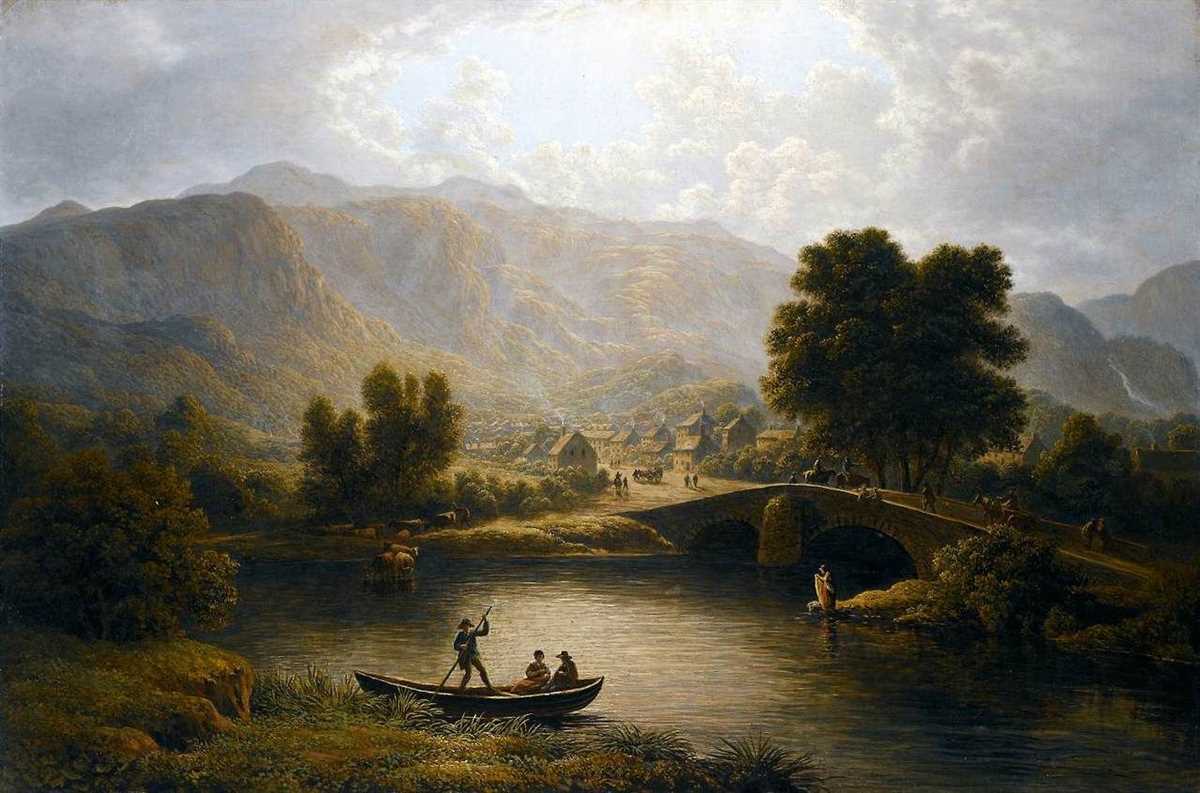
The Romantic Era, also known as Romanticism, was a literary and artistic movement that emerged in the late 18th century and reached its peak in the 19th century. It was a reaction against the Enlightenment ideals of reason, logic, and scientific objectivity, emphasizing instead the power of imagination, emotion, individualism, and the natural world. Romantic poets and artists sought to capture the sublime, the mysterious, and the irrational in their works, often exploring themes of love, nature, and the supernatural.
The Romantic Era was characterized by a renewed interest in the past, particularly in medieval and folk traditions, as well as a fascination with the exotic and the supernatural. It was a time of political and social upheaval, with the American Revolution, the French Revolution, and the Industrial Revolution challenging established norms and creating a sense of uncertainty and anxiety. Romantic poets and artists responded to this by championing the individual, the imagination, and the power of the human spirit to transcend the limitations of society and find meaning and beauty in the world.
In literature, Romanticism is often associated with the works of poets such as William Wordsworth, Samuel Taylor Coleridge, Lord Byron, Percy Bysshe Shelley, and John Keats. These poets rejected the formalism and artificiality of the preceding neoclassical era in favor of a more personal, emotional, and spontaneous style of writing. They celebrated the beauty of nature, the power of the human imagination, and the importance of the individual experience. Their works often explored themes of love, loss, the sublime, and the supernatural, and they were characterized by rich and vivid imagery, musicality, and an emphasis on the subjective experience of the poet.
In art, Romanticism was characterized by a focus on emotion, imagination, and individual expression. Romantic painters sought to evoke a sense of awe and wonder through dramatic and sublime landscapes, often depicting storms, ruins, and other scenes of nature’s power. They also depicted historical and literary themes, as well as images of ordinary people and everyday life. Some of the most prominent Romantic artists include William Blake, J.M.W. Turner, John Constable, and Caspar David Friedrich.
Key Figures
In the nineteenth century, American poetry saw the emergence of several key figures who greatly contributed to the development and evolution of this literary form. These individuals had a profound impact on American literature and continue to be remembered as influential poets.
1. Ralph Waldo Emerson
Ralph Waldo Emerson was a prominent figure in the transcendentalist movement and is considered one of the most important American poets of the nineteenth century. His poems reflect his philosophical beliefs and explore themes of nature, individuality, and the inherent divinity of the human soul. Emerson’s works, such as “Nature” and “The Rhodora,” are known for their lyrical elegance and profound insights into the human experience.
2. Emily Dickinson
Emily Dickinson is widely regarded as one of the greatest American poets of all time. Her unique style and use of unconventional punctuation and capitalization have made her poems distinctive and memorable. Although she lived a relatively reclusive life, Dickinson’s poems often explore themes of love, death, nature, and spirituality. Some of her notable works include “Because I could not stop for Death” and “Hope is the thing with feathers.”
3. Walt Whitman
Walt Whitman, often referred to as the “Father of Free Verse,” revolutionized American poetry with his groundbreaking collection “Leaves of Grass.” His poems celebrate the beauty of the individual and advocate for democracy, equality, and inclusivity. Whitman’s iconic poem “Song of Myself” is a testament to his poetic genius and remains a significant contribution to American literature to this day.
These key figures played a pivotal role in shaping the landscape of American poetry during the nineteenth century. Their works continue to inspire and influence generations of poets, and their contributions to the literary world are invaluable.
Major Themes
Poetry of the nineteenth century in America reflected the major themes and concerns of the time, capturing the spirit of the nation as it underwent significant social, political, and cultural transformations. One of the dominant themes in this period was the exploration of individualism and the self. Poets celebrated the unique experiences and perspectives of the individual, emphasizing personal freedom and the pursuit of one’s own desires and dreams. This theme can be seen in works such as Ralph Waldo Emerson’s “Self-Reliance” and Walt Whitman’s “Song of Myself”.
Another major theme in nineteenth century American poetry was the exploration of nature and its connection to the human experience. Poets sought solace and inspiration in the natural world, finding in it a source of beauty, truth, and transcendence. They celebrated the power and majesty of the natural landscape, while also reflecting on its fragility and the destructive impact of human intervention. This theme can be seen in works such as Henry David Thoreau’s “Walden” and Emily Dickinson’s nature poems.
Additionally, the poets of this period often grappled with the concept of the American Dream and the ideals of democracy and equality. They examined the tensions and contradictions within American society, critiquing the injustices and inequalities that existed alongside the promise of freedom and opportunity. This theme can be seen in works such as Langston Hughes’ “Let America Be America Again” and Emily Dickinson’s exploration of social expectations and gender roles.
Overall, the major themes of nineteenth century American poetry revolved around individualism, nature, and the American Dream. These themes continue to resonate today, reflecting the ongoing search for personal identity, the desire for connection with the natural world, and the struggle for equality and justice in society. The poetry of this period captures the spirit and ideals of a nation undergoing profound transformation, offering insights into the human experience that remain relevant and thought-provoking in the twenty-first century.
Influences and Impact
The nineteenth century was a pivotal time for American poetry, with an emerging group of talented poets who would go on to influence future generations of writers. These poets drew inspiration from a variety of sources, including European Romanticism, Transcendentalism, and the unique experiences and landscapes of America.
One of the key influences on American poetry of the nineteenth century was the European Romantic movement. Poets such as William Wordsworth, Samuel Taylor Coleridge, and Lord Byron sparked a revolution in poetry, emphasizing emotion, imagination, and the beauty of nature. American poets like Henry Wadsworth Longfellow, Emily Dickinson, and Walt Whitman took these ideas and adapted them to the American context, creating their own distinct styles and themes.
The Transcendentalist movement also had a significant impact on nineteenth century American poetry. Transcendentalist thinkers such as Ralph Waldo Emerson and Henry David Thoreau emphasized the importance of intuition, individualism, and spiritual connection to nature. These ideas greatly influenced poets like Emily Dickinson and Walt Whitman, who explored these themes in their work and sought to express their own individual experiences and ideas.
Finally, the unique experiences and landscapes of America played a crucial role in shaping nineteenth century American poetry. The vastness of the American wilderness, the rapidly changing industrial landscape, and the social and political upheavals of the time all provided fertile ground for poets to explore and reflect upon in their work. Poets like Edgar Allan Poe and Emily Dickinson captured the dark and mysterious aspects of American life, while others like Walt Whitman celebrated the diversity and energy of American society.
In conclusion, the nineteenth century was a transformative period for American poetry, with poets drawing inspiration from European Romanticism, Transcendentalism, and the unique experiences of America. These poets created a rich and diverse body of work that continues to resonate with readers today, and their influence can be seen in the poetry that followed in the twentieth and twenty-first centuries.